Key Design and Layout Priorities for Home Renovation
When planning a home renovation, homeowners need to focus on aligning their design and layout with their lifestyle and preferences. Achieving proper spatial flow and balancing aesthetics with functionality helps avoid practical pitfalls in design. It’s important to optimize lighting and storage solutions, ensuring that renovations enhance usability and maintain visual harmony.
Before commencing work, structural safety should be prioritized, especially when dealing with load-bearing areas or concealed issues like outdated wiring. By adhering to local building codes and securing necessary permits, homeowners mitigate risks while ensuring compliance and safeguarding both value and safety of their renovations. Engaging licensed professionals can provide confidence in these critical aspects of the project.
Common challenges include budget constraints and balancing aesthetic desires with practical needs. Realistic budgeting and flexible planning allow homeowners to navigate potential hurdles effectively. Embracing technologies that support smart home features can further enhance energy efficiency and convenience without compromising style.
Planning and Preparation Essentials
A well-defined planning phase lays the groundwork for a successful renovation project. Homeowners should establish clear goals, priorities, and a realistic budget at the outset. Understanding potential costs will help avoid budget overruns due to unforeseen issues during the renovation process.
Creating mood boards can facilitate consistent design choices across the renovation, aiding in visualizing how various elements come together. Additionally, site preparation is crucial; this includes organizing access paths for construction personnel and ensuring all required permits are obtained before starting work. Consulting local authorities can ease confusion and guarantee compliance with regulations.
Collaboration with a trustworthy team—including contractors and specialists—is fundamental for navigating complexities within a renovation. Effective communication helps anticipate challenges while ensuring progress aligns with the homeowner’s desired outcomes.
Key Design Priorities
Establishing clear design priorities directly influences the renovation’s success. Understanding the homeowner’s requirements and preferences is critical and should guide ongoing communication with the remodeling team. This clarity ensures everyone involved recognizes and respects the project’s vision throughout the design process.
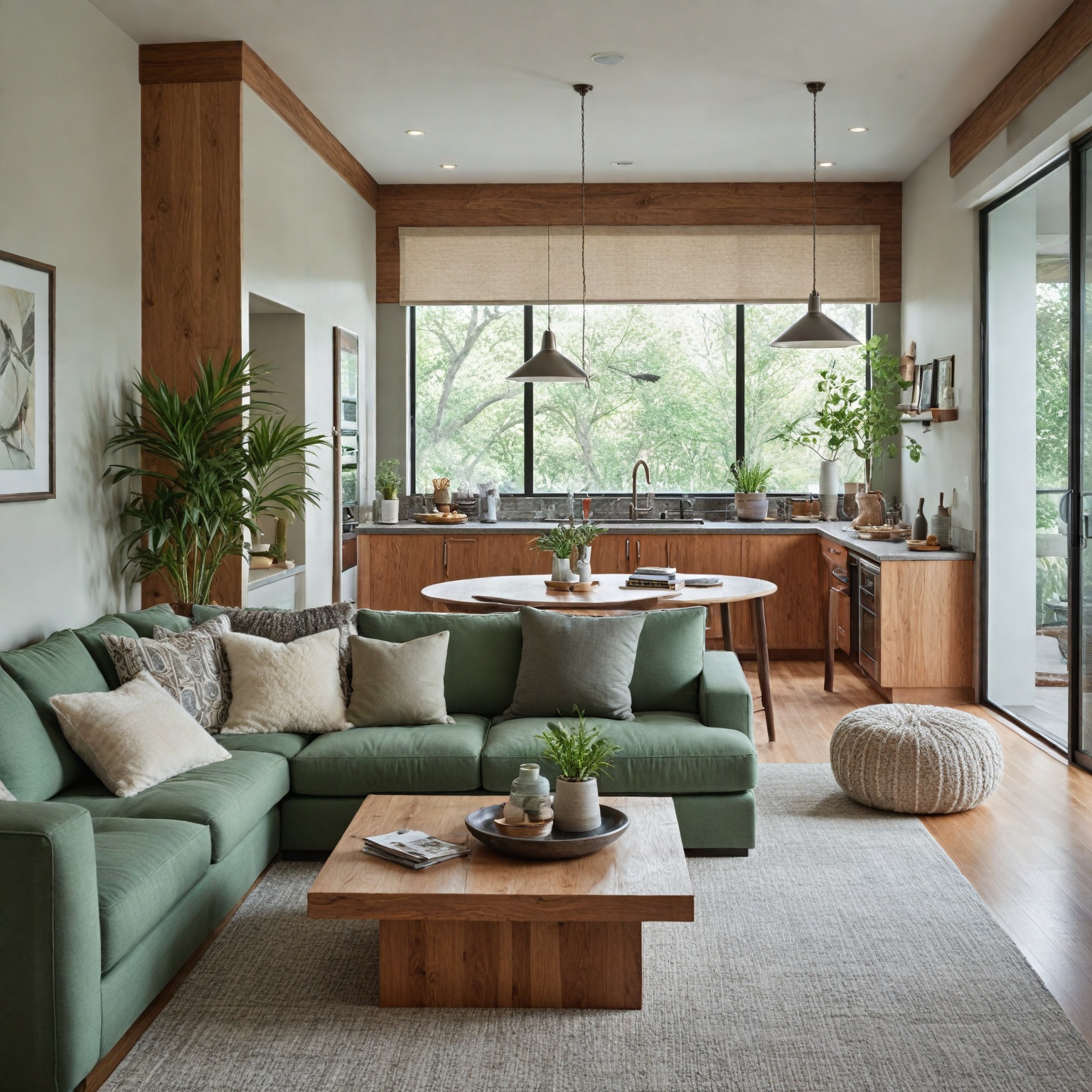
A central focus should be on spatial flow and layout optimization. Creating unobstructed pathways while selecting focal points, like furniture or artwork, helps maintain visual interest. Balance between aesthetic appeal and daily functionality should be strived for, as beautiful spaces must also serve their intended purpose effectively.
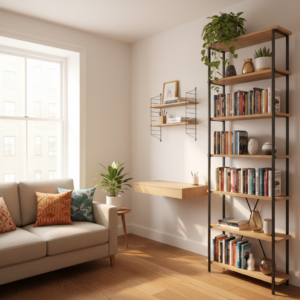
Lighting and storage solutions play pivotal roles in enhancing both aesthetics and functionality. Thoughtful lighting schemes can accent crucial design elements while integrated storage solutions maintain organization without detracting from style, offering maximal utility from the space.
Layout Considerations
Creating a functional layout is key in any renovation project. Developing scaled drawings beforehand allows homeowners to visualize furniture placements, preventing costly mistakes during execution. Consulting a trained professional can help refine these layouts, considering the unique nuances of each space.
An effective layout fosters practical flow and considers how residents naturally move through spaces. It’s important to manage traffic patterns while creating focal points that anchor design cohesion. For open-concept spaces, visual cues can define different areas without sacrificing the overall openness.
Ultimately, a thoughtful balance of practicality and aesthetics enriches the way a household interacts daily. Professional insight can optimize layouts, especially for bespoke projects or extensive remodels, guiding to refined floor plans that enhance usability.
Structural and Safety Considerations
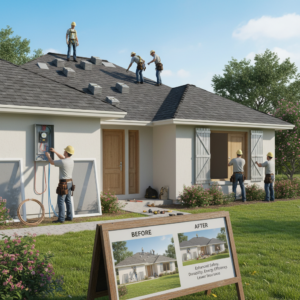
Recognizing and prioritizing structural and safety factors is critical in renovations, especially when modifying load-bearing elements. Tasks like relocating walls or altering foundations require collaboration with qualified contractors and engineers to ensure the home’s integrity remains intact.
Prior to structural modifications, defining renovation goals with a contractor lays a solid foundation for the design-build process. This phase must address not just visual elements but also essential safety considerations to avoid compromising the building’s stability.
Anticipating potential challenges, including hidden damages or outdated systems, can help mitigate risks during renovations. Employing comprehensive inspections alongside professional oversight will improve the likelihood of a smooth renovation experience. This preparation can also identify specific regulatory compliance issues early on, minimizing disruptions later.
Material and Finish Selection
Choosing materials and finishes influences both aesthetics and function within renovated spaces. Once preferences are established, collaborating with designers facilitates translating ideas into concrete applications. This choice should integrate considerations for layout and practicality while ensuring long-term usability.
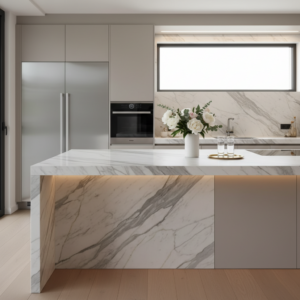
Clever combinations, such as butcherblock countertops paired with contrasting cabinetry, illustrate how aesthetics can enhance functionality within kitchen designs. Material selection should prioritize not just looks, but also ease of maintenance and durability over time to ensure lasting satisfaction with the renovation outcome.
Technology and Smart Home Integration
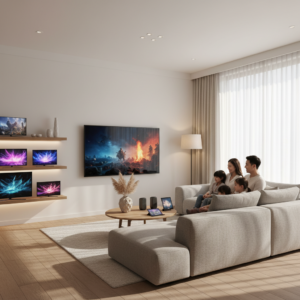
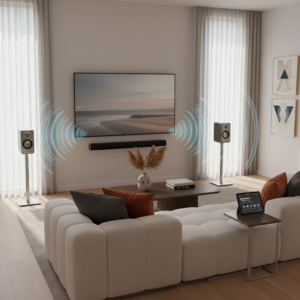
Integrating smart home technologies is becoming increasingly significant in home renovations. Features such as programmable thermostats and connected lighting not only enhance convenience but also contribute to improved energy efficiency. These systems allow homeowners to tailor their environments according to personal preferences easily.
Selecting technologies that harmonize with the renovation plan creates functional spaces that are energy-efficient and visually appealing. By thoughtfully integrating smart systems, a home can be transformed into a more comfortable and adaptable living environment that aligns with modern needs.
Collaboration and Project Management
Successful renovations demand effective collaboration with architects and designers, who contribute specialized knowledge. The foundation of this partnership hinges on understanding the homeowner’s lifestyle and budget, steering the project towards a cohesive, personalized outcome.
Architects ensure structural integrity, especially in heritage properties, while designers create inviting and practical interiors. Establishing clear communication channels facilitates smooth collaboration and clarifies project goals, timelines, and constraints, allowing all parties to work in unison.
Project management requires a meticulous approach to timelines and responsibilities. By defining roles early and integrating tools like digital planning methods, homeowners can visualize progress and maintain oversight. Flexibility to adapt plans in the face of challenges helps preserve both aesthetics and budget, ensuring a successful renovation experience.
The content is provided by Harper Eastwood, Home Upgrade News