Transforming Your Space
Transform Your Space: 6 Home Additions That Brightened Up the Entire House outlines effective strategies to enhance natural light and spatial quality at home. This article presents six impactful types of additions—sunrooms, skylights, room bump-outs, glass partitions, pop-up expansions, and sustainable features—that elevate aesthetics, functionality, and energy efficiency. Each option not only increases living space but creates uplifting environments that can also raise property value.
Benefits of Home Additions
Home additions address changing living needs due to milestones like growing families or accommodating guests. Beyond increasing square footage, these spaces allow for the integration of features that enhance comfort and efficiency, such as smart home technology and sustainable materials. Implementing daylighting techniques, like installing windows and skylights, not only beautifies interiors but also facilitates energy savings, thus long-term positive impacts on resale value.
Types of Home Additions
Additions intended to brighten a home focus on increasing natural light while providing seamless connections to outdoor spaces. Each type serves unique functional and aesthetic purposes.
Sunrooms and Conservatories
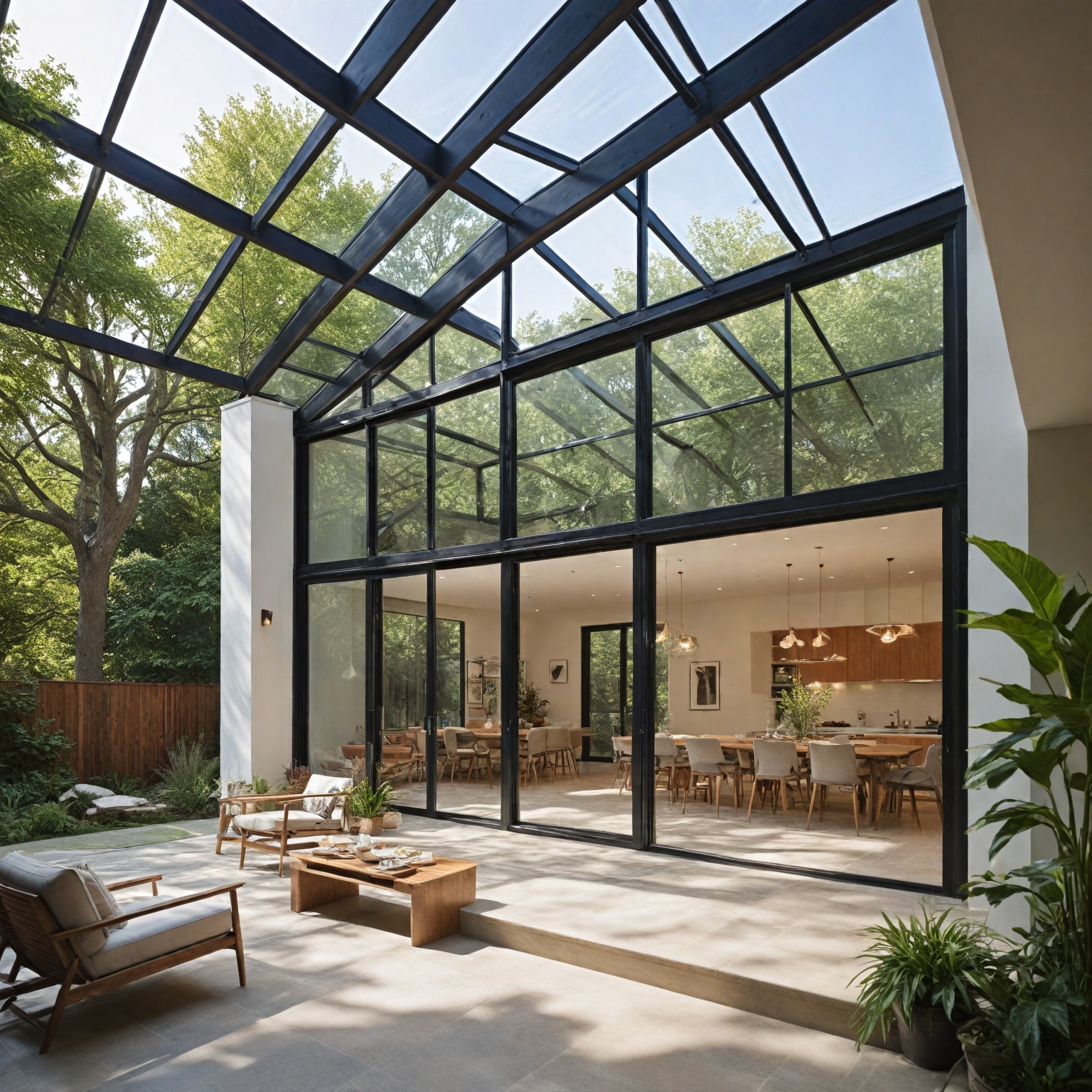
Sunrooms are designed for year-round comfort and enhanced natural lighting. Utilizing insulated glass panels in modern materials like steel and tempered glass ensures energy efficiency and durability. Historically modeled after Victorian conservatories, these spaces facilitate a connection with nature indoors.
Skylights
Skylights effectively illuminate darker areas of the home, such as bathrooms and hallways, by introducing overhead light. Their effectiveness depends on placement and orientation, with south-facing skylights offering the most consistent daylight. Modern options often include features for better temperature regulation.
Room Bump-Outs and First-Floor Additions
Room bump-outs expand existing spaces, allowing for larger windows and better daylight access. These additions use contemporary materials while respecting the original character of historic homes, helping them blend seamlessly into the existing architecture.
Glass Partitions and Open-Concept Expansions
Glass partitions in open-concept designs help maintain spatial separation yet encourage natural light flow throughout the home. This method fosters interconnected living spaces without compromising privacy, contributing to a bright and open feel.
Pop-Up Additions and Second-Floor Expansions
Raising roofs or adding upper stories increases living space vertically while enhancing light entry. Considerations around ceiling height and lighting integration ensure comfortable ambient conditions in these new spaces.
Sustainable and Energy-Efficient Features
In all additions, integrating eco-friendly materials and energy-efficient lighting is essential for reducing energy consumption. Features like low-emissivity coatings and adaptive artificial lighting complement natural daylight strategies, ensuring bright and comfortable interiors.
Daylighting Design Strategies
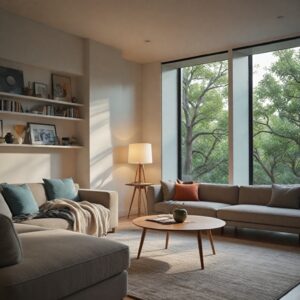
Daylighting maximizes the use of natural light through strategic architectural elements. This method involves considering orientation, climate, and design to ensure optimal energy efficiency and occupant comfort. Incorporating features like lightshelves and louvered systems directs light deeper into spaces, balancing benefits while minimizing glare.
Planning and Implementation
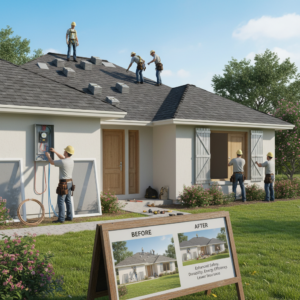
Effective home additions involve thorough planning to align design elements with the home’s existing structure and environment. Enclosing spaces like rear porches can maintain architectural integrity while enhancing light. Budgeting for these projects includes considering the overall costs of materials and installations, with a focus on energy-efficient options for lasting impact.
Maintenance of Bright Spaces
Regular upkeep is essential for maintaining the aesthetics and functionality of light-enhancing additions. For sunrooms, cleaning glass surfaces is key to preserving brightness, while skylights require consistent inspection to avoid leaks. Proper lighting installations further enhance the attractiveness of these spaces, appealing to potential buyers.
Integrating Lighting Design
A well-executed lighting design balances natural and artificial sources, reducing the need for electric lighting during the day while maintaining warmth during evenings. Utilizing lighter interior finishes effectively amplifies natural light, contributing to an expansive atmosphere. Layered lighting strategies combine various types—ambient, task, and accent—to ensure consistent brightness as natural light shifts. Technological advancements enhance control over lighting, optimizing energy efficiency.
Historical Context and Trends
The evolution of outdoor living and sunrooms reflects changing cultural values around home and leisure spaces. Modern interpretations of sunrooms draw on Victorian influences, merging indoor and outdoor aesthetics. Continuing trends favor these additions due to their versatility and improved functionality, sustaining their popularity in contemporary home design.
Real-World Applications
Case studies showcase successful implementations of natural light strategies in residential designs, highlighting features like tubular daylighting devices that enhance brightness without glare. Transforming traditional spaces into sunrooms that maximize light showcases the benefits of thoughtful design while broadening visual and physical connections to the outdoors.
The content is provided by Avery Redwood, Home Upgrade News