Key Trends Shaping Home Storage in 2026
The home storage landscape in 2026 is evolving to meet the increasing demand for stylish, functional, and sustainable solutions. Homeowners now prioritize multifunctional designs that maximize space efficiency while complementing modern aesthetics. As a shift from disposable furniture occurs, there’s a growing preference for durable pieces made from eco-friendly materials that promote wellness and environmental responsibility.
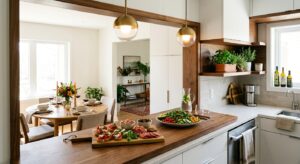
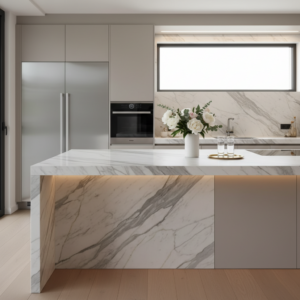
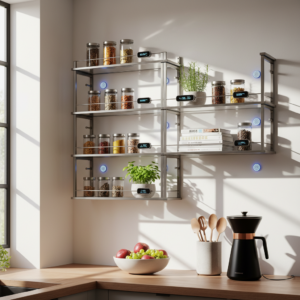
The rise of multifunctional furniture exemplifies this trend, with items that serve dual roles, such as seating and storage, catering to smaller living spaces. Alongside functionality, consumers are moving towards unique, visually interesting designs that incorporate warmth and character, steering away from the standardized all-white look. There’s also a noticeable preference for hidden storage solutions, which creates clutter-free environments that foster a sense of calm.
Sustainable Materials and Production Practices
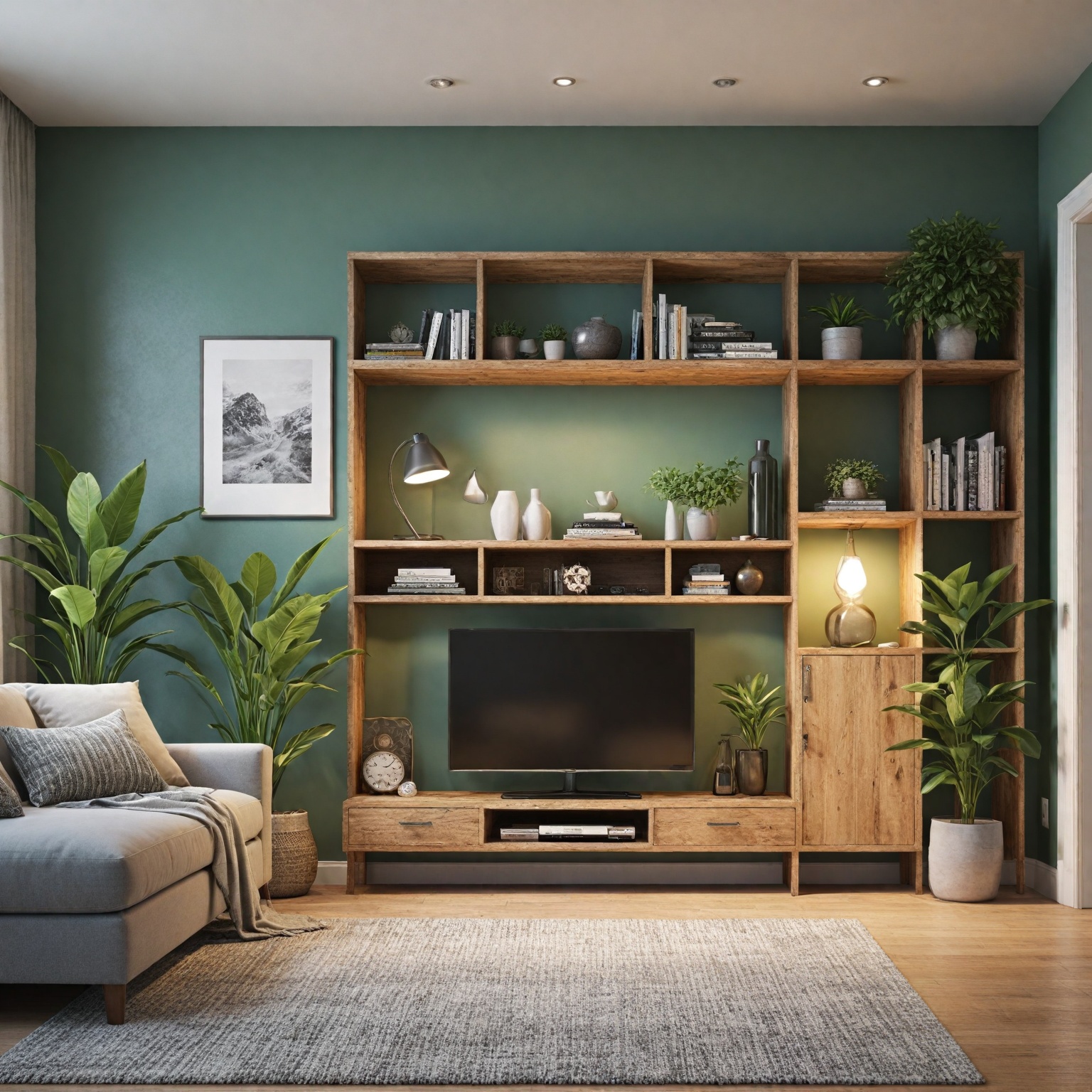
Innovative and sustainable materials are at the forefront of home storage design in 2026. Eco-friendly options, such as reclaimed wood and bamboo composites, are increasingly favored for their minimal environmental impact and unique visual appeal. Lightweight materials that balance strength and ease of handling are also becoming more common, meeting consumer demand for durable yet portable furniture.
The use of low-emission finishes ensures healthier indoor environments, especially in areas where clothing is stored. This aligns with the trend towards sustainable practices in furniture production, emphasizing transparency, modularity, and responsible sourcing. As consumers increasingly shop for products that reflect their values, these practices help fulfill the demand for eco-conscious choices.
Innovative Design and Ergonomics
Ergonomic considerations are becoming integral to home storage solutions, reflecting modern living’s emphasis on flexibility and adaptability. Customization allows consumers to tailor storage options to their specific needs, enhancing comfort and aesthetics. Multifunctional designs, like desks that transform into dining tables, have gained popularity, making it easier to optimize space while maintaining style and usability.
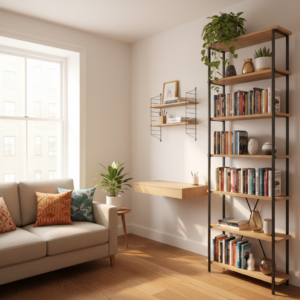
Vertical and modular designs, such as rolling carts or foldable units, further support space maximization, particularly in small homes. Ergonomic furniture is also evolving to include features like dynamic lumbar support, catering to the increasing number of individuals working from home and promoting inclusivity across various user needs.
Smart Technologies in Home Storage
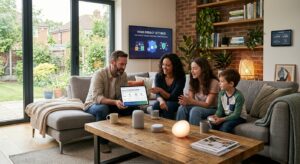
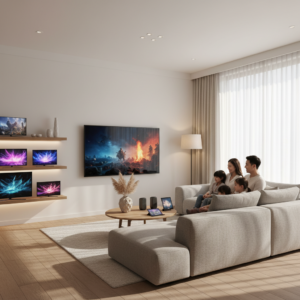
The integration of smart technology is revolutionizing home storage solutions, making them more user-friendly and efficient. AI-driven systems are simplifying home organization, allowing for automation of functions like lighting and security, which greatly enhance convenience. Smart technologies also enable detailed space mapping, helping homeowners optimize storage placement according to specific needs.
Interoperable home ecosystems, supported by standards such as Matter, ensure that devices work seamlessly together, enhancing the overall smart home experience. Developments in energy management, where AI systems predict usage patterns and optimize energy consumption, are also gaining traction, potentially leading to significant savings on utility costs.
Construction Techniques and Market Dynamics
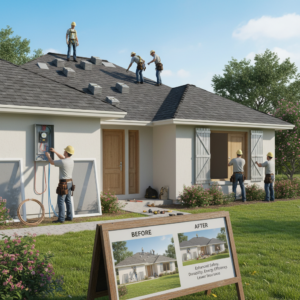
Efficient construction and assembly techniques are critical for the development of modern home storage. The shift towards pre-engineered structures allows for quicker assembly and reduced labor costs, catering to consumer demands for speed and affordability. Moreover, the trend towards fully assembled furniture further simplifies the home organization process, meeting the needs of buyers seeking convenience.
Market dynamics are increasingly influenced by consumer preferences for eco-friendly options and multifunctional designs. With a robust demand for storage solutions that reflect sustainability and adaptability, retailers need to align their offerings accordingly. This focus not only boosts sales potential but also fosters brand loyalty among environmentally conscious consumers.
Design Styles and Consumer Preferences
The aesthetic of home storage in 2026 is characterized by a blend of minimalism with natural elements that create inviting spaces. Earthy tones and textures are prevalent, promoting a connection to nature that enhances comfort and tranquility. This design ethos also incorporates playful color accents, which allow for personalization without overpowering the overall décor.
As trends move towards personalized and purposeful living, consumers are making more thoughtful selections in home organization. The prevailing strategy aims to enhance not just functionality but also emotional well-being, indicating a shift from mere decluttering to mindful ownership of home materials.
Future Outlook and Challenges Ahead
Despite the positive trends in home storage, challenges remain, particularly regarding technology adoption among smaller manufacturers. Ensuring universal compatibility across smart devices continues to be a key concern as the market evolves. At the same time, sustainability expectations are rising, pushing manufacturers to find ways to innovate while ensuring durability and functionality.
The future of home storage systems looks promising, with continued advancements in AI and smart home integration. As consumer demand for sustainable, stylish, and efficient solutions grows, collaborations between manufacturers and customers will be vital. This partnership will help address emerging needs and foster an innovative landscape where practicality and sustainability coexist harmoniously.
The content is provided by Blake Sterling, Home Upgrade News