Transform Your Space with Smart Shelving
Smart shelving systems are gaining popularity for optimizing storage in various environments like pantries, kitchens, and garages. They incorporate advanced materials and integrated technologies such as sensors and IoT connectivity to improve space utilization and simplify inventory management. By addressing common storage challenges, smart shelving offers customizable solutions that are both functional and visually appealing.
Benefits of Smart Shelving Systems
Utilizing smart shelving enhances storage efficiency and organization across various settings. Space-saving designs, like modular and multi-level shelving, maximize vertical space, allowing easier access to frequently used items. In commercial applications, features like weight sensors and IoT connectivity help automate stock tracking and replenishment, reducing labor costs and improving inventory accuracy.
Types of Smart Shelving
Smart shelving systems vary widely in design to enhance accessibility and user experience. Automated and modular shelving provides flexibility in configuration, accommodating diverse needs. Boltless shelving, constructed with high-strength materials, offers durability and customization, while pull-out drawers improve organization and accessibility in residential kitchens.
Advanced Features
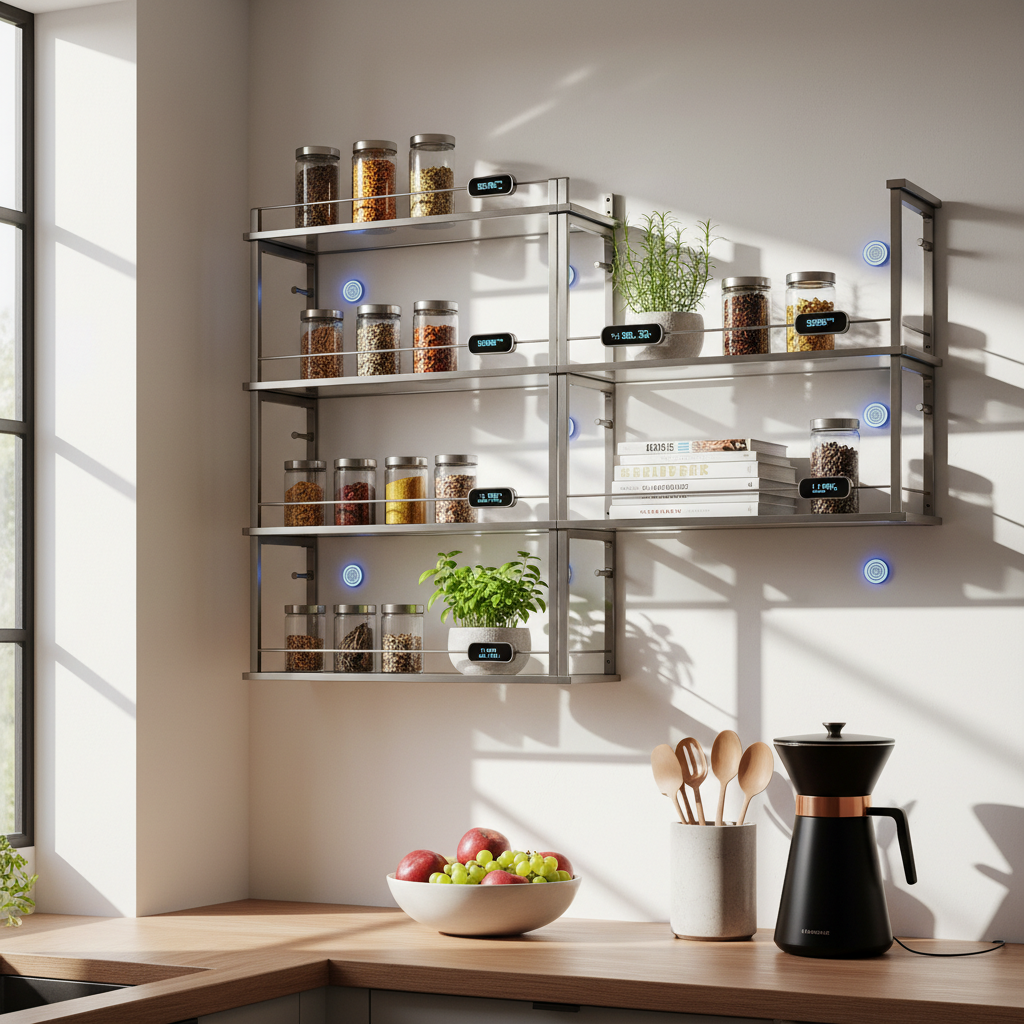
Electronic shelf labels and smart lighting in these systems enhance usability. ESLs aid in product location and layout optimization, while integrated lighting solutions improve ambiance and visibility, particularly in kitchens. Over-the-door and multi-level shelving maximize storage areas effectively without overcrowding.
Applications in Different Areas
Smart shelving adapts well to specific needs across various environments. In pantries, multi-level shelving with adjustable heights maximizes available space, while pull-out drawers enhance access to bulk items. For kitchens, smart shelving streamlines workflow with dedicated spaces for appliances and effective organization solutions. In garages, robust shelving supports heavy items, helping keep spaces organized.
Materials and Design Considerations
Choosing the right materials and design features is crucial for ensuring durability and functionality. Wood, metal, and engineered plastics offer various advantages depending on context. Sustainable options like bamboo are increasingly popular, aligning with eco-conscious trends while maintaining aesthetic appeal. Design elements, such as adjustable shelves, offer versatility in spacing and storage configuration.
Installation and Maintenance
Proper installation is vital for the stability and longevity of shelving systems, along with ongoing maintenance to ensure safety standards are met. Many systems are designed for easier installation, allowing one person to set them up effectively. Regular inspections help detect any issues early, maintaining an efficient storage system.
Innovative Technologies
Smart shelving systems integrate technologies like weight sensors, RFID, and IoT connectivity to enable real-time inventory management and enhance the user experience. These systems monitor stock levels and automate replenishment, making operations more efficient. User interactions can be facilitated through mobile devices, fostering engagement and personalized experiences.
Practical Implementations and Case Studies
Smart shelving solutions have been successfully implemented in various settings, showcasing their adaptability to different organizational challenges. Retail environments utilize advanced monitoring technologies for inventory management, while residential applications focus on maximizing space and improving organization in kitchens and pantries. These implementations highlight the practical benefits of smart shelving systems in improving efficiency.
Cost and Budgeting Considerations
When evaluating smart shelving systems, it’s essential to consider ongoing costs along with the initial investment. Features like automated replenishment can lead to long-term savings through reduced labor costs. While custom solutions might involve higher upfront expenses, they often result in better long-term functionality and satisfaction.
Future Trends
The future of smart shelving is influenced by advancements in technology and sustainability. Increased integration with smart home ecosystems is expected, simplifying device management. The focus on eco-friendly materials and user-centric designs will likely shape product development, ensuring that smart shelving remains both functional and aesthetically pleasing as it evolves.
The content is provided by Harper Eastwood, Home Upgrade News