Summary
Bathroom design in 2026 merges innovation with sustainability and wellness, catering to a demand for both beauty and functionality. Smart technologies enhance hygiene and convenience while eco-friendly materials minimize environmental impact, creating personal sanctuaries that prioritize comfort. High-demand features include water-saving fixtures and energy-efficient lighting integrated with smart home systems, achieving a balance of luxury and eco-consciousness.
Key Design Trends for 2026
Design trends highlight the importance of wellness, functionality, and sustainability. Water-saving fixtures and recycled materials showcase a commitment to responsible design without sacrificing aesthetics. Layered lighting and organic elements create inviting spaces, while technology enhances bathroom experiences, reinforcing a spa-like atmosphere that merges comfort with modern needs.
Smart Bathroom Fixtures
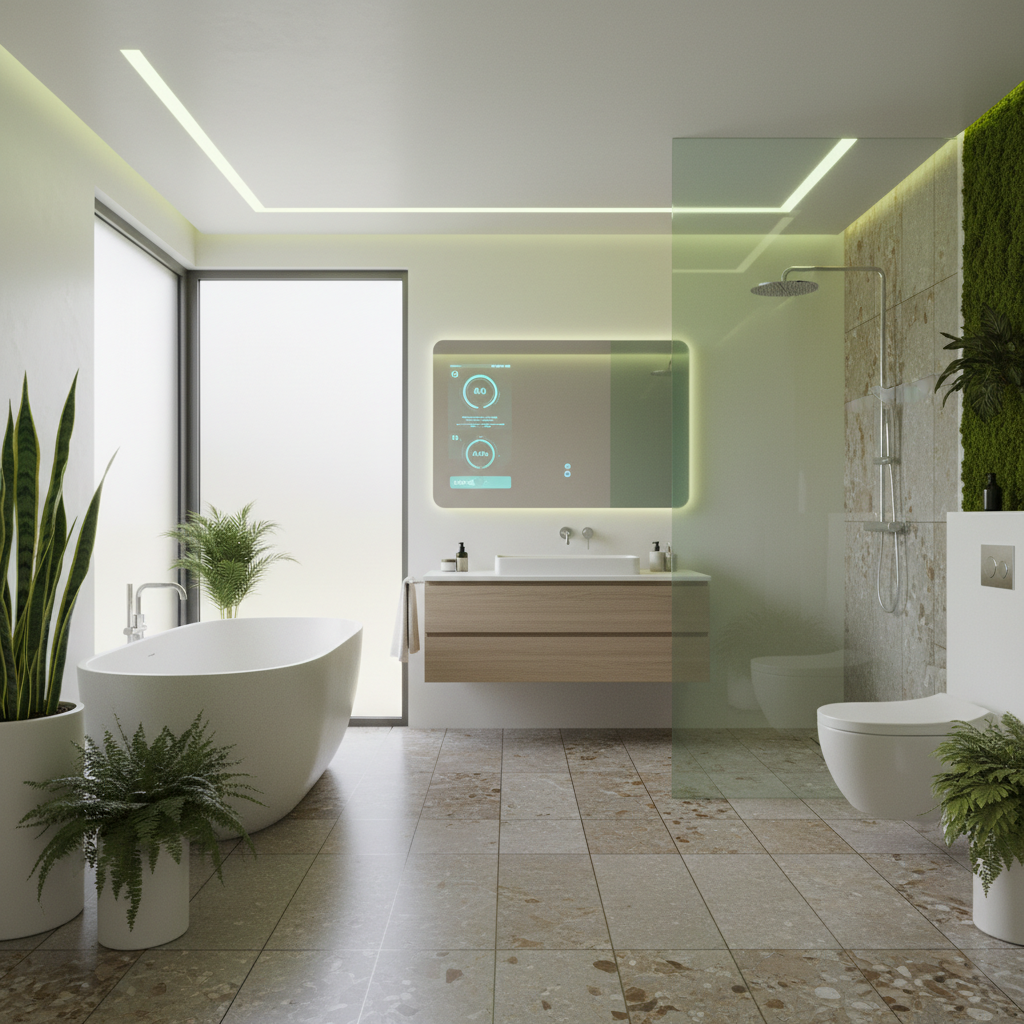
The rise of smart bathroom fixtures redefines user experience through convenience and hygiene. Innovations such as smart mirrors with interactive features improve functionality, while voice-activated systems enhance accessibility. These products not only promote cleanliness but also integrate with IoT technologies for improved monitoring and efficiency, addressing current demands for both performance and user comfort.
Minimalist and Functional Design
Minimalist designs focus on simplicity and durability, emphasizing clean lines and natural materials for a calming atmosphere. This approach prioritizes functionality, featuring water-efficient fixtures that reduce consumption while maintaining comfort. Thoughtful use of neutral tones enhances visual harmony and invites personalization, making the space feel intentional and welcoming.
Biophilic and Natural Elements
Biophilic design emphasizes a connection to nature, with the integration of organic materials like wood and stone creating a warm, inviting space. Earthy color palettes reinforce a tranquil atmosphere, while the use of sustainable materials enhances both the visual appeal and environmental responsibility of the bathroom. This natural integration promotes overall wellness in daily routines.
Vintage and Retro Styles
Vintage and retro designs bring playfulness back into bathrooms through colorful fixtures and classic metallic finishes. This trend merges nostalgic charm with contemporary aesthetics, creating inviting spaces that reflect personal style. Thoughtfully chosen accents like floral wallpaper and sculptural stone elements reinforce an elegant, curated atmosphere while updating traditional designs.
Spa-Inspired Bathrooms
Spa-inspired bathrooms prioritize personal wellness, transforming practical spaces into serene retreats. Features such as walk-in showers and soaking tubs enhance relaxation, supported by thoughtfully selected organic materials and calming color schemes. Sustainable choices in fixtures and smart technology further enhance comfort, promoting a rejuvenating environment that aligns with the growing emphasis on self-care.
Bold Colors and Patterns
Bold colors and unique tile patterns are emerging as focal points in bathroom design, adding vibrancy and personality. Warm hues and creative layouts redefine spaces, making them more dynamic and inviting. This trend enables homeowners to express individuality while maintaining a cohesive, tasteful aesthetic through the integration of traditional elements and modern colors.
Sustainable and Eco-Friendly Materials
Sustainability stands at the core of modern bathroom design, emphasizing the use of eco-friendly materials and water-saving technologies. Recycled and responsibly sourced options are becoming standard, with a focus on products that support environmental consciousness. This trend not only enhances the beauty of bathrooms but also caters to increasing consumer demand for durability and ecological awareness.
Customizable and Modular Solutions
Customization and modularity in bathroom design allow for personalized spaces that evolve with individual needs. Modular components enhance usability and adaptability, supporting future changes in lifestyle. Smart technology integration facilitates seamless adaptability, providing homeowners flexibility to upgrade and adapt their environments without extensive remodeling.
Water-Saving Fixtures and Energy-Efficient Appliances
Incorporating water-saving fixtures and energy-efficient appliances is essential for modern bathroom design, reflecting a commitment to sustainability. Smart technologies, including touchless faucets and advanced waste management systems, optimize resource use without compromising comfort. These innovations not only enhance user experience but also reduce utility costs over time.
Innovative Layout and Spatial Design
2026 bathroom designs embrace innovative spatial layouts that enhance both function and visual appeal. Unique tile patterns and large-format surfaces contribute to a luxurious appearance while minimizing maintenance. Open-concept designs promote fluidity, making spaces feel larger, inviting a serene atmosphere conducive to relaxation and comfort.
Implementation Considerations
When updating a bathroom, carefully assess individual needs for technology and design. Prioritize long-term benefits and eco-friendly choices for enduring value while ensuring user-friendliness in selected devices. Planning with future growth in mind enhances adaptability, allowing for seamless integration of new technologies as they become available.
Future Outlook
The future of bathroom design features interconnected environments that seamlessly blend luxury, wellness, and sustainability through advanced smart technology. Enhanced connectivity will support personalized experiences tailored to individual health metrics and preferences, while maintaining focus on environmental responsibility and style. This growing trend toward eco-consciousness and technology-driven convenience will redefine modern living spaces.
The content is provided by Blake Sterling, Home Upgrade News