Summary
Determining when to pursue a full home renovation can be challenging for homeowners. Identifying clear signs such as significant structural damage, failing systems, and outdated layouts is essential; these indicate that minor repairs are insufficient. Additionally, understanding the implications of renovations on property value can help prioritize and strategize renovation efforts effectively, safeguarding investment and enhancing living standards.
Signs You Need a Full Renovation
Recognizing when your home requires a complete renovation over minor repairs is crucial. Notable signs include deteriorating flooring, which often hints at structural or maintenance issues. If you see cracks in walls or sagging ceilings, these typically indicate deeper problems, necessitating a professional evaluation to address foundation or framework concerns.
Systemic failures in electrical, plumbing, and HVAC systems signal the need for upgrades as well. Issues such as flickering lights or low water pressure suggest inefficiencies that can be more effectively resolved through comprehensive renovations, preventing repetitive disruptions. Moreover, recurring water leaks and musty odors demand attention, as they can compromise structural integrity over time.
Layouts that feel cramped or outdated may also benefit from a remodel. Aesthetic improvements are often insufficient when modern functionality is lacking; redesigning spaces can enhance overall usability. Deferred maintenance adds to the urgency; seemingly minor issues can escalate and negatively impact property value, making early intervention essential.
Market Appraisal and Resale Impact
The effect of renovations on market appraisal and resale value is significant but varies by project. Structural integrity is paramount; unresolved foundational issues can deter prospective buyers and diminish property values. By proactively addressing these concerns, homeowners can enhance marketability and maintain homeowner equity.
Furthermore, renovations should consider the current market standards. An updated aesthetic—such as fresh paint and modern fixtures—can greatly improve perceived value. Weighing ongoing repair costs against potential upgrades is essential, as comprehensive renovations often yield savings and increased efficiency, appealing to appraisers and buyers alike.
Benefits of a Full Renovation
A full renovation provides several long-term advantages beyond aesthetics. Addressing hidden structural issues early is vital for safety and value preservation. Engaging professionals to assess and repair existing problems enhances the home’s integrity, making it more resilient and market-ready.
Financially, renovations can reduce long-term maintenance costs and enhance energy efficiency, which is often more cost-effective than ongoing repairs. Thorough documentation of renovation processes supports future sales and insurance claims, underscoring the investment’s legitimacy.
Safety upgrades, including modernizing electrical and plumbing systems, reduce future risk and enhance longevity. Thoughtful interior design that harmonizes with modern trends also boosts comfort, functionality, and overall appeal, attracting potential buyers and contributing to resale value.
Planning and Preparation for a Full Renovation
Effective planning is crucial for a successful renovation. This includes defining project goals and assembling the necessary team, ensuring alignment with your objectives. Early collaboration helps translate ideas into actionable plans, minimizing costly changes during construction.
Conducting structural inspections prior to work commencement is equally important. These evaluations can identify hidden safety hazards that require attention, contributing to the project’s overall success. Keeping a detailed list of essential features also helps maintain budgetary control and project focus.
Phases of a Full Home Renovation
A structured renovation project generally consists of phases: planning, budgeting, demolition, construction, and cleanup. Each phase is critical for success, ensuring projects remain on track to meet homeowners’ goals.
Planning and Contractor Selection
During the planning phase, defining the renovation scope and selecting the right contractor or design-build team is essential. Gathering multiple quotes enables informed decisions and helps establish a budget that aligns with project expectations. Engaging the necessary professionals early ensures compliance with safety codes and optimizes material choices.
Budgeting and Preparation
Budgeting helps align financial resources with renovation goals. Cost-saving measures, including DIY demolition work, can be beneficial, allowing reinvestment in higher-quality finishes. Protecting existing home features before demolition also minimizes damage and helps maintain a clean work environment.
Demolition and Construction
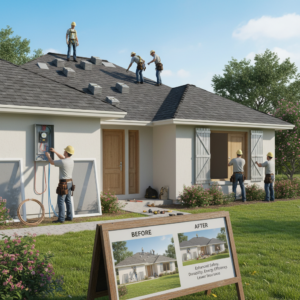
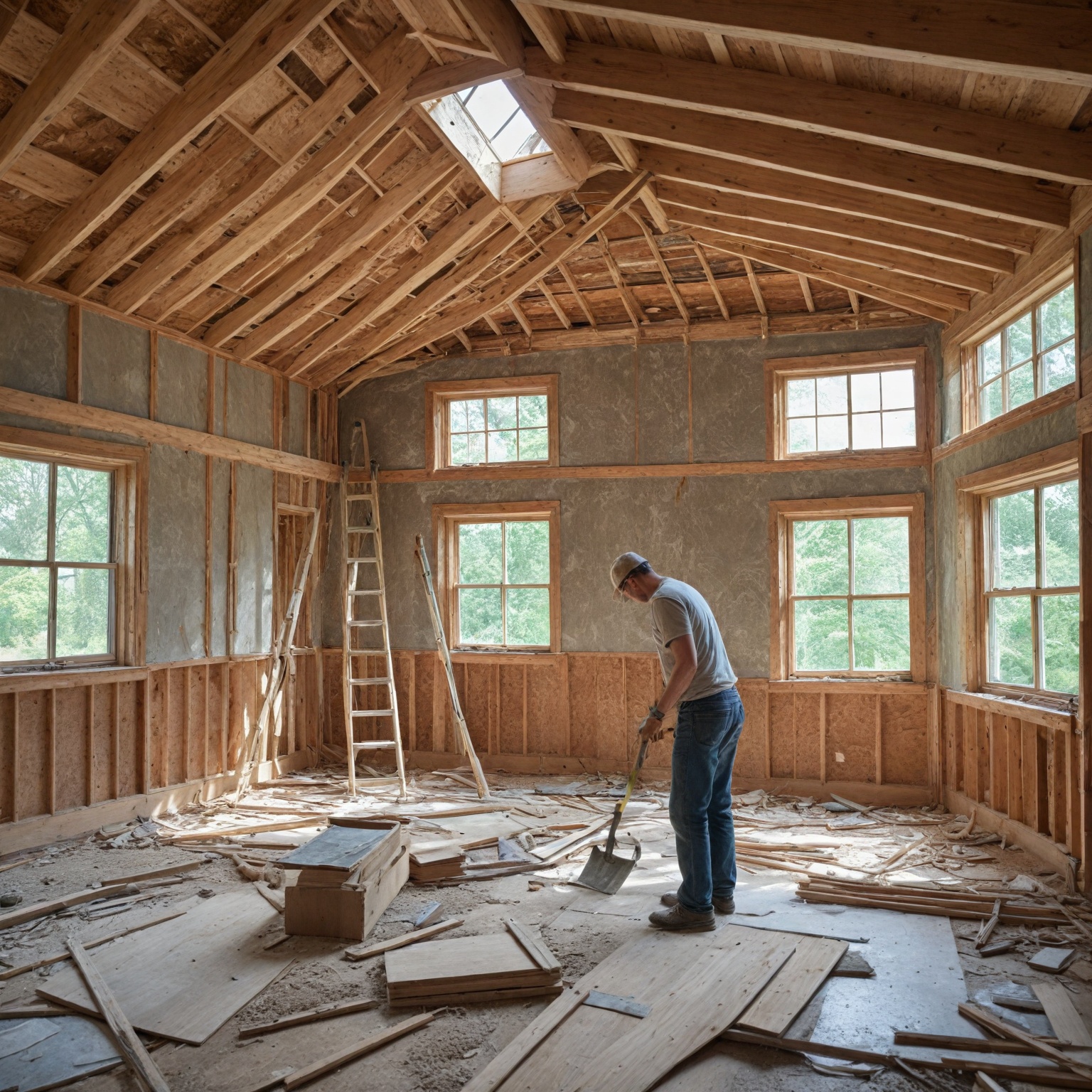
Demolition marks the project’s physical start, requiring careful handling to avoid damage to hidden structures. Following this, construction focuses on repairing any underlying issues while modernizing systems to enhance functionality.
Cleanup and Finishing Touches
The final phase involves thorough site cleaning to prepare for finishing tasks like painting and trim work. Maintaining organized documentation throughout the renovation aids in supporting future appraisals and ensures transparency during resale.
Materials and Tools for Full Renovations
Choosing the right materials is vital for durability and aesthetics. Wood products are often favored for construction and cabinetry, while durable flooring like hardwood or porcelain tile is ideal for moisture-prone areas. Investing in high-quality windows and doors enhances energy efficiency.
When it comes to tools, a reciprocating saw is invaluable for various cutting tasks, while demolition can be undertaken to save costs. Be sure to protect your home during this process to mitigate risk.
Tools like drain snakes assist with plumbing needs, while pressure washers prepare surfaces efficiently for new finishes.
The content is provided by Harper Eastwood, Home Upgrade News