
Summary
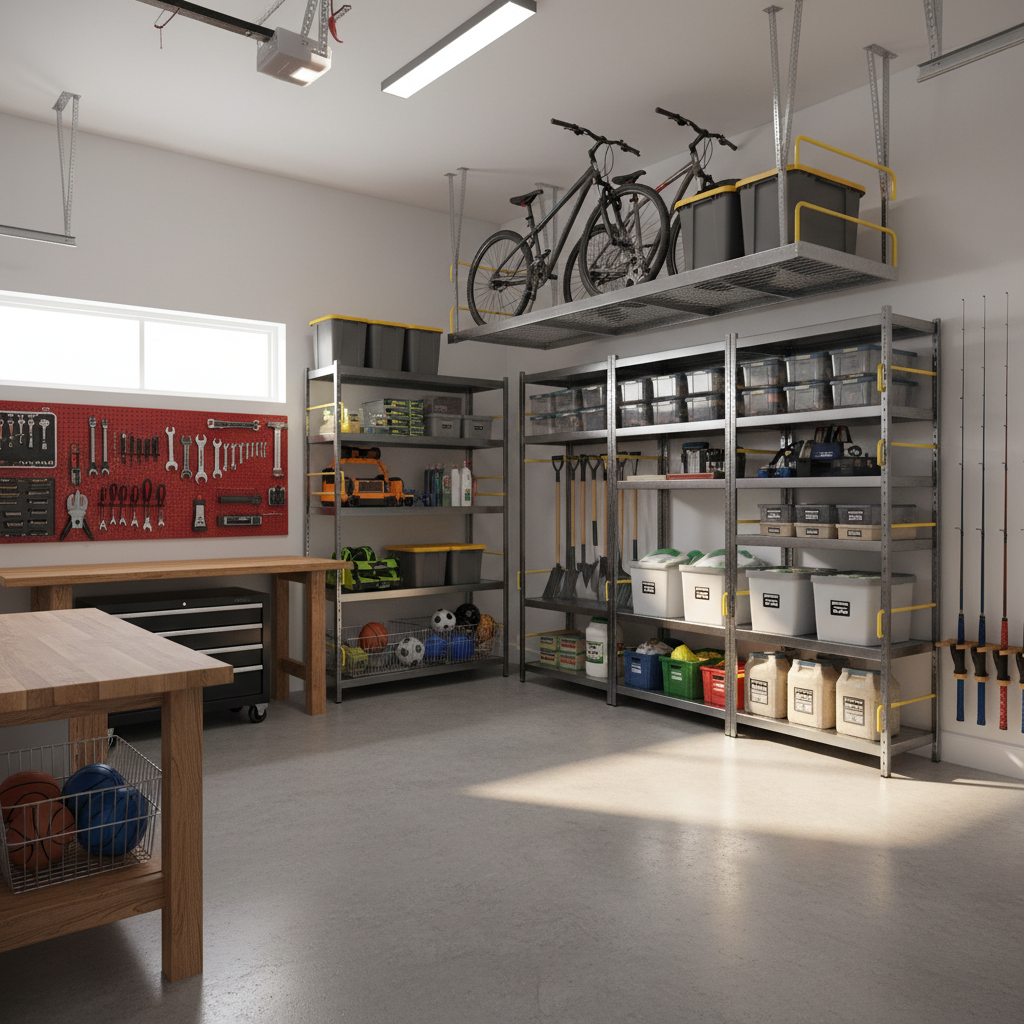
This article outlines effective storage options to upgrade your garage, focusing on heavy-duty shelving systems designed for organization, space maximization, and safety. It explores shelving types—wall-mounted, freestanding, and ceiling-mounted—along with the materials, installation options, and design strategies crucial for a functional garage. Emphasizing safety features like anti-fall rails and strong materials such as industrial-grade steel, it guides you to tailor storage solutions based on your unique garage items and conditions.
Benefits of Upgrading Garage Storage
Enhancing your garage storage brings significant safety and functionality benefits. Anti-fall safety rails prevent accidents by securely holding heavy tools and equipment, essential for maintaining accessibility in busy environments. Modern shelving offers modular designs that adapt to changing storage needs, allowing for future expansions without costly overhauls, transforming a cluttered garage into an organized workspace.
Choosing high-quality, durable storage solutions not only improves reliability and safety but also maximizes usable space. By integrating well-designed cabinets and shelves, you can create a more efficient area for everyday tasks and specialized projects.
Common Garage Storage Items Requiring Heavy-Duty Solutions
Key items stored in garages often require robust storage solutions. These include heavy power tools, large toolboxes, and bulky items like cases of water and paint cans. Implementing heavy-duty hooks and freestanding cabinets can effectively organize these essentials while maintaining accessibility.
Further, effective use of wall-mounted and overhead racks can efficiently manage sports gear and seasonal decorations, ensuring that frequently used items are both easily accessible and safely stored.
Types of Shelving Solutions
When organizing your garage, consider three main types of shelving: wall-mounted, freestanding, and ceiling-mounted units, each serving different needs based on your space and items. Wall-mounted shelves maximize vertical space, while freestanding shelves offer mobility without installation fuss. Ceiling-mounted options effectively utilize overhead space for seasonal or less frequently used items.
Material Considerations
The material of your shelving significantly impacts its durability and functionality. Steel is the strongest choice, ideal for heavy loads and resistant to moisture. Aluminum is lighter but less heavy-duty, while wood provides aesthetic appeal but requires more maintenance against humidity. Plastic shelving offers lightweight convenience but generally has lower load capacity, making it suitable for lighter, less frequently accessed items.
Design Features Enhancing Load Capacity and Safety
Heavy-duty shelving includes features like anti-fall safety rails to prevent accidents from falling items. Steel units, capable of supporting substantial loads, often include bracing for added strength and durability. Certifications such as ISO 3834 ensure structural integrity and safety, especially important for commercial applications that handle heavy materials.
Effective Layout and Organizational Strategies
To efficiently organize your garage, start with a layout plan and consider vertical storage options like wall-mounted racks and ceiling shelves. Using adjustable shelving and labeling containers can enhance accessibility and organization. Additionally, positioning frequently used items at eye level increases safety and convenience, while maintaining clean and open floor space contributes to the overall efficiency of the area.
Installation of Heavy-Duty Garage Shelving
Installing heavy-duty shelving can be straightforward, especially for DIY-friendly freestanding units. If choosing wall-mounted options, ensuring proper installation is essential for safety and functionality. Gather necessary tools and follow manufacturer guidelines closely to secure a safe and level setup.
Safety Standards and Certifications
Safety certifications are crucial for ensuring your garage shelving meets required safety and performance standards. These certifications reassure users that products have undergone rigorous testing. Industry certifications like those from DASMA or ISO indicate adherence to safety protocols, ensuring reliability in heavy-duty storage solutions.
Maintenance and Upkeep
Regular maintenance is key to prolonging the lifespan of garage shelving. Inspect for signs of wear and distribute heavy items evenly to prevent structural issues. Choosing durable materials suited to your garage environment contributes to long-term reliability, while flexible shelving systems allow adjustments for changing storage needs.
Popular Brands and Products
Choosing reliable brands can enhance your garage organization experience. Options like REIBII and VEVOR offer heavy-duty shelving with impressive load capacities tailored to various storage demands. Storage cabinets like the Premium One ensure enclosed, secure storage of larger items, while modular systems provide flexibility for reconfiguration as your storage requirements evolve.
Cost Considerations: DIY vs. Professional Installation
Deciding between DIY and professional shelving installation involves weighing costs and your skill level. While DIY can save money, using lower-quality materials may lead to higher long-term expenses. Professional installation offers peace of mind through safe, efficient assembly, ensuring you get the most out of your heavy-duty shelving investment.
The content is provided by Harper Eastwood, Home Upgrade News