Summary
Transform Your Home: 5 Clever Basement Ideas to Maximize Living Space offers homeowners practical strategies for effectively converting basements into usable living areas. As housing costs rise, many look to basement renovations as a cost-effective alternative to moving or home extensions. The article emphasizes various design solutions while addressing challenges like moisture control and structural integrity, providing insights on enhancing living spaces while ensuring compliance with safety codes.
Benefits of Maximizing Basement Living Space
Converting a basement into a living area expands usable space without the costs of home additions. This renovation is especially useful for families needing additional rooms, offering financial benefits in high-cost housing markets. These transformations can increase property value significantly, providing versatile spaces that appeal to various needs, such as home offices or entertainment areas.
Planning and Preparatory Steps for Basement Conversion
Start by defining the purpose of your basement transformation to guide design and layout choices. Conduct a thorough assessment of the existing structure, identifying any issues that could affect the renovation, such as moisture or foundation problems. Engaging professionals, such as structural engineers, is critical for compliance with building codes and obtaining necessary permits.
Waterproofing strategies are essential to mitigate moisture issues, combining exterior and interior solutions to safeguard the space. Proper insulation further enhances comfort and energy efficiency, so select moisture-resistant materials to prevent future damage. Additionally, plan for adequate lighting, ventilation, and egress to ensure safety and livability within the new space.
Key Structural Elements in Basement Conversion
Assessing existing structural elements, like the foundation, is vital when considering a basement conversion. This process may include reinforcing foundations and installing support beams to accommodate planned renovations while ensuring safety and compliance with local regulations. Working with engineering professionals helps ensure that the structure can handle any modifications without compromising integrity.
Waterproofing and adequate drainage are fundamental to maintaining a dry basement environment. Implementing effective drainage systems and using waterproof materials not only safeguards against moisture damage but also helps fulfill safety requirements, like the installation of egress windows necessary for habitable spaces.
Design Challenges and Solutions for Basement Living Spaces
Addressing common challenges such as moisture, low ceilings, and limited natural light is crucial when designing basement spaces. Effective moisture control systems can prevent issues related to dampness, while structural enhancements can maximize headroom and visual appeal. Thoughtfully planned lighting can alleviate the feelings of darkness often associated with basements.
Using multi-functional furniture and strategic layouts to define zones can enhance usability while maintaining openness. Incorporating storage solutions that utilize vertical space can keep areas tidy and enhance overall functionality.
Five Clever Basement Ideas to Maximize Living Space
Transform your basement effectively with these five innovative ideas to enhance its comfort and functionality.
1. Utilize Flexible, Multi-Purpose Furniture
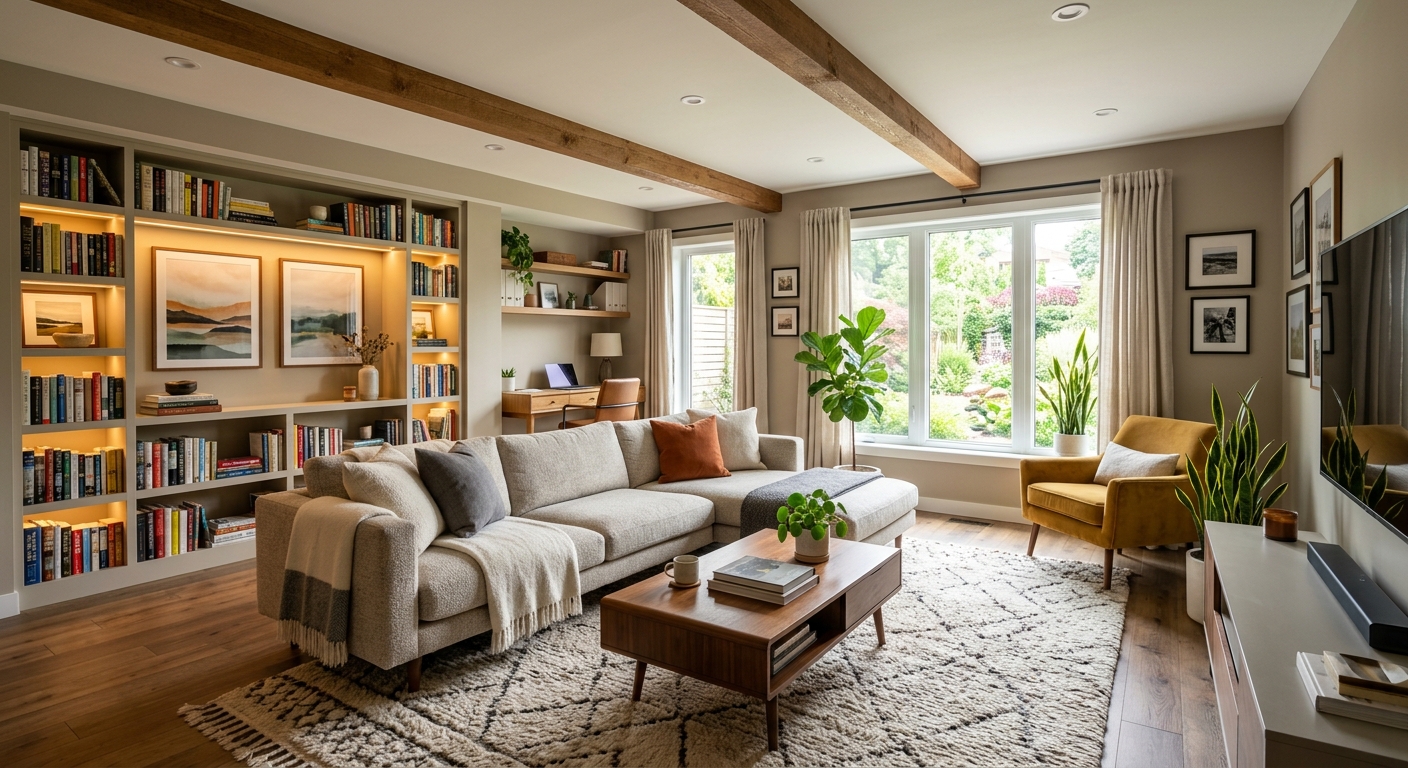
In limited spaces, furniture should serve multiple purposes to optimize area use. Opt for low-profile sectional sofas and versatile items like nesting tables and storage ottomans to maximize seating and storage. These designs help maintain open sightlines, creating a more inviting environment.
2. Maximize Vertical Storage and Organization
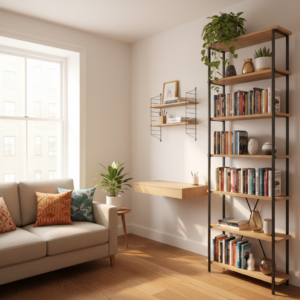
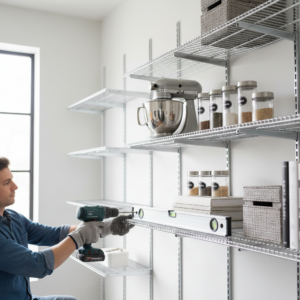
Implementing vertical storage solutions, such as wall-mounted shelves and tall bookcases, is essential for maintaining order without taking up floor space. Dedicated storage zones can help manage clutter effectively, allowing for a tidier living area.
3. Enhance Lighting for a Bright, Inviting Atmosphere
Strategic lighting design can significantly improve the basement’s ambiance. Incorporate recessed lights and layered lighting sources to create warmth and enhance visibility. Selecting light colors for walls can further reflect light, making the space feel expansive and welcoming.
4. Define Functional Zones Without Walls
Establish functional areas using design elements like rugs and lighting, which can help delineate spaces without closing off the environment. This approach maximizes versatility and can adapt to different needs easily.
5. Incorporate Built-In Features and Creative Layouts
Built-in seating and clever furniture layouts can optimize every inch of the basement. Features like floating shelves keep the area organized and visually appealing, while textured materials add warmth and character. These design choices enhance both utility and style.
Practical Basement Design Ideas to Address Common Challenges
Effectively dealing with moisture, limited light, and structural constraints can transform a basement from a neglected area into a valuable part of the home. Assessing ceiling height and planning for structural reinforcements can improve space functionality while complying with local regulations.
Creative lighting solutions can counteract the typical darkness of basements, making the space feel more airy. Additionally, selecting moisture-resistant materials is essential to maintain durability and comfort over time.
Furniture and Layout Strategies for Basements
Choosing the right furniture and planning an effective layout are crucial. Low-profile furniture can help keep the space feeling open, and mid-century modern styles work well in tight areas. Utilizing vertical storage solutions can alleviate clutter while optimizing usability.
Lighting is important to enhance the atmosphere and function of the space. Multiple light sources, along with mirrors, can help create a brighter visual effect. Clever layouts are essential to ensure every area serves its purpose without feeling cramped.
Flooring Options Suitable for Basements
Selecting moisture-resistant flooring is key to preserving the basement area. Options like Luxury Vinyl Plank (LVP) or rubber flooring provide durability and ease of maintenance while standing up to moisture challenges.
Avoid using organic materials like hardwood and fiberboard, which absorb moisture and could lead to structural issues. For a carpet choice, look for specialized systems that utilize moisture-wicking technology to combat dampness.
Tips for a Successful Basement Renovation
A successful renovation hinges on thorough planning and budgeting. Initial assessments for water damage and structural issues are necessary to avoid future complications. Involving a structural engineer can ensure all changes comply with safety regulations.
Create a realistic budget, allowing for unexpected expenses and securing necessary permits to avoid delays. Working with professionals for complex tasks will enhance safety and quality outcomes throughout the project.
Maintenance and Upkeep of Finished Basements
Maintaining finished basements is crucial for their longevity and safety. Regularly inspect waterproofing measures and structural integrity to mitigate moisture risks. Flooring choices, like rubber, simplify maintenance by providing durability and easy cleaning.
Routine checks on systems like plumbing and electrical are important to ensure ongoing safety. Choosing practical and durable furnishings will facilitate easier cleaning and access for repairs, prolonging the life of the space.
The content is provided by Blake Sterling, Home Upgrade News