Summary
Dining room lighting is crucial in creating a desired atmosphere and functionality. From traditional candlelight to modern LED systems, how you illuminate your dining space impacts mood and social interactions. Careful selection can enhance taste perception and comfort, while also addressing the aesthetic and practical role of lighting fixtures.
Historical Development of Dining Room Lighting
Over time, dining room lighting has reflected technological advancements and evolving design trends. The introduction of electric lighting shifted ambience and safety, gradually replacing gas and candles in urban settings. As styles progressed through the 20th century, influences such as Art Deco and Mid-Century Modern shaped fixture designs, with a focus on both function and aesthetics.
Cultural and Regional Variations
Dining space lighting varies significantly across cultures, reflecting local customs and aesthetics. In North America, distinctive styles like Mission and Prairie lighting have roots in the Arts and Crafts movement, while urban restaurants in the 19th century showcased elaborate decor to signify social distinctions. This cultural diversity illustrates how lighting not only serves a functional purpose but also embodies regional identity.
Types of Dining Room Lighting and Their Effects
Different types of lighting—ambient, functional, and accent—play specific roles in enhancing a dining room’s atmosphere and usability. Ambient lighting sets the overall brightness, while functional lighting focuses on activities like dining. Accent lighting highlights specific architectural features or artwork, contributing to the depth of the design.
Layered Lighting Approach
Combining these lighting types creates a layered effect, allowing for flexibility depending on the occasion. This versatility can accommodate varying dining experiences, from lively brunches to intimate dinner settings, effectively enhancing both mood and functionality.
Common Lighting Fixtures and Their Characteristics
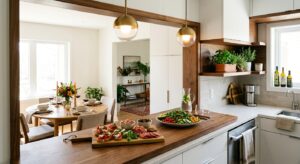
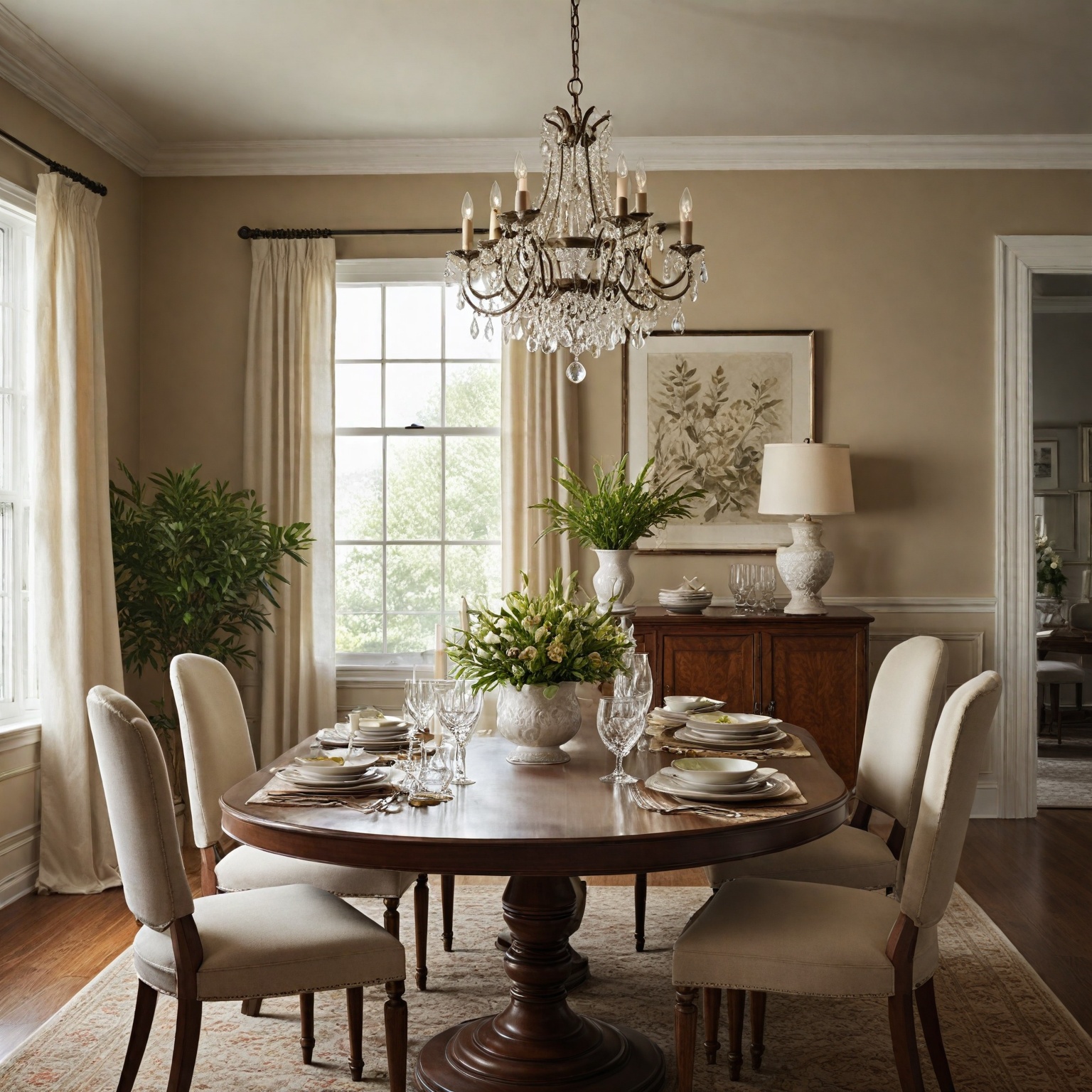
Several types of fixtures can help achieve an inviting dining environment. Chandeliers are popular for their decorative appeal, while pendant lights offer versatility in arrangement and style. Sconces provide indirect illumination and accents to design, whereas recessed lighting delivers a minimalist approach that supports other fixtures.
Materials and Styles of Lighting Fixtures
The choice of materials in lighting fixtures significantly impacts both aesthetics and maintenance. Metal fixtures are durable while glass adds elegance. Fabric shades soften brightness, creating a comfortable dining atmosphere but may require careful upkeep to prevent absorbing odors.
Technological Innovations and Their Impact on Design
Advancements in lighting technology, particularly LED innovations, have expanded design possibilities in dining rooms. Smart lighting allows customization of light intensity and color, accommodating different dining moods and enhancing overall comfort. This evolution has transformed traditional aesthetics through functionality, leading to unique statement pieces.
Placement Strategies for Optimal Ambiance and Functionality
Proper placement of lighting fixtures is essential for both aesthetics and practicality. Centering fixtures over dining tables enhances illumination and contributes to the dining experience. Height and size considerations also play a role in maintaining an inviting atmosphere while ensuring effective task lighting.
Lighting Characteristics Influencing Ambiance
Key lighting characteristics, such as color temperature, greatly affect the ambiance of a dining space. Warmer light promotes intimacy, complementing earthy tones, while cooler light pairs well with lighter colors, affecting overall mood and perception.
Influence on Dining Experience and Social Dynamics
The impact of lighting on dining experiences goes beyond aesthetics; it influences social dynamics and decision-making. Lower light levels often encourage indulgence, while brightness can energize a space. Understanding these effects can aid in creating a dining environment that enhances both culinary enjoyment and interaction.
Current Trends in Dining Room Lighting
Recent trends emphasize bold fixtures that make a design statement in dining areas. Oversized lights and unique materials are favored for character, while the use of multi-pendants can enhance lighting distribution. Technological upgrades, such as smart bulbs with dimming functions, contribute significantly to user experience.
Installation and Maintenance Considerations
When selecting dining room lighting, installation and maintenance are critical factors. Positioning fixtures thoughtfully enhances functionality and safety, while material choice affects upkeep. Investing in durable options can ensure long-term satisfaction and visual appeal, while vintage finds may require additional adjustments to meet modern standards.
The content is provided by Avery Redwood, Home Upgrade News