Summary
Unlocking the Secrets of Storage Shelves: Your Ultimate Guide to Types, Uses, and Assembly Tips equips readers with essential insights into various shelving systems tailored for home, industrial, and commercial environments. By outlining the types of shelves—like floating, bracketed, and wire—and the materials they are made from, such as wood and metal, the guide assists in selecting the best options based on durability, maintenance, and aesthetic appeal. Additionally, it addresses critical safety standards like ANSI MH16.1-2023 that are necessary for proper assembly and stability, ensuring compliance and reliability.
History and Evolution
Shelving, including the modern concept of floating shelves, has evolved significantly from its ancient origins in states like Roman and Japanese architecture. Early shelves housed valuable manuscripts, paving the way for open shelving systems used today. Contemporary floating shelves emerged in the late 20th century, utilizing hidden supports to create a seamless design, reflecting a return to architectural integration. Advancements in storage technology have also historically shaped these designs to enhance both utility and aesthetic functions.
Cultural and Regional Influences
Storage practices are deeply impacted by cultural traditions and regional environments, such as utilizing natural cooling methods in food preservation. Techniques vary from the drying of fruits in Mediterranean cultures to preserving meats among the Sami people. Each method demonstrates the adaptability of shelving to meet local needs, leading to regional variations that inform contemporary designs based on environmental conditions and resource availability.
Symbolic and Social Significance
Shelving carries significant symbolic weight across cultures, often representing knowledge and status. In religious contexts, shelves serve ritual and practical roles, while in domestic spaces, they reflect social evolution from purely functional units to decorative features integrating aesthetic values. This shift illustrates how shelving practices are interwoven with broader cultural narratives.
Types of Storage Shelves
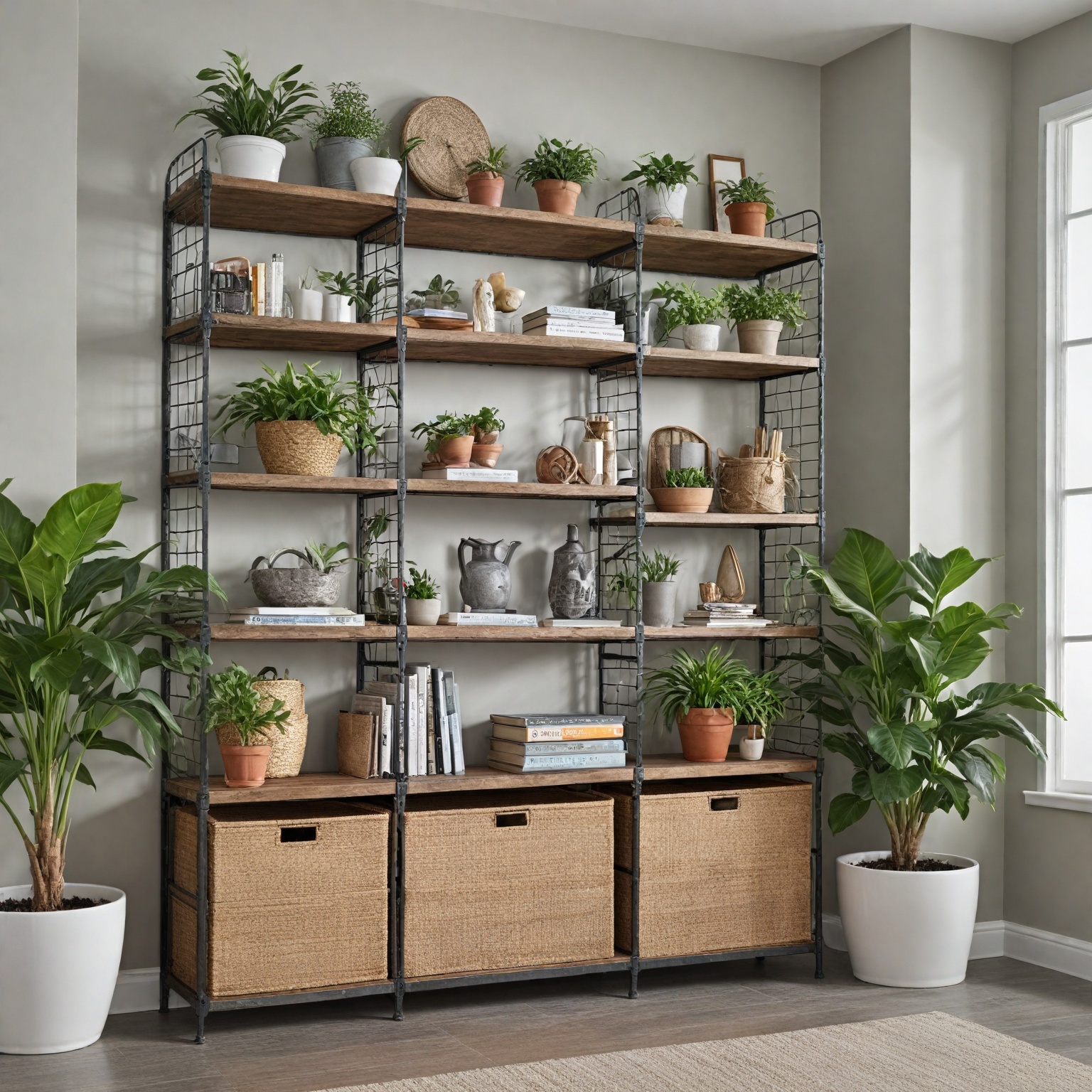
Various types of shelves are available, each suited for specific storage requirements and spaces. Floating shelves offer a modern, minimalist look, while corner shelves optimize underused space. Bracketed shelves are versatile for various settings, and built-in shelves provide seamless integration into existing architecture. Wire and industrial shelving types, designed for durability and ventilation, cater to specialized needs in commercial and industrial contexts.
Floating Shelves
Floating shelves enhance aesthetic appeal with their minimalist design and hidden mounting systems. Originating from traditional shelving concepts, these modern adaptations provide functional storage while appearing to ‘float’ on the wall.
Corner Shelves
Corner shelves maximize storage in underutilized spaces with various designs tailored for different room layouts. They are ideal for small rooms where floor space must be conserved while enhancing storage capabilities.
Bracketed Shelves
Bracketed shelves, commonly used for both decorative and practical purposes, consist of a flat board supported by wall-mounted brackets. Their adjustable nature makes them suitable for different room settings, from kitchens to garages.
Built-in Shelves
Built-in shelving is integrated into walls, providing a cohesive look and saving space. This style enhances a room’s design while offering efficient storage solutions, especially in high-traffic areas.
Wire Shelving
Wire shelving is versatile and durable, often used in commercial settings where ventilation and cleanliness are essential. Its construction allows for easy access and organization, making it suitable for varied environments.
Materials Used in Storage Shelves
Various materials influence shelf durability and suitability for different environments. Metal options, particularly steel, offer strength and resistance to wear, making them prevalent in industrial settings. Wood shelves, meanwhile, balance aesthetic appeal with strength, but require careful maintenance to prevent damage.
Metal Shelves
Metal shelves are favored for their durability and adaptability, especially steel types that withstand high loads. Treatments like powder coating or galvanization enhance their longevity, helping them remain functional in humid environments.
Wooden Shelves
Wood provides both beauty and versatility, with solid wood being the strongest option for long-term use. Alternatives like plywood and MDF offer cost-effective solutions but may require careful handling to prevent moisture-related issues. Proper sealing and installation are crucial for maximizing their lifespan.
Assembly and Installation Best Practices
Proper assembly is vital for both safety and functionality. Ensuring components are level, following manufacturer guidelines, and regularly tightening fittings can enhance stability and compliance with safety standards. Regular inspections contribute significantly to maintaining the integrity of the shelving system, particularly in industrial settings.
Advantages and Disadvantages of Different Types and Materials
Choosing appropriate shelving materials requires weighing the benefits and limitations of each option. While steel offers unmatched durability for heavy-duty applications, wood provides an aesthetic solution but may have limitations under weight stress. Understanding the environment and intended use can help inform the right choice.
Innovations and Trends
Recent trends in shelving emphasize innovations in materials, design, and modularity. Adjustable shelving systems accommodate varying storage needs, while modern floating designs create seamless aesthetic experiences. The emphasis on safety standards, particularly in industrial settings, ensures that performance and compliance evolve alongside design trends.
The content is provided by Sierra Knightley, Home Upgrade News