Summary
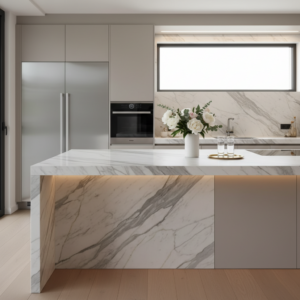
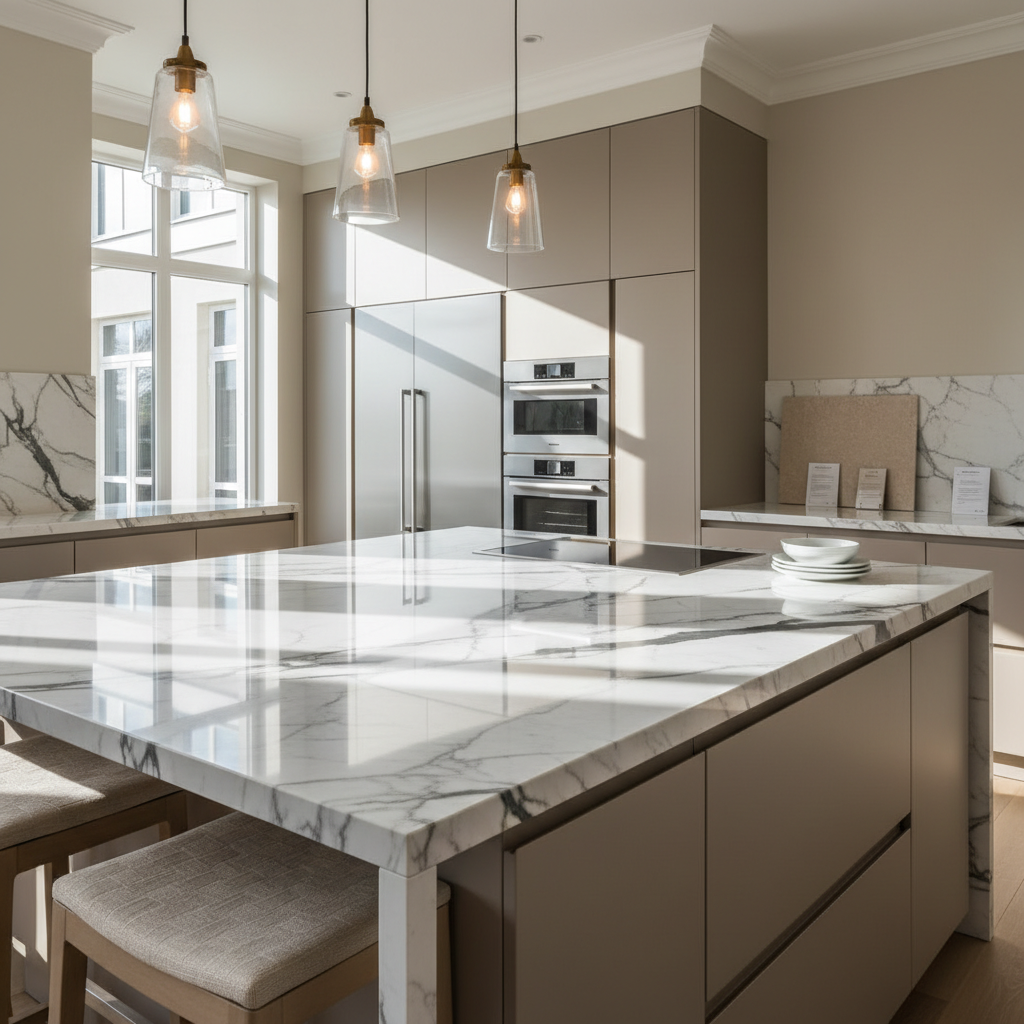
Calacatta marble, distinguished by its striking white background and bold veining, is sought-after in luxury design but requires careful maintenance due to its porous nature. The high cost and upkeep requirements of Calacatta lead many homeowners and designers to seek alternatives that offer similar aesthetics while being more durable and affordable. Options like engineered quartz, porcelain, Carrara marble, and quartzite provide various degrees of elegance, resilience, and cost-effectiveness, catering to diverse needs and lifestyles.
Criteria for Selecting Alternatives
Selecting alternatives to Calacatta marble involves evaluating aesthetic appeal, durability, maintenance demands, and costs. These criteria ensure the materials chosen not only reflect the luxury of Calacatta but also serve practical functions for everyday life.
Aesthetic Considerations
Alternatives must replicate Calacatta’s unique veining and luxurious white tone. High-quality engineered stones and porcelain slabs can provide a wide range of colors and finishes, allowing customization to suit various design preferences.
Durability and Maintenance
Unlike Calacatta marble, which is prone to staining and requires regular sealing, alternatives like engineered quartz and porcelain are resistant to wear and easier to maintain. These materials are ideal for high-traffic areas, reducing long-term upkeep concerns.
Environmental and Practical Factors
With concerns over quarrying impacts, eco-friendly alternatives have emerged, with engineered materials often presenting lower environmental footprints. Choosing lighter, easier-to-install options can also simplify renovation processes.
Cost and Value
Calacatta marble can be quite expensive, averaging $200 to $300 per square foot. More affordable alternatives like engineered quartz and porcelain slabs offer similar aesthetics at a lower price, while also minimizing maintenance costs and enhancing value over time.
Popular Alternatives
Several materials provide aesthetic appeal and practical advantages as alternatives to Calacatta marble, suitable for various applications in home design.
Quartz and Engineered Stone
Engineered quartz is favored for its durability and low maintenance, closely mimicking Calacatta’s look. Although heat-sensitive, its resilience makes it ideal for busy households.
Porcelain Slabs
Porcelain slabs emulate Calacatta marble’s appearance while being lighter and more durable than natural stone. Their versatility allows for use beyond countertops to walls and flooring, enhancing design flexibility.
Carrara Marble
Carrara marble offers a more subtle elegance and lower cost compared to Calacatta marble. Its soft gray veining provides a classic look, suitable for various interior styles.
Quartzite
Quartzite is a durable natural stone that resembles marble and is more resistant to damage, making it suitable for high-use areas. However, it necessitates careful installation due to its weight.
Faux Marble Finishes
Faux marble, created with resin techniques, provides a budget-friendly solution mimicking marble aesthetics. While they lack true marble’s variability, they offer practical options for quick updates.
Comparative Analysis of Alternatives
Choosing the best alternative requires weighing aesthetic appeal, maintenance needs, durability, cost, and environmental impact. Calacatta marble’s high price and maintenance requirements contrast with options like Carrara marble’s affordability and engineered products’ durability. Understanding these aspects helps in making a decision that aligns with priorities for each project.
Applications in Home Makeovers
Calacatta marble and its alternatives enhance various areas in home design, including kitchen countertops, bathroom surfaces, and decorative accents. Faux finishes offer an easy way to achieve luxury with minimal expense, ideal for DIY projects, while porcelain slabs offer elegant, moisture-resistant options for wet areas.
Maintenance and Care Guidelines
Calacatta marble demands regular sealing and careful cleaning to mitigate stains and etching. For alternatives, maintenance requirements vary—some may offer better resistance to wear and easier upkeep but still necessitate appropriate care based on their surface finish.
Environmental Considerations
The environmental impact of material selection is crucial, particularly regarding quarrying practices and resource management. While natural stones like Calacatta have lower footprints compared to some engineered materials, sustainable sourcing and mindful manufacturing practices are essential for minimizing ecological disruption.
The content is provided by Jordan Fields, Home Upgrade News