Summary
Transform Your Space: 7 Trendy Kitchen Cabinet Colors to Try in 2026 explores the evolving landscape of kitchen design with a focus on cabinetry colors that define style and functionality in the coming year. Moving beyond the traditional neutrals that have dominated past decades, 2026 trends highlight a dynamic palette that balances bold, saturated hues with muted, nature-inspired tones. These choices reflect a broader shift toward kitchens that are both visually engaging and timeless, emphasizing depth, texture, and personal expression.
The year’s cabinet color trends showcase a wide spectrum, from deep emerald greens, rich navy blues, and moody blacks to softer muted pastels like modern lavender and smoky jade greens. This diversity caters to varied design preferences, offering options that range from dramatic statements to understated elegance. A key theme is the layering of tones and textures, often pairing colored cabinets with natural wood finishes and tactile materials such as veined stones or artisanal tiles, creating kitchens that feel warm and inviting rather than sterile.
Alongside color innovation, 2026 trends emphasize minimalism with refined cabinet designs featuring clean lines, matte finishes, and subtle hardware or hardware-free options. Technological advancements such as touch-to-open cabinetry and integrated smart lighting complement these aesthetics, enhancing both convenience and style. Additionally, sustainability and environmental considerations influence color and material choices, encouraging the use of eco-friendly products and nature-inspired hues that foster a calming, organic atmosphere in the kitchen.
Notably, the embrace of vivid, saturated monochromatic schemes and bold darks represents a departure from the safe, high-contrast pairings of the past, sparking discussions about the balance between trendiness and timelessness in kitchen design. Experts advocate for selecting colors that reflect personal style while ensuring longevity and practical maintenance, underscoring the importance of thoughtful coordination between cabinetry, countertops, and hardware to achieve cohesive, enduring kitchen spaces.
Overview of Kitchen Cabinet Trends in 2026
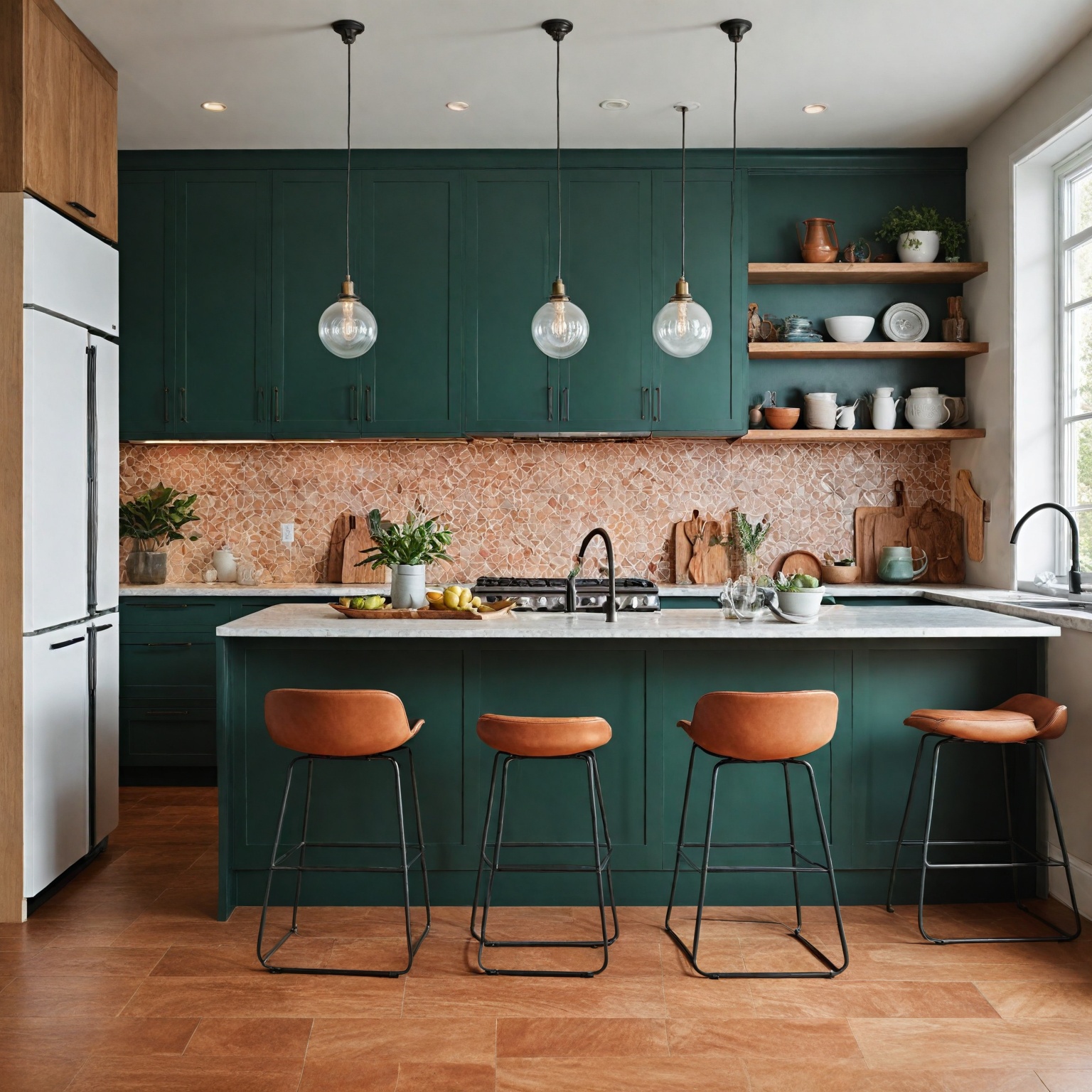
Kitchen cabinet trends in 2026 emphasize a bold embrace of color, texture, and simplicity, reflecting homeowners’ growing desire to create visually engaging yet timeless cooking spaces. Rather than sticking to the traditional neutral palettes, many are opting for richer, more saturated hues such as deep emerald greens, aubergine, rich navy blues, and moody blacks, which add depth and personality to kitchens. These vibrant tones are often paired with natural wood elements, bringing warmth and a lived-in feel to the space that moves beyond the sterile showroom aesthetic.
Minimalism continues to influence cabinet design, but with a refined approach. Cabinet door shapes, finishes, and hardware are leaning towards clean, simple lines, exemplified by the rising popularity of skinny shaker cabinets. The use of matte surfaces enhances this minimalism by adding depth and subtle changes throughout the day as lighting shifts, offering a sophisticated velvety appearance across all colors, from dramatic blacks to soft whites.
Color schemes in 2026 also push monochromatic styling beyond the usual black-and-white. Homeowners are experimenting with vivid single-color palettes where cabinets, countertops, and backsplashes share the same color family with subtle tonal variations, complemented by brushed metal hardware within the same temperature range. This approach is often enhanced by materials that play with texture and light, such as uneven glass surfaces and bold veined stones that add tactile drama to the kitchen environment.
Muted and nature-inspired shades are particularly popular for those seeking a more subtle yet fresh look. Colors like smoky jade greens, celery tones closer to limestone, halcyon green, modern lavender, and gray-greens offer a nature-forward palette suitable for both period homes and modern traditional spaces. These shades pair beautifully with pale wood and matte brass accents, creating a balanced and inviting aesthetic.
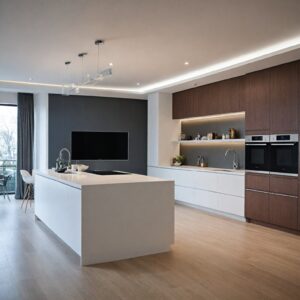
In addition to color, lighting innovations play a crucial role in accentuating cabinetry. Under-cabinet LED strips, interior cabinet lighting, and toe-kick illumination not only highlight details but also elevate the perceived quality of kitchen materials and finishes without excessive cost. Furthermore, smart storage solutions continue to evolve, ensuring kitchens are as functional as they are stylish, allowing every inch of space to work intuitively for daily use.
Trendy Kitchen Cabinet Colors in 2026
The kitchen cabinet color trends for 2026 reflect a harmonious blend of natural, earthy tones and bold, expressive hues that cater to a wide range of design preferences. Homeowners and designers are moving away from stark minimalism and embracing warmer, layered palettes that bring personality and timelessness to kitchen spaces.
Earthy Neutrals and Nature-Inspired Greens
A strong movement toward moody, earthy neutrals dominates the 2026 kitchen cabinet color scene. Shades such as mushroom gray, soft taupe, muted greens, and mushroom tones are highly favored for their grounding and timeless qualities. These colors work seamlessly with natural materials like pale wood and matte brass, creating balanced and inviting environments that evolve gracefully throughout the day as lighting changes.
Muted greens, including sage, olive, and smoky jade, are especially popular choices for base cabinets or entire kitchen suites. Colors like Behr’s Hidden Gem, a smoky green-blue, continue to be a favorite, fitting well in both period homes and modern traditional spaces where homeowners seek a fresh alternative to conventional grays. This palette complements pale woods and matte finishes, enhancing the organic feel of kitchen interiors.
Soft, Muted Pastels with a Modern Twist
Unlike the bright pastels of the past, 2026 pastel trends lean towards muted, sophisticated shades such as modern lavender, powder blue, and frosted tints reminiscent of early morning fog or limestone hues. These subtle colors offer a gentle dash of personality without overwhelming the space and pair beautifully with natural wood and soft metallic hardware for a fresh yet homey ambiance.
Warm and Sunny Accents
Warm hues are making a significant comeback after years of all-white minimalism. Butter yellow, lemon chiffon, and sandy gold tones inject warmth and optimism into kitchen designs. These colors are often used as accents on specific elements like cabinetry banks or range hoods, where their sunny presence can stand out without dominating the entire room.
Restorative Darks and Bold Statements
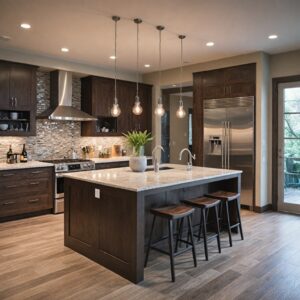
Deeper, restorative darks such as tarragon, plum brown, deep teal, and beet burgundy provide a sense of plush gravity and sophisticated depth without feeling gothic or overly heavy. These colors are particularly suited for lower cabinets, offering a grounded contrast to lighter countertops or upper cabinetry. Bold shades like rich navy blue, deep emerald green, fiery red, and moody blacks are increasingly embraced for their ability to add visual interest and personality to kitchens, signaling a shift toward more daring and confident design choices.
Layered Tonal Contrasts and Reimagined Retro Styles
Instead of high-contrast pairings, 2026 favors layered, tonal contrasts—for example, combining a darker base cabinet with a lighter upper cabinet or island. This approach creates depth and sophistication while maintaining harmony. The “reimagined retro” style influences the color trends, with warm grays, ink blues, and burgundy applied tone-on-tone across cabinets and walls to produce muted, enveloping kitchens that feel modern yet nostalgic.
Design Styles and Elements Complementing Trendy Colors
The 2026 kitchen cabinet color trends are closely tied to specific design styles and complementary elements that enhance the overall aesthetic. A strong movement toward minimalist cabinet panels paired with deeper, bolder color palettes is evident, emphasizing clean lines and understated hardware or even hardware-free designs. Oversized pulls and thick rails are falling out of favor, replaced by sleeker or nonexistent hardware to maintain a streamlined look.
Natural materials play a pivotal role in anchoring these vibrant and muted hues. Wood finishes—particularly white oak, light-stained or mid-toned with visible grain—remain dominant, often paired with stains that bring out the wood’s natural character, such as soft driftwood washes, rift-cut walnut with subtle undertones, or cerused textures that highlight grain movement. There is also a shift toward warmer wood tones like red oak or sustainable alternatives that preserve a natural wood appearance, used extensively across vertical cabinet fronts and open shelving.
Material pairings are carefully curated to create tactile interest and balance within the space. Bold veined stones sweeping from countertop to backsplash, plaster-like range hoods, and artisanal tile choices like warm-toned zellige arranged in herringbone or woven patterns provide visual and textural drama that complements both bold and muted cabinet colors. Additionally, natural wood, soft metals like matte brass, aged brass, brushed copper, and matte black hardware options add warmth and contrast without overwhelming the kitchen’s organic feel.
A tonal layering approach to color is gaining traction, favoring combinations like darker base cabinets with lighter upper or island cabinetry to build depth without high-contrast clashes. This technique, along with tone-on-tone styles using warm greys, beet burgundy, and ink blues across cabinets and walls, creates muted, enveloping spaces that remain balanced and never overpowering. Muted mossy greens and smoky jade tones are highlighted as versatile choices that integrate well with wood and metal finishes, bringing a natural yet sophisticated element to the kitchen design.
Materials and Finishes for Trendy Kitchen Cabinets
In 2026, kitchen cabinet materials and finishes emphasize natural textures, durability, and sophisticated aesthetics. One dominant trend is the use of natural wood, especially white oak, popular with visible grain and light to mid-toned stains that highlight its character. Sustainable alternatives like red oak maintaining the wood’s natural appearance are also gaining interest. These materials are often employed across vertical cabinet fronts and open shelving, cut in wider panels with clean joins to create a modern yet warm atmosphere. The wood stain palette is shifting toward cozier tones, moving away from cold neutrals, with finishes such as cerused and driftwood washes favored to showcase the grain’s movement and texture.
Pairing materials is essential for a harmonious and stylish kitchen. Muted mossy greens, trending in 2025 and 2026, are frequently combined with green Calacatta marble, off-white quartz, and soapstone featuring soft grains. Hardware finishes complement these colors with aged brass or brushed copper to add contrast, while matte black hardware provides a more defined look. Wall paint choices tend to lean toward light greige, warm cream, or off-white shades with greenish-yellow undertones to maintain a balanced and calming environment.
Cabinet finishes have gained attention for both aesthetic and practical reasons. Matte finishes are highly popular in 2026 for their understated elegance and smooth, non-reflective surfaces that support modern and eclectic kitchen styles. They offer a sophisticated, chic look but can be less durable and harder to clean in high-traffic areas. Satin finishes provide a subtle sheen with improved durability and easier maintenance, striking a balance between appearance and practicality. Semi-gloss finishes remain the most popular for kitchen cabinets because they reflect light, brighten spaces, and are highly durable and moisture-resistant, ideal for kitchens. High-gloss finishes are the most reflective and durable, perfect for modern kitchens seeking a sleek, polished look but may highlight surface imperfections more prominently.
Metallic finishes continue to be a standout feature in 2026 cabinet hardware trends. Brushed brass, copper, polished chrome, and stainless steel are commonly used to inject glamour and luxury, creating eye-catching contrasts against both light and dark cabinetry. These metals help elevate the overall design by providing texture and visual interest while staying within cohesive color temperatures when paired with cabinet finishes and countertops.
Technological integration is also influencing material choices. Touch-to-open cabinetry reduces the reliance on visible hardware, allowing finish and material quality to become the focal point. Inside cabinets, smart features such as voice-controlled lighting and temperature settings are becoming popular, blending functionality seamlessly with contemporary design trends.
Factors to Consider When Choosing Kitchen Cabinet Colors
When selecting kitchen cabinet colors for 2026, several key factors influence the final decision to ensure the space is both stylish and functional. Understanding these elements helps homeowners and designers create kitchens that reflect personal taste while embracing current trends.
Coordination with Adjacent Surfaces
A primary consideration is how cabinet colors harmonize with neighboring surfaces such as floors, countertops, and backsplashes. Paying attention to undertones—whether yellow, red, or gray—across these elements can create a cohesive and balanced aesthetic. Cabinets sharing the same color family as countertops and backsplashes but with subtle tonal variations result in dynamic yet uncluttered visuals. This careful coordination is especially important as 2026 trends emphasize monochromatic schemes extended beyond traditional black-and-white pairings into vivid, saturated hues.
Finish and Texture Choices
The finish applied to kitchen cabinets significantly affects both appearance and maintenance. Matte finishes have gained popularity due to their understated elegance, though darker matte cabinets tend to reveal fingerprints and grease smudges more easily, which should be considered in high-use kitchens. Incorporating organic textures—such as stone, lime, zellige tiles, and brushed wood—can enhance a kitchen’s serene and inviting atmosphere, in line with evolving preferences for natural, tactile materials.
Functional and Technological Integration
Beyond aesthetics, cabinet functionality plays a vital role. Trends for 2026 include touch-to-open cabinetry minimizing the need for traditional hardware, offering sleekness and ease of use. Integration with smart home technologies, such as voice-controlled lighting sequences and temperature settings, adds a modern convenience layer. Choosing colors and finishes that complement these features can enhance the kitchen’s appeal and utility.
Personal Style and Longevity
While trends provide guidance, selecting cabinet colors that align with personal style and long-term satisfaction is crucial. Experts emphasize timeless design in 2026, encouraging choices balancing modern vibrancy with enduring elegance. This approach ensures kitchens remain visually appealing and relevant beyond fleeting trends, making remodeling investments more worthwhile.
Environmental Considerations
Sustainability increasingly influences kitchen design decisions. Homeowners opt for eco-friendly cabinet materials and finishes that reduce environmental impact. Nature-inspired, earthy tones contribute to a calming ambiance and reflect commitment to greener living. Choosing such colors aligns with the broader trend of bringing the outdoors inside, fostering a soothing retreat within the kitchen space.
Practicalities of Budget and Application
Budget constraints and application methods are practical factors affecting cabinet color choices. While repainting existing cabinets can refresh a kitchen affordably, selecting high-quality paints specifically designed for cabinetry ensures durability and ease of cleaning. Air-assisted airless spraying is recommended for a smooth finish, and white remains popular for versatility, though subtle washes of color can add personality without overwhelming the space.
By considering these factors—surface coordination, finish and texture, functionality, personal style, sustainability, and practicality—homeowners can confidently choose kitchen cabinet colors that will transform their spaces and endure through 2026 and beyond.
How to Incorporate Trendy Colors into Kitchen Design
Incorporating trendy kitchen cabinet colors in 2026 involves balancing boldness with practicality and thoughtful material pairing to create visually appealing and functional spaces. Homeowners are encouraged to move beyond traditional neutrals and experiment with saturated hues such as deep emerald greens, rich navy blues, dusty rose, and moody blacks that add depth and personality to kitchens.
A popular approach is two-tone cabinetry, combining darker shades on lower cabinets with lighter hues on upper cabinets or islands. This layering technique creates visual rhythm and contrast without overwhelming the space, lending a sophisticated structure particularly suitable for open-plan kitchens. For example, pairing deep teals or olive base cabinets with beige or cream uppers produces a harmonious yet dynamic look.
Material and finish choices further enhance color trends. Mixing painted cabinets with natural wood grains introduces warmth and organic texture, while pairing cabinetry with surfaces like green Calacatta marble, off-white quartz, or soft-grained soapstone complements the color palette and adds tactile interest. Matte and glossy finishes can be combined to provide material tension and dimension without cluttering the visual field.
Hardware selection plays a crucial role in tying the design together. Metallic finishes such as brushed brass, copper, polished chrome, and stainless steel introduce glamour and contrast against both light and dark cabinetry[2
Expert Tips and Recommendations
When selecting kitchen cabinet colors and finishes for 2026, experts emphasize the importance of choosing high-quality, purpose-made paints to ensure durability and ease of maintenance. It is recommended to avoid cheap paints and instead opt for products specifically formulated for cabinets and trim, as these paints are designed to withstand frequent touching and cleaning while resisting sticking where surfaces meet. Among popular choices are high-end paints like Gemini’s Evo and Benjamin Moore Advance, which offer durable finishes comparable to oil-based paints but with easier cleanup, especially when using hybrid alkyd or waterborne alkyd enamels that combine durability with smooth application.
The choice of paint sheen also plays a crucial role. Higher sheen finishes, such as semi-gloss or gloss, provide easier cleaning due to their slick surfaces but tend to highlight brush marks and imperfections. Conversely, duller sheens better conceal minor flaws but may be less resistant to repeated scrubbing and heavy use. Consulting with designers or contractors about the ideal finish and hardware is advised to maximize both aesthetic appeal and longevity.
Color selection can be approached strategically by ordering paint swatches or cabinet door samples in trending colors such as sage green, deep blue, or warm beige, and living with them for a few days to observe their interaction with natural and artificial lighting. Experimenting with two-tone designs—perhaps using a different color on the kitchen island or lower cabinets—can provide dynamic interest without overwhelming the space. Experts also note that 2026’s trends favor vivid, saturated monochromatic schemes that extend beyond traditional black-and-white, using tonal variations and mixed textures to create depth while maintaining a cohesive look.
Among the standout hues is a smoky-jade green, celebrated for its ability to bridge traditional and modern styles. This color works well with classic cabinetry styles such as Shaker and pairs beautifully with brass or matte black hardware and subtle patterned backsplashes. The green tone lends personality while remaining timeless, especially when combined with natural wood accents like walnut or white oak. Homeowners are encouraged to incorporate these elements thoughtfully, as many 2026 trends aim for timeless design that balances boldness with enduring appeal.
Finally, a holistic approach to kitchen design is essential, as cabinets, countertops, backsplashes, and hardware often share color families and finishes to maintain harmony. Paying close attention to these elements ensures a cohesive and stylish kitchen makeover that will stand the test of time.
The content is provided by Jordan Fields, Home Upgrade News