Summary
The 1920s, or the Roaring Twenties, was a pivotal decade for New York City, characterized by economic growth, vibrant culture, and architectural innovation. This era not only transformed the city’s social fabric but also saw the emergence of various architectural styles that reflect the period’s glamor. Key styles such as Colonial Revival, Renaissance Revival, Beaux-Arts, and Art Deco defined the skyline and living environments, showcasing craftsmanship by prominent architects like Rosario Candela and Emery Roth. The preservation of these iconic homes and buildings remains crucial, ensuring their historical significance continues to enrich New York’s identity.
Historical Context
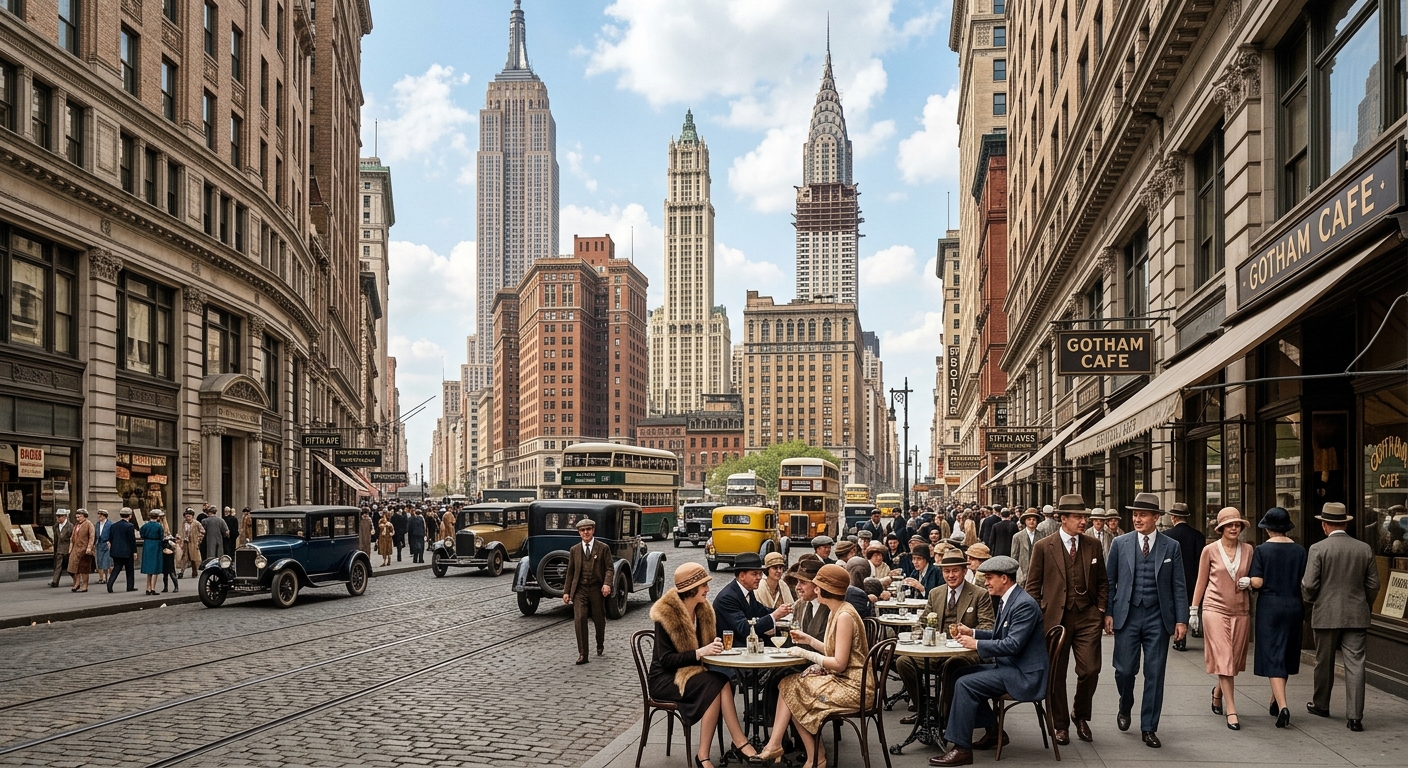
The 1920s in New York City was defined by profound economic and cultural changes that reshaped its architectural landscape. The era’s flourishing economy fostered new artistic expressions, prominently featuring jazz music that mirrored shifts in societal norms and identity. The architectural styles prevalent during this time, especially Art Deco, marked a departure from traditional designs by embracing geometric forms and modern materials, exemplifying the industrial optimism of the decade. Development surged, particularly in residential areas, reflecting the growing middle class and diverse architectural influences.
Notable 1920s Homes and Residences
Residential construction in the 1920s showcased a blend of styles, significantly influencing New York City’s architectural legacy. Colonial Revival homes featured traditional American design, characterized by symmetrical façades and classic details. Similarly, Renaissance Revival buildings showcased decorative terra-cotta ornamentation, exemplified by well-known structures on Lexington Avenue. This decade also saw the prominence of Beaux-Arts architecture in cultural institutions and luxury residences, while modern luxury co-ops, designed by leading architects, displayed refined elegance, bolstering the city’s status as a hub of architectural innovation.
Architectural Styles and Design Elements
The 1920s saw a unique fusion of classical and modern design elements in New York architecture, leading to visually captivating facades that embodied the period’s glamour. The Beaux-Arts style, with its symmetry and robust detailing, contributed to iconic landmarks while also gracing historic homes with elegance. In contrast, the Art Deco movement introduced sleek lines and bold colors to the skyline, with structures like the Chrysler Building epitomizing this stylish modernism. This dynamic interplay of styles created a rich architectural tapestry reflective of the lively culture and aspirations of the Roaring Twenties.
Landmark Status and Preservation
Landmark designation in New York City is overseen by the Landmarks Preservation Commission (LPC), which evaluates buildings for their architectural and historical significance. This status not only protects the physical appearance of properties but also maintains the cultural identity of historic neighborhoods. While private ownership characterizes most landmarked buildings, their preservation is supported by regulations and nonprofit organizations, ensuring that the architectural heritage reflects the city’s rich history. These efforts to designate and conserve significant buildings connect the past to the present, promoting the enduring value of New York’s landmarks.
Preservation Efforts and Organizations
New York’s historic preservation relies on a collaborative network of governmental and nonprofit organizations committed to conserving significant sites. The New York State Department of Historic Preservation plays a key role in registering sites, while the LPC safeguards landmarks in the city. Local organizations bolster these efforts with educational and advocacy initiatives, promoting awareness of the importance of historic preservation. Together, this multifaceted approach fosters an environment where the architectural history and cultural narratives of New York can be appreciated and preserved for future generations.
Cultural and Social Significance
The 1920s redefined New York City’s cultural landscape, with jazz and the Harlem Renaissance emerging as central elements of artistic expression. This period was instrumental in shaping modern American identity, reflecting transformations in race relations and youth culture. The nightlife of New York contributed to a vibrant social tapestry, intertwining diverse communities and experiences. Historic sites from this era embody these narratives, connecting current residents and visitors to the city’s dynamic past and underscoring the importance of preserving these cultural resources.
Influence on Modern Architecture and Urban Development
The architectural styles of the 1920s have profoundly influenced contemporary design and urban planning in New York. Iconic skyscrapers introduced during this time, such as the Chrysler and Empire State Buildings, set precedents for modern high-rise constructions while showcasing a marriage of new materials with classic aesthetics. The decade’s emphasis on residential architecture laid critical foundations for future urban development, balancing historic charm with modern needs. Today, these early experiences with design and density continue to inform strategies addressing urban challenges, reflecting an ongoing legacy that shaped New York’s urban identity.
The content is provided by Harper Eastwood, Home Upgrade News