Summary
Google Glass began as a significant innovation in augmented reality (AR) and wearable technology with its initial consumer-focused launch, but it faced challenges like high costs, privacy concerns, and limited applications. After transitioning to the Glass Enterprise Edition for industrial use and eventually discontinuing it in 2023, Google is now preparing to re-enter the market with next-generation “AI glasses” scheduled for 2026. This new model aims to offer a more versatile user experience, leveraging advancements in AI and connectivity technologies.
Challenges and Readiness
Initially, Google Glass encountered barriers such as high pricing and inadequate applications in sectors like healthcare, which hindered adoption. Privacy concerns further complicated its acceptance, leading to bans in public spaces. Although the enterprise version made improvements, it remained a niche product, failing to rekindle consumer interest before its discontinuation in 2023.
Strategic Relaunch
The introduction of the Glass Enterprise Edition allowed Google to refocus its efforts on industries like manufacturing and logistics, enhancing productivity through hands-free data access. However, as of early 2023, the company suspended sales and support, indicating a strategic pause in hardware development while awaiting technological advancements in the market.
Technological Enhancements
The latest iterations of Google Glass have seen significant developments, including improved camera technology and longer battery life. The adoption of Android XR enhances compatibility with apps and AI assistants, indicating a shift toward a more connected user experience. Future AI glasses will offer in-lens displays and a display-free option focused on audio assistance, broadening their use cases.
Applications Across Industries
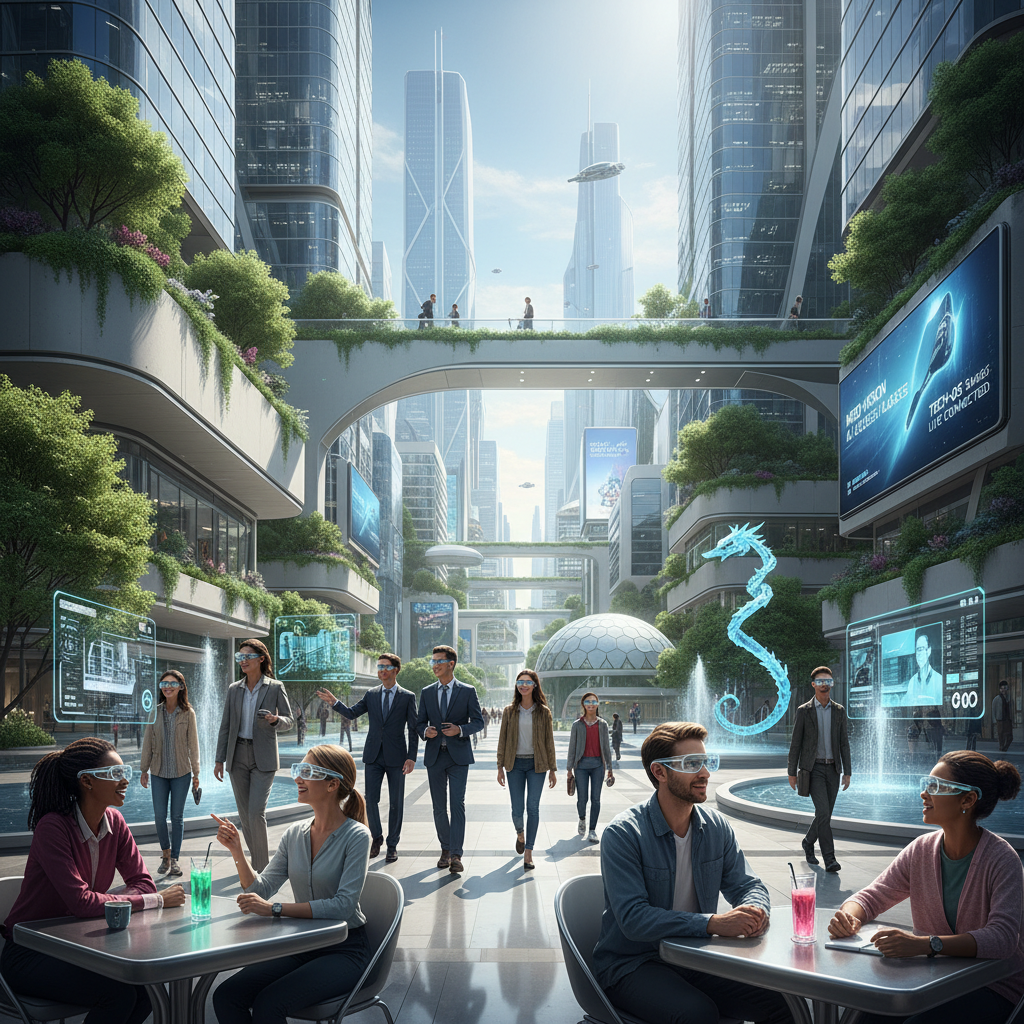
Google Glass has carved out practical applications, particularly in healthcare, where it has improved procedural efficiency and safety. Other industries, such as logistics and field services, utilize smart glasses to enhance productivity. The consumer market, driven by gaming and immersive experiences, is also rapidly expanding, indicating a growing appetite for smart eyewear technologies.
Competitive Landscape and Market Trends
With competitors like XREAL and Meta advancing AR technology, Google’s upcoming products aim to establish their presence by integrating AI and supporting diverse applications. Although challenges remain around pricing and positioning, the broadening smart glasses market, projected to grow significantly, presents opportunities for Google to innovate and compete actively.
Looking Ahead
The smart glasses sector is projected to experience substantial growth, with Google planning a strategic comeback through its next-generation AI glasses. These innovations focus on user-friendly features, practical applications, and addressing past adoption barriers. Anticipation surrounds their potential impact across entertainment, healthcare, and enterprise sectors, highlighting a favorable market environment for smart eyewear.
The content is provided by Sierra Knightley, Home Upgrade News