Summary
Heavy-duty garage storage shelves are designed to efficiently organize and support bulky items in demanding environments. They are made from robust materials like heavy-gauge steel, reinforced wood, and durable composites, offering superior load-bearing capacity and safety. Selecting the right material directly affects performance; steel is best for strength, wood offers aesthetic versatility, and plastic provides moisture resistance, albeit with lower capacities. Their designs span freestanding units to wall-mounted shelving, catering to diverse storage needs. Ensuring proper installation and maintenance is vital for safety and longevity, as issues like sagging can arise from improper setup.
Key Characteristics
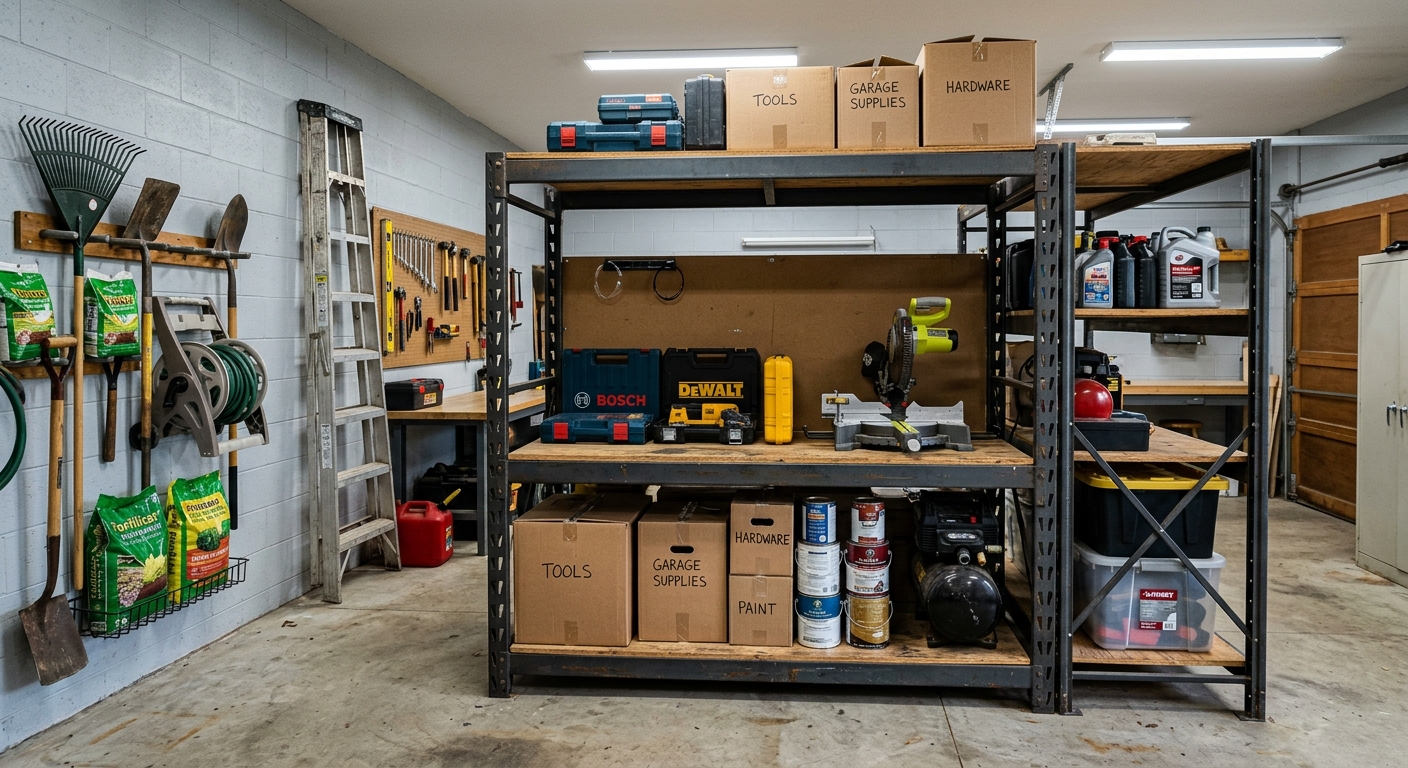
Heavy-duty garage shelves support heavy loads and are built from materials like heavy-gauge steel, powder-coated steel, and reinforced wood. Weight capacity is essential, with standard wood constructions handling 50 to 100 pounds per square foot, while robust metal shelves may support up to 1,500 pounds each. Safety features, including anti-fall rails and lockable casters, enhance usability in busy spaces. Be cautious, however, as manufacturers’ weight ratings can be overly optimistic, necessitating research into real-world performance before purchase.
Material Overview
The choice of materials significantly influences the performance and durability of heavy-duty shelves. Metal shelving, particularly steel, offers unrivaled strength and moisture resistance but may require maintenance to prevent corrosion. Wood remains popular for DIY solutions, providing durability when treated properly, while plastic options are lightweight and moisture-resistant but with lower load capacities. Composite designs balance strength and cost, ensuring you find a suitable fit for your specific storage needs.
Types and Design Variants
Garage shelves come in various types suited for unique storage needs. Metal wire shelving is durable and ventilated, ideal for preventing mold. Plastic shelves are lightweight but less capable of handling heavy loads. Wall-mounted systems maximize floor space and allow for customizable heights, while freestanding units offer flexibility in positioning. Modular systems adapt to changing needs, and durable cabinets help secure tools and valuable items.
Construction Techniques
Robust construction techniques are critical for heavy-duty shelving stability. Prioritize reinforcing the foundation and using quality materials, especially heavy-gauge steel for its resistance to wear. Reinforced bracing and proper mounting techniques ensure that shelves can support intended loads safely. Securing units to wall studs or using heavy-duty brackets further enhances stability, particularly when storing heavy equipment. Proper attention to installation methods will help avoid future safety concerns.
Safety Standards and Compliance
Adhering to safety standards and building codes is essential. Obtaining building permits ensures compliance with local regulations, especially for heavier loads which may require additional reinforcement. For workplace environments, OSHA standards mandate safety in shelving design to prevent hazards. Overhead systems necessitate proper installation to prevent collapses, making it crucial to choose systems that align with local codes and safety requirements.
Installation Best Practices
Effective installation maximizes the safety and longevity of your shelving. Planning the layout and using appropriate mounting hardware are foundational steps. Wall-mounted units should attach securely to studs, while using lag bolts or heavy-duty screws ensures stability. Regularly check and reinforce shelving after installation to maintain integrity. Maintaining a clean workspace aids in both installation and safety, making daily management easier.
Maintenance and Care
Regular maintenance of heavy-duty shelves prolongs their life and maintains safety. Periodically inspect and tighten hardware to prevent loose connections and potential hazards. Address any signs of wear, particularly for surfaces exposed to moisture, and repaint metal shelves when necessary. Strategically distributing weight is crucial in avoiding sagging or collapse, making ongoing care vital for sustaining performance and ensuring user safety.
Common Assembly Challenges
Assembling heavy-duty shelves may introduce challenges, particularly concerning stability and load capacity. Utilize structural struts to combat warping, and plan for adequate supports to prevent sagging. The choice of materials plays a significant role; opt for metal shelving for strength and resistance to deformation. Thoroughly checking alignment during assembly helps ensure stability and user confidence in the installed unit.
Benefits and Applications
Heavy-duty shelves enhance safety by reducing clutter and providing secure storage for tools and equipment, making them essential for effective organization. Their versatility accommodates various items and is particularly beneficial in residential garages and industrial settings alike. Regular maintenance enhances longevity, ensuring that the investment pays off with consistent performance over time.
Buying Considerations
Selecting suitable shelving involves evaluating material quality, weight capacity, and maintenance needs. Metal shelves typically deliver superior durability, while plastic options are lighter and rust-resistant. Consider layout and accessibility in your garage when choosing between freestanding and overhead options. Prioritize ease of installation and consult with suppliers for tailored recommendations based on specific needs, particularly for commercial applications.
Frequently Asked Questions (FAQs)
What types of storage shelves are available? Various types exist, including wall shelving, overhead systems, and freestanding units. The most popular are assembly-required systems offering durability and flexibility.
Which materials are ideal for garage shelving? Plastic, wire, and stamped metal are common choices, each offering different strengths suited for specific environments.
Are there ergonomic shelving systems for easy access? Yes, innovative designs feature tilt-lock bins for quick access, enhancing efficiency while keeping stored items organized.
The content is provided by Sierra Knightley, Home Upgrade News