
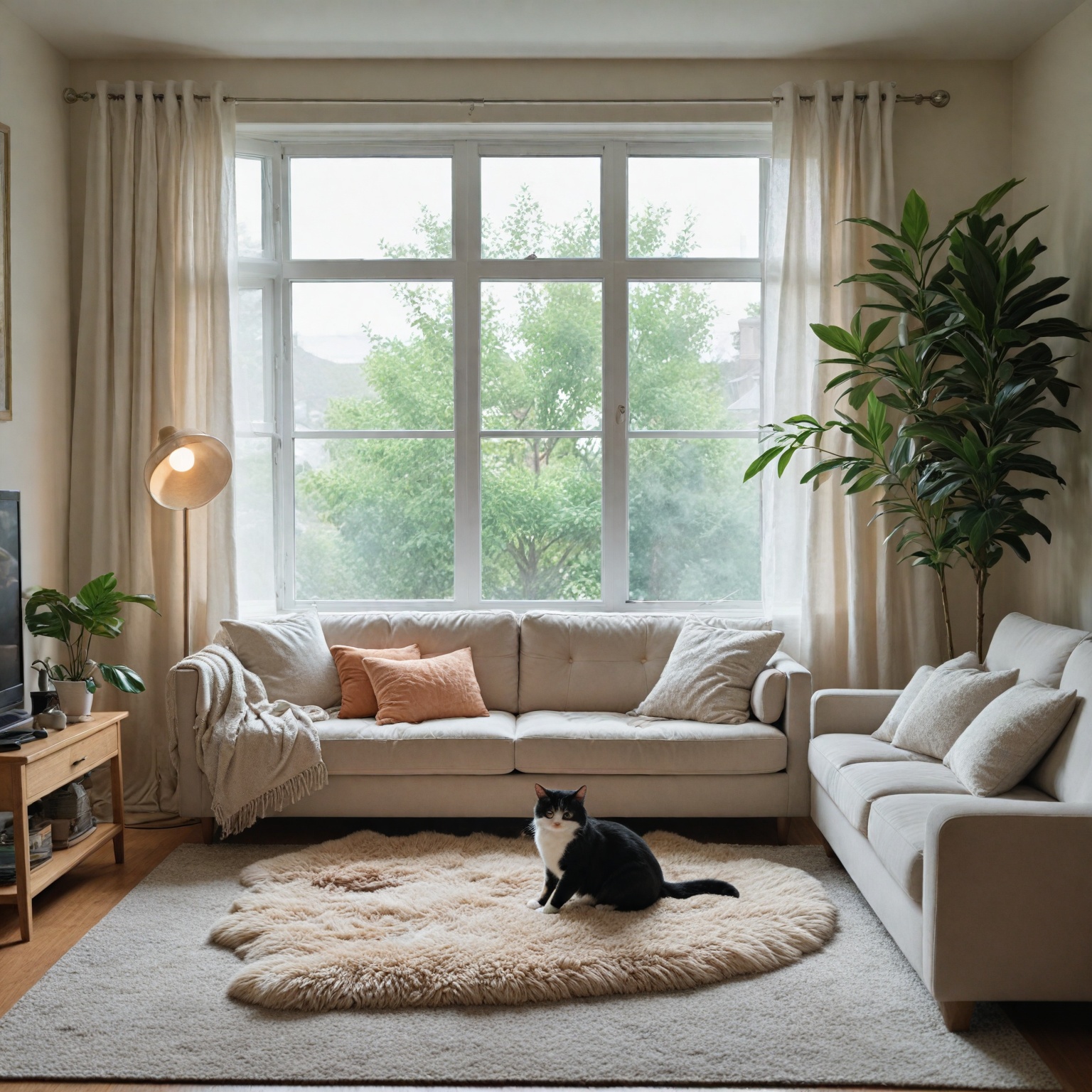
Summary
Banish Cat Allergies for Good: My Proven Strategies Revealed — Young House Love is a comprehensive guide that addresses the challenges of living with cat allergies and offers practical, evidence-based strategies to manage and reduce allergic reactions. Cat allergies affect approximately 20% of the population and are primarily caused by a group of proteins known as cat allergens, especially Fel d 1, which is produced by all cats regardless of breed or age. These allergens trigger immune responses that manifest in symptoms such as sneezing, itchy eyes, respiratory issues, and skin reactions, significantly impacting quality of life.
The guide emphasizes a multifaceted approach combining environmental controls, pet grooming, lifestyle adjustments, and medical treatments to mitigate allergen exposure and improve symptom management. Key environmental strategies include rigorous cleaning routines using HEPA-filter vacuums, air purifiers with multi-stage filtration, and maintaining cat-free zones within the home. Pet care recommendations involve regular bathing and grooming with allergen-reducing products, which help lower dander levels. These measures, alongside consistent lifestyle habits, empower allergy sufferers to coexist comfortably with their feline companions.
Medical interventions such as allergy immunotherapy (allergy shots) are also highlighted as effective treatments that can reduce allergic sensitivity over time. Recent advancements include combination therapies that integrate cytokine inhibitors to enhance and accelerate immunotherapy outcomes, representing a promising frontier in allergy management. Precision diagnostics, like component-resolved diagnostics (CRD), further support personalized treatment plans by identifying specific allergen sensitivities.
Despite ongoing research into hypoallergenic cat breeds and emerging therapies, there is currently no completely allergen-free cat, and managing cat allergies remains a complex and individualized process. The guide draws on expert recommendations and practical experience to provide readers with actionable insights, while acknowledging that successful allergy management often requires patience, personalization, and collaboration with healthcare professionals.
Overview of Cat Allergies
Cat allergies are among the most common animal allergies affecting humans, with approximately one in five people experiencing allergic reactions to cats. These allergies are primarily triggered by proteins known as cat allergens, of which eight have been identified and designated Fel d 1 through Fel d 8 by the World Health Organization/International Union of Immunological Societies (WHO/IUIS). The most significant allergen is Fel d 1, a secretoglobin produced mainly in the sebaceous, salivary, and anal glands of cats. Fel d 1 is present in all cats regardless of breed, age, or gender, and is deposited onto cat dander through grooming behaviors.
Other important allergens include Fel d 4 and Fel d 7, lipocalin proteins secreted in the submandibular salivary glands and also found in saliva, contributing to allergen presence on dander. Additional allergens such as Fel d 2 (serum albumin), Fel d 3 (cystatin), Fel d 5 and Fel d 6 (immunoglobulins containing the carbohydrate epitope galactose-α1,3-galactose or α-Gal), and Fel d 8 (a latherin-like protein) also play roles in allergic sensitization and cross-reactivity with other animal allergens.
Symptoms of cat allergies can vary widely from mild to severe and typically affect the eyes, nose, throat, skin, and respiratory system. Common manifestations include allergic conjunctivitis (red, itchy, watery eyes), allergic rhinitis (nasal congestion, sneezing, itchy nose), sore or itchy throat, coughing, wheezing, and skin reactions such as hives or rash. In some cases, allergic reactions can mimic ear infections with ear pain. These symptoms contribute to significant impairment in quality of life, affecting sleep, work productivity, and concentration.
The immune response to cat allergens involves IgE-mediated sensitization, with regulatory T cells potentially playing a role in controlling these immune reactions, especially upon exposure to high allergen levels. Diagnostic methods for cat allergies include skin prick testing and blood tests such as the radioallergosorbent test (RAST), which detect specific IgE antibodies against cat allergen components. Molecular-based diagnostics or component-resolved diagnostics (CRD) enable precise identification of sensitization patterns to individual cat allergens, enhancing accuracy in diagnosis and management.
Despite the existence of some cat breeds that may produce lower levels of certain allergens, there is currently no truly hypoallergenic cat, as all cats produce Fel d 1 to some degree. Management strategies for cat allergies include allergen avoidance, pharmacological treatments, immunotherapy, and emerging therapies such as targeted biologics combined with allergy shots to reduce symptom severity. Consulting with an allergist is recommended for appropriate diagnosis and to develop a personalized management plan.
Proven Strategies for Managing Cat Allergies
Managing cat allergies effectively requires a combination of lifestyle adjustments, environmental controls, and proactive pet care. These strategies aim to reduce allergen exposure and alleviate symptoms, enabling cat lovers to enjoy their pets comfortably.
Environmental Controls
One of the key approaches to managing cat allergies is maintaining a clean and allergen-free home environment. Regular cleaning routines, including vacuuming with HEPA-filter vacuums and washing bedding in hot water (at least 140°F), can significantly reduce dust mites and cat dander accumulation. Minimizing household items such as rugs, decorative pillows, and blankets that collect allergens also helps control allergen levels.
Air purification plays a critical role in filtering airborne allergens. High-quality air purifiers equipped with true HEPA filters can capture 99.97% of particles as small as 0.3 microns, including pet dander and dust. Multi-stage filtration systems that combine pre-filters, HEPA filters, and activated carbon filters are particularly effective. Pre-filters trap larger particles like cat hair, while activated carbon filters adsorb odors and volatile organic compounds (VOCs). It is important to follow manufacturer recommendations for filter maintenance; typical replacement timelines for HEPA and activated carbon filters are about every 12 months, while pre-filters should be cleaned every 2–4 weeks. Signs that filters need replacing include reduced airflow, unpleasant odors, visible dirt, or worsening allergy symptoms.
Maintaining good airflow by running air conditioners and regularly replacing or cleaning their filters also helps circulate and filter indoor air, reducing allergen concentrations.
Pet Grooming and Care
Proactive grooming practices significantly reduce the amount of loose fur and dander in the home. Regular brushing and bathing using allergen-reducing pet shampoos can lower allergen presence on a cat’s coat. Specialized products, such as Allerpet, can be applied with grooming gloves to remove excess fur and dander without over-conditioning the coat, which may otherwise attract more allergens. Veterinary guidance on bathing frequency is recommended to maintain pet comfort and efficacy.
Designating cat-free zones within the home provides allergenic individuals with relief areas free of pet allergens, improving overall comfort and coexistence. Additionally, keeping litter boxes clean and positioned away from air vents prevents the spread of allergens through air circulation.
Lifestyle and Medical Approaches
Combining environmental measures with lifestyle changes is essential for comprehensive allergy management. This includes being consistent with cleaning, using air purifiers appropriately, and maintaining open communication with household members to ensure mutual comfort and understanding. Exploring medical options, such as antihistamines or allergy immunotherapy, can also complement environmental strategies to control symptoms.
By integrating these proven strategies—environmental controls, pet grooming, lifestyle adjustments, and medical interventions—individuals can successfully manage cat allergies and enjoy the companionship of their feline friends without constant discomfort. Patience and personalization of approaches are key to finding what works best for each household.
Medical Treatments and Immunotherapy
Immunotherapy, commonly known as allergy shots, is a widely used medical treatment for cat allergies that can help reduce allergic reactions by gradually training the immune system not to overreact to allergens. This approach typically requires several years of regular injections—usually at least three—to achieve sustained benefits, which can be a deterrent for many patients. However, immunotherapy does not work for everyone, and its effectiveness varies among individuals, necessitating personalized treatment strategies.
Recent research has focused on improving the efficacy and speed of immunotherapy for cat allergies. A notable advancement is the addition of a cytokine inhibitor, specifically targeting thymic stromal lymphopoietin (TSLP), to standard allergy shots. This combination therapy has been shown to enhance symptom relief and provide longer-lasting protection after only one year of treatment, a significant improvement over traditional protocols. The NIH-funded CATNIP trial demonstrated these promising results, with benefits persisting for an extended period even after cessation of therapy. Researchers are continuing to investigate the underlying mechanisms of this combined approach and are planning further trials to assess its applicability in treating food allergies as well.
In addition to immunotherapy, precision medicine techniques such as component-resolved diagnostics (CRD) are emerging to support tailored treatment plans by identifying specific IgE sensitizations at the molecular level. This approach allows for more accurate diagnosis and individualized therapy, improving overall outcomes for patients with cat allergies.
Practical Implementation
Effectively managing cat allergies requires a combination of targeted strategies to reduce allergen exposure and alleviate symptoms. One essential step is utilizing high-quality air purifiers equipped with multi-stage filtration systems. For instance, compact units like the Levoit Core Mini feature a pre-filter, HEPA filter, and activated carbon filter that work together to remove mold spores, dust, and airborne particles, including pet dander and allergens. Additionally, some advanced models incorporate particle filters specifically designed to capture allergens and pellet-based carbon filters to neutralize unpleasant odors, enhancing indoor air quality. Regular maintenance, such as timely filter replacement and pre-filter cleaning, is critical to ensure optimal performance; many air purifiers include filter maintenance reminders to aid users in this process.
Complementing air purification, thorough cleaning practices play a significant role in allergen control. Using a HEPA-filter vacuum can effectively trap microscopic particles embedded in carpets and upholstery. Tools like lint rollers, adhesive tape, or rubber gloves help lift pet hair and dander from fabric surfaces. Furthermore, applying allergen-neutralizing sprays—such as Allergy Asthma Clean Allergen Spray—on soft furnishings can reduce airborne pet dander by up to 95%, preventing it from recirculating in the environment.
Beyond environmental control, clinical approaches such as allergen immunotherapy (allergy shots) have demonstrated efficacy in treating cat allergies. Studies indicate that combining allergy shots with experimental methods can accelerate symptom relief, with benefits lasting up to a year post-treatment. According to the European Academy of Allergy and Clinical Immunology, immunotherapy targeting cat allergens is an effective treatment for allergic rhinitis, alongside therapies for dust mite and pollen allergies.
Finally, monitoring symptoms carefully is important, as cat allergies can manifest in various ways, including respiratory issues like sneezing, wheezing, coughing, and even asthma-like conditions. While these symptoms provide clues, proper diagnosis through allergy testing remains essential for tailored management. Together, these practical steps form a comprehensive approach to minimizing cat allergy symptoms and improving quality of life for sufferers.
Additional Resources
For those seeking further guidance and support in managing cat allergies, several valuable resources and strategies are available. The podcast “Young House Love Has A Podcast,” hosted by Sherry and John Petersik, offers weekly episodes filled with casual decorating advice, DIY stories, expert interviews, and practical tips to simplify and update your home environment, which can indirectly benefit allergy management. Their content includes home-related purchases and lifestyle recommendations that may help create a more allergen-friendly living space.
In addition to lifestyle adjustments, allergists emphasize the importance of a comprehensive approach to allergy management. Multifaceted interventions that combine environmental controls, allergen reduction, and medical treatments provide the best results, as single measures often prove transient or insufficient. For instance, designating cat-free zones within the home can offer significant relief to allergic individuals, especially when combined with open communication and mutual understanding among household members.
Grooming is another critical aspect of reducing allergen exposure. Using specialized grooming gloves to remove excess fur and dander before applying allergen-reducing solutions can effectively lower the allergen load on your pet. Products like Allerpet, recommended by veterinary and allergy professionals nationwide, support maintaining your cat’s skin and coat health, which is crucial for minimizing allergens in the home.
Finally, for those considering medical options, allergen immunotherapy (IT) has been recognized as an effective treatment for cat allergen-induced allergic rhinitis according to the European Academy of Allergy and Clinical Immunology. However, acceptance and enthusiasm for IT among allergists vary, and it is generally recommended alongside environmental and behavioral strategies rather than as a standalone solution.
Together, these resources and approaches can help create a balanced and manageable environment for individuals living with cat allergies.
Related Topics
Food allergies, particularly among children, have inspired a range of educational resources, including storybooks designed to make the subject more approachable and relatable for young readers in the nut-allergic community. These resources help normalize conversations around food allergies and provide comfort through shared experiences.
Home improvement and organization also intersect with allergy management. Sherry and John Petersik, known for their blog Young House Love, offer practical advice on simplifying and updating living spaces. Their work includes tips that can contribute to creating a cleaner and more allergy-friendly environment, reflecting their broader mission of home improvement and lifestyle enhancement.
Pet allergies, especially cat allergies, are a significant concern for many households. Allergic reactions are primarily triggered by dander—the tiny flakes of dead skin shed by animals—rather than by the animal’s hair itself. Managing pet allergies effectively involves regular grooming to reduce dander, thorough cleaning with HEPA-filter vacuums, and using specialized sprays to neutralize allergens on soft surfaces. Certain cat breeds, such as Ragdoll cats, are considered hypoallergenic by some owners because they produce less dander, making them more tolerable for allergy sufferers.
Advancements in allergy diagnostics and treatments have also emerged, including precision medicine allergy immunoassays or component-resolved diagnostics (CRD), which identify specific IgE sensitizations at the molecular level to tailor patient care. Immunotherapy remains a promising approach, with studies investigating its effectiveness in treating cat allergies and other allergic conditions through targeted exposure and combination treatments.
The content is provided by Jordan Fields, Home Upgrade News