Summary
Accessory Dwelling Units (ADUs) are self-contained residences on a property, offering affordable and flexible housing solutions. Popularly referred to as granny flats or in-law units, they can be built as conversions, additions, or new prefabricated structures. As the U.S. faces housing shortages, ADUs present a viable option for increasing affordable rentals without extensive development.
In 2026, ADU construction costs vary based on location, design, and local regulations, with averages ranging from $150 to $600 per square foot. In high-cost regions, projects may exceed $400,000. Legislative reforms, particularly in California, are streamlining permitting processes and reducing fees, making ADU development more accessible for homeowners.
Financial support plays a key role, with local programs and initiatives still available that assist low- to moderate-income homeowners despite some statewide programs having paused. Prefabricated construction methods are also gaining traction, reducing costs and environmental impacts. However, challenges like regulatory complexities and rising costs require careful planning and expert guidance.
ADU Definition
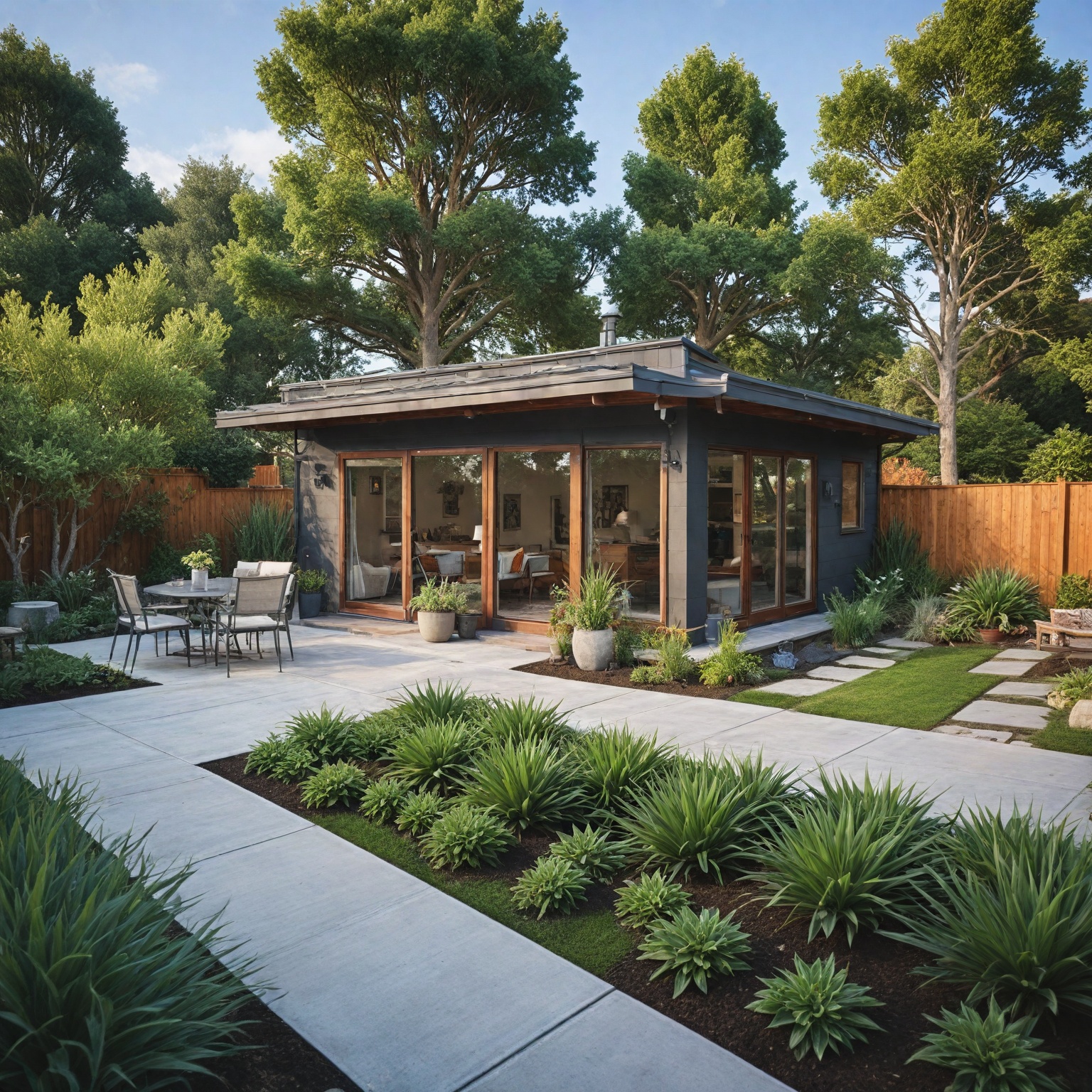
Accessory Dwelling Units (ADUs) are self-contained living spaces such as granny flats or backyard cottages, constructed on the same lot as a primary residence. They can be developed through converting existing spaces or building detached structures, with prefabricated units offering efficient cost and construction benefits. ADUs provide unique housing solutions, addressing affordability and multigenerational living needs, while growing local and state support signals increased acceptance in many areas.
Sustainable design considerations are becoming crucial, focusing on energy efficiency and minimizing environmental impact. While ADUs offer diverse options customized to fit homeowner needs, costs and feasibility depend significantly on local market conditions, labor costs, and the specific design chosen.
Factors Influencing ADU Costs
Cost factors for ADUs in 2026 are multifaceted, with construction methods, labor, materials, location, and design complexity all impacting final expenses. Understanding these elements is essential for making informed decisions about ADU projects.
Construction Methods
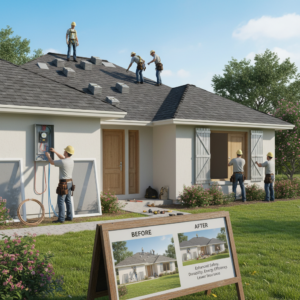
The construction method significantly influences ADU costs. Site-built ADUs allow for customization but can yield higher costs due to potential delays and site limitations. Alternatively, prefabricated units, built off-site and assembled on location, offer quicker builds and often lower expenses, making them an increasingly popular choice.
Labor and Materials
Labor costs generally make up 40% to 60% of the total construction budget, depending on local rates and project complexity. Material choices can also greatly affect costs, with a range of finishes available. Homeowners should factor in essential materials as part of their overall budget to accurately anticipate expenses.
Location and Zoning Regulations
Regional variations in labor and material costs, combined with local zoning regulations, create a wide range of potential expenses for ADU construction. Many cities are easing restrictions, which can simplify the approval process and may lead to lower costs, making it crucial for homeowners to familiarize themselves with local policies.
Size and Design Complexity
The size of an ADU directly affects its cost, with smaller units often being less expensive to build. Innovative designs, including smart technologies, can raise initial costs but may offer long-term savings. Homeowners can explore junior ADUs, typically under 500 square feet, which may come with reduced fees benefiting the budget.
Sustainable Features
Sustainable building practices are increasingly vital, driven by environmental goals and energy cost concerns. Integrated sustainable features can elevate upfront costs but lead to significant operational savings and enhanced property marketability. This trend aligns with a growing focus on reducing construction waste and optimizing energy use.
Additional Costs
Homeowners must also account for design fees, permits, and post-construction expenses when budgeting for an ADU. Permit costs fluctuate based on location, making it necessary to prepare for them early in the planning stages. Thorough budgeting for all potential expenses is key to avoiding surprises throughout the project.
Projected Cost Estimates for 2026
ADU construction costs in 2026 are anticipated to increase due to ongoing material and labor price appreciation. In California, the cost of building an ADU now averages around $430,000—up from approximately $300,000 in early 2021. The typical cost per square foot ranges between $150 and $400, with even higher costs possible in specific markets heavily influenced by regional economic factors.
Local permitting requirements and market demand continue to shape these costs, with state reforms aimed at simplifying the construction process. Homeowners can benefit from access to updated funding estimates to tailor their financial planning to specific project needs.
Policy and Regulatory Reforms
In 2026, changes in regulations and policies are reshaping ADU development, making it more feasible for homeowners. California has enacted significant laws aimed at easing permitting processes by expanding design options and reducing costs associated with ADUs, thereby enhancing their accessibility.
Regulations concerning size limits, parking, and setback requirements directly affect costs and should be carefully considered. Many municipalities offer practices, such as capped fees for smaller units, that enhance affordability. Similar efforts are also emerging in other states, demonstrating a commitment to promoting ADU construction across the U.S.
Financing and Incentives
Various financial support options exist for homeowners interested in constructing ADUs. In California, alternative strategies like home equity lines of credit and construction loans continue to provide funding avenues, despite the halting of state-level grant programs.
Local governments offer unique incentives, such as fee waivers and rebates aimed at enhancing affordability. Other states, like Massachusetts, are introducing financial programs aimed at assisting lower-income homeowners in accessing financing solutions designed for ADU construction, reflecting a broader commitment to increase affordable housing access.
Construction Technology Trends
Advancements in technology are transforming the ADU construction landscape, with modular and prefabricated methods gaining popularity for their efficiency and cost containment potential. These approaches minimize on-site disturbance and enable quicker, lower-cost construction while adding design flexibility.
Adopting sustainable materials and technologies in ADU projects is also becoming standard, with many designs focusing on energy efficiency and reduced environmental impact. Homeowners can consider these options to enhance both the marketability and operational savings of their units over time.
Urban Planning and Zoning
The evolving landscape of urban planning is increasingly accommodating ADUs as cities revise zoning laws to promote a variety of housing types. This approach enables the construction of diverse units, addressing housing shortages while fostering more inclusive neighborhoods.
Communities like Minneapolis and Portland are successfully integrating ADUs into their housing strategies, allowing homeowners to pursue these options without navigating excessive regulations. City-level incentives and community engagement initiatives further support broader acceptance of ADUs as practical housing solutions.
Benefits of ADUs
ADUs contribute significantly to homeowners’ financial stability, primarily through potential rental income, which aids in covering property expenses. This benefit, coupled with legislative reforms, often enhances property value and investment potential, appealing to a growing number of homeowners.
By facilitating multigenerational living, ADUs promote family cohesion while addressing affordability needs. Their role in expanding affordable housing stock presents a significant advantage, particularly in areas with limited development opportunities, aligning with broader societal goals of equitable housing access.
Challenges and Considerations
Homeowners embarking on ADU projects face various challenges that can impact their success. Navigating local zoning regulations remains a primary obstacle, with differing restrictions across regions influencing design and potential income generation.
The financial landscape adds complexity, as construction costs and permitting fees can fluctuate significantly depending on project specifics. Homeowners need to adequately prepare for these expenses and consult with experts to ensure feasibility.
Logistical considerations, including contractor management and utility coordination, further complicate the process. Engaging experts early can help mitigate risks and streamline project execution, ensuring a smoother development experience.
Future Outlook
The outlook for ADUs in 2026 is tied closely to ongoing efforts to address housing affordability in the U.S. The anticipated rise in ADU construction will depend on regional economic conditions, technological advancements, and the effectiveness of regulatory reforms.
As sustainability continues to dominate consumer preferences, future ADUs are expected to embrace energy-efficient practices while providing comfortable living spaces. Ongoing adaptation and transparency in policies will be critical in realizing the full potential of ADUs as a cornerstone of affordable housing strategies across the nation.
The content is provided by Avery Redwood, Home Upgrade News