Summary
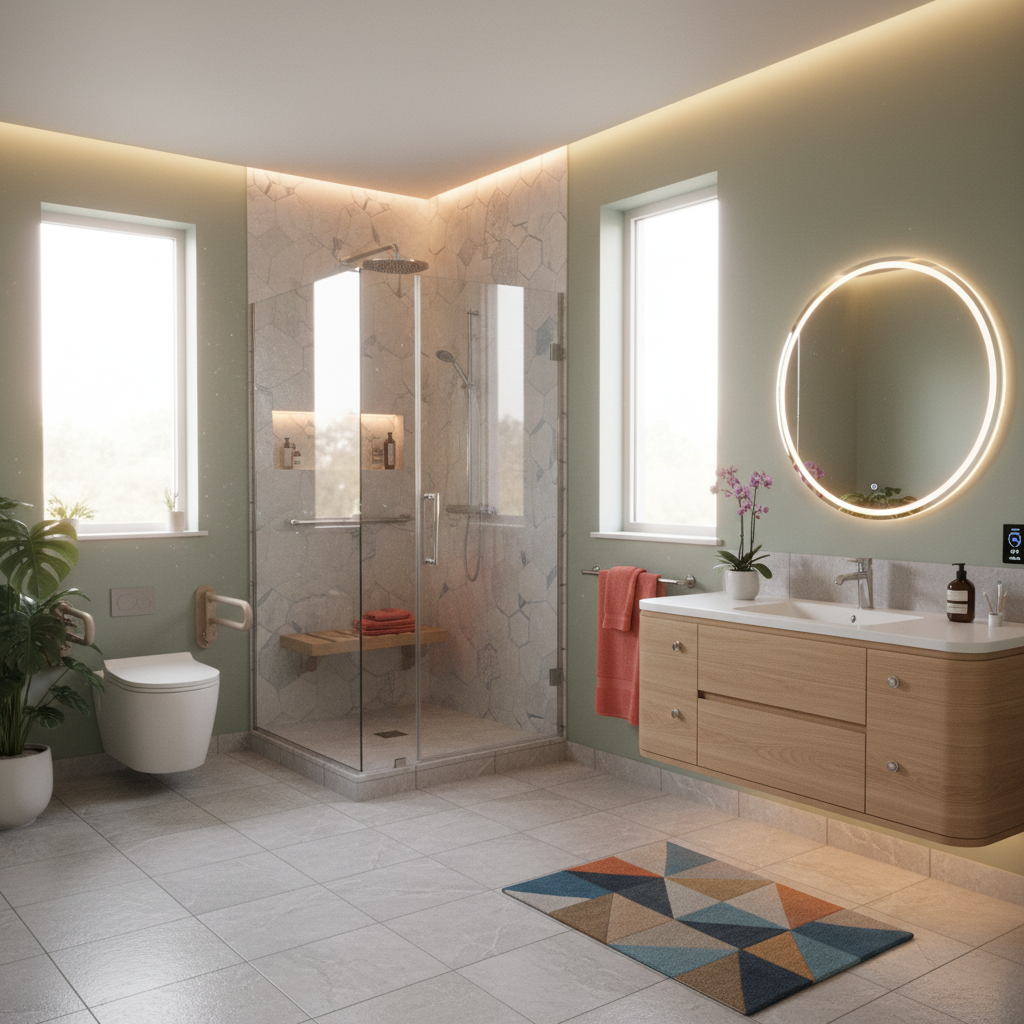
Creating a safe and stylish bathroom for seniors is essential to support their independence, comfort, and well-being as they age. Such bathrooms are carefully designed to address common mobility and health challenges faced by older adults, including diminished balance, strength, and vision, which increase the risk of falls and injuries in one of the most hazardous rooms in the home. Integrating safety features like grab bars, non-slip flooring, adequate lighting, and accessible fixtures with thoughtful aesthetic choices ensures that senior bathrooms promote both functionality and dignity.
This design approach balances practical adaptations—such as walk-in showers, comfort-height toilets, and anti-scald devices—with stylish materials and finishes that create welcoming, non-institutional spaces. Recognized standards, including the Americans with Disabilities Act (ADA) and guidelines from organizations like AARP, provide frameworks to ensure accessibility and usability while supporting seniors’ evolving needs. Collaborative planning, often involving occupational therapists and accessibility professionals, helps tailor bathroom modifications to individual preferences and abilities.
Despite widespread consensus on the importance of these features, challenges remain in seamlessly integrating safety without compromising style. Controversies can arise around the perceived trade-offs between aesthetics and function, with some critics cautioning against overly clinical designs that may deter use or reduce the home’s overall appeal. However, emerging trends emphasize innovative solutions that harmonize safety and elegance, reflecting a growing recognition that senior-friendly bathrooms should empower users while enhancing quality of life.
Overall, designing bathrooms for seniors requires a comprehensive understanding of physical limitations, safety risks, and personal preferences. By combining evidence-based safety measures with stylish, accessible design, these spaces can reduce fall risks, accommodate mobility aids, and foster independence—helping seniors maintain comfort and confidence in their daily routines.
Importance of Safe and Stylish Bathroom Design for Seniors
Creating a bathroom environment that balances safety with aesthetic appeal is crucial for enhancing the quality of life for seniors. A senior-friendly bathroom goes beyond mere cosmetic updates; it is thoughtfully designed to accommodate slower reaction times, diminished balance, and varying levels of physical strength, thereby promoting both comfort and independence. Such spaces support the use of mobility aids like canes and walkers, ensuring that older adults can navigate the bathroom safely without compromising on style.
Looking ahead to 2025, the integration of accessibility and mobility solutions will be a defining trend in bathroom design for seniors. This approach emphasizes creating spaces that not only meet the practical needs of individuals with diverse physical capabilities but also uphold their dignity and well-being through tasteful design choices. By focusing on these elements, bathrooms can become vital, supportive spaces within the home that enhance seniors’ daily living experiences.
Common Mobility and Health Challenges in Senior Bathrooms
As individuals age, they often experience a decline in mobility, balance, strength, and vision, all of which can significantly impact their ability to safely navigate and use a bathroom. These physical changes increase the risk of slips, trips, and falls, making the bathroom one of the most hazardous rooms in a senior’s home. For example, stepping over the edge of a bathtub or into a shower stall frequently requires standing on one leg, a maneuver that can be especially difficult for those with balance issues.
Mobility limitations may stem from chronic conditions such as arthritis or movement disorders like Parkinson’s disease, which can further impair physical function and daily activities including bathing and dressing. Visual impairments also contribute to heightened fall risk by making it harder to detect hazards like wet floors or obstacles. Moreover, even seniors who maintain good balance can still be vulnerable to sudden loss of footing, emphasizing the need for appropriate safety adaptations.
Falls among older adults are a serious concern: one in four older Americans falls each year, and a senior dies from a fall approximately every 19 minutes. These statistics underscore the critical importance of addressing the unique challenges seniors face in the bathroom environment through thoughtful design and supportive features that enhance stability, provide clear pathways, and reduce hazards.
Common Safety Hazards in Senior Bathrooms
Bathrooms pose unique safety challenges for seniors due to the combination of slippery surfaces, tight spaces, and the physical changes associated with aging. These hazards significantly increase the risk of falls and injuries among older adults, making bathroom safety a critical concern in senior living environments.
One of the primary hazards is the presence of slippery floors. Wet or damp surfaces in bathrooms can lead to slips, especially when flooring materials lack adequate slip resistance. The safety of flooring is often evaluated by its Coefficient of Friction (COF), with higher values indicating better slip resistance. Materials such as rubber, textured tiles, and non-slip vinyl are recommended for senior bathrooms to reduce the risk of falls. However, certain safety aids like shower mats, though intended to prevent slipping, can become tripping hazards if they bunch up or move unexpectedly.
Another significant risk involves water temperature. Seniors often experience diminished skin sensitivity and slower reaction times, increasing their vulnerability to scalding injuries. This risk is compounded by the decreased ability to detect hot water promptly. To mitigate this hazard, it is advised to maintain water heater temperatures at moderate levels and install anti-scald devices or thermostatic mixing valves to regulate water temperature and prevent sudden changes that could cause burns.
Inadequate lighting is also a common safety concern in senior bathrooms. Poor visibility can make it difficult for elderly individuals to navigate the space safely and identify potential hazards such as wet spots or obstacles. Effective lighting solutions include bright LED recessed lights, motion-sensor fixtures, and lighted switch plates, which enhance both safety and accessibility. Avoiding lighting that creates shadows is important to ensure uniform illumination throughout the bathroom.
Additionally, bathrooms are often constrained by limited space, which can hinder movement and increase the likelihood of accidents. The lack of supportive fixtures like grab bars or secure handholds further exacerbates the risk of falls and injuries in this environment. Proper design that prioritizes stability, clear pathways, and adequate support is essential to create a safer bathroom for seniors.
Key Design Principles for Senior-Friendly Bathrooms
Creating a senior-friendly bathroom requires a thoughtful balance of safety, accessibility, and aesthetics to promote independence and comfort for older adults. Central to these design principles is the enhancement of visibility and mobility while ensuring the space feels welcoming rather than institutional.
Safety and Accessibility Features
Good lighting is essential for improving safety and visibility in senior bathrooms. LED recessed can lights are recommended for their brightness and energy efficiency, helping seniors identify hazards such as wet floors. Motion-sensor lights and illuminated switch plates further enhance accessibility by simplifying operation. Avoiding fixtures that cast shadows is critical to maintaining consistent illumination throughout the space.
Key safety features include the installation of grab bars in strategic locations like showers and around toilets. These bars, ideally heavy-duty and non-slip, must be securely anchored to wall studs and positioned at heights between 33 to 36 inches to provide optimal support for standing, sitting, and balance maintenance. Shower seats and benches made from waterproof materials provide comfortable resting points during bathing, especially for seniors who require sitting assistance.
Flooring should be non-slip to reduce the risk of falls, a major concern since bathrooms are one of the most dangerous rooms for seniors. Anti-scald devices or thermostatic mixing valves are also critical to prevent burns from sudden temperature changes in water.
Spatial Considerations
Adequate maneuvering space is vital for seniors who use mobility aids such as walkers or wheelchairs. Doorways should be widened to at least 32 inches, and a turning radius of at least 60 inches in diameter should be maintained to allow a 180-degree turn for wheelchair users. Clear, unobstructed pathways between fixtures reduce tripping hazards and enable ease of movement throughout the bathroom.
Sufficient space around toilets, shower stalls, and sinks is necessary for comfortable transfers and usage. Double sinks with lowered or variable heights can improve functionality, while lever-style door handles that open outward maximize space and accessibility.
Design and Comfort
While safety and accessibility are paramount, design should not sacrifice style and comfort. Aesthetically pleasing, functional designs contribute to a welcoming atmosphere that supports dignity and independence for seniors. Features like adjustable-height vanities and auxiliary storage ensure that personal items remain easily reachable, enhancing daily hygiene routines without assistance.
Incorporating these key principles ensures that senior-friendly bathrooms are not only safe and accessible but also inviting spaces that cater to the evolving needs of older adults, ultimately improving their quality of life.
Recommended Bathroom Fixtures and Hardware for Seniors
Designing a bathroom that caters to the needs of seniors involves selecting fixtures and hardware that prioritize safety, accessibility, and comfort. Key recommended features include walk-in showers, comfort-height toilets, grab bars, shower seats, and user-friendly faucets, all of which contribute to reducing fall risks and enhancing independence.
Walk-in showers with zero-threshold entry are essential fixtures in senior-friendly bathrooms. These showers eliminate the need to step over high edges, allowing easy access for wheelchair users or those with limited mobility. They often feature non-slip surfaces and handheld showerheads to increase comfort and safety. Incorporating multiple slip prevention elements within these showers can further minimize fall hazards. Additionally, walk-in tubs with built-in seats and bath lift chairs offer safe bathing options by allowing users to sit while bathing and facilitating easy transfers.
Comfort-height toilets, designed to reduce joint strain, make sitting down and standing up easier for seniors with mobility challenges. These toilets generally measure between 17 and 19 inches from floor to seat, conforming to ADA standards. Toilets with built-in bidets and touchless or push-button flush mechanisms enhance hygiene and usability while preserving valuable bathroom space.
Grab bars are crucial for stability and support throughout the bathroom. Beyond traditional straight bars, innovative designs like the curved Grabcessories 2-in-1 Tub and Shower Grab Ring offer aesthetic and functional alternatives that wrap around fixtures, providing assistance in common areas where seniors require support. Strategic placement of grab bars near toilets, showers, and tubs supports safe transfers and balance.
Seating options such as shower seats and transfer benches are recommended for seniors who need to bathe while seated. These provide a secure and comfortable space and can be installed in both walk-in showers and bathtubs. Lever-style faucets, which require less hand strength and dexterity to operate, are preferred over traditional knobs, especially for seniors with arthritis or limited hand mobility.
Additional hardware considerations include ensuring ample, well-distributed lighting to reduce the risk of accidents, installing medicine cabinets at accessible heights, and adjusting water temperature controls to prevent burns. Incorporating medical alert devices with waterproof call buttons and fall detection capabilities within reach of toilets, showers, and bathtubs adds an essential safety net for emergencies.
Materials and Finishes Combining Safety and Style
Choosing the right materials and finishes is crucial when designing a bathroom that is both safe and aesthetically pleasing for seniors. Flooring options must prioritize water resistance, durability, and slip resistance to minimize the risk of falls while complementing the overall design.
Vinyl flooring offers a practical balance of comfort and water resistance. Its cushiony texture provides a softer surface compared to harder materials, making it comfortable underfoot. Luxury vinyl, in particular, elevates style by mimicking natural materials like wood and stone without the high maintenance requirements, thus combining beauty with functionality. Rubber flooring is another excellent choice, renowned for its natural water resistance and superior slip resistance. Its textured surface provides excellent traction, significantly reducing slip hazards in wet areas such as bathrooms and laundry rooms. The incorporation of specialized products like 43mm Senior Care Tiles, which feature built-in drainage to allow excess water to pass through, further enhances safety and durability.
Textured porcelain tiles also rank highly in safety due to their excellent grip, especially when laid in smaller tile formats that increase slip resistance. These tiles offer both longevity and ease of maintenance, making them suitable for senior-friendly bathrooms. Slip resistance in these materials is often measured by the Coefficient of Friction (COF), with higher values indicating safer surfaces. Materials like rubber, textured tile, and non-slip vinyl are manufactured to meet strict safety standards and are commonly used in environments catering to seniors or individuals with limited mobility.
Beyond safety, the selection of materials and finishes should also consider accessibility and comfort. For instance, fixtures and finishes that facilitate cleaning and mobility—such as wall-mounted vanities and toilets with built-in bidets or push-button flush mechanisms—can enhance independence while maintaining a stylish appearance. Overall, combining safety features with elegant and functional design elements ensures that senior bathrooms are welcoming spaces that support both mobility and quality of life.
Integrating Safety Features Without Compromising Style
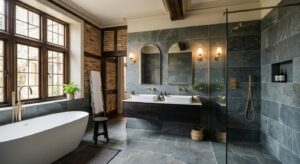
Creating a bathroom that is both safe and stylish for seniors requires thoughtful integration of safety features that enhance accessibility without detracting from the overall aesthetic. One effective approach is to choose materials and fixtures that combine functionality with modern design, ensuring the space remains inviting and comfortable.
Slip-resistant flooring is essential in reducing fall risks, especially in wet areas. Options such as textured vinyl, rubber flooring, and slip-resistant ceramic tiles offer excellent traction while maintaining a polished look. Luxury vinyl, in particular, provides a stylish alternative by mimicking natural wood or stone finishes, combining elegance with practicality. Rubber flooring, known for its superior non-slip properties, is also an excellent choice for safety-conscious designs. For those on a budget, adding non-slip mats or rugs with secure rubber backing can enhance safety without major renovations; however, it is crucial to select mats that do not create additional trip hazards.
Lighting plays a dual role in safety and style. Installing bright, energy-efficient LED recessed can lights or motion-sensor lighting improves visibility in critical areas such as showers, bathtubs, and vanities while contributing to a modern and clean design aesthetic. Avoiding fixtures that cast shadows ensures even illumination, reducing hidden hazards and creating a welcoming ambiance. Lighted switch plates further improve accessibility and add a contemporary touch to the space.
Strategically placed grab bars can be seamlessly incorporated into the bathroom design to provide essential support without compromising style. Selecting heavy-duty, non-slip grab bars with sleek finishes and installing them at appropriate heights—generally 33 to 36 inches from the floor—ensures functionality and aesthetic coherence. Vertical or angled bars near the toilet aid in standing, while horizontal bars assist with balance and sitting. Professional consultation is recommended to integrate these elements smoothly into the existing décor and to ensure secure installation.
Additional considerations include installing accessible fixtures such as walk-in tubs and handheld showerheads, which offer safety benefits while enhancing user convenience and maintaining a modern look. Organizing storage with stylish yet functional solutions like over-the-toilet shelves or clear plastic drawers keeps essentials within reach and reduces clutter. Incorporating an emergency call system discreetly adds a critical safety feature without disrupting design harmony.
By thoughtfully selecting materials, fixtures, and lighting, and by consulting professionals when needed, it is possible to create a bathroom environment that balances safety and style, empowering seniors to maintain independence with dignity and comfort.
Recognized Standards and Guidelines for Senior Bathroom Design
Designing bathrooms that are safe and accessible for seniors involves adherence to recognized standards and guidelines, which ensure both functionality and inclusivity. One of the primary frameworks guiding such designs is the Americans with Disabilities Act (ADA), which provides comprehensive requirements to create accessible environments for individuals with disabilities, including older adults.
The ADA standards emphasize features such as securely anchored grab bars, proper fixture placement, and sufficient maneuvering space. For example, grab bars should be firmly attached to wall studs to provide reliable support, reducing the risk of falls. Furthermore, the layout must include a turning space with a minimum diameter of 60 inches to allow wheelchair users to make a 180-degree turn comfortably and independently. These spatial requirements are critical in ensuring ease of movement and autonomy for seniors with mobility challenges.
In addition to the ADA, the U.S. Access
Planning and Implementation
When planning a safe and stylish bathroom for seniors, it is crucial to focus on creating an environment that accommodates current and future mobility needs while ensuring safety and comfort. Ample maneuverability space should be a primary consideration to allow easy use of assistive devices such as canes, walkers, or wheelchairs around essential bathroom fixtures. Integrating ADA-compliant features not only meets legal standards but also enhances accessibility and long-term value for all users.
Collaboration with the bathroom’s future users is essential during the design and remodeling process. Involving seniors in decision-making helps tailor modifications to their specific needs and preferences, making the space truly functional and supportive. Occupational therapists often play a key role in identifying challenges in daily bathroom tasks and recommending appropriate adaptations that promote independence and reduce anxiety during self-care routines.
Key safety modifications include the correct installation of grab bars near the toilet and shower, which significantly reduces fall risk and enhances stability. Such upgrades are often cost-effective, with grab bar installations ranging from $100 to $500, making them accessible for most budgets. Other practical changes may involve converting tubs to walk-in showers to reduce slipping hazards and selecting low-maintenance materials and fixtures that simplify daily upkeep.
In addition to interior adjustments, attention should be paid to the approach to the bathroom, ensuring that pathways are clear and safe as mobility changes over time. Regular evaluation of bathroom safety is important to adapt to evolving needs, helping to prevent accidents and support aging in place effectively.
Engaging accessibility professionals can assist in product selection and installation, ensuring that the modifications align with recognized standards and address common challenges faced by seniors. By thoughtfully planning and implementing these design considerations, bathrooms can be transformed into spaces that are not only safe and functional but also stylish and welcoming for seniors and their caregivers alike.
Case Studies and Examples
Several studies and expert recommendations highlight effective strategies to enhance bathroom safety for seniors while maintaining style and comfort. For instance, interventional studies funded by the National Institute on Aging (NIA) have demonstrated positive outcomes of physical activity and exercise on maintaining mobility among older adults, which directly impacts their ability to safely navigate home environments, including bathrooms. Given that two-thirds of older adults discharged from hospitals face new difficulties with activities of daily living (ADLs) such as walking, ensuring bathroom safety is critical for their continued independence.
Occupational therapists play a crucial role in fall prevention through home modifications tailored to individual needs. A study by Maggi et al. (2018) underscores the importance of such modifications, particularly in bathrooms, as these spaces account for a significant proportion of falls among seniors. Professional installation of grab bars in strategic locations like showers and beside toilets is widely recommended as a gold standard safety measure. Consulting occupational therapists before installation helps determine optimal placement and height based on the user’s specific physical and visual requirements.
Industry specialists also emphasize practical advice on reducing hazards in the home, with a focus on bathroom environments. Affordable Medical USA, for example, highlights that many seniors over 65 experience falls each year, with the bathroom being a frequent site of these incidents. Creating a safe restroom environment supports independent living and helps prevent accidents. Simple yet effective modifications such as replacing slippery tile floors with slip-resistant materials like textured vinyl or rubber flooring, along with adding non-slip bath mats outside wet areas, further reduce fall risk while contributing to the overall safety of the bathroom.
Looking forward, design trends for senior-friendly bathrooms are evolving to blend safety with style. Experts predict that by 2025, accessibility and mobility solutions will be integral to bathroom designs, focusing on creating spaces that support the well-being and dignity of older adults. These innovations aim to make bathrooms not only functional but also comfortable and aesthetically pleasing, ensuring that seniors can navigate their living spaces with ease and confidence.
Together, these studies and practical examples underscore the importance of a holistic approach combining professional assessment, thoughtful design, and targeted modifications to create bathrooms that are both safe and stylish for seniors.
The content is provided by Harper Eastwood, Home Upgrade News