Summary
The Color of the Year is an influential annual designation made by leading paint and design companies, including Benjamin Moore, Sherwin-Williams, Pantone, and others, which highlights hues expected to shape trends in interior design, fashion, and broader cultural aesthetics for the upcoming year. These selections are based on extensive research, trend analysis, and cultural insights, reflecting societal moods, technological advancements in paint, and evolving consumer preferences. The 2026 Colors of the Year notably emphasize a blend of grounding earth tones, rich vintage-inspired shades, and vibrant, expressive hues that foster creativity, renewal, and individuality across multiple design disciplines.
The 2026 palette prominently features warm rusts, deep burgundy, olive greens, and unexpected shades of green that symbolize vitality and a renewed connection to nature, alongside ethereal lavenders and calming blues that balance vibrancy with subtlety. This color range has been embraced by interior designers and fashion industries alike, shaping trends from home décor to seasonal fashion collections showcased at major events like London and New York Fashion Weeks. Innovations such as the COLOR ATLAS 26/27 and COLORBARK Palettes support designers in strategically applying these colors to create environments that influence mood and well-being.
The 2026 Color of the Year announcements have elicited varied reactions within the design community, highlighting the diverse methodologies used by different authorities and the cultural narratives embodied by each hue. Notably, these trends intersect with broader social and environmental concerns, appealing to eco-conscious consumers and reflecting a shift toward sustainability and emotional resonance in design choices. Young House Love, a prominent design commentary platform, actively tracks and analyzes these yearly announcements, offering insights into evolving styles and predicting future trends through interactive community engagement.
As the convergence of fashion, interior design, and technology continues to deepen, the impact of Color of the Year selections for 2026 is expected to extend beyond aesthetics, influencing psychological well-being and cultural expression. These trends underscore a holistic design approach that values environmental consciousness and human-centered spaces, setting a precedent for future color forecasts in an ever-changing creative landscape.
Background
The concept of a “Color of the Year” has become an influential tradition in the design and paint industries, where leading companies such as Benjamin Moore, Sherwin-Williams, and Pantone announce hues they believe will dominate the upcoming year. These selections are not merely marketing tools; they reflect extensive research, expert intuition, and observations of broader cultural moods, consumer behavior, and emerging design trends. Each brand employs its own methodology to forecast these colors, aiming to capture a larger narrative—such as a return to nature, hope, or tranquility—that resonates across fashion, home décor, and industrial design.
The annual announcements often occur mid-year, as was the case for the 2026 colors revealed by the end of July 2025, sparking excitement and anticipation within the design community. The process involves color experts analyzing influences from diverse sectors including entertainment, travel, socio-economic conditions, and technological advancements in paint formulations. As paint technologies evolve to offer more user-friendly and durable options, the chosen colors also reflect these advancements, shifting from purely visual elements to strategic design decisions that shape the ambiance and psychological impact of interior spaces.
This evolving significance of color is highlighted by tools like COLOR ATLAS 26/27 and the upcoming COLORBARK Palettes, which assist designers in making confident and forward-looking color choices. Through these innovations, color is increasingly recognized not just as an aesthetic layer but as an integral component of design strategy that influences mood and environment. Notably, some selections, such as Pantone’s introduction of a newly created shade for its Color of the Year, demonstrate the dynamic and inventive nature of this annual tradition, which has engaged the design community worldwide for over two decades.
2026 Color of the Year Trends
The color trends for 2026 reflect a blend of grounding earth tones, rich vintage-inspired shades, and vibrant, expressive hues that encourage creativity and innovation. Emerging from prominent events like London Fashion Week (LFW) and New York Fashion Week (NYFW), these palettes reveal a dynamic interplay between muted, sophisticated colors and brighter accents that invigorate interiors and fashion alike.
A key characteristic of the 2026 palette is the emphasis on rich, earthy tones such as deep burgundy, warm rust, mustard yellow, and dark olive, which provide a timeless and elegant foundation. These are complemented by vaporous and ethereal shades like lavender blue and tinted whites, contributing a sense of calm and subtlety. Bright reds and eco-inspired blues and greens inject vibrancy and a modern edge, enhancing the overall narrative of renewal and individuality.
Several paint companies have announced their 2026 Colors of the Year, highlighting a range of interpretations within this trend. Behr’s pick, “Hidden Gem,” is described as a smoky jade with an air of mystery—bold yet sufficiently muted to function well as a versatile wall color. This color exemplifies the balance of colorfulness and desaturation seen across the palette, fitting seamlessly with natural materials and metallic accents in interior design.
Experts also point to specific shades gaining momentum in 2026. Warm rusts and terracotta tones, like “Cinnamon Spice” by Glidden, continue to be popular, evoking warmth and comfort. Meanwhile, brighter hues such as “Aerial View” by Behr—a sky blue—are predicted to brighten spaces with a calming, peaceful atmosphere. Plum and purple-based shades, including “Purple Basil” by Glidden, are also trending as homeowners move away from gray tones toward more full-bodied, vibrant colors.
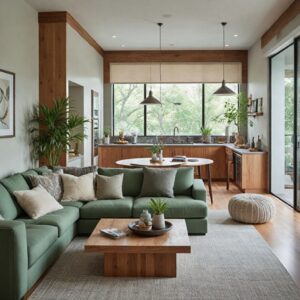
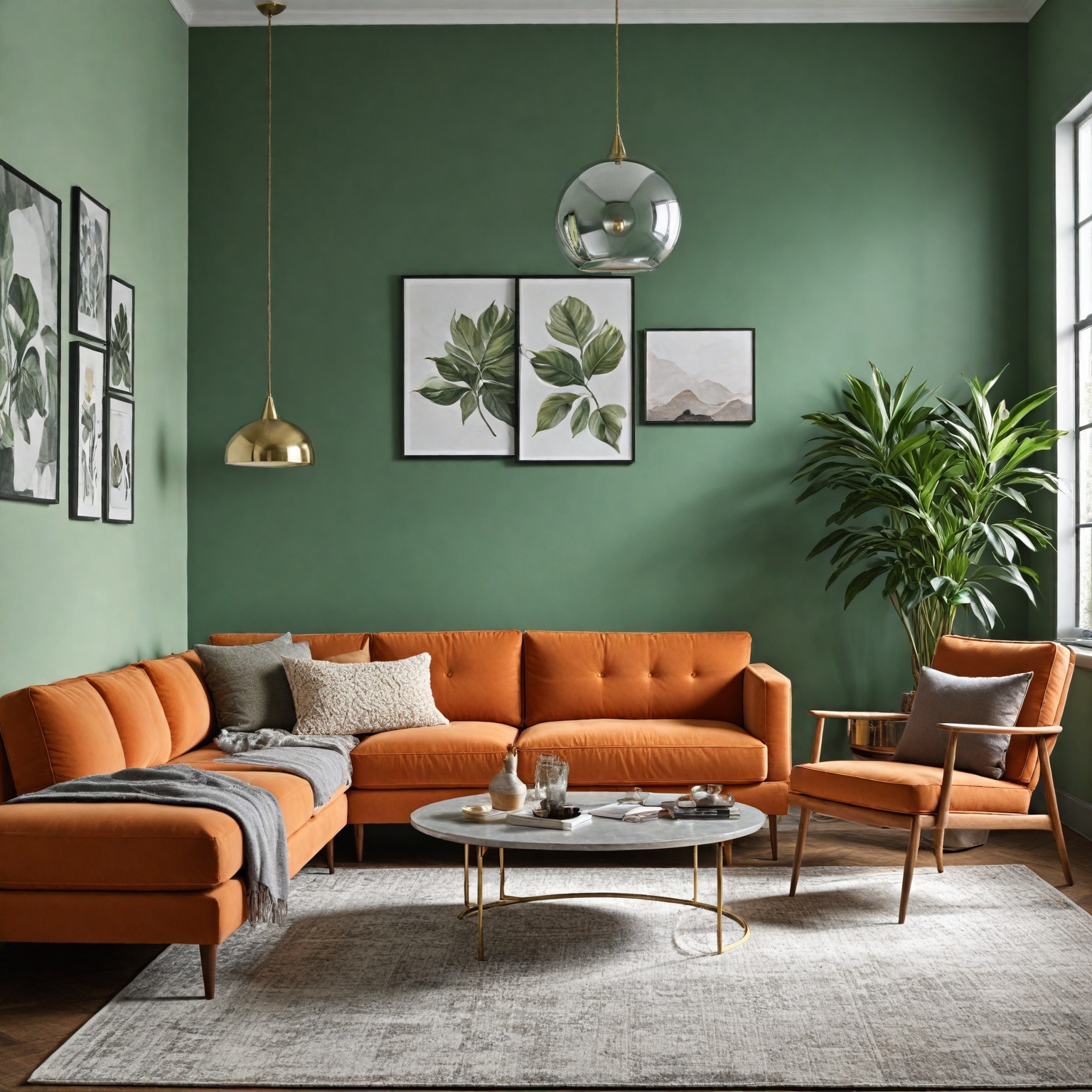
Green emerges as a particularly significant color for 2026, symbolizing new beginnings, vitality, and a connection to nature. The trend leans toward unusual shades of green—often yellow-based and olive-tinged—that offer a “weird,” yet appealing complexity. These greens are versatile and intriguing, adding depth and character to interiors and requiring some time for widespread acceptance. This direction reflects a broader interest in colors that are both natural and invigorating, with a focus on freshness and rejuvenation.
Applications of 2026 Color Trends
The 2026 color trends are shaping multiple facets of design, influencing not only fashion but also interior decoration and lifestyle choices. Rooted in a blend of grounding earthy tones and vibrant, expressive hues, these colors are being embraced for their ability to evoke mood, personality, and narrative across different environments.
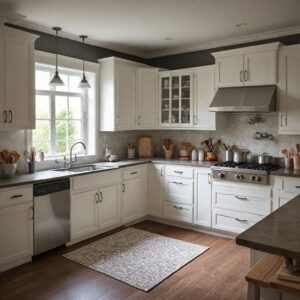
In interior design, the trend towards vintage-inspired, warm shades like terracotta, cinnamon spice, and rich browns fosters a sense of comfort and nostalgia while adding sophistication to living spaces. Designers and homeowners are increasingly integrating these hues with multifunctional furniture and sustainable materials, creating interiors that balance style and practicality. Additionally, the palette includes calming colors such as sage green, cream, pale blue, and daffodil yellow, particularly favored in bedrooms to promote reflection and rest. The use of olive green exemplifies the psychological dimension of color choice, symbolizing peace, harmony, and compassion, thus influencing not only aesthetics but also occupants’ mindsets.
The versatility of certain hues, like blue-green tones, allows for diverse applications from entire room treatments to accent pieces such as powder rooms or furniture updates. Variations in paint finishes further modulate the mood, where high gloss enhances vibrancy and dimensionality, and flat finishes provide a soothing ambiance. The BEHR 2026 Color Trends Palette, for instance, showcases a wide range of 20 colors from cool mid-tones and soft pastels to warm neutrals and vibrant shades, reflecting the multifaceted approach to color usage.
In fashion, the color trends observed at London and New York Fashion Weeks signal a narrative of contrast and innovation. London’s palette leans towards rich, earthy tones like deep burgundy and dark olive that evoke timeless elegance, while New York presents vintage warmth with soft pinks and muted yellows complemented by dramatic deep blues and rich reds. These trends highlight a movement toward personal creativity and reinvention, encouraging the use of bold reds and eco-inspired blues and greens that add vibrancy and freshness to seasonal collections.
Industry and Community Reactions
The announcement of the Color of the Year for 2026 has sparked significant interest and varied reactions within both the design industry and broader creative communities. Color experts from different companies employ distinct methodologies to forecast a hue that will dominate the coming year, often aligning their choices with broader design trends or cultural moods such as hope, joy, or a renewed connection to nature. These selections not only influence paint, décor, and fashion but also serve as a reflection of societal attitudes and emerging consumer preferences.
Designers and trend forecasters have noted the dynamic interplay between grounding, familiar hues and bold, expressive tones in the upcoming palettes for 2026. Influences from major fashion events like London Fashion Week and New York Fashion Week highlight themes of contrast, heritage, and innovation, encouraging personal creativity and reinvention through colors like Lavender Blue, Dessert Sun, and Magical Forest. This nuanced approach resonates with creatives who seek to balance tradition with modernity in their work.
Industry tools such as the COLOR ATLAS 26/27 and COLORBARK Palettes are being embraced by designers to move beyond guesswork and make strategic, confident color decisions. The emphasis on color as a fundamental design strategy rather than just a visual element underscores a shift toward more intentional and impactful use of color in projects. Reports like the biennial Trendsight Team’s color trend report further support this evolution by providing expertly curated palettes that dive deep into specific color families set to influence the future of design.
Moreover, the focus on eco-conscious consumers has elevated the role of pivotal shades that can enhance brand offerings while aligning with sustainability values. This aspect has been particularly well received by communities prioritizing environmental awareness, as color trends increasingly intersect with broader social and ethical concerns. Overall, the industry and community reactions reflect a sophisticated understanding of color’s power to communicate, inspire, and connect in 2026 and beyond.
Young House Love Perspective
Young House Love provides a dynamic and ongoing commentary on the Colors of the Year (COTYs) as announced by various major paint manufacturers. Their approach involves tracking these yearly announcements over time to observe how styles and brand choices shift and evolve from year to year. This retrospective tracking includes highlighting some of the more unusual colors, such as the memorable hue affectionately nicknamed “hot dog.” The team updates their posts continuously as new 2026 COTYs are revealed, also referencing their previous recaps for 2024 and 2025 to provide context and continuity.
In addition to cataloging official selections, Young House Love engages in making their own color predictions. They publicly share these forecasts, traditionally via Instagram stories, offering an interactive way for followers to compare actual outcomes with their guesses. This method not only serves as a marketing tool but also provides insight into design trends and consumer moods that brands aim to capture, such as themes of hope, a return to nature, or the embrace of rest.
The selection process behind these colors varies by brand but generally involves an amalgamation of research, trend reports, and industry analysis. These elements contribute to the development of annual forecasts, like the Colormix Forecast, from which the Color of the Year is often derived. Through this lens, Young House Love highlights the strategic and sometimes intuitive nature of these choices, emphasizing that color trend prediction requires both experience and dedicated research.
Comparison with Other Color Authorities’ Predictions
Each color authority employs a unique methodology to forecast the Color of the Year, aiming to predict hues that will dominate design trends across various industries such as paint, fashion, and interior decor. These predictions often reflect broader cultural moods or design movements, like a return to nature or expressions of hope and joy. The skill of predicting color trends relies heavily on extensive experience, research, and a degree of intuition, particularly as advancements in paint technology influence popular shade selections.
For 2026, multiple prominent color authorities have announced their picks, showcasing a range of tones from grounding neutrals to bold, expressive colors that promote creativity and reinvention. The Pantone Color Institute’s forecast for the London Fashion Week Autumn/Winter 2025-2026 palette emphasizes a balance of creativity, heritage, and change, underscoring a dynamic interplay of hues. Meanwhile, WGSN and Coloro have designated Transformative Teal as their 2026 Color of the Year, a shade that symbolizes freshness, calm, and restoration. This choice reflects a societal shift towards challenging old ideas and prioritizing urgent changes in how communities and industries function.
Historically, WGSN and Coloro’s previous selections—such as Digital Lavender for 2023, Apricot Crush for 2024, and Future Dusk for 2025—have influenced a broad spectrum of sectors, including fashion, beauty, interiors, and packaging. Their consistent focus on hues that resonate with contemporary cultural and environmental concerns distinguishes their predictions. In contrast, paint manufacturers often choose colors or palettes that capture current design trends, sometimes resulting in bold or unconventional picks. This ongoing diversity in predictions highlights the varying perspectives and priorities among color authorities, which will continue to evolve as additional 2026 Colors of the Year are announced.
Impact and Future Predictions
The influence of Color of the Year selections extends beyond mere aesthetics, affecting psychological well-being and shaping design trends across various industries. Interior environments, for example, can impact mood and mindset daily, with colors like olive green symbolizing peace, harmony, and compassion, thus contributing to a calming and human-centered atmosphere in living spaces. This psychological layer adds depth to the role of color in interior design, making it a vital consideration for creating meaningful environments.
The correlation between fashion and interior design color trends has become increasingly evident. Analysis of color palettes from major fashion weeks in New York and London reveals that many Colors of the Year chosen by leading paint brands such as Sherwin-Williams, Benjamin Moore, and the Pantone Color Institute closely align with these fashion forecasts. This synergy suggests a broader design movement towards specific hues that resonate culturally and aesthetically across multiple sectors.
Predicting these trends requires a blend of extensive research, experience, and intuitive insight. Color experts employ various methodologies to identify hues that will dominate the following year, often linking them to larger design themes like a return to nature or prevailing cultural moods such as hope and joy. Advances in paint technology also influence these selections by enabling more user-friendly and durable color options, which in turn affect consumer preferences and industry standards.
Looking ahead to 2026, these trends point toward a continuation of bold, nature-inspired colors and sustainable materials, reflecting a holistic approach to design that prioritizes both environmental consciousness and emotional resonance. As the design world increasingly converges across disciplines, the impact of Color of the Year choices will likely deepen, guiding not only aesthetic decisions but also the cultural narratives embedded within spaces and products.
The content is provided by Sierra Knightley, Home Upgrade News