Summary
10 Creative Ways to Fill Your Home with Natural Light explores innovative architectural and interior design strategies to maximize daylight in residential spaces. Emphasizing the aesthetic, environmental, and health benefits of natural light, the article highlights how thoughtful planning and materials can transform homes into bright, energy-efficient, and inviting environments.
Natural light reduces dependence on artificial lighting, contributing to energy conservation and lowering utility costs, while promoting occupants’ well-being through improved mood, circadian rhythm regulation, and stress reduction. The article examines both traditional approaches—such as optimal building orientation and window placement—and advanced technologies like smart glazing and tubular daylighting devices that bring sunlight into interior or windowless areas.
Interior design techniques including open floor plans, reflective surfaces, light-colored finishes, and the strategic use of glass elements are detailed as effective means to enhance light distribution and visual comfort. Complementary natural decor elements, such as bright-light houseplants and translucent furnishings, are also discussed for their role in enriching spaces filled with daylight.
The article addresses practical considerations and challenges, such as balancing light with glare and heat gain, and adapting designs to seasonal and geographic variations to maintain comfort year-round. By integrating creative architectural solutions and emerging technologies, homeowners and designers can successfully harness natural light to improve both the sustainability and livability of residential spaces.
Benefits of Natural Light
Natural light offers numerous benefits that enhance both the aesthetic and environmental quality of interior spaces. It is a fundamental element in sustainable interior design, as it reduces the reliance on artificial lighting, thereby conserving energy and lowering utility costs. By allowing daylight to enter through windows, skylights, and other exterior glass openings, natural lighting contributes significantly to a building’s energy efficiency and overall sustainability.
Beyond its environmental advantages, natural light plays a vital role in promoting health and well-being. Exposure to sunlight helps with vitamin D absorption, regulates circadian rhythms, and boosts serotonin levels, all of which contribute to improved mood, higher energy levels, and reduced stress. Studies have shown that environments enriched with natural light can lower cortisol levels, the hormone associated with stress, thereby enhancing occupants’ comfort and productivity.
Aesthetically, natural light transforms indoor spaces by creating a sense of openness and spaciousness. It highlights architectural features and interior design elements such as colors and textures, making them appear more vibrant and engaging. Thoughtful use of natural light can also improve visual comfort, making rooms feel brighter and more inviting, which positively impacts occupants’ emotional well-being.
Architectural Considerations
Maximizing natural light in a home begins with thoughtful architectural planning that integrates building orientation, window design, material choices, and spatial configuration. The orientation of the building plays a critical role in how sunlight enters interior spaces. For example, in the Northern Hemisphere, south-facing windows are optimal for capturing the most sunlight throughout the day, while window placement on east or west façades can influence morning or evening light exposure respectively. To optimize solar access, deviations from a due south orientation should not exceed 15°, and floor depths ideally remain within 60 feet to ensure effective daylight penetration.
Window design is a crucial factor in daylighting strategy. Larger windows generally allow more daylight but must be balanced with the architectural style and room function to avoid energy inefficiency. Various window types, such as floor-to-ceiling windows, clerestory windows, or skylights, can be used strategically to enhance light entry and maintain privacy. Incorporating dynamic exterior shading devices—like overhangs, light shelves, and louvers—helps control glare and solar heat gain, especially in hot climates, while still diffusing natural light indoors.
Material selection further influences how natural light is managed within a home. The use of light-enhancing materials such as glass partitions, translucent surfaces, and reflective elements can amplify and distribute sunlight, creating brighter and more inviting interiors. Glass technologies—including low-emissivity coatings, double or triple glazing, and gas fills—improve energy efficiency by reducing heat transfer and blocking UV rays, which also protects furnishings from sun damage. Innovative glazing options, such as switchable or smart windows, offer dynamic control over light transmission and contribute to sustainability goals.
Spatial planning complements these elements by considering building massing and interior layouts that avoid obstructing light flow. Open floor plans and reduced use of heavy furniture or solid doors facilitate the movement of natural light deeper into rooms. Additionally, architectural features like tubular skylights or sun tunnels can bring sunlight to interior or windowless spaces, such as basements or inner rooms, without compromising design integrity.
Taken together, these architectural considerations require an integrated design approach that balances daylighting goals with energy performance, occupant comfort, and aesthetic appeal to create homes that are not only bright and welcoming but also environmentally responsible.
Interior Design Strategies
Maximizing natural light in a home is a fundamental goal of interior design, as it enhances the feeling of spaciousness, warmth, and comfort. Several design strategies can be employed to optimize light flow and distribution throughout living spaces.
One of the most effective methods is the use of open floor plans. By minimizing interior walls and partitions, natural light can travel freely between rooms, illuminating the entire area more evenly and reducing reliance on artificial lighting. Partial walls, columns, or translucent dividers can be used to maintain some privacy or acoustics without compromising light penetration. The strategic arrangement of furniture further supports light flow by preventing obstructions and encouraging an open, airy atmosphere.
Incorporating reflective and light-enhancing surfaces is another powerful approach. Glossy, metallic, and mirrored finishes scatter and diffuse sunlight, acting as secondary light sources that brighten even hidden corners of a room. Examples include mirrored furniture pieces, high-gloss flooring, metallic light fixtures, and mirror-backed bookshelves, all of which amplify natural illumination with subtle elegance. High-gloss paint, especially on ceilings, can also add a reflective quality that boosts light levels and contributes to a more luminous environment.
The thoughtful use of glass elements—such as glass doors, partitions, and large windows—further increases light transmission and openness. Glazed doors and glass panels allow light to pass effortlessly between rooms, breaking down visual barriers while maintaining spatial definition. Skylights and solar tubes channel daylight from above, which is particularly beneficial in homes with limited exterior window space or in densely built neighborhoods.
Color choices play a crucial role in light enhancement. Light hues on walls, ceilings, and floors reflect more sunlight, making spaces feel brighter and larger. Neutral or pastel shades, white ceilings, and light-colored hardwoods or tiles are recommended to maximize light reflection. Additionally, replacing solid doors with translucent or glass alternatives can increase natural luminosity without sacrificing privacy, especially when combined with features like transom windows that add light above doors without compromising seclusion.
Together, these interior design strategies create inviting, radiant homes that harness the full potential of natural light, improving energy efficiency and elevating the overall aesthetic.
Creative Architectural and Design Techniques
Architects and designers employ a variety of creative architectural and design techniques to maximize natural light within homes, enhancing both aesthetic appeal and energy efficiency. A fundamental approach involves the strategic use of daylighting methods that thoughtfully manipulate a building’s layout to optimize sunlight exposure throughout the day. During the planning phase, careful consideration of external factors such as trees, neighboring buildings, and the building’s own structural elements is essential to avoid obstructing sunlight.
One effective architectural strategy is the incorporation of atriums and interior courtyards. These central open spaces allow abundant natural light to penetrate deep into a building’s interior, serving as both architectural focal points and contributors to improved natural ventilation. Similarly, skylights and sun tunnels—tubular skylights designed to channel sunlight from the roof into otherwise dark or hard-to-reach rooms—are innovative solutions particularly suited to modern and minimalist architectural styles focused on enhancing natural light flow. Light wells and fiber optic systems also enable daylight capture in lower-ground or poorly lit spaces by funneling sunlight into these areas.
Daylight redirection devices are another important design element; they redirect direct beam sunlight onto ceilings or other surfaces, reducing glare for occupants while distributing light deeper into rooms that would otherwise receive limited daylight. Additionally, electric lighting systems can be zoned to complement natural light patterns, allowing for dimming or switching off lights in areas with adequate daylight, thus reducing energy consumption.
Surface treatments and material choices play a significant role in enhancing natural illumination. Glossy and metallic surfaces scatter and reflect light, softly brightening hidden corners and expanding the perceived light within a space. Light-colored walls and exterior surfaces act as mirrors, bouncing sunlight into and around the home to increase ambient brightness. Even exterior elements like light-colored driveways or patios can amplify natural light by reflecting it toward the building.
Interior design choices further contribute to natural light flow. Replacing solid interior doors with glass or translucent alternatives such as French doors or glazed doors facilitates the transfer of light between rooms without sacrificing privacy in less sensitive areas. Transom windows placed above doors are a subtle architectural feature that increases light penetration while maintaining seclusion.
Materials and Technologies to Maximize Natural Light
Maximizing natural light in homes involves the use of advanced materials and technologies that enhance daylight penetration while improving energy efficiency. Window frame materials play a crucial role in this regard. Vinyl, wood, fiberglass, and certain composite frames offer superior thermal resistance compared to metal frames, which, despite being strong and lightweight, conduct heat rapidly and provide poor insulation. Composite window frames, made from engineered wood products combined with polymers, deliver stability, excellent structural and thermal performance, and enhanced moisture and decay resistance.
Glass technology also significantly influences natural light utilization. Low-emissivity (Low-E) glass, double or triple glazing, and gas-filled panes reduce heat transfer and block harmful ultraviolet rays, enabling better energy efficiency without compromising daylight access. Smart windows represent an innovative leap in sustainable design, adapting to external conditions to optimize natural light and thermal comfort.
In addition to materials, several technologies are integrated into building design or retrofits to maximize daylighting. Tubular daylighting devices, skylights, and electric lighting controls are often employed to bring sunlight into interior spaces, including those without windows. An integrated design approach is essential, considering factors such as building form, orientation, climate, and the selection of daylighting components like windows, skylights, and shading devices.
Exterior shading and control devices—such as light shelves, overhangs, and adjustable louvers—play a dual role by reducing heat gain in hot climates and diffusing natural light evenly within spaces. These elements help balance daylight availability throughout the year, capturing sufficient light during winter to assist with heating while minimizing excessive solar gain in summer.
Furthermore, the use of reflective interior surfaces—mirrors, light-colored walls and ceilings, and glossy furniture finishes—enhances the distribution of daylight by bouncing sunlight into darker areas. Innovations such as solar tubes or light pipes channel sunlight from rooftops into windowless rooms, further expanding natural light access in creative ways.
Together, these materials and technologies form a comprehensive strategy to fill homes with natural light efficiently and sustainably, tailored to the specific architectural and climatic context of each residence.
Integration and Practical Considerations
Successfully filling a home with natural light requires thoughtful integration of various design elements and practical considerations to optimize both illumination and occupant comfort. Daylighting systems, such as tubular skylights or sun tunnels, are innovative solutions that capture sunlight through roof-mounted collectors and channel it into interior spaces where traditional windows are impractical. These systems not only bring light into dark or windowless areas but also help reduce reliance on electric lighting, contributing to energy efficiency.
An integrated design approach is essential when implementing natural lighting, as it involves coordinating building form, siting, climate considerations, and building components like windows and skylights with lighting controls. For instance, controlling glare and heat gain is critical to prevent discomfort and increased cooling loads. Tubular skylights with specialized glazing can minimize solar heat gain and reduce glare, protecting furniture and fabrics from bleaching while maintaining consistent light patterns. Similarly, dynamic shading systems, such as blinds, shutters, and solar films, help balance daylight intake and occupant comfort by reducing visual discomfort caused by glare.
Incorporating reflective materials within interior spaces enhances the distribution of natural light. Mirrors and light-colored, glossy surfaces bounce sunlight into darker areas, amplifying brightness without additional energy consumption. Translucent or sheer window treatments also soften and diffuse incoming light while preserving privacy, creating a visually pleasant environment.
Furthermore, daylighting systems can be integrated with smart building technologies like occupancy sensors and lighting controls to optimize energy usage and improve occupant comfort. Occupancy sensors automatically adjust electric lighting based on room use, ensuring lights are dimmed or turned off when spaces are unoccupied.
From a practical standpoint, concerns such as potential skylight leaks have been largely mitigated by advancements in installation techniques and product quality. Nevertheless, proper installation is crucial and may require professional assistance to ensure safety and effectiveness. Additionally, designers must carefully balance natural lighting with ventilation needs and architectural aesthetics to harmonize materials, densities, and spatial configurations.
Natural Decor Elements Complementing Natural Light
Incorporating natural decor elements into interior design can significantly enhance the effects of natural light, creating spaces that feel both vibrant and inviting. Reflective materials such as glossy surfaces and metallic finishes play a crucial role in this regard. These elements act as secondary light sources by reflecting and diffusing sunlight, amplifying daylight and distributing it more evenly throughout a room. Unlike mirrors, they provide a softer, more subtle scattering of light that contributes to a visually light and airy atmosphere.
Additionally, the use of transparent or semi-transparent furnishings and accessories allows sunlight to stream through or bounce off their surfaces, maintaining brightness while adding depth and texture to interiors. Incorporating framed artwork with semi-reflective finishes can also break up blank walls while aiding in light dispersion, thereby enhancing the overall luminance and aesthetic appeal of a room.
Houseplants are another essential natural decor element that complements natural light beautifully. Bright-light indoor plants, such as succulents, kalanchoes, and aloes, thrive in sunny spots and add lush greenery that enriches the visual and emotional ambiance of a space. These plants, often characterized by thick, fleshy leaves adapted to arid environments, not only beautify interiors but also improve air quality, making environments healthier and more welcoming. Other popular choices include glossy-leafed plants like Hoyas and broadleaf evergreens that flourish in bright, indirect light while adding texture and vibrancy.
Moreover, unique botanical specimens such as staghorn ferns, which resemble natural art pieces when mounted, can be integrated to add an organic sculptural quality that interacts dynamically with incoming light. These plants typically prefer dappled or indirect light, contributing soft shadows and natural shapes that complement architectural features. By carefully selecting and positioning plants that suit the available light conditions, homeowners can tailor their indoor gardens to harmonize with natural illumination and enhance the spatial experience.
Case Studies and Examples
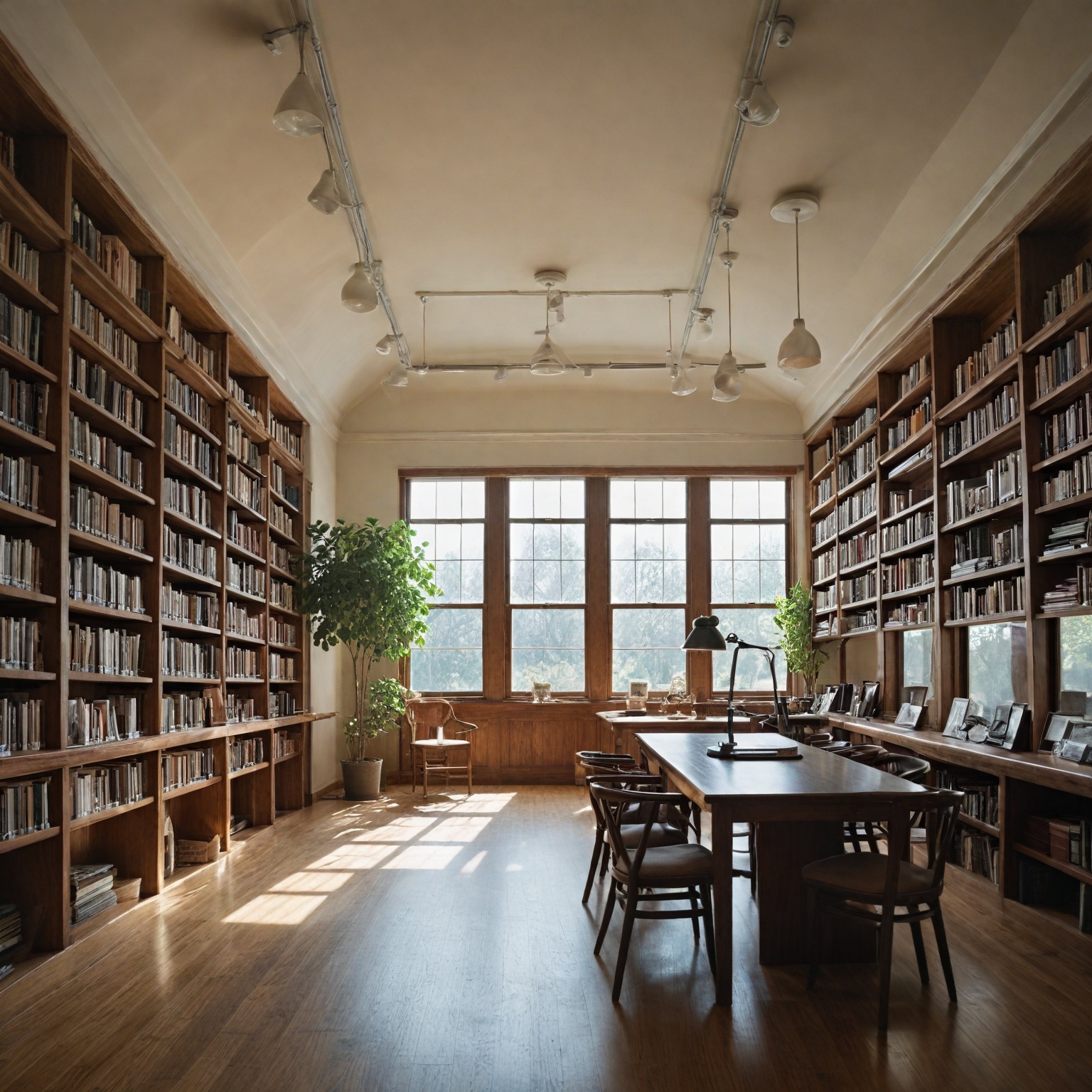
One notable example of innovative use of natural light in architecture is The Exeter’s Library in New Hampshire, where the study area is designed to maximize daylight exposure, creating an inviting and
Seasonal and Geographic Adaptations
Adapting the use of natural light in homes according to seasonal and geographic factors is essential for maximizing its benefits and maintaining comfort throughout the year. The position of the sun changes with the seasons, affecting the intensity and angle of sunlight entering a building. During winter, shorter daylight hours and lower sun angles can limit natural light, making it important to design and position buildings strategically to capture and retain as much sunlight as possible. This approach not only enhances the aesthetic and functional qualities of a space but also contributes to energy efficiency by reducing reliance on artificial lighting and heating.
Geographic location further influences how natural light should be integrated. Homes situated in areas with frequent cloud cover or limited sunlight must prioritize design elements such as larger windows, skylights, and reflective surfaces to maximize available light. Skylights, in particular, are highly effective in channeling unobstructed sunlight from above, overcoming common obstacles like neighboring buildings or landscaping features. Additionally, exterior elements such as light-colored walls, driveways, and patios can amplify ambient light by reflecting it into interior spaces, an important consideration in regions with less direct sunlight.
Incorporating these seasonal and geographic adaptations ensures that the health benefits of natural light—such as improved mood, regulation of circadian rhythms, and vitamin D absorption—are accessible year-round. Thoughtful planning to avoid obstructions like trees or adjacent structures during the design phase can optimize sunlight exposure and create a more desirable, sustainable living environment regardless of location.
The content is provided by Jordan Fields, Home Upgrade News