Summary
Say Goodbye to Streaming Devices: The Rise of Smart TVs Explained
Smart televisions, commonly known as smart TVs, have transformed the landscape of home entertainment by integrating internet connectivity and streaming capabilities directly into television sets. Unlike traditional TVs that served solely as display devices, smart TVs incorporate built-in operating systems that enable users to access a broad range of apps, stream on-demand content, interact with social media, and control connected smart home devices without the need for external streaming devices. Since their emergence in the late 2000s—with models like the 2008 Samsung Pavv Bordeaux 750 widely regarded as the first true smart TV—these devices have evolved rapidly in functionality, affordability, and market penetration.
The rise of smart TVs corresponds with broader shifts in media consumption, including the surge of over-the-top (OTT) streaming services such as Netflix, Amazon Prime Video, and YouTube, which offer vast, personalized libraries of content accessible on demand. By the mid-2010s, smart TVs had become the dominant platform for streaming, integrating advanced display technologies such as 4K and 8K UHD, OLED, and QLED panels, alongside voice control and artificial intelligence features that enhance user experience and home automation. The growing adoption of smart TVs has also driven market innovations, with manufacturers like Samsung, LG, Sony, and TCL competing through distinct operating systems and app ecosystems to capture diverse consumer preferences.
Smart TVs have further extended their role beyond entertainment by becoming central hubs in automated homes and the Internet of Things (IoT) ecosystem. Their connectivity allows users to manage lighting, security cameras, thermostats, and other smart devices through a single interface, often employing integrated voice assistants such as Amazon Alexa and Google Assistant for seamless control. This convergence of media and home automation exemplifies the expanding functionality of smart TVs, highlighting their importance in modern digital lifestyles.
Despite their popularity, smart TVs have faced notable challenges, including inconsistent app availability, performance limitations, privacy concerns related to data collection and security vulnerabilities, and rapidly evolving technology leading to obsolescence. These issues underscore ongoing debates about user privacy and device security as smart TVs increasingly collect and transmit personal data to advertisers and analytics firms, sometimes without explicit user consent. Nevertheless, the continuous advancement of smart TV technology and the growing demand for integrated, connected entertainment ensure that these devices remain at the forefront of the home media ecosystem.
Background
The evolution of television technology has been significantly influenced by the advent of digital television, which paved the way for innovations such as smart TVs. Early in television history, various genres including sitcoms, talk shows, variety shows, and game shows played a crucial role in shaping the medium’s cultural impact and popularity. As technology progressed, the convergence of media platforms began to blur the lines between traditional broadcasting, streaming services, and social media, driving manufacturers and content providers to adopt holistic approaches that cater to multi-screen consumption and diverse audience preferences.
The mid-2000s marked a pivotal period for television content delivery as streaming started gaining traction with the availability of TV programming via the Internet, albeit in a limited form initially. During this era, television manufacturers such as Philips, Samsung, Sony, and LG were among the pioneers to introduce televisions equipped with internet connectivity and app support. These companies heavily invested in research and development to create user-friendly interfaces and expand the functionalities of their smart TV models, experimenting with various operating systems and user interfaces to enhance the user experience.
Despite these early efforts, initial smart TV models were often bulky, expensive, and technologically limited, resulting in a less seamless user experience. Nevertheless, these early devices laid important groundwork by demonstrating the potential of internet-connected televisions. The year 2008 is often recognized as a milestone in smart TV history with the launch of the Samsung Pavv Bordeaux 750, widely considered the first true smart TV. This innovation signaled a new era where televisions transcended their traditional role as mere displays to become integrated digital platforms capable of running applications, streaming content, and connecting users to a wide array of media.
As smart TVs became more advanced and affordable by the mid-2010s, they facilitated a surge in streaming content consumption. Consumers gained access to a vast selection of programs, but also faced challenges managing multiple subscriptions. This challenge contributed to the emergence of streaming service bundles that combined several platforms at discounted rates, further accelerating the accessibility and adoption of streaming media. Consequently, smart TVs have become central to the modern media ecosystem, reflecting broader trends in content relevance, contextual consumption, and the evolving definition of television itself.
Rise of Smart TVs
Unlike traditional televisions that primarily functioned as display units with limited vendor-specific customization, smart TVs incorporate preloaded operating systems within their firmware. This integration allows access to a wide range of apps and digital content directly on the television set.
Smart TVs gained prominence in the late 2010s, becoming the dominant form of television. By early 2016, Nielsen reported that 29 percent of households with incomes over $75,000 owned a smart TV, reflecting the growing adoption among affluent consumers. These devices enable users not only to stream content from popular services like Netflix, Hulu, and Amazon Prime Video, but also to access user-generated content stored externally or in the cloud, as well as interactive internet applications such as YouTube that leverage adaptive streaming technologies like HTTP Live Streaming (HLS).
Leading electronics manufacturers including Philips, Samsung, Sony, and LG were instrumental in pioneering smart TV technology. Early internet-ready models emerged in the late 2000s, with these brands investing heavily in research and development to deliver user-friendly interfaces and robust app ecosystems. Their efforts established the foundation for today’s sophisticated smart TVs that blend broadcast, streaming, and social media into a unified entertainment experience.
Modern smart TVs are equipped with built-in connectivity options such as Wi-Fi and Bluetooth, enabling seamless integration with other smart devices within the home. Many models now incorporate voice assistants like Amazon Alexa and Google Assistant, facilitating natural voice commands to control connected devices or retrieve information. Through dedicated app stores, users can download control interfaces for various Internet of Things (IoT) products, transforming the TV into a centralized smart home hub.
Behind the scenes, powerful processors and expanded memory support multitasking capabilities, including simultaneous streaming, app operation, and smart home device management. Operating systems such as Samsung’s Tizen, LG’s webOS, Amazon’s Fire TV OS, and Google TV (Android-based) provide access to extensive app ecosystems, fostering continual growth in smart TV functionality. Developers further enhance capabilities through APIs and software development kits (SDKs), while cloud and edge computing optimize data processing and responsiveness.
The rise of smart TVs coincides with the expansion of broadband and cellular networks, which facilitate over-the-top (OTT) media services that deliver vast libraries of video and audio content. Major streaming platforms such as Netflix, Amazon Prime Video, and YouTube have capitalized on this trend, offering personalized and on-demand entertainment directly accessible on smart TVs. This surge in digital content availability has made smart TVs an essential hub for home entertainment, especially amid the ongoing shift away from traditional cable services.
Market dynamics reflect strong consumer demand driven by technological advancements in display quality—including 4K, 8K UHD, OLED, and QLED panels—and enhanced features like voice control, artificial intelligence for personalized recommendations, and advanced gaming options. While mature markets in North America and Europe maintain steady demand fueled by high streaming penetration and preferences for premium displays, manufacturers continue to innovate to address usability, sound quality, and connectivity challenges.
Market Dynamics and Competitive Landscape
The U.S. television market has experienced a significant transformation fueled by the convergence of traditional TV viewing and streaming-driven consumption. Despite the growing prevalence of mobile devices, consumers continue to prioritize large-screen TVs for living rooms and home theaters, predominantly favoring LED and LCD models due to their affordability and reliability. Notably, sales increasingly involve bundles that combine streaming subscriptions or smart-home integrations, indicating a shift from pure display performance towards connected entertainment experiences. There is also a rising interest in energy-efficient and smart TVs, reflecting evolving consumer preferences and technological advancements.
Globally, the TV market shows mixed trends, with some segments like smart TV sales growing substantially—reporting a 55% increase in annual sales—and QLED TVs seeing a 10% rise. However, overall TV sales have declined, and the smart TV market experienced a five-year low in 2022. Despite this, smart TVs command a majority market share, with smart TV devices reaching 157 million units sold worldwide and smart TV operating systems capturing 64% market penetration. This dynamic points to a market increasingly dominated by connected devices that provide seamless access to streaming content and internet applications.
The rise of streaming service bundles has further driven smart TV adoption. Consumers face the challenge of managing multiple subscriptions, leading to packages that combine platforms at discounted rates, facilitated by the widespread integration of smart TV platforms. Smart TVs have effectively become the central hub for home entertainment, replacing secondary streaming devices and integrating diverse operating systems such as Android TV, Roku, Tizen, webOS, SmartCast, and Fire TV. This variety creates differentiation among manufacturers but also complexity in app development and platform strategies.
Leading manufacturers dominate the competitive landscape through differentiated product offerings and ecosystem development. Samsung, holding a significant market share, has led the smart TV market for over 15 years with its Tizen OS-based devices, leveraging aggressive marketing, extensive retail partnerships, and a robust app ecosystem. Samsung’s focus on QLED technology delivers high-quality visuals alongside user-friendly interfaces like Smart Hub. LG Electronics is renowned for its premium OLED TVs and the webOS platform, featuring intuitive navigation, AI voice control through ThinQ, and wide app compatibility. LG’s range extends from OLED to NanoCell and affordable LED models, appealing to various consumer segments worldwide.
Other key players include Vizio, which targets price-conscious buyers with value-oriented models; TCL, which has gained market share partly through integrating the Roku OS into its budget-friendly TVs; and Hisense, known for feature-rich yet affordable smart TVs often bundled with platforms like Amazon’s Fire TV. These brands employ diverse strategies, including online distribution and promotional deals, to expand their market presence and cater to different consumer preferences.
Smart TV platforms themselves vary in capabilities and user experiences. Samsung’s Tizen and LG’s webOS offer extensive app support and voice assistant integration, including Amazon Alexa and compatibility with Google Cast and Apple AirPlay. Budget-priced smart TVs, especially off-brand models, may offer limited app selection, subpar performance, and security concerns, highlighting the importance of platform quality in the consumer decision process. Furthermore, the competitive dynamics extend beyond hardware to software ecosystems, content partnerships, and streaming device alternatives, with companies like Amazon, Apple, Google, and Roku also vying for consumer attention through their streaming devices and platform services.
Consumer Streaming Habits and Their Influence
Consumer streaming habits have evolved significantly in recent years, driven by the increasing availability of content and the demand for more flexible, personalized viewing experiences. Today, viewers face the challenge of managing multiple streaming subscriptions, which has led to the popularity of bundled services that combine several platforms into a single discounted package. This trend highlights consumers’ desire for convenience and cost efficiency in accessing diverse content.
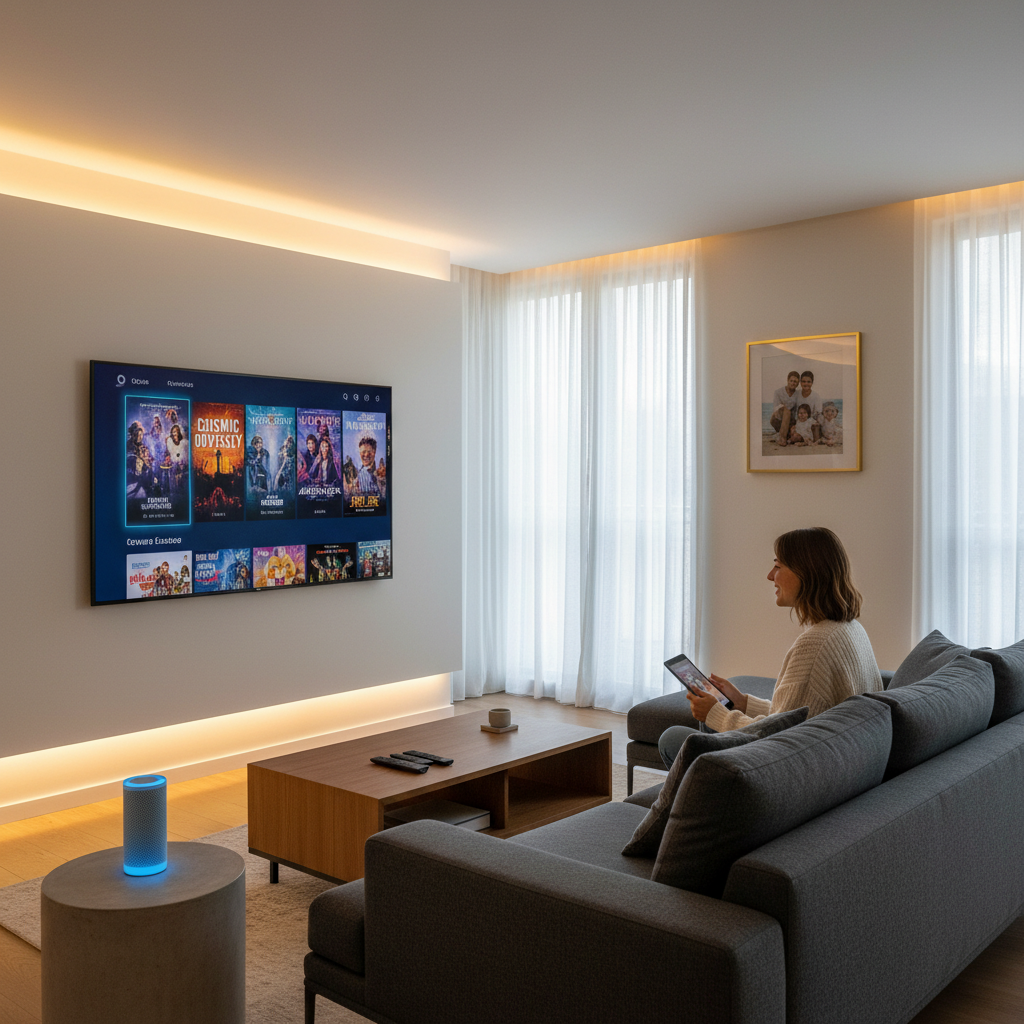
Smart TVs have played a pivotal role in shaping these habits by acting as aggregators that integrate various streaming apps and services into one device. Users can effortlessly browse live TV channels, stream on-demand movies and shows, play games, and connect with social media and mobile devices, all from their living rooms. This seamless integration encourages a shift away from traditional cable subscriptions towards digital content platforms that support on-demand and personalized consumption.
Technological advancements, particularly in artificial intelligence, have further influenced consumer behavior. Modern smart TVs utilize AI to optimize picture and sound settings based on the content type and ambient conditions, enhancing the viewing experience without user intervention. Voice-activated assistants such as Google Assistant and Alexa enable hands-free control, making content interaction more natural and intuitive. Additionally, AI can recognize individual viewers to switch profiles automatically, reinforcing personalized content delivery.
The expansion of broadband and cellular connectivity worldwide has amplified the availability of over-the-top (OTT) media services. Major providers like Netflix, Amazon Prime Video, and YouTube offer vast libraries of TV shows, movies, and other digital content accessible directly via smart TVs. This proliferation of content, combined with consumer preference for authentic and contextually relevant media—especially among younger demographics—underscores the importance of both the content itself and the context in which it is consumed.
Moreover, sales trends reflect that consumers are not only interested in display quality but also in connected entertainment experiences, including smart-home integrations and energy-efficient designs. Bundles that include streaming subscriptions or smart-home features are increasingly driving purchases, indicating that consumer streaming habits are influencing broader market dynamics beyond just media consumption.
However, the rise of smart TVs and their integration with streaming services have also raised privacy concerns. Research has shown that many streaming devices collect and transmit personal user data, sometimes including screen captures, to advertising and analytics companies without explicit user consent. This has brought attention to the need for improved security measures as consumers continue to adopt these connected entertainment platforms.
Smart TVs in Automated Homes and IoT Integration
Smart TVs have evolved far beyond their original purpose of delivering video content, becoming central components in automated homes and the Internet of Things (IoT) ecosystem. Their built-in connectivity features, including Wi-Fi and Bluetooth, enable seamless integration with a wide range of smart devices, making them effective hubs for home automation.
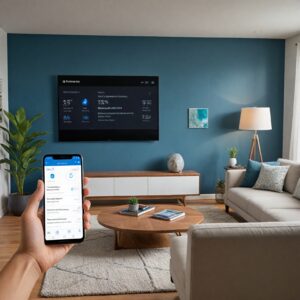
By connecting IoT devices to a Smart TV, users can control and monitor their smart home environment from a single large display. For instance, the SmartThings Dashboard allows direct management of connected devices and setting of personalized modes, such as adjusting lighting or thermostat settings in sync with entertainment activities. A user can receive a doorbell alert on the TV screen and respond without interrupting their movie. This interactivity enhances convenience by enabling custom automation scenarios—when a movie starts, lights can dim, curtains can close, and the temperature can adjust to optimize the viewing experience.
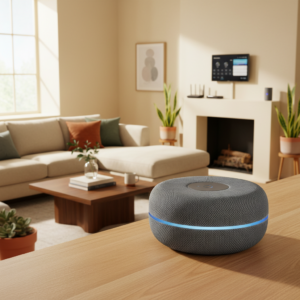
Many modern Smart TVs incorporate integrated voice assistants like Alexa, Google Assistant, or proprietary platforms, allowing hands-free control of smart home devices through natural spoken commands. These assistants support extensive smart home brands and can manage diverse gadgets including lights, security cameras, thermostats, and robot vacuums. For example, Android TV integrates with Google Home and Nest, and supports popular brands such as Philips Hue and Samsung SmartThings, consolidating control into a unified interface. Users can issue commands via the TV remote, such as “Show me the front door camera” or “Close living room lights,” enabling immediate communication with connected devices.
In addition to control, Smart TVs leverage artificial intelligence to optimize the home entertainment experience dynamically. AI can adjust display brightness, sharpness, and sound profiles based on content and ambient conditions, and even personalize profiles based on who is watching. This further blurs the line between entertainment and home automation.
The integration of Smart TVs into automated homes reflects a broader trend of interconnected devices working together to enhance convenience, security, and energy efficiency. By serving as central hubs, Smart TVs reduce the need for multiple control devices or apps, streamlining smart home management into a single, intuitive platform.
However, the rise of Smart TVs as IoT hubs also raises privacy and security concerns. Research has shown that many streaming devices, including Smart TVs, may collect and transmit personal data to third parties, often with insufficient user awareness or protection. Moreover, vulnerabilities in Smart TV software can expose users to hacking and unauthorized surveillance. Despite these challenges, the convenience and integration capabilities of Smart TVs continue to drive their adoption in modern automated homes.
Challenges and Limitations
Early Smart TV platforms faced significant hurdles such as slow and unreliable internet connections, which made streaming content a frustrating experience due to frequent buffering and lag. Additionally, these platforms, including Google TV launched in 2010, offered a limited selection of apps compared to the extensive libraries available today. Many smart TVs continue to suffer from performance lags caused by underpowered processors, resulting in slow app performance and long load times. Another common issue is the limited software updates provided by manufacturers, often ceasing after just a few years, which leaves apps outdated and potentially unusable.
App availability remains inconsistent across brands and platforms. While major streaming apps are typically supported, niche or emerging services might not be available, restricting user choice. Furthermore, varying operating systems and user interfaces among different TV brands create a steep learning curve for consumers switching devices. Despite efforts to integrate
Technological Features Driving Consumer Preference
The surge in consumer preference for smart TVs is largely propelled by significant technological advancements that enhance both display quality and home connectivity. Modern smart TVs incorporate cutting-edge display technologies such as 4K and 8K Ultra High Definition (UHD), Organic Light Emitting Diode (OLED), Quantum Dot LED (QLED), and High Dynamic Range (HDR), delivering superior picture quality and immersive viewing experiences that attract consumers seeking premium entertainment options.
QLED panels, in particular, have gained consumer recognition due to their extended dynamic range and improved color accuracy, making them a popular choice for home gaming and entertainment systems. By the end of 2023, North America became the largest market for QLED TVs, reflecting growing consumer awareness and demand. OLED technology remains favored for premium models, praised for its exceptional contrast ratios, deep black levels, and vivid colors, while evolving Mini LED technology is enhancing affordability and performance.
Beyond display improvements, smart TVs are increasingly integrated into the broader smart home ecosystem. Compatibility with smart home devices such as smart speakers, thermostats, lighting systems, and security cameras allows these TVs to function as central hubs for home automation. This integration enables users to control various devices from a single interface, improving convenience and efficiency in managing their connected homes.
Artificial intelligence (AI) and voice control capabilities further streamline user interaction with smart TVs, simplifying navigation, content discovery, and smart home management. Advanced processors and expanded memory allow these televisions to handle multiple simultaneous tasks—streaming, app execution, and IoT device control—without performance degradation. Popular smart TV operating systems, including Samsung’s Tizen, LG’s webOS, Amazon’s Fire TV OS, and Google TV, offer robust app ecosystems that facilitate this seamless connectivity and functionality.
Market Data and Sales Figures
The global Smart TV market has experienced significant growth in recent years, driven by increasing consumer demand for connected entertainment experiences and the integration of smart home devices. In 2024, global Internet TV sales surged by 76%, reaching a value of $2,677 billion, while sales of QLED TVs increased by 10% to $33 billion. The rising popularity of Smart TVs is further reflected in a 55% increase in their annual sales, even as overall TV sales have been declining in recent years.
North America emerged as the largest market for QLED TVs at the end of 2023, accounting for $11 billion in sales, underscoring regional preferences for premium display technologies. Meanwhile, Asia Pacific holds the largest share of the global Smart TV market, capturing 42.8% of total sales in 2023. The region’s dominance is supported by the widespread adoption of Android OS, which leads the market due to its extensive app ecosystem and compatibility with various TV brands.
Consumers have demonstrated a clear preference for larger screen sizes, with 43-inch Smart TVs seeing particularly strong shipment growth. Globally, the Smart TV market was valued at USD 223.09 billion in 2023 and is projected to grow at a compound annual growth rate (CAGR) of 11.6%, reaching USD 668.53 billion by 2033. This growth is propelled by a shift from pure display performance to enhanced connectivity and energy-efficient features, as well as bundled offers including streaming subscriptions and smart-home integrations.
In terms of device shipments, the first quarter of 2023 saw a 2% year-on-year increase in TV streaming devices, largely driven by strong sales of Sony’s PS5. However, shipments of Smart TVs and digital media streamers declined during the same period, prompting manufacturers and retailers to initiate promotional campaigns to stimulate demand. Despite this temporary slowdown, the overall trend favors Smart TVs, which have become the preferred platform for streaming content and interactive Internet applications, such as YouTube and adaptive streaming services.
Technological advancements and increasing affordability have made Smart TVs accessible to a wider range of consumers, consolidating their role as the dominant form of television since the late 2010s. With 4K UHD resolution dominating the market due to consumer demand for higher clarity and more realistic visuals, Smart TVs continue to evolve as the central hub for home entertainment systems worldwide.
Future Trends and Developments
The future of smart TVs is shaped by rapid advancements in display technologies and the evolving ways consumers engage with media. OLED technology remains a leading choice for premium televisions due to its superior contrast, color accuracy, and deep black levels, with affordability steadily improving. Alongside OLED, innovations like Mini LED and QLED continue to enhance picture quality, offering consumers ultra-high-definition experiences such as 4K and 8K resolution combined with High Dynamic Range (HDR) capabilities.
A significant trend is the convergence of media platforms, where traditional broadcasting, streaming services, and social media are increasingly integrated into a unified ecosystem. This convergence demands that manufacturers and content providers design smart TVs capable of seamless multi-screen consumption and tailored content delivery that addresses diverse audience preferences. The integration of AI further personalizes the viewing experience, dynamically adjusting display and sound settings based on content type and ambient lighting, and even recognizing individual viewers to switch profiles automatically.
Smart TVs are also becoming central hubs within the broader smart home ecosystem. By connecting IoT devices through platforms such as SmartThings and enabling control via voice assistants like Bixby, Google Assistant, and Alexa, users can manage lighting, security, thermostats, and other home functions directly from their television. This interconnectedness not only enhances convenience but streamlines home management by consolidating control into a single interface.
Moreover, the increasing availability of high-speed internet and expanding smart home infrastructures are fueling the growth and adoption of smart TVs. The integration of artificial intelligence and voice control is making navigation more intuitive and content discovery more efficient, further positioning smart TVs as essential components of the modern digital lifestyle.
The content is provided by Sierra Knightley, Home Upgrade News