Summary
Unlock the Secrets to Selecting the Ideal Storage Shelving for Your Home is a comprehensive guide focused on helping homeowners choose the most effective, durable, and aesthetically pleasing shelving solutions tailored to their specific storage needs. Storage shelving plays a crucial role in organizing living spaces by maximizing storage capacity, enhancing accessibility, and contributing to interior design. The selection process involves balancing factors such as material types, shelving designs, load capacity, spatial constraints, budget, and style preferences to create a harmonious and functional environment.
The guide explores a wide array of shelving types—including open and floating shelves, wall-mounted and recessed units, mobile and industrial options, as well as modular and specialty shelving systems—each suited to different rooms and purposes. Materials like metal, wood (solid and engineered), glass, and wire shelving are examined for their strengths, weaknesses, durability, and visual impact, helping readers understand how these choices influence both performance and home décor.
Safety, environmental sustainability, and installation considerations are also addressed, providing practical advice on load limits, proper arrangement, and eco-friendly material options. The article highlights the importance of selecting shelving that not only meets immediate organizational needs but also supports long-term functionality and safety within the home.
Despite the overall benefits, some challenges and controversies exist, such as balancing aesthetic appeal with dust accumulation on open shelves or navigating concerns over VOC emissions from certain engineered wood products. The guide encourages informed decision-making by weighing these trade-offs and tailoring choices to individual circumstances, thereby unlocking the secrets to ideal storage shelving for a well-organized, stylish, and safe home.
Importance of Choosing the Right Storage Shelving
Choosing the right storage shelving is essential for creating an efficient and organized environment, whether in a home, office, or industrial setting. The material and design of shelving impact not only the durability and strength but also the overall functionality and aesthetics of the space. Selecting appropriate shelving solutions enables users to maximize their storage potential while maintaining an orderly and visually pleasing area. Different shelving materials possess varying properties that make them suitable for specific uses and environments. Factors such as weight capacity, ease of installation, budget, and the intended purpose of the shelves must be considered to ensure optimal performance and longevity. Well-chosen shelving supports effective arrangement and accessibility, saving time and effort in locating and storing items. Beyond practical considerations, shelving also contributes to the interior design of a space. Properly styled and organized shelves can add balance, symmetry, and personality to a room. Displaying items thoughtfully—such as following design principles like placing heavier objects on the bottom and incorporating color and greenery—enhances both the visual appeal and the functionality of shelving units. Therefore, choosing the right storage shelving is a combination of meeting practical needs and creating a harmonious living or working environment.
Types of Storage Shelving
Storage shelving comes in a variety of types designed to meet different needs, spaces, and aesthetic preferences. Selecting the right type depends on factors such as the intended use, available space, and desired durability.
Open Shelving and Floating Shelves
Open shelving units, also known as storage racks or shelving units, are some of the most versatile and widely used storage solutions in homes. Floating shelves, a popular form of open shelving, offer a modern and minimalist design that maximizes space by appearing to “float” without visible brackets. These shelves are particularly favored in small or uniquely shaped rooms due to their minimal footprint and ability to showcase decorative items effectively. However, they may not fully utilize wall space since they typically do not extend wall-to-wall, and their open nature means stored items can collect dust, especially in kitchens. Fixed-bracket shelves resemble floating shelves but have visible supports, offering a sturdier appearance.
Wall-Mounted and Recessed Shelving
Wall-mounted shelving is an excellent option when floor space is limited, enabling vertical storage or display. While these shelves do not consume floor space, they do protrude into the room, which can reduce usable space. Recessed wall shelves provide a sleek alternative by remaining flush with the wall surface, thereby maintaining the room’s openness and reducing visual clutter.
Mobile and Industrial Shelving
For environments requiring high storage density and flexibility, mobile shelving units are mounted on tracks allowing compacting when not in use. This design reduces aisle space, maximizing storage capacity and often includes locking mechanisms for security. Industrial steel shelving, also called metal or clip shelving, is engineered for heavy-duty storage needs in warehouses and fulfillment centers. These steel systems offer high load-bearing capacity and modular accessories like dividers and lockable panels, allowing easy reconfiguration to adapt to changing storage requirements.
Modular Shelving Systems
Modular shelving offers customizable and expandable solutions suitable for various rooms, including living rooms, bedrooms, kitchens, and home offices. They can include components such as drawers, cabinets, and open shelves to create designated storage areas that enhance organization. The flexibility of modular systems allows users to start with a small setup and gradually add pieces as storage needs evolve, with materials and designs available to suit a broad range of interior styles.
Specialty Shelving for Specific Uses
Different rooms and uses call for specific shelving types and materials. For garages, durable materials like steel or plastic are preferred due to their ability to withstand moisture and temperature extremes. Children’s playrooms often benefit from cube storage organizers with bins for toys and supplies. Closet shelving systems range from wood organizers that double as furniture to wire shelving for cost-effective closet expansion. These systems frequently include features such as hanging rods, drawers, and clothing racks, tailored to maximize storage and fit various budgets and styles.
Materials Used in Storage Shelving
Choosing the right material for storage shelving is essential to ensure durability, functionality, and aesthetic appeal tailored to various environments such as homes, offices, or industrial settings. Several materials stand out for their distinct advantages and suitability depending on the specific storage needs.
Metal Shelving
Metal shelving, particularly steel, is highly regarded for its strength, durability, and versatility. Industrial steel shelving—often called clip shelving—is designed for heavy-duty use and environments that demand robust storage solutions with modular accessories like dividers, drawers, and lockable panels. These systems are common in warehouses, distribution centers, and fulfillment operations where high load-bearing capacity and adaptability are critical. Steel shelving can be easily reconfigured to accommodate changing workflows or expansion needs. Besides heavy industrial use, metal wire shelving is also a popular, affordable, and adjustable option for garages, workshops, and closets, offering mobility through features like wheels while remaining cost-effective for everyday storage. Although galvanized steel shelving is more industrial in appearance and less common in domestic environments, it remains a reliable option for some home storage solutions.
Wood and Engineered Wood Shelving
Wood is a classic and versatile shelving material, used widely in homes across kitchens, bedrooms, living rooms, and bookcases.
– Solid Wood: Materials such as oak, maple, birch, cherry, and pine provide strength and natural beauty. Oak and maple are particularly durable hardwoods prized for their grain patterns and robustness, while pine is a softwood favored for its workability and availability. Cherry wood offers a rich reddish-brown hue that darkens over time. Solid wood shelves can be customized through staining or painting, allowing them to match diverse décor styles.
– Engineered Wood: Includes particleboard, plywood, MDF (medium-density fiberboard), blockboard, and chipboard. Particleboard and chipboard are economical and easy to cut but generally less durable than solid wood, with unlaminated chipboard often unsuitable for shelving due to poor finish and lower strength. Plywood is valued for its durability, smooth surface, and cost-effectiveness, making it ideal for DIY projects. MDF is versatile but may emit VOCs unless labeled low-VOC; it can be reinforced with bracing for increased strength. Engineered woods often have longer lifespans and attractive appearances, making them increasingly popular.
Glass Shelving
Glass shelving is typically used for light loads and decorative purposes. Many DIY stores offer pre-cut, toughened glass shelves sold individually or as part of kits with specialized brackets featuring clips and lips to secure the glass safely. Ordinary window glass is unsuitable for shelving due to its fragility; glass used in shelving must be specially toughened and cut to size by glazing merchants if non-standard dimensions are needed. Although visually appealing, glass shelves require careful consideration regarding load capacity and support spacing.
Additional Components and Accessories
Shelf supports and edging play an important role in the overall functionality and aesthetics of shelving. Metal shelf clips made of steel, brass, or nickel-plated supports are preferred for heavier wooden shelves, while plastic clips are often used for glass shelves to minimize visual impact. Shelf edging, which can be plastic (PVC or other rigid plastics) or metal (light-gauge steel or aluminum), provides a clean finish and can add strength, preventing warping or sagging commonly associated with long wooden shelves.
Advantages and Disadvantages of Common Materials
When selecting storage shelving for your home, understanding the pros and cons of common shelving materials is essential to ensure durability, functionality, and aesthetic appeal.
Metal Shelving
Metal shelving is widely favored for its durability, strength, and versatility, making it suitable for both industrial and home environments. It can support heavy loads and withstand significant wear and tear, which is beneficial for organizing a variety of items. Additionally, metal shelves can be combined with wooden tiers or tempered glass to soften their appearance and better fit modern or cozy interior styles. However, in moist or damp areas, choosing metal with appropriate coatings such as galvanized, stainless steel, or powder-coated finishes is crucial to prevent rust and corrosion.
Chipboard Shelving
Chipboard shelving is a cost-effective option often used in archive storage, garages, offices, and retail spaces where the environment remains relatively dry. It offers decent structural integrity for medium-duty storage but is unsuitable for areas prone to moisture or high humidity because it can warp or weaken when exposed to sustained wetness. This limitation confines its use primarily to indoor settings where humidity can be controlled.
Timber and Engineered Wood
Various timber-based materials—including laminated timber, plywood, blockboard, MDF (medium-density fiberboard), and chipboard—are popular for their natural aesthetic and reasonable strength. These materials offer flexibility in design and finishing, allowing shelves to blend well with diverse interior styles. Nonetheless, their load-bearing capacity varies depending on the specific material and construction, so it is essential to consider the expected weight and shelf span when selecting timber-based shelving.
Glass Shelves
Glass shelving excels at creating a light, open feel in a room, making it ideal for showcasing decorative items or enhancing small spaces with a modern look. While aesthetically pleasing, glass shelves tend to have lower weight capacities and may require additional support, such as shelf stiffeners or timber edging, to ensure stability and safety.
Wire Shelving
Wire shelving is particularly advantageous for storing outdoor supplies or heavy items because it can handle significant weight and allows for adjustable shelf heights to accommodate various item sizes. Its open design improves ventilation, which helps prevent moisture buildup, making it a good option for garages or damp environments. However, wire shelves may not suit all interior aesthetics and can sometimes appear industrial or utilitarian.
Factors to Consider When Selecting Storage Shelving
Selecting the ideal storage shelving requires careful consideration of several key factors to ensure efficiency, durability, and suitability for the intended space and purpose. First and foremost, the choice of shelving material plays a crucial role in the overall performance and longevity of the storage system. Different materials such as timber, laminated timber, plywood, chipboard, MDF, and tempered glass each offer unique strengths, weaknesses, and aesthetic qualities, which influence their appropriateness depending on the environment and load requirements. Another important factor is the type and volume of items to be stored. Assessing what will be placed on the shelves helps determine the necessary weight capacity, shelf thickness, and spacing between supports. For heavier items, it is advisable to build stronger shelving with minimal overhangs, typically no more than 20% of the distance between supports, to prevent sagging or failure. Additionally, organizing storage by size and frequency of use, such as using different-sized boxes or modular shelving systems, can greatly enhance accessibility and space utilization. The physical dimensions of the shelving unit must also be tailored to the available space and specific needs. Depth and height requirements vary depending on the items stored and room constraints. For example, prefabricated shelves may not always fit particular depth needs, making custom or DIY shelving an attractive option for precise dimension customization. Budget considerations are equally important. Shelving options come in a wide range of price points, and selecting a solution that balances cost with durability and design preferences ensures practical investment. Higher-quality materials and intricate designs might carry a premium but can provide long-term value and aesthetic appeal, especially in living spaces. Lastly, the style and installation ease should align with the intended environment. Wall-mounted shelves maximize vertical space and create a lighter, airier feel, especially beneficial in small rooms, while ceiling-mounted or built-in shelves offer versatile solutions for limited wall space. Modern shelving often emphasizes minimalism and functionality, combining clean lines with efficient use of space to fit contemporary décor trends. By thoughtfully considering material type, load capacity, item size, space constraints, budget, and design, one can select the most suitable storage shelving system to create an organized, efficient, and aesthetically pleasing environment.
Common Uses of Storage Shelving in Different Rooms
Storage shelving serves a variety of functions tailored to the specific needs of different rooms in a home, combining both practicality and style to maximize space and organization.
Kitchen
In the kitchen, shelving is essential for keeping supplies visible and accessible, which helps streamline meal preparation and cooking. Open pantry shelves allow cooks to see all ingredients at a glance, making the process more efficient and enjoyable. Various shelving options like rotating fixtures, door shelves, and sliding units can fit into small spaces, such as the gap between a refrigerator and countertop, optimizing otherwise wasted areas. Fixed-bracket shelves and floating shelves are popular choices, although fixed brackets are visible and may lead to stored items collecting dust or grime from kitchen activities. Incorporating shelving above or beside doorways can also add valuable storage without taking up floor space, particularly beneficial in small kitchens or entryways.
Living Room
Shelving in living rooms balances storage with decorative display. Floating shelves, for example, maximize storage without overwhelming the space and are ideal for showcasing small trinkets, artwork, or books. Designers often use shelving to create visual interest through unique shapes or asymmetrical layouts, especially in smaller rooms where built-in storage is limited. Combining materials like metal, wood, or glass shelves can enhance the room’s aesthetic, offering both functional storage and a cozy, open atmosphere.
Bedroom
Shelving in bedrooms often focuses on maximizing limited space and maintaining order. Floating shelves are common, as they attach directly to walls and free up floor area, helping create an airy feel in small bedrooms. Closet shelving systems made from wood or wire help organize clothing and accessories efficiently, with options including open shelves, racks, drawers, and hanging rods. Corner shelves are particularly useful for increasing storage capacity in often overlooked spaces.
Home Office
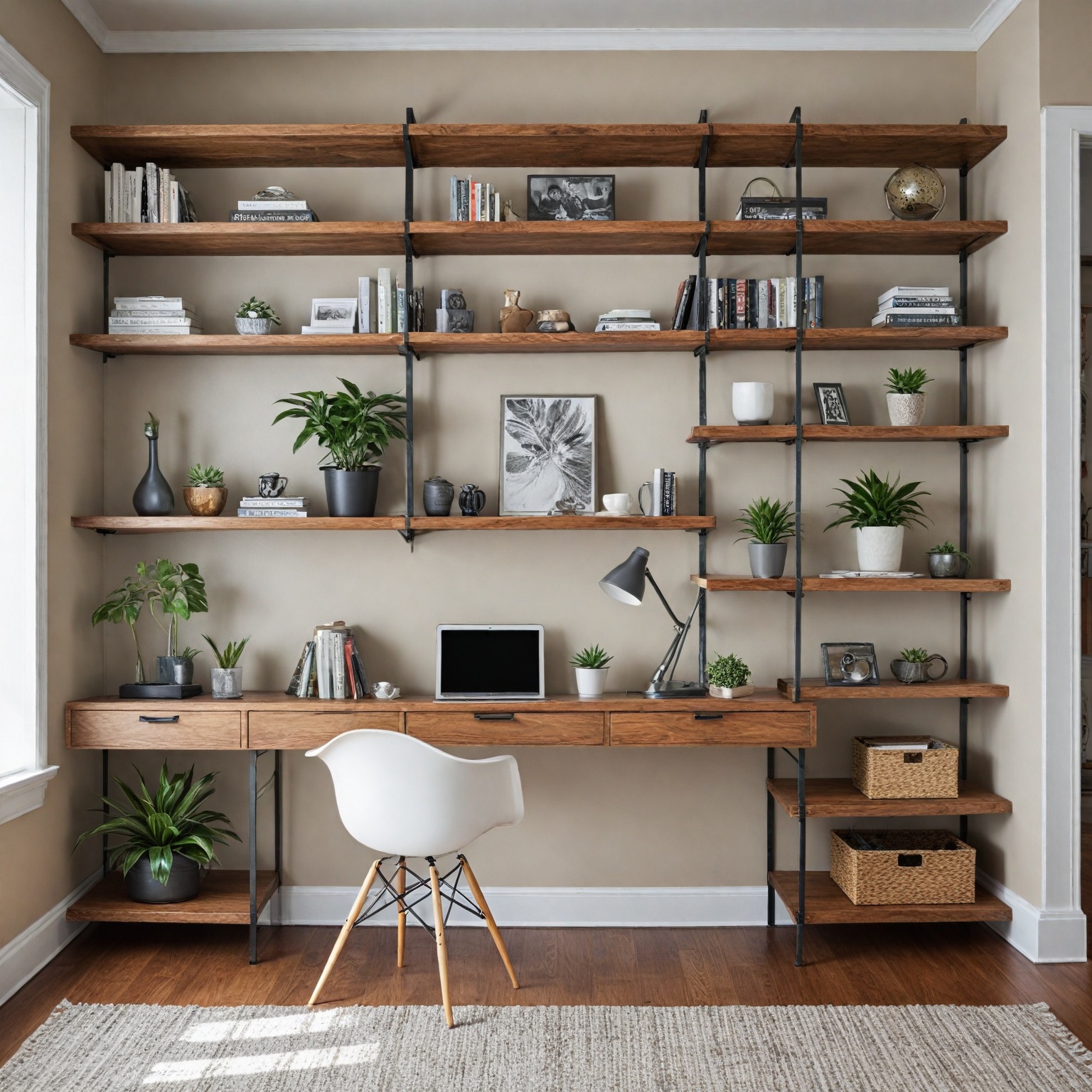
Shelving in home offices must balance display and hidden storage, accommodating documents, supplies, and equipment. Modular shelving systems that include drawers, cabinets, and open shelves offer designated spaces for different items
Shelving Designs and Configurations for Long-term Organization
Effective long-term organization relies heavily on selecting shelving designs and configurations that maximize space, enhance accessibility, and accommodate evolving storage needs. Various shelving options offer different advantages depending on the environment, load requirements, and desired aesthetics.
Modular Shelving Systems
Modular shelving systems provide exceptional versatility and adaptability, making them ideal for long-term use. Featuring components such as drawers, cabinets, and open shelves, these systems create designated spaces for various items, improving order and ease of access. Their modular nature allows users to start with a small setup and gradually expand as storage demands increase, supporting both short-term organization and long-term space planning. Additionally, modular shelving can be used throughout the home—in living rooms for books and décor, bedrooms for clothing, or home offices for documents and supplies—offering multifunctional use and aesthetic appeal across different rooms. Materials and styles range from sleek metal to warm wood finishes, fitting diverse interior designs from minimalist to industrial.
Wall-Mounted and Recessed Shelving
Wall shelves capitalize on under-utilized vertical space, freeing up floors and surfaces to create an open, airy atmosphere. Installing shelves at varying heights can accommodate the needs of different users and add a unique design element. In small rooms, placing shelves in corners or employing recessed shelving can significantly boost storage without encroaching on valuable floor space. Recessed shelves, in particular, keep items flush with the wall, making rooms feel larger and less cluttered. However, they may require more maintenance as they tend to collect dust.
Open Shelving
Open shelving offers a cost-effective and visually appealing solution, especially popular in kitchens and living areas. It creates an open feel and provides easy access to frequently used items, such as dishes and small appliances. While open shelving can enhance display opportunities and encourage tidiness, users should balance aesthetics with practicality to avoid clutter.
Wire and Heavy-Duty Shelving
For industrial or outdoor storage needs, wire shelving is a durable and adjustable option capable of holding heavier items like watering cans, planters, and construction materials. Wire shelving’s adaptability to varying item sizes makes it particularly useful in garages, sheds, and utility rooms. It is also an economical choice for increasing shelving capacity in closets and storage rooms.
Customizable and Adjustable Shelving
Shelving units that allow for adjustable heights enable users to optimize vertical space, storing items of different sizes without wasted space. This customization is key in prioritizing storage efficiency by grouping items according to usage frequency and weight. Safety considerations suggest placing heavier items on lower shelves to reduce injury risk and enhance stability. Additionally, shelving load capacity should be considered carefully, adhering to guidelines such as limiting shelf overhangs to no more than 20% of the distance between supports and choosing materials appropriate for the intended load, whether timber, laminated timber, plywood, or metal.
Integrated Storage Solutions
Incorporating various shelving components like cabinets and drawers within a shelving system can help segment and organize items more effectively, reducing search time and minimizing misplacement. Well-designed shelving configurations improve productivity and safety by keeping materials off floors, reducing trip hazards, and protecting inventory from damage.
By thoughtfully combining these shelving designs and configurations, individuals can create long-lasting storage solutions that are both functional and visually pleasing, tailored to their unique spaces and organizational goals.
Popular Shelving Styles and Their Décor Compatibility
Shelving styles vary widely to accommodate different functional needs and aesthetic preferences, making it easier to integrate storage solutions seamlessly into various interior designs.
Floating Shelves
Floating shelves have gained significant popularity in 2024 due to their sleek, minimalist design that offers an uncluttered and modern look. These shelves appear to “float” on the wall without visible supports, making them ideal for contemporary spaces that prioritize simplicity and clean lines. They come in various styles, from modern to traditional, and work well in home offices where a balance of display and concealed storage is desired. Their versatility allows them to complement a wide range of décor styles while providing practical storage.
Wood Shelving
Wood shelving is valued for its warmth, elegance, and versatility. It can be customized to suit decor styles ranging from rustic farmhouse to sleek modern interiors. Popular wood types for shelves include birch, pine, and oak, each offering unique characteristics such as strength, beauty, and durability. Engineered wood options like plywood, particleboard, and MDF provide economical and functional alternatives with attractive finishes. Wooden shelves are commonly used not only in bookcases but also in kitchens, bedrooms, and living rooms, seamlessly blending with various home interiors.
Farmhouse Style Shelves
Farmhouse shelves embody rustic charm and practical simplicity, often crafted from reclaimed wood with distressed finishes and supported by metal brackets. This style embraces natural materials and earthy tones, creating a warm and inviting atmosphere that reflects a lived-in, comfortable aesthetic. Farmhouse shelving is ideal for those looking to add a cozy, homey touch to their space.
Industrial Style Shelves
Industrial shelving emphasizes raw, sturdy materials such as metal and reclaimed wood, often featuring exposed brackets and hardware. This style is perfect for urban lofts or workshop environments, combining rugged practicality with a bold, utilitarian aesthetic. The exposed structural elements contribute to the industrial appeal while providing robust storage solutions.
Built-In and Ceiling-Mounted Shelving
Built-in shelves, traditionally found in alcoves or nooks, have become increasingly common in both new and retrofitted homes. These shelves offer a cozy quality, helping to organize clutter while preserving floor space. Ceiling-mounted shelving is another versatile option, especially useful when wall space is limited. For example, hanging shelves above a kitchen island can function as racks for pots and pans, blending storage with accessibility.
Decorative Shelving
Beyond pure function, shelves can be transformed into captivating focal points by incorporating unique design elements and carefully curated items. Decorative shelving encourages creativity and personalization, elevating storage from a necessity to an integral part of interior design. This approach reduces the frustration of arranging items and allows shelves to contribute aesthetically to the overall space.
Impact of Shelving Materials on Visual Appeal and Style
The choice of shelving material plays a crucial role in shaping the visual appeal and overall style of a space. Different materials offer distinct aesthetic qualities that can either complement or define an interior’s character.
Wood shelving, for instance, adds warmth and elegance to any environment. Its versatility allows it to blend seamlessly with various décor styles, from rustic to modern. Wood shelves provide a classic, durable look that enhances home interiors and can be customized through different types such as particleboard, plywood, solid pine, or engineered wood, each bringing unique textures and finishes. Softwoods like pine are easy to work with, while hardwoods such as oak, maple, and cherry offer distinctive grain patterns and color variations that deepen over time, influencing how stains are absorbed and the final look achieved.
Metal shelving is renowned for its strength and industrial appeal, lending a sleek, modern touch to both home and office settings. Its durability makes it ideal for areas prone to moisture or heavy use, especially when galvanized, stainless steel, or powder-coated options are chosen. Combining metal with warmer elements like wooden tiers or tempered glass can soften its sometimes stark appearance, creating a cozy yet contemporary feel. Metal shelving often complements minimalist and industrial design themes, frequently featuring exposed brackets and open-front designs that emphasize functionality and clean lines.
Glass shelves offer a light and open aesthetic, perfect for smaller spaces or modern interiors where avoiding visual bulk is desirable. Typically made from toughened glass with specialized mounting brackets, these shelves showcase decorative items and contribute to a sense of spaciousness and elegance. However, their load-bearing capacity is lighter compared to wood or metal, making them more suited for light displays.
Modular shelving systems further enhance the visual and functional adaptability of shelving by allowing customization in materials, colors, and designs. This flexibility means shelves can become focal points or blend harmoniously within various rooms—from living areas to kitchens or home offices—supporting evolving storage needs while enhancing interior styling.
Ultimately, selecting the right shelving material is key not only for durability and function but also for achieving the desired visual impact and style within a space. By honoring the characteristics of each material and thoughtfully integrating them with the objects displayed, shelves can fulfill their potential as both practical storage and attractive design elements.
Placement and Arrangement of Shelving
Effective placement and arrangement of shelving are essential to maximize storage efficiency and enhance the aesthetic appeal of any space. Whether you are organizing a small bedroom or a large industrial setting, thoughtful shelving placement can significantly improve functionality and safety.
One key strategy is to maximize vertical real estate by utilizing the full height of your storage area. Adjustable shelving units that allow customization of shelf heights enable accommodation of items of varying sizes, ensuring no vertical space goes to waste. In smaller rooms or apartments where space is limited, placing shelves in corners or above furniture—such as beds—can optimize otherwise unused areas and create additional storage without encroaching on living space.
Modular shelving systems offer tremendous versatility in placement and arrangement. Their customizable nature allows users to start with a small unit and expand as storage needs grow. They can be arranged to serve multiple functions: acting as room dividers, focal points, or blending seamlessly into existing décor. This flexibility makes modular systems suitable for nearly any room, from kitchens and bedrooms to home offices and living rooms.
In addition to practical considerations, shelf placement also plays a crucial role in safety and inventory protection. Properly arranged shelves keep items off the floor, reducing trip hazards and minimizing damage to stored goods. This is particularly important in workplaces and industrial settings, where well-organized shelving systems contribute to a safer, cleaner environment and improved productivity by reducing search time and errors.
Innovative placement options such as ceiling-mounted shelves can save wall space and add functional storage in areas with limited room. For example, hanging shelves above kitchen islands can double as racks for pots and pans, combining accessibility with efficient use of space.
When arranging shelves, it is important to consider the context of each room to ensure practicality and coherence. Avoid placing items incongruent with the room’s function—for instance, keeping cookbooks out of the home office and fragile décor away from humid areas like bathrooms. Thoughtful arrangement also enhances the visual appeal of shelving units, allowing them to become captivating focal points rather than mere storage solutions. Incorporating personal and unique decorative elements can prevent shelves from appearing generic or cluttered, promoting a personalized and stylish environment.
Safety Considerations
When selecting and organizing storage shelving for your home, safety is a critical factor to keep in mind. One key recommendation is to store heavier items on lower shelves to reduce the risk of injury from lifting heavy objects overhead. This practice not only helps prevent accidents but also contributes to the overall stability of the shelving units, minimizing the chance of tipping or collapse. Additionally, properly designed shelving reduces trip hazards by keeping materials off the floor and contained in designated areas, creating a safer and cleaner working environment.
It is important to consider the weight capacity of shelves and the materials used in their construction. The type, thickness, and grade of shelving material, along with the spacing between supports, should be chosen based on the expected load. Overloading shelves beyond their design limits can compromise safety, so it is advisable to err on the side of caution and build stronger shelving if uncertain about the weight it will support.
Furthermore, organizing items according to frequency of use can improve safety by reducing the need for excessive reaching or climbing. Properly arranged shelving also enhances convenience and efficiency while minimizing the risk of accidents. By following these safety guidelines, homeowners can ensure that their storage solutions not only maximize space but also maintain a secure and hazard-free environment.
Environmental Impact and Sustainability
When selecting storage shelving for the home, considering environmental impact and sustainability is increasingly important. Different materials offer varying ecological footprints and health implications, making informed choices essential for a greener home environment.
Wood-based materials such as plywood, MDF (medium-density fiberboard), and solid hardwoods like oak, maple, and birch are common options. MDF and plywood are generally secure choices when used according to manufacturer instructions, although concerns about VOC (volatile organic compound) emissions from MDF exist. To mitigate this, consumers can look for low-VOC labeled products or consult suppliers about their emission levels. Solid hardwoods are often preferred not only for their durability but also for their natural properties, which may reduce the need for chemical treatments.
Engineered wood products, including particleboard and blockboard, provide economical and attractive alternatives that combine strength and longevity. These materials can be processed in various ways and combined with other substances to meet diverse shelving requirements while potentially extending the life of the shelving system, thereby contributing to sustainability by reducing the frequency of replacement.
Furthermore, choosing wood from sustainably managed forests and ensuring the materials are sourced responsibly can reduce environmental impact. Using solid wood that comes in appropriate widths or employing joinery techniques like dowels or tongue-and-groove joints can prevent warping and extend shelf life, thus promoting sustainability by minimizing waste.
Ultimately, balancing aesthetics, durability, and environmental considerations can lead to a more sustainable and healthy home storage solution. Consumers are encouraged to reflect on their preferences and needs, prioritizing materials and products that support both functional longevity and reduced environmental harm.
Tools and Skill Levels Required for Assembly and Installation
Building and installing storage shelving can vary in complexity depending on the design, materials, and intended use, but many shelving projects are well within reach for individuals with basic carpentry skills. Essential tools for DIY shelving typically include a saw, drill, measuring tape, level, screws or nails, and a screwdriver or hammer. These basic tools are sufficient for constructing simple wooden shelves customized to your needs, such as those built in garages or living spaces.
For more cost-effective or creative shelving solutions, materials like pallet wood, plywood, or engineered wood can be used, and these often require similar basic tools. Additionally, mounting hardware such as brackets or specialized clips may be needed, especially when working with alternative materials like glass or acrylic. Some shelves, such as those made from glass, require special brackets to safely support the load, and toughened glass may need to be sourced and cut by professionals if non-standard sizes are required.
The skill level required generally ranges from beginner to intermediate. Basic carpentry knowledge, such as measuring accurately, cutting straight lines, and securely fastening components, will ensure a successful build. More complex shelving systems, including metal units for garages or workshops, may require additional tools like metal drills or welding equipment and a higher skill level.
Time investment depends largely on the complexity of the shelving and the builder’s experience, with simple projects taking a few hours to a full day to complete. Plenty of tutorials and guides are available to assist DIYers through the process, making shelving assembly and installation an accessible project for many homeowners looking to customize their storage solutions.
Tips for Optimizing Storage Shelving Usage
Maximizing the efficiency and functionality of storage shelving requires thoughtful planning and strategic organization. A key starting point is to consider the type and volume of items to be stored, as this informs decisions on the size of boxes, the type of shelving system, and how to arrange them for optimal accessibility and space utilization.
Utilize Vertical and Corner Spaces
One of the most effective ways to increase storage capacity is to maximize vertical real estate. Adjustable shelving units allow for customization of shelf heights to accommodate items of varying sizes, ensuring no vertical space is wasted. Wall-mounted shelves are also an excellent option, freeing up floor and tabletop areas while creating a lighter, more open feel in the room. Installing shelves in corners, often neglected spaces, can significantly boost storage capacity and improve ease of access, especially with options like wire shelving that are both functional and cost-effective.
Organize for Accessibility and Safety
Proper organization improves productivity by reducing search time and minimizing errors or misplacement of items. Storage shelves and racks help efficiently use both vertical and horizontal spaces, facilitating easier viewing of inventory and faster retrieval. Additionally, keeping materials off the floor enhances safety by reducing trip hazards and protecting inventory from damage, contributing to a cleaner and safer environment.
Styling and Thematic Cohesion
Creating an aesthetically pleasing shelving display not only enhances the room’s decor but also supports organization. Incorporating a clear theme or cohesive aesthetic can transform shelves from mere storage to a visual narrative that reflects personal style. Balancing the arrangement by placing heavier items at the bottom and lighter ones on top, along with adding splashes of color and greenery, helps maintain visual interest without clutter. Materials such as metal combined with wooden tiers or tempered glass shelves can add a cozy yet modern touch, especially in smaller spaces where avoiding bulky looks is important. Investing in high-quality, ornately designed shelves may increase cost but can also significantly boost decor appeal throughout various rooms of the home.
Practical Assembly and Customization
For those interested in do-it-yourself solutions, numerous DIY storage shelf plans are available that cater to all skill levels, offering step-by-step guidance for creating sturdy, customizable shelving systems tailored to individual needs. Such customizable options allow homeowners to adapt shelving configurations as storage demands evolve, maintaining efficiency and functionality over time.
By combining thoughtful space utilization, safety considerations, and aesthetic cohesion, these tips provide a comprehensive approach to optimizing storage shelving usage in the home.
Frequently Asked Questions
What is a shelf?
A shelf is a flat horizontal surface used for storing or displaying items. It can be supported by brackets, columns, or pillars, and is also referred to by other names such as counter, ledge, mantel, or rack.
Are there different types of shelves?
Yes, there are various types of shelves. For example, tables designed to be placed against a wall, which may be mounted, are known as console tables. These are similar in function to individual shelves.
**How are shelves typically supported?
Shelves can be held up by different means, including brackets attached to walls, as well as freestanding supports like columns or pillars.
The content is provided by Jordan Fields, Home Upgrade News