Summary
10 Clear Signs Your Home Windows Need Replacement Now
Home windows are vital for natural light, ventilation, security, and energy efficiency. Over time, they can deteriorate, impacting functionality and increasing energy costs. This article highlights ten signs indicating the need for prompt window replacement to maintain home comfort, security, and value.
Common Signs Indicating Window Replacement
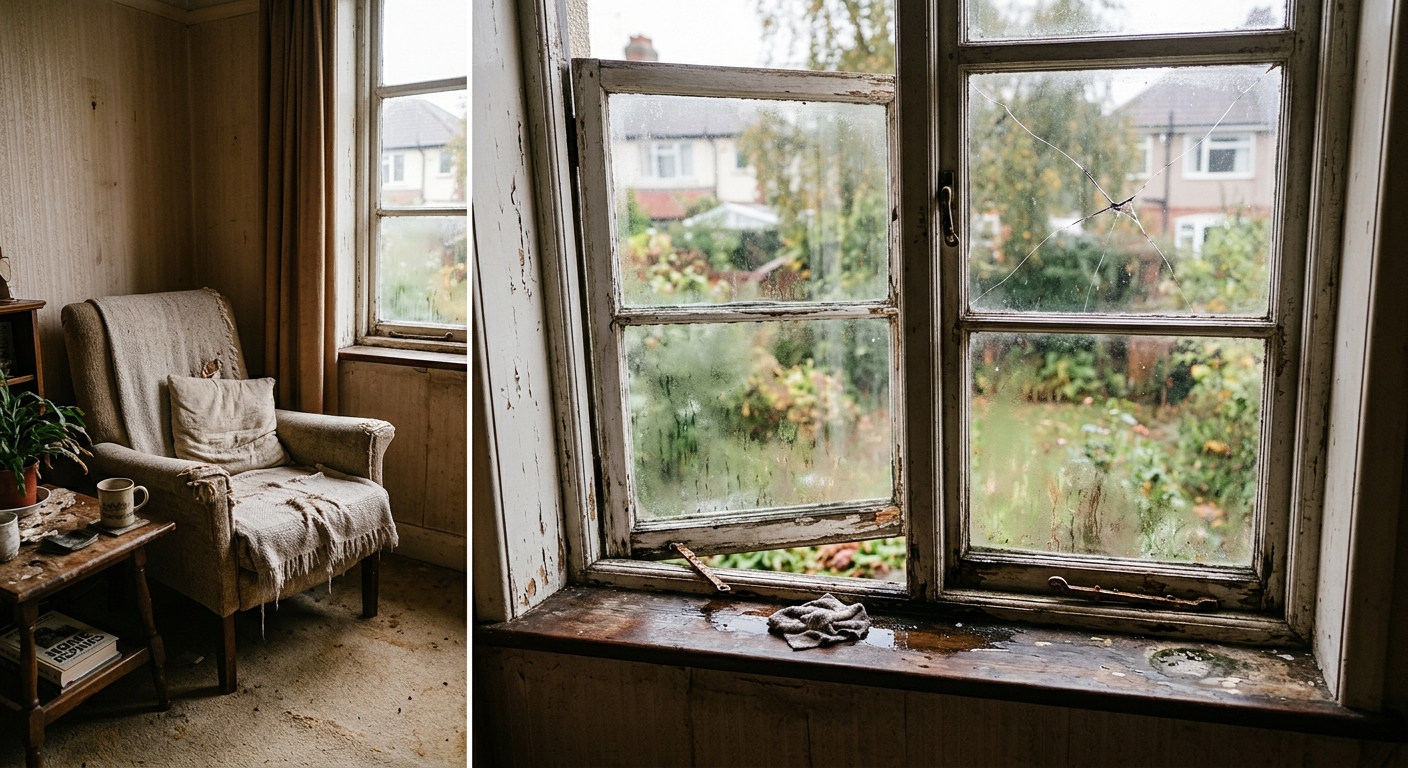
A primary indicator of window replacement is difficulty opening or closing them, often due to warped frames or broken hardware. This not only affects convenience but can compromise security. Visible damage, such as cracked or fogged glass and water leakage, signals structural failure, indicating that repairs may be insufficient to restore functionality or insulation.
Subtle signs, like drafts and temperature fluctuations, hint at poor insulation. Excessive outdoor noise can also suggest inadequate soundproofing, while issues like difficulty locking or rattling sashes emphasize the importance of addressing window problems proactively for both energy efficiency and safety.
Less Obvious and Hidden Indicators
Look for less visible signs, such as impacts on indoor air quality caused by failing seals that let pollutants enter. This can compromise health and highlight the need for replacements that improve seal integrity. Increased noise pollution is another concern; if you’re noticing disturbances despite closed windows, they may no longer provide adequate sound insulation.
Moisture-related issues, such as excessive condensation leading to frame deterioration, are often overlooked and require timely attention. Also, symptoms like allergies worsening despite closed windows point towards failing seals that permit pollen access, indicating it’s times to consider replacements.
Age and Material Considerations
The age of your windows is a crucial factor; those over 15-20 years often demonstrate decreased performance. Different materials also affect longevity: wood requires regular maintenance, while vinyl can last 20-40 years but may still need repairs. Fiberglass windows offer the longest lifespan, making them a worthwhile investment for enhanced durability and minimal upkeep.
Technical Signs Related to Energy Efficiency
Energy efficiency is key in deciding on window replacement. Pay attention to heat transfer rates; a lower U-factor indicates better insulation, suggesting that windows may need replacing if they fail to retain heat. Drafts or air leaks around the frames indicate failed seals that impact energy costs and comfort.
Condensation between panes symbolizes a broken seal and necessitates a replacement to restore insulation. Additionally, degradation of window coatings can reduce energy efficiency, warranting thermal testing to identify potential leaks and the need for window upgrades.
Technical Signs Related to Window Hardware and Security
Check for difficulties with window hardware, such as grinding sounds or worn locks, as these can expose your home to security threats. Signs like rust or corrosion suggest components may fail to secure windows properly, potentially permitting moisture and pests to enter. Addressing these issues proactively ensures windows remain secure and energy efficient.
Safety and Structural Integrity
Visible damages like cracked glass or rotting frames indicate severe safety concerns requiring immediate attention. Compromised structural integrity can also lead to the risk of moisture infiltration, which poses health hazards. Therefore, any signs of damage or dysfunction in windows should prompt a thorough evaluation for replacement.
Impact on Home Value and Aesthetics
Windows significantly affect a home’s curb appeal and market value. Outdated designs detract from aesthetic appeal, whereas modern replacements can enhance it and improve energy efficiency. Recognizing wear signs, like chipping paint or water stains, can help homeowners decide whether replacements would benefit both their living environment and resale value.
Maintenance, Repair, and Replacement Decision Factors
Consider the age of your windows when deciding between repair and replacement; those over twenty years are often better replaced. Evaluate their condition for visible damage, as this may necessitate immediate action to avoid further complications. Material types also play a role; for instance, wooden frames demand significant upkeep compared to vinyl or fiberglass, which offer better longevity and may require less frequent replacement.
The content is provided by Avery Redwood, Home Upgrade News