Summary
Easy Ways to Make a Big Impact: Transform Your Space with Simple Improvements is a practical guide focused on enhancing residential and commercial interiors through straightforward, cost-effective upgrades. It addresses a broad audience of homeowners and small business operators seeking to improve their environments without undertaking extensive renovations. By emphasizing accessible DIY projects alongside professional consultation where necessary, the topic highlights how minor adjustments can significantly elevate a space’s aesthetic appeal, functionality, and market value.
The guide underscores the importance of planning and budgeting before initiating any improvements, encouraging realistic expectations and clear communication to ensure smooth project execution. It catalogs a range of simple enhancements, such as updating hardware, adding trimwork, improving lighting, and incorporating plants or artwork, which collectively can refresh interiors and boost property attractiveness. These incremental changes are particularly notable for their ability to transform spaces efficiently while minimizing disruption and expense.
A key aspect of the topic is its focus on the impact of such improvements on property value and marketability. Strategic upgrades—like enhancing curb appeal with garage door replacements or landscaping, and modest kitchen and bathroom updates—are shown to offer substantial returns on investment, making the approach relevant for homeowners planning to sell or increase their property’s long-term worth. The article also explores the balance between DIY efforts and professional hiring, outlining when expert involvement is beneficial to ensure quality and compliance with building standards.
Overall, this topic combines practical advice with market insights, helping readers make informed decisions about enhancing their spaces. It also addresses common challenges, such as project management and cost control, while promoting sustainable, creative solutions that deliver visible improvements with manageable effort and resources.
Planning Your Space Transformation
Before embarking on any space transformation, it is essential to thoroughly plan and assess the scope of your project. If you are considering coordinating the construction or improvements yourself, ensure that you have the necessary time and expertise to manage work schedules, oversee workers, and handle materials. While minor jobs might be manageable on your own, significant renovations or additions often require professional assistance to avoid becoming overwhelmed. Clear communication and detailed agreements regarding how improvements will be carried out should be established upfront, often documented within a lease or contract. For businesses needing specialized space configurations or equipment, engaging a space planner or architect early in the process can help formalize designs and evaluate property suitability. Conversely, simple updates—such as installing new window coverings—may not require extensive planning.
Budgeting and setting realistic expectations are critical components of successful space transformation. Whether planning a DIY renovation, such as a bathroom remodel, or broader home improvements, defining what elements will change and what will remain can help streamline the process. Establishing a reasonable budget and timeline is important, especially for DIY projects that may take longer than anticipated.
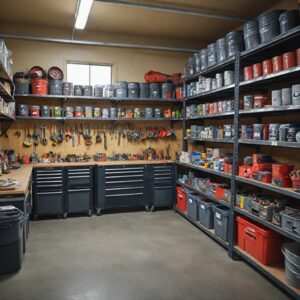
Optimizing storage solutions in overlooked areas is a key strategy in enhancing both the function and value of your space. Custom shelving and thoughtful use of nooks can reduce clutter and create efficient storage tailored to your needs. Starting with simple, budget-friendly ideas can lead to a significant impact on the style and usability of your rooms, transforming your space without extensive investment.
Key Simple Improvements for Big Impact
Making simple improvements to a home can significantly enhance both its aesthetic appeal and functionality without requiring major renovations or extensive budgets. Several easy and budget-friendly updates have the potential to transform spaces and boost property value effectively.
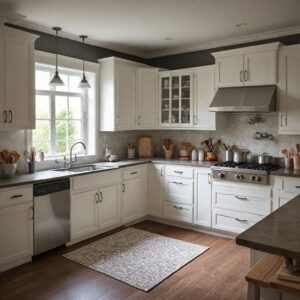
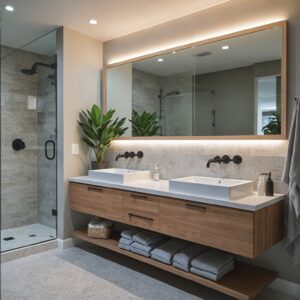
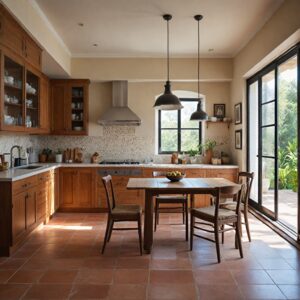
One of the most impactful areas to focus on is the bathroom. Small refreshes such as updating faucets, showerheads, towel bars, and cabinet pulls with modern, matching hardware can quickly give the space a more cohesive and updated look. Similarly, kitchen upgrades like repainting dark cabinets in lighter colors, or adding small, efficient appliances such as coffee machines or toasters, help brighten and streamline the heart of the home.
Trimwork and crown molding offer an affordable way to add character and polish to walls, doors, and windows. These accessories can be installed in a weekend without professional help, instantly elevating the room’s style. Likewise, replacing builder-basic outlet covers, light switches, and doorknobs with upgraded versions can provide subtle but noticeable improvements that harmonize with the overall décor.
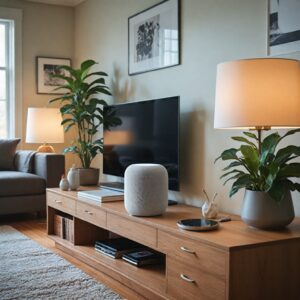
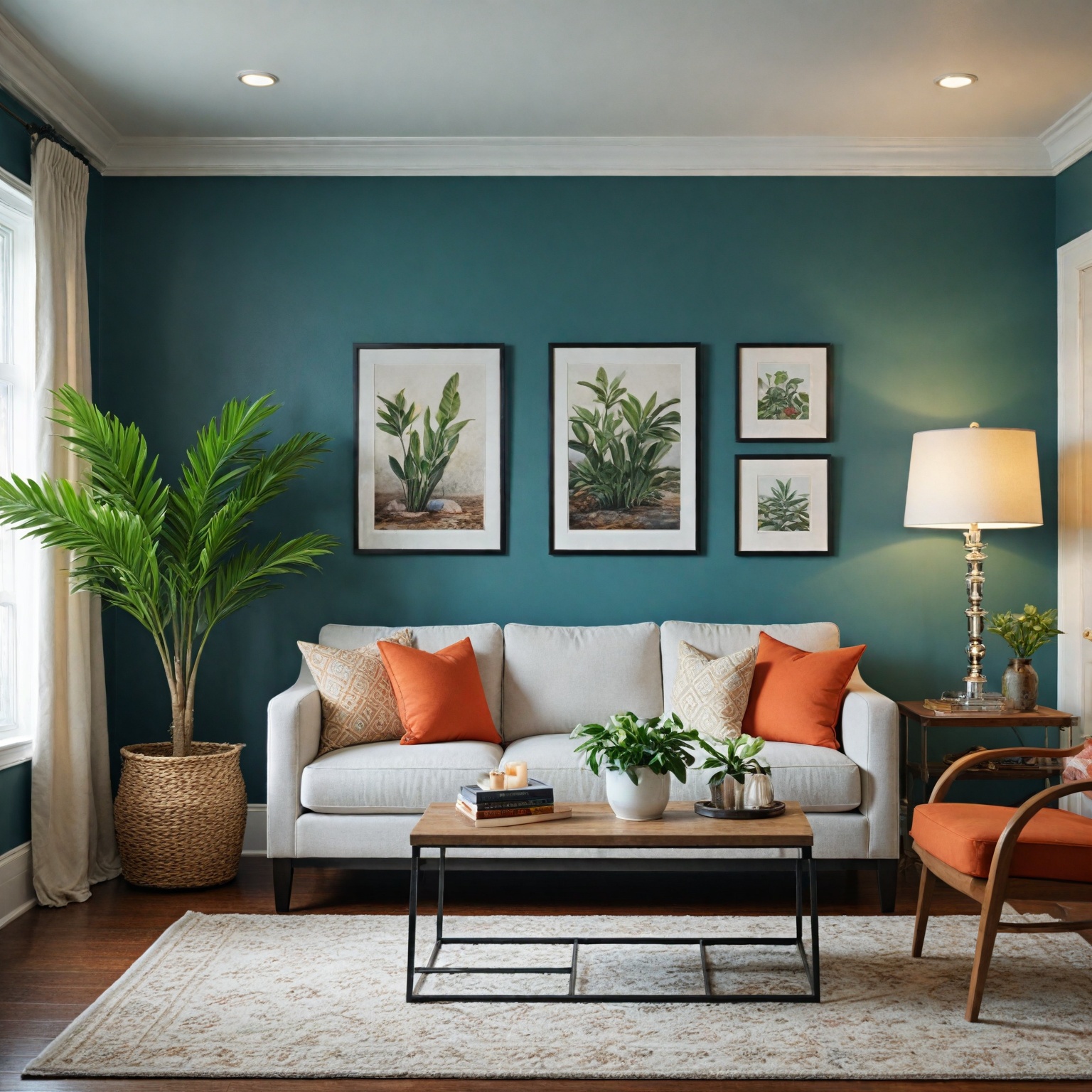
Lighting is another key element to address. Improved lighting enhances room usability, safety, and ambiance. Smart lighting systems, controllable via smartphone, allow homeowners to tailor lighting moods for different occasions, adding both convenience and modern appeal. Additionally, adding rugs can soften floors, introduce warmth, and unify diverse furniture and décor styles within a room.
Incorporating plants indoors contributes to a serene and refreshing environment by boosting mood, reducing stress, and improving air quality. Whether through living walls, large statement plants, or scattered smaller greenery, plants bring natural beauty into the home. Adding art to walls is another cost-effective way to personalize and enliven spaces, with frames sourced economically from thrift or discount stores.
For those looking to add a rustic or coastal charm, simple DIY projects like framing mirrors with glued wooden boards offer creative ways to customize interiors without nails or screws. Curtains, especially floor-length ones with elegant or patterned fabrics, contribute significantly to a cozy, welcoming atmosphere.
Storage improvements do not necessarily require construction; utilizing underutilized spaces by adding shelves or custom cabinets can increase functionality and organization without major upheaval. Finally, small updates such as swapping out door hardware or painting an entrance door a bold color can boost curb appeal and perceived home value.
Together, these straightforward enhancements can transform overlooked areas, increase comfort, and add significant style and value to any home with relatively low effort and cost.
Budget-Friendly and DIY Improvement Tips
Embarking on budget-friendly and do-it-yourself (DIY) home improvement projects can significantly transform your living space without requiring major renovations or professional help. These projects not only boost the aesthetic appeal of your home but also enhance its functionality and value.
One of the best ways to start is by assembling a basic toolkit that includes essential items such as a cordless drill, tape measure, and heavy-duty adhesive. Having these tools readily available will empower you to tackle a wide variety of projects, from simple repairs to more ambitious upgrades.
Simple DIY projects like replacing window screens can effectively keep insects out while improving the appearance of your windows and screen doors. Whether patching a small tear or replacing an entire screen, this beginner-friendly task is a practical home improvement that requires minimal investment. Similarly, fixing sticking or misaligned interior doors—caused by factors like humidity or settling—can restore functionality with targeted adjustments.
Updating bathroom hardware is another quick and affordable way to refresh your space. Replacing old faucets, showerheads, towel bars, and cabinet pulls with modern, matching pieces can make a bathroom feel more cohesive and up-to-date without extensive remodeling. Additionally, framing a standard bathroom mirror with trim boards and heavy-duty adhesive is an easy project that requires no nails or screws and can be personalized with paint or stain to complement your décor.
For those looking to make a bigger impact with minimal effort, rearranging furniture, painting walls, hanging wall art, or applying peel-and-stick floor tiles offer substantial design improvements that can be completed in a weekend. While DIY projects often save on labor costs, it is important to consider material expenses and the value of your time when planning. Utilizing resources like reuse centers can help reduce costs further by providing affordable materials and unique design elements.
Ultimately, prioritizing projects that align with your budget, timeframe, and desired impact will ensure a rewarding DIY journey that enhances both the look and efficiency of your home.
Impact on Property Value and Market Appeal
Homeowners seeking to enhance their property’s value and market appeal can benefit significantly from strategic improvements that combine aesthetic enhancement with functional upgrades. Real estate experts emphasize the importance of evaluating key factors such as location, property condition, and market trends to identify the most effective upgrades for increasing a home’s worth. Among the most impactful enhancements are those that improve curb appeal, as the exterior of a home is the first aspect potential buyers notice.
One of the highest-return investments is garage door replacement, which can recoup over 190% of the cost, effectively doubling the homeowner’s investment. A new garage door not only enhances the visual appeal but also signals good maintenance and care, increasing buyer interest. Complementing this, landscaping improvements—especially the addition of mature plantings and well-maintained gardens—can boost property value by 5.5 to 12.7 percent by creating an inviting front yard that sets a positive first impression.
Interior upgrades, even minor ones, also contribute to increased value and refreshed appeal. Small changes such as replacing basic hardware on doors and cabinets, painting entry doors with bold, welcoming colors, or fixing sticking interior doors can significantly enhance a home’s look and functionality without extensive cost or effort. A fresh coat of neutral-colored interior paint, for example, can yield an impressive return on investment of approximately 107%, as it appeals to a broader range of potential buyers and helps the home feel fresh and move-in ready.
Kitchen and bathroom remodels remain among the most effective interior improvements to increase a home’s marketability. These remodels do not always require complete overhauls; even minor updates like new countertops, backsplashes, vanities, faucets, or fixtures can revitalize these key rooms and offer strong ROI. Additionally, energy-efficient upgrades such as window replacements not only improve a home’s comfort but also appeal to environmentally conscious buyers.
Professional vs. DIY: When to Hire Experts
Deciding whether to undertake a home improvement project yourself or hire a professional often depends on a variety of factors including budget, time, personal skill level, and the complexity of the task. Many homeowners weigh the tradeoffs between saving money on labour by doing it themselves and the quality and efficiency a professional might provide.
DIY projects are increasingly popular, supported by abundant resources such as step-by-step books and online tutorials that empower even beginners to tackle a variety of tasks. Simple and manageable projects like painting, landscaping, or finishing a basement are ideal for DIY efforts because they can often be completed over a weekend or spread out comfortably over time. Additionally, homeowners may find discounted materials or discontinued products that professionals might overlook, allowing for cost savings when sourcing supplies independently.
However, some projects require more expertise, time, and oversight. For instance, significant renovations or structural changes often necessitate hiring a professional to ensure safety, adherence to building codes, and high-quality results. Professionals also benefit from better pricing on materials due to their supplier relationships, which can offset some of the labour costs. Moreover, if a project demands specialized equipment or precise space configurations, engaging experts such as architects or space planners may be essential to achieve the desired outcome.
Ultimately, homeowners should carefully consider their own confidence and skills, the financial implications including potential hidden costs of materials, and the scope of the project before deciding to DIY or hire a professional. Tools like cost estimators and calculators for valuing one’s time can help make this decision from a financial standpoint. In smaller or straightforward projects, taking on the task yourself can be rewarding and cost-effective, but for more complex or large-scale improvements, professional involvement is often the safer and more efficient choice.
Case Studies and Examples
Homeowners looking to enhance their property value often turn to strategic improvements that balance aesthetic appeal with functionality. For instance, trimwork and crown molding can dramatically transform the look of a room within a weekend, using affordable materials available at local home improvement centers. This simple upgrade adds a complete and polished appearance to walls, doors, and windows without requiring extensive renovations.
Another example involves careful coordination of home improvements to maintain control over the project timeline and quality. While minor jobs may be manageable for homeowners, larger additions or significant changes often necessitate professional oversight to avoid being overwhelmed. This distinction is crucial when considering the difference between “improvements,” which typically remain with the property, and “trade fixtures,” which can be removed by the tenant or owner.
Strategic investments can also focus on factors that directly influence a property’s market value. These include location analysis—such as proximity to amenities, schools, and transport links—comparative market analysis reviewing recently sold similar properties, and thorough physical assessments addressing structural integrity and aesthetic appeal. Homeowners who incorporate these evaluations into their improvement plans tend to achieve better returns, as modern buyers favor homes with well-considered layouts, updated features, and appealing garden spaces.
Together, these examples highlight practical approaches homeowners have used to create meaningful impact through simple yet effective home improvements, increasing both enjoyment and marketability of their living spaces.
The content is provided by Jordan Fields, Home Upgrade News