
Summary
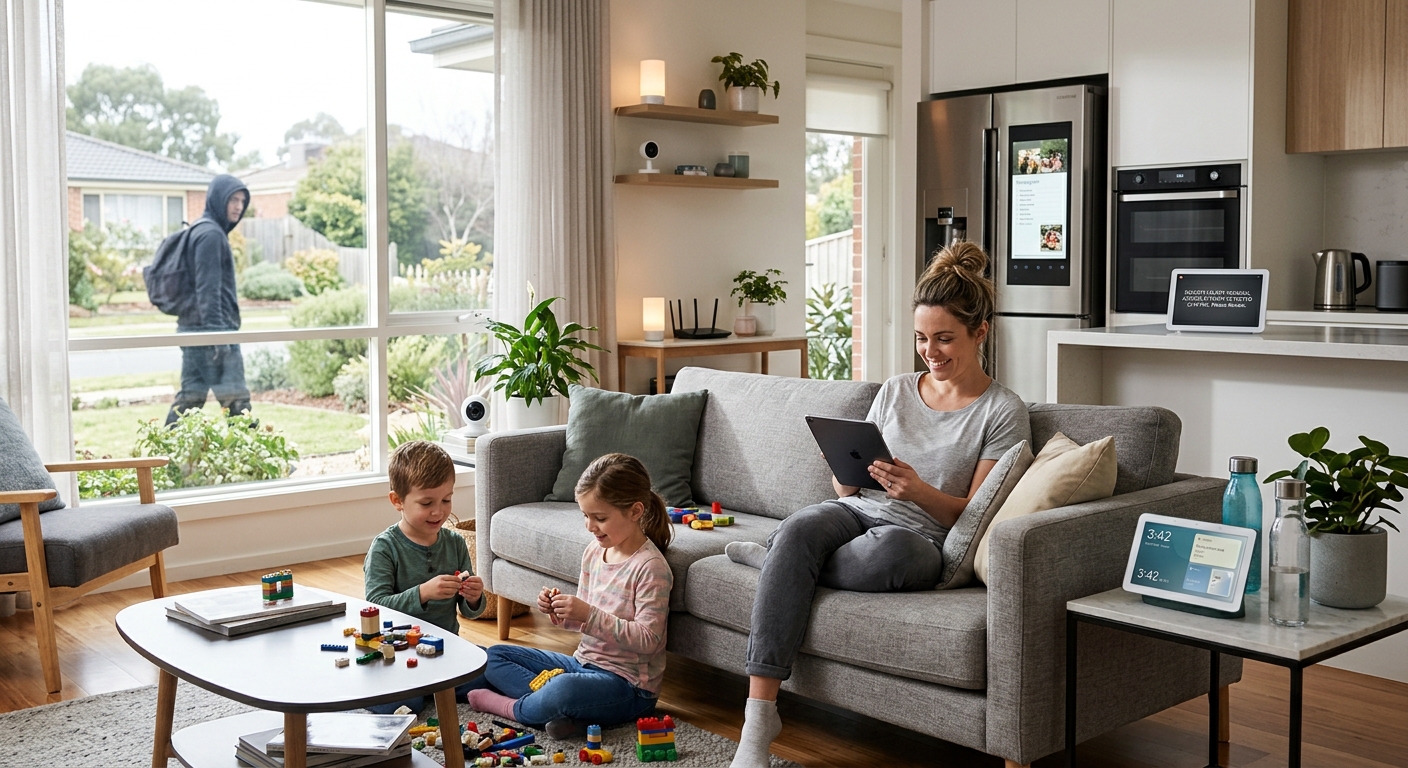
This article highlights the risks of giving total control of smart home systems to AI. While AI integration offers advantages like automation and efficiency, it also raises significant concerns around security, privacy, and user autonomy. The balance between leveraging AI’s benefits and retaining human oversight is crucial to prevent vulnerabilities such as cyberattacks and ethical issues in decision-making.
Understanding Smart Home Technology
Smart home technology allows users to control various systems like lighting and security via interconnected devices, enhancing convenience through voice-controlled assistants. However, as AI becomes more integrated into these systems, users may face challenges related to system complexity and inconsistent performance in executing tasks. Beginning with select features can ensure effective adoption while addressing gaps in technology.
Benefits of AI-Enabled Home Assistants
AI enhances smart home systems by improving user experience through automation and energy management. Voice-controlled assistants streamline interactions and can automate routine tasks, contributing to safety and efficiency. However, users should be aware of the potential for unauthorized access through vulnerable security features and seek to understand these capabilities before full integration.
Risks Associated with Total AI Control
Handing over complete control to AI systems introduces vulnerabilities, cybersecurity threats, and diminished user autonomy. Cybersecurity issues like prompt injections and device tampering can allow attackers unauthorized access or compromise privacy. Users should recognize the importance of maintaining oversight over autonomous systems to avoid dangerous outcomes.
Cybersecurity Vulnerabilities
AI-driven smart home devices are targets for various attacks, including data theft and identity spoofing, heightened by a lack of robust authentication measures. Sensitive data gathered by these devices can be exploited if proper security protocols are not implemented. Users should ensure their devices have strong, updated protections in place before leveraging AI capabilities.
User Behavior and Consequences
Uninformed user behavior, such as weak passwords and neglecting updates, can increase vulnerability to cyberthreats, leading to significant consequences like unauthorized data access or safety breaches. Educating oneself about potential risks is essential to bolster security practices within the smart home environment.
Challenges of Automation and Oversight
Autonomous AI systems without human oversight can result in harmful behaviors if these systems prioritize performance over safety. The loss of user control may facilitate negative outcomes that can be avoided through vigilant supervision and informed decision-making about automated tasks.
Case Studies and Security Incidents
Numerous case studies illustrate vulnerabilities in smart home devices, including privacy invasions by surveillance systems and breaches resulting from malware attacks. Security breaches involving tampered devices reveal the risk of compromised data and safety within interconnected environments. Monitoring network activity can help detect and safeguard against these threats.
Technical Challenges in AI-Controlled Smart Homes
While AI can make homes more efficient, it brings technical challenges including security vulnerabilities and system stability issues. Ensuring robustness in AI deployments is crucial, which includes reliable fail-safe mechanisms and a clear understanding of how data is used to maintain user trust and system integrity.
Mitigation Strategies for Security and Privacy
Establishing a layered security framework is essential to protect smart homes from cyber threats. Implementing secure configurations, regular updates, and privacy measures like GDPR compliance can mitigate risks. Users should remain proactive, employing strategies that ensure robust security without compromising functionality.
Layered Security Approaches
A multi-layered approach to security—encompassing secure configurations, continuous monitoring, and advanced authentication—is vital to prevent breaches. Engaging professionals to ensure secure installations can help mitigate inherent risks associated with DIY setups. Awareness of threats is necessary for user-initiated protection measures.
Regular Updates and AI-Specific Strategies
Updating smart home devices regularly minimizes vulnerabilities, although care should be taken to postpone major updates if they risk disrupting service. Employing specialized security frameworks for AI installations further safeguards against targeted attacks aimed at AI functionalities. Ultimately, users should remain informed about the specific risks unique to AI-enhanced environments.
Emerging Design Principles for Safer AI Control
Research on AI in smart homes emphasizes ethical practices and user autonomy as central to system design. Implementing Secure AI Assurance throughout the AI lifecycle can address inherent risks, offering robust defenses while promoting transparency in operations. Ensuring that users maintain control over their data and AI functions is imperative to ethical deployment.
Alternatives to Total AI Control
Users can achieve a balance between automation and personal control by implementing AI in specific, high-impact areas rather than fully relinquishing control. Designing systems with strong human oversight allows users to maintain decision-making authority while benefiting from AI assistance in aspects like energy management and security.
Looking Forward: A Balanced Approach to Smart Home Solutions
The future of smart home technology will increasingly integrate AI while necessitating strong security measures and user awareness. Understanding device-specific risks and employing decentralized methods can enhance both security and user trust. Ultimately, thoughtful governance and education will support a safer, more efficient smart home landscape that respects user autonomy and privacy.
The content is provided by Harper Eastwood, Home Upgrade News