
Summary
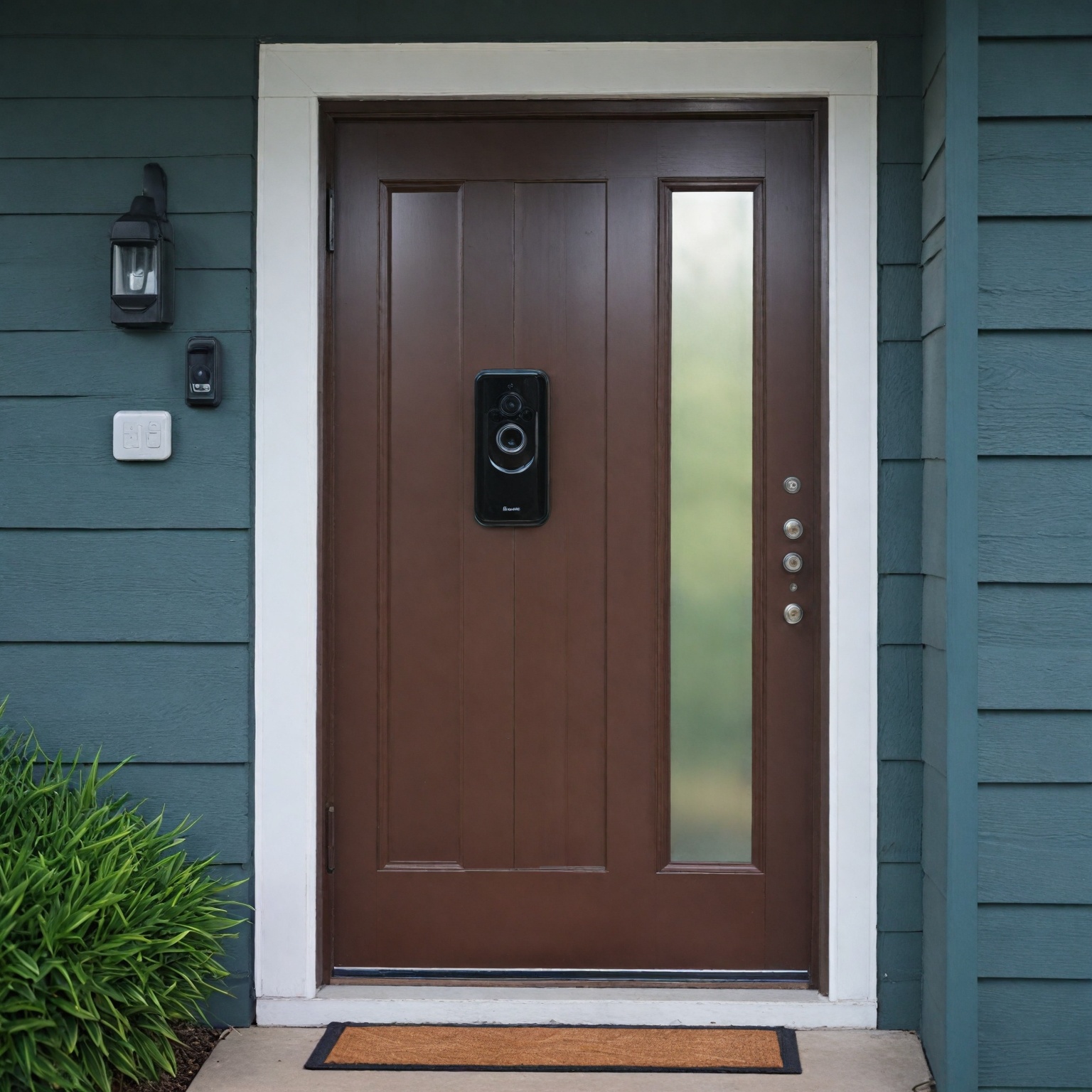
Video doorbells are smart security devices installed at home entrances that combine video cameras, microphones, and doorbell functions to enhance residential safety and convenience. Integrated with smartphone apps, these devices allow homeowners to monitor visitors, communicate remotely, and receive real-time alerts triggered by motion or button presses. As part of the broader smart home technology ecosystem, video doorbells have gained widespread popularity due to their ability to improve environmental awareness and deter potential intruders, making them a pivotal component in modern home security.
The video doorbell market is rapidly expanding worldwide, with North America leading adoption because of high consumer awareness and advanced infrastructure. Growth in emerging regions such as Asia-Pacific, Latin America, and the Middle East is driven by urbanization and increasing smart home technology integration. Prominent manufacturers including Ring, Nest, Vivint, and Remo dominate the sector, while newer brands compete by offering more affordable and feature-rich models. These devices typically offer high-definition video, two-way audio communication, motion detection, cloud or local storage, and compatibility with major smart home platforms like Amazon Alexa, Google Assistant, and Apple HomeKit.
Despite their advantages, video doorbells face notable challenges, particularly regarding data privacy and security. Investigations by Consumer Reports have uncovered vulnerabilities in several popular models that expose sensitive user information such as email addresses, passwords, and Wi-Fi credentials, highlighting risks of unauthorized access and hacking. Additionally, many devices lack critical security features like two-factor authentication, and the reliance on cloud storage raises concerns about data sharing and potential surveillance. These issues have sparked calls for stronger manufacturer safeguards, regulatory oversight, and greater consumer awareness to mitigate risks while leveraging the benefits of video doorbell technology.
Consumers benefit from improved home security, ease of communication with visitors, and smart home automation enabled by video doorbells, but must also navigate drawbacks such as ongoing subscription costs, dependence on reliable internet connectivity, false alarms, and integration challenges across different smart ecosystems. As technology advances, future developments are expected to focus on enhanced artificial intelligence for more accurate detection, stronger encryption protocols, expanded market reach, and improved privacy protections to address current limitations and ethical concerns.
Overview
Video doorbells are small security cameras designed for installation at exterior doors, often integrated with a doorbell and equipped with features such as microphones to enhance home security and communication. These devices have seen a significant increase in adoption as consumers show growing interest in safety and security products that provide advanced environmental awareness and deliver accurate, relevant notifications. This rising demand reflects a broader trend in smart home technology integration, with video doorbells playing a pivotal role.
The market for video doorbells is expanding rapidly across multiple regions, including North America, Europe, Asia Pacific, Latin America, and the Middle East and Africa. North America currently leads the market due to high consumer awareness, advanced infrastructure, and a large base of tech-savvy users. Meanwhile, emerging markets in Asia-Pacific, Latin America, and the Middle East are experiencing growth driven by urbanization and increased adoption of smart home technologies. Manufacturers are responding by forming strategic partnerships with home security providers, acquiring smaller tech firms, and focusing on making products more affordable to attract price-sensitive consumers.
Despite their popularity, video doorbells are not without challenges. Consumer Reports’ Digital Lab has identified security vulnerabilities in several models, revealing risks such as exposure of user data including email addresses and account passwords. These findings underscore the importance of robust data privacy and security measures for these devices. Notably, major market leaders such as Ring, Nest, Vivint, and Remo maintain a significant presence, though some market analyses omit their specific contributions amidst the flood of new smart doorbell introductions.
Technical Features
Video doorbells combine several advanced technologies to enhance home security and convenience. Early models faced challenges with video and audio quality, including issues like false chimes and incoherent sound. However, modern devices now offer key features such as cloud backups, motion detection, video streaming, and two-way communication, all requiring seamless and reliable performance to be effective.
Video and Audio Capabilities
Modern video doorbells provide high-quality video streaming and two-way audio communication, enabling homeowners to see and speak with visitors remotely via smartphone apps. Motion sensors trigger alerts sent over Wi-Fi, allowing users to monitor activity at their doorstep in real-time. Advanced AI integration improves these functions by distinguishing between people, packages, pets, and other objects, thereby reducing false alerts from environmental factors like passing cars or falling leaves.
Power Options
Video doorbells are typically powered in one of three ways: rechargeable batteries, existing low-voltage doorbell wiring, or power-over-Ethernet (PoE) connections. Battery-powered models provide installation flexibility but require periodic recharging, whereas wired doorbells, like Vivint’s Doorbell Camera Pro, appeal to users who prioritize consistent power and reliability. PoE models offer a direct network and power connection, often favored in more integrated smart home setups.
Smart Home Integration
Compatibility with major smart home ecosystems is a critical feature of video doorbells. Most devices support platforms such as Amazon Alexa, Google Assistant, and increasingly, Apple HomeKit. However, not all devices work seamlessly across these ecosystems; for example, Ring doorbells function best with Alexa but have limited compatibility with Google Home and none with Apple HomeKit. Conversely, HomeKit-compatible doorbells offer tight integration within Apple’s ecosystem but may be less suitable for users with diverse device environments due to higher costs and dependence on Apple services.
Many video doorbells also support IFTTT (If This Then That), enabling users to create custom automations that link their doorbells with other smart home devices such as locks, sirens, and lighting. Voice command integration allows convenient control, such as asking Alexa to display the front door feed on Echo Show devices.
Security and Privacy Features
Given their role in monitoring home entrances and storing video footage—often in the cloud—video doorbells prioritize data privacy and security. While most tested devices received a “Fair” rating for data privacy, some, such as the Netatmo Smart Video Doorbell, stood out positively. However, vulnerabilities remain a concern, as Consumer Reports found significant security flaws in several popular brands’ models, underscoring the importance of ongoing manufacturer efforts to address these issues through timely software updates.
User Experience and Installation
Installation is generally straightforward, requiring minimal electrical expertise. Most video doorbells include a base plate for mounting near existing doorbell locations or on doorway trim. User-friendly apps and manuals assist with setup, and many brands emphasize free and accessible features to complement existing home technology subscriptions. The integration of AI in video doorbells continues to enhance user experience by providing more accurate alerts and reducing unnecessary notifications.
Security Advantages
Video doorbells offer several security advantages that enhance home safety and provide homeowners with greater control over their property. One of the primary benefits is the ability to receive instant notifications and alerts on connected devices whenever motion is detected or someone rings the doorbell. This real-time monitoring enables users to promptly respond to visitors or potential intruders, even when they are away from home.
Another important advantage is the integration capability of video doorbells with existing home security systems and smart home automation platforms. Many models support wireless communication methods such as Wi-Fi, which allow seamless data transmission to cloud servers or directly to mobile applications. This connectivity facilitates enhanced automation, including setting up routines that trigger actions like turning on lights or activating alarms when motion is detected.
Video doorbells also improve communication by enabling two-way audio, allowing users to speak directly with delivery personnel, guests, or deter suspicious activity remotely through their smartphones. This feature adds an additional layer of security by enabling proactive interaction without physically opening the door.
Moreover, the option to store recorded footage either locally or in the cloud offers flexible data management solutions. Local storage provides a free and secure method to keep video data safe from external breaches, while cloud storage ensures remote access and protection of footage even if the device is stolen. Some battery-powered models support extended usage periods between charges, enhancing reliability for continuous security monitoring.
Despite certain reported vulnerabilities in less well-known brands, reputable manufacturers actively address security flaws through software updates to protect user data, including encryption of video feeds and safeguarding of Wi-Fi credentials. Continuous security evaluations by consumer organizations have led to most tested devices receiving at least a fair rating in data privacy, emphasizing the ongoing efforts to strengthen protection against unauthorized access.
Security Vulnerabilities and Mitigation
Video doorbells, while enhancing home security and convenience, have been found to contain significant security vulnerabilities that may expose users’ sensitive data such as email addresses, passwords, and WiFi credentials. Consumer Reports identified 11 security flaws across multiple popular models, including issues like the transmission of user data in plain text over the air, which increases the risk of interception by malicious actors. One critical vulnerability involves the ease with which a doorbell can be reset and connected to a new WiFi network with just a button press, potentially allowing unauthorized access.
A notable security concern is the widespread lack of two-factor authentication (2FA) among many video doorbell brands, a feature that provides an additional layer of protection by requiring a temporary, one-time code upon login. Only a minority of tested brands—Arlo, August, Google Nest, Ring, and SimpliSafe—offer 2FA, limiting user protection against account takeovers even if passwords are compromised. Moreover, many manufacturers do not minimize the volume of user data collected nor provide straightforward options for users to request or delete their data.
Additional attack vectors have been identified, such as the misuse of QR codes used during device setup. Since smartphones often automatically back up photos, malicious actors could potentially gain access to QR codes containing sensitive setup credentials, thereby compromising device security. Furthermore, devices lacking internal security audits or vulnerability disclosure programs, such as those from Bosma and Eufy, received only fair ratings for data security due to their limited transparency and responsiveness to security issues.
Some companies have implemented stronger mitigation strategies. For instance, Ring employs end-to-end encryption and alerts users about logins from unfamiliar IP addresses, offering an enhanced layer of security. Users can also review login history to monitor unauthorized access attempts. Google’s Nest devices provide two-factor authentication, although it is not mandatory, and enforce strict controls over recording access, limiting it to authorized personnel or legal requests.
To improve overall security, manufacturers are encouraged to promptly patch identified vulnerabilities through software updates and to adopt standard security practices such as 2FA, encryption, and transparent vulnerability reporting. Consumer Reports advocates for manufacturers to minimize data collection and empower consumers with control over their personal data. Users are also advised to secure their home networks with strong passwords, avoid public Wi-Fi connections for device access, and keep device software up to date to mitigate risks associated with hacking attempts.
Despite the presence of vulnerabilities, video doorbells remain a valuable component of modern smart home security when combined with vigilant security practices and manufacturer commitment to addressing potential risks.
Encryption and Data Protection
Video doorbells have increasingly integrated encryption technologies to enhance user privacy and data security. Ring, a leading brand in this market, introduced end-to-end encryption (E2EE) for its hardwired and plug-in devices initially, and by September 2022, extended this feature to nearly all its battery-powered cameras and doorbells, except the lower-cost Ring Video Doorbell Wired model. End-to-end encryption ensures that video and audio footage is accessible only to the device owner on their enrolled iOS or Android device, secured with a personal passphrase, thus preventing unauthorized access even from Ring itself or potential cyber attackers.
While E2EE significantly raises the level of security by protecting footage from interception or unauthorized viewing, it introduces some usability trade-offs. For example, users lose the ability to preview videos directly on the Ring app’s Event Timeline or receive rich notifications with snapshots of the recorded activity before opening the app. Despite these protections, hackers remain a threat; if an attacker gains access to a user’s Ring account, they can view live streams and recorded footage. To mitigate risks, users are advised to delete old footage regularly and secure their home networks by using VPNs that encrypt traffic and obscure IP addresses, offering an additional layer of defense against Internet of Things (IoT) attacks targeting smart home devices.
The security of video doorbells is not limited to encryption protocols but also includes the physical and network protection of the device. Some vulnerabilities identified in early models involved the transmission of sensitive data like IP addresses and Wi-Fi SSIDs in plain text, as well as ease of takeover through simple reset mechanisms that allow attackers to connect the doorbell to a new Wi-Fi network. These risks emphasize the need for manufacturers to employ robust hardware security measures, such as tamper-resistant screws to prevent device theft, and to offer clear guidance on securing the devices within a user’s network environment.
Storage of video footage also impacts data protection considerations. While many video doorbells rely on cloud storage, which introduces concerns about data privacy, third-party access, and potential sharing with law enforcement without user consent, some brands offer local storage options. Local storage, typically via SD cards or dedicated storage devices, reduces dependence on external servers and minimizes privacy risks associated with cloud services. Users are encouraged to carefully review privacy policies and terms of service to understand how their data might be shared or accessed, maintaining control over their personal footage and information.
Consumer Benefits
Video doorbells offer a range of advantages that enhance home security and convenience, making them an increasingly popular choice for smart home users. One of the primary benefits is enhanced communication; with two-way audio functionality, homeowners can speak directly to visitors or delivery personnel from their smartphones, helping to deter potential intruders and stay connected even when away from home. Additionally, motion detection alerts provide real-time notifications whenever someone approaches the door, offering peace of mind and timely awareness of activity around the property.
These devices serve as an affordable entry point into home security, often requiring lower upfront costs compared to full security systems while still providing valuable monitoring capabilities. Video doorbells also integrate with many smart home ecosystems, allowing users to automate security routines and improve overall home automation. However, compatibility varies between brands and ecosystems, with some models functioning better with specific platforms like Amazon Alexa or Apple HomeKit.
Another significant benefit is the increased adoption driven by consumer interest in products that extend environmental understanding and provide accurate, relevant notifications, representing a substantial leap forward for the video doorbell category. The widespread availability of internet connectivity and smartphones has further fueled market growth, making these devices more accessible to a broad audience.
Video doorbells come with flexible power options to suit different household needs. Wired models, which draw power from existing doorbell wiring, provide a reliable, always-on solution favored by those seeking consistent performance, although they may fail during power outages unless backup power is included. Wireless models powered by batteries offer easy installation and mobility but require periodic recharging.
Despite their advantages, consumers should be mindful of potential drawbacks such as reliance on internet connectivity, which can disrupt functionality during Wi-Fi or power outages, and the possibility of false alarms triggered by motion sensors detecting non-threatening movements like passing cars or animals. Subscription fees for cloud storage services may also add ongoing costs beyond the initial purchase price.
Consumer Drawbacks and Challenges
Video doorbells, while increasingly popular for home security, present several drawbacks and challenges that consumers should carefully consider. Privacy and data security remain primary concerns, as many video doorbells rely on cloud storage to save recorded footage. This dependence raises the risk of unauthorized access or data breaches, exposing sensitive information such as video footage, email addresses, and Wi-Fi passwords. Despite efforts to improve security, ongoing vulnerabilities have been found in numerous models, with some manufacturers yet to issue patches for known issues, leaving users potentially exposed to hackers.
Another significant challenge is the reliance on stable internet and power connections. Poor Wi-Fi signals or outages can disrupt video doorbell functionality, resulting in security gaps when users most need coverage. Additionally, streaming video from multiple smart devices may strain bandwidth, although many modern home networks are typically equipped to handle such demands without noticeable slowdowns.
Subscription costs associated with cloud storage add to the total expense of owning a video doorbell. While some services offer tiered subscription models—including lower-cost options supported by ads—ongoing fees
Affordability and Subscription Costs
One of the major considerations for consumers when purchasing video doorbells is the ongoing cost associated with subscriptions. While the initial purchase price of these devices can vary, many brands lock essential features behind subscription paywalls, which can significantly increase the total cost of ownership over time. Subscription plans often provide enhanced functionalities such as extended video storage, advanced motion detection, and detailed notifications, which are not available with the basic free services that typically include live video and simple alerts.
Some manufacturers, however, offer alternatives that reduce or eliminate the need for subscriptions. For example, Eufy is notable for allowing users to save footage locally without monthly fees, which, despite a higher upfront cost, can lead to savings in the long run. Additionally, subscription services may come in multiple tiers, including lower-cost options that support ads, providing some flexibility for budget-conscious consumers.
Beyond subscriptions, there are other potential hidden costs in smart home setups. Professional installation may be recommended, particularly when integrating video doorbells into existing security systems, which can add to expenses. Moreover, smart home devices, like traditional household electronics, have a limited lifespan, meaning replacement or upgrade costs should also be considered.
The affordability of video doorbells is an important factor in their adoption, especially as manufacturers aim to expand into emerging markets where price sensitivity is higher. Companies are encouraged to enhance product affordability to attract these consumers while balancing the inclusion of subscription-based services that drive revenue but may deter potential buyers. Overall, while video doorbells offer valuable security benefits, the recurring costs associated with subscriptions remain a significant drawback for many users.
Integration Challenges
Video doorbells offer significant benefits for smart home integration, but several challenges remain that can impact user experience and system performance. One notable issue is device compatibility. For example, video doorbells that support Apple HomeKit tend to work primarily with Apple devices, limiting their usability for households with a mixed-device ecosystem. This restricted compatibility may deter users who prefer cross-platform flexibility or use devices outside the Apple environment. Additionally, the heavy reliance on specific ecosystems, such as Apple services, can reduce the appeal for users who seek more open or customizable smart home solutions.
Another challenge involves the technical constraints inherent to video doorbell design. These devices often face size and power limitations, requiring manufacturers to balance the demands of processor-intensive features, like advanced video analytics, with limited battery capacity and compact hardware. This balance can restrict the inclusion of certain functionalities or affect the device’s overall performance and battery life.
Network considerations also play a crucial role. Video doorbells continuously stream video footage over Wi-Fi, which can consume significant bandwidth and potentially slow down other internet-connected devices in the home. While many users have sufficient network capacity to handle this load without noticeable impact, homes with numerous smart devices may experience reduced internet speeds due to cumulative bandwidth consumption. Managing network resources effectively is therefore essential to maintain seamless smart home operation.
Cost factors further complicate integration. Some video doorbells carry higher price points due to their compatibility with premium ecosystems or advanced features. Moreover, users often encounter additional hidden expenses, such as subscription fees required to unlock full device capabilities or cloud storage options. These ongoing costs can limit accessibility for budget-conscious consumers and impact long-term satisfaction.
Finally, security remains a critical concern. The video doorbell sector has been identified as prone to security vulnerabilities, which can expose users to privacy risks and cyber threats if not properly addressed. Ensuring robust security measures and regular updates is vital for maintaining trust and protecting smart home environments.
Together, these challenges highlight the complexity of integrating video doorbells seamlessly into diverse smart home setups, emphasizing the need for manufacturers to prioritize compatibility, efficiency, affordability, and security in their product development strategies.
Legal and Ethical Considerations
Video doorbells raise important legal and ethical questions, particularly regarding data privacy, security, and the sharing of recorded footage. One key concern is that many video doorbells store recorded footage in the cloud, which introduces risks related to unauthorized access and data breaches. Consumers need to be aware that these devices collect sensitive information, including video and audio footage, which can potentially be accessed, stored, shared, or even sold without their explicit consent.
Consumer Reports highlights significant vulnerabilities found in certain video doorbell models, with some devices exposing user data such as email addresses and account passwords due to insufficient security measures. This has led to calls for stronger oversight; experts recommend uninstalling vulnerable models and urge regulatory bodies like the Federal Trade Commission to enforce stricter market controls and better vetting of products on retail platforms.
Ethically, the sharing of video footage with law enforcement without a warrant or user permission remains a contentious issue. Companies such as Google, D-Link, SimpliSafe, and TP-Link have policies that allow for such data sharing, often raising concerns over privacy and user autonomy. Users are encouraged to thoroughly review manufacturers’ privacy policies and terms of service to understand and control how their data is shared and with whom.
To mitigate these concerns, reputable video doorbell manufacturers implement robust security measures, including encryption of data transmission and strong authentication protocols, to protect footage and user information. Additionally, customizable features allow homeowners to focus recording on relevant areas and times, which can help balance security needs with respect for neighbors’ privacy and public spaces.
Installation and Maintenance
Installing a video doorbell is generally designed to be user-friendly, with most models including a base plate that can be screwed into the doorway trim, siding, or the location of a previous doorbell. Top brands typically provide detailed videos and manuals to guide users through the installation process, which requires minimal electrical experience. Many video doorbells offer flexible power options, including rechargeable batteries, low-voltage doorbell wiring, or power-over-Ethernet (PoE) interfaces, allowing them to be adapted to various home setups. Some models, such as the latest from Philips, stand out by providing easy installation and options for both wired and wireless use, making them suitable for almost any front door configuration.
Maintenance involves regular checks on connectivity and battery levels, especially for wireless models. Users may face technical challenges such as connectivity issues and false alerts, which can negatively impact the user experience and require troubleshooting or firmware updates. Additionally, video doorbells often require subscriptions to access advanced features or cloud storage, which can represent a hidden ongoing cost beyond the initial device purchase. Choosing devices with local storage options can help avoid subscription fees, though these models may sometimes experience performance limitations.
Security maintenance is also critical; video doorbells are frequently scrutinized for vulnerabilities that could expose sensitive user data. Manufacturers are encouraged to provide timely software updates to patch discovered security bugs, but many devices still lack comprehensive protection, necessitating user vigilance and regular update checks. As smart home adoption grows, ensuring proper installation and consistent maintenance is vital to maximize the benefits of video doorbells while minimizing potential issues.
Popular Brands and Models
The video doorbell market features several prominent brands that have significantly shaped consumer adoption and innovation in the smart home security segment. Although some leading players like Ring Video Doorbell, Nest, Vivint, and Remo were notably absent from recent market analyses, these companies remain key influencers in the industry due to their widespread recognition and robust product offerings.
Ring Video Doorbell is often considered a market leader, credited with popularizing the category by combining video surveillance with remote monitoring capabilities. Nest, Vivint, and Remo also maintain strong presences, each providing varying features that appeal to different user preferences and regional markets. Their devices typically offer a blend of video recording, motion detection, and integration with broader smart home ecosystems.
Emerging brands such as Tapo have begun to capture consumer interest by focusing on affordability and feature-rich packages. Tapo’s video doorbell, for example, stands out for its suite of free features that cater to budget-conscious consumers without compromising essential functions. This approach reflects a growing trend where manufacturers target price-sensitive segments while maintaining competitive feature sets.
In addition to brand popularity, security and privacy remain critical factors influencing consumer choice. Evaluations of various devices reveal that most video doorbells achieve a “Fair” rating in terms of data privacy, with only a few exceptions such as the Netatmo Smart Video Doorbell which has been specifically highlighted for its performance in this area. Manufacturers often collaborate with security testers to identify and address vulnerabilities early in the product development process, aiming to enhance consumer trust.
The variety of available models reflects an expanding market driven by consumer demand for improved home safety, remote accessibility, and integration with smart home networks. Buyers are advised to consider factors such as data protection, ease of setup, and the specific features offered by each brand and model when selecting a video doorbell that best fits their needs.
Future Trends and Innovations
Video doorbells are poised for significant advancements driven by expanding market opportunities and technological innovations. One major trend is the expansion into emerging markets, particularly in regions such as Asia-Pacific, Latin America, and the Middle East. This growth is fueled by increasing urbanization and the rising adoption of smart home technologies in these areas. To capitalize on these opportunities, manufacturers are focusing on enhancing product affordability to attract price-sensitive consumers while forming strategic partnerships with home security providers and acquiring smaller technology firms to broaden their product offerings and strengthen their competitive position.
Technological innovation remains a key focus area, especially the integration of artificial intelligence (AI) with video doorbells. AI-powered features enable more accurate recognition of packages, pets, and familiar faces from users’ contact lists, which helps in reducing false alerts caused by passing cars, animals, or environmental factors like falling leaves. This intelligent motion detection enhances the user experience by providing more relevant notifications and improving overall security. Additionally, video doorbells are becoming increasingly compatible with existing smart home ecosystems, allowing users to automate routines and scenarios that improve convenience and safety. For example, integration with platforms like Apple’s HomeKit allows instant notifications and seamless control alongside other smart devices, thus advancing home automation capabilities.
Privacy and security continue to be critical challenges for the future development of video doorbells. Recent vulnerability reports have highlighted risks such as the transmission of user data in plain text and the ease with which devices can be hijacked or reset to connect to new networks without authorization. These issues have prompted ongoing security evaluations and efforts to protect consumers from hacking and unauthorized access, especially since these cameras often face public spaces and record sensitive footage stored in the cloud. Future innovations will likely emphasize stronger encryption methods, improved user data protection, and more transparent privacy policies to address these concerns.
The content is provided by Blake Sterling, Home Upgrade News