Summary
Exploring Contemporary Design Amidst Utah’s Scenic Mountains examines the distinctive architectural and landscape design movements flourishing within Utah’s mountainous regions. Characterized by a profound integration of modern aesthetics with the state’s dramatic natural landscapes, contemporary design here reflects a commitment to sustainability, cultural heritage, and innovative responses to complex site conditions. Utah’s diverse geography—including iconic National Parks and the imposing Wasatch Range—provides a rich context that inspires site-specific architecture and landscaping, merging clean lines and natural materials to complement panoramic mountain and desert vistas.
This design ethos is embodied in projects ranging from luxury residential homes and resorts to institutional buildings that prioritize environmental stewardship and community engagement. Leading firms such as Sparano + Mooney Architecture and FFKR Architects have been influential in advancing a “mountain modern” style that balances rustic elements with sleek, contemporary forms, often incorporating eco-friendly materials and energy-efficient technologies. These efforts align with broader environmental initiatives in the region, including adherence to standards like the Living Building Challenge and rigorous environmental assessments for infrastructure development.
Utah’s architectural landscape also grapples with challenges and controversies related to balancing growth, tourism, and ecological preservation. Infrastructure expansions and development pressures raise concerns about potential impacts on fragile ecosystems and community well-being. Critics emphasize the need for sustainable tourism planning and accessible, scalable green building practices to ensure long-term environmental integrity without sacrificing economic vitality. The dialogue among architects, policymakers, and stakeholders continues to shape adaptive strategies that seek harmony between development and conservation in these sensitive mountain environments.
Looking ahead, emerging trends in Utah’s mountain design focus on innovative sustainable construction methods, including mass timber and circular economy principles, while maintaining a strong connection to cultural context and natural beauty. The future of contemporary design in the region is poised to deepen its legacy of integrating cutting-edge environmental stewardship with refined architectural expression, fostering resilient communities that honor both heritage and ecological responsibility.
Geographic Context
Utah’s diverse geography provides a striking backdrop for contemporary design, particularly within its mountainous regions. The state is home to five National Parks that showcase both iconic desert landscapes and dramatic mountainous terrain, offering a unique blend of natural beauty that inspires architectural and landscaping styles. Central to this setting is the Wasatch Range, often regarded as the most spectacular mountain range in North America, which serves as an influential element in site-inspired mountain modern architecture.
One notable location exemplifying Utah’s dramatic desert and mountain interface is near Zion National Park, specifically in New Harmony, Utah. This site features expansive 360-degree views including Mt. Baldy to the west, the Harmony Mountains to the northwest, an agrarian valley floor to the northeast, and the Pace Knoll range to the east. Such vistas provide a compelling geographic context that integrates natural surroundings into design considerations.
The mountainous environment also influences landscaping approaches. Mountain Modern Landscaping emphasizes clean lines, indigenous plants, and a harmonious color palette, tailored to high-elevation areas characteristic of Utah’s terrain. Experts in this style leverage deep regional knowledge to create sustainable designs that complement the natural setting, facilitating both aesthetic appeal and practical mountain living.
Residents and newcomers alike often cite the mountains as a primary reason for choosing to live in Utah, drawn by the rustic yet modern lifestyle that the region supports. This affinity for mountainous landscapes continues to shape design trends and community development throughout the state.
Historical Background
The historic downtown area of Park City, Utah, serves as a vivid reminder of the region’s rich pioneer heritage and early settlement history. This district, known for its distinctive buildings, homes, shops, bars, and restaurants, offers visitors a glimpse into the past through its well-preserved architecture and cultural landmarks. Among its notable features are the dramatic sandstone walls of Wall Street and remarkable petroglyphs that reflect the area’s ancient human activity, providing a tangible connection to the early inhabitants and explorers of the region.
Utah’s historical significance is further recognized through its inclusion in the United States National Historic Landmark program, which honors sites of national importance under the guidance of the National Park Service. The state boasts 14 such landmarks, each illustrating diverse historical narratives and cultural threads that span Utah’s development. This designation highlights the importance of preserving the architectural and historical heritage that informs contemporary design sensibilities in the area.
Throughout Utah’s history, architecture has played a crucial role in bridging past and present. Local architects have earned a reputation for revitalizing historic styles by integrating them with modern aesthetics. Drawing inspiration from Utah’s natural landscapes, especially the pastoral farmlands in the shadows of the Wasatch Mountains, these professionals update traditional designs to meet contemporary needs while respecting the region’s historical identity. This blending of old and new continues a longstanding tradition of adaptive design rooted in Utah’s cultural and environmental context.
In addition to preserving historical legacy, architectural practices in Utah increasingly reflect socio-political and environmental concerns. The growing urgency of climate change has led architects and designers to emphasize sustainable materials and environmentally conscious methods. This trend underscores the role of design not only as a cultural expression but also as a practical response to contemporary global challenges, linking historical preservation with future-oriented innovation.
Contemporary Design Characteristics
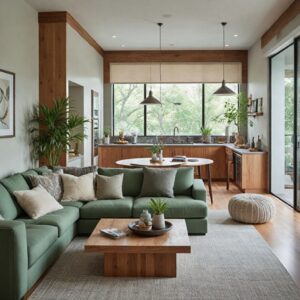
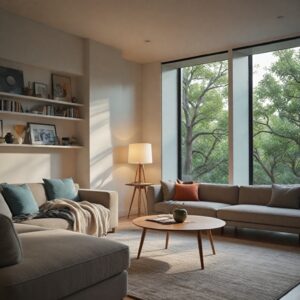
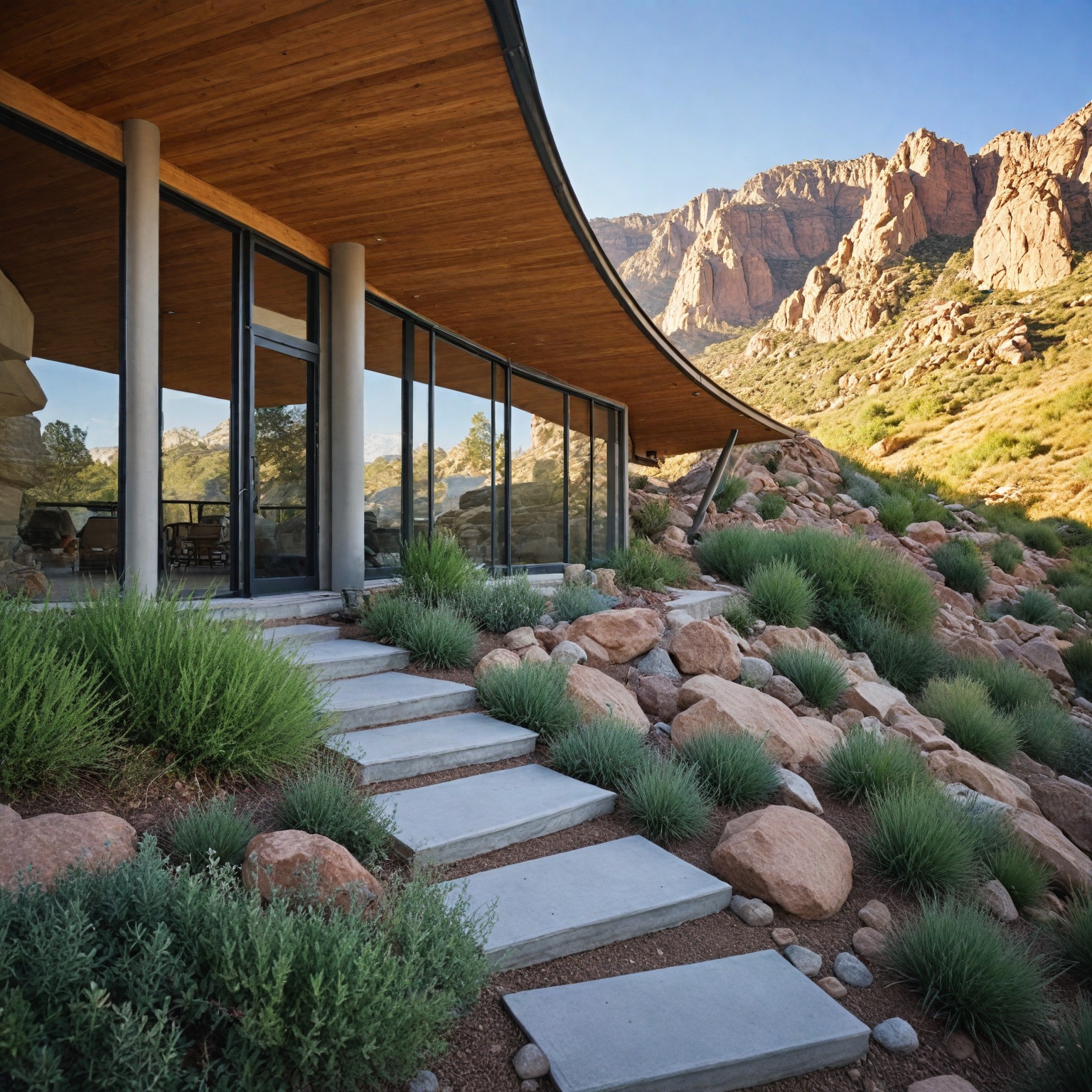
Contemporary architectural design in Utah’s mountain regions is defined by a harmonious blend of modern aesthetics and a deep respect for the natural landscape. Architects draw inspiration from the sweeping pastoral farmlands and rugged terrain of the Wasatch Mountains, integrating clean lines and sleek finishes with materials that evoke the region’s rustic heritage. This approach results in homes and buildings that not only complement their environment but also emphasize natural light and spectacular views through the use of large windows and open interior spaces.
A distinctive feature of contemporary mountain design is the fusion of natural and constructed environments. Designers often incorporate locally sourced materials such as wood, steel, and stone, maintaining a connection to the natural resources unique to Utah while employing modern craftsmanship techniques. Projects like Hotel Park City and the Lodges at Deer Valley exemplify this style through exposed timber beams, rough stone accents, and minimalistic yet warm interiors that reflect a rustic modern aesthetic. Similarly, the Stein Eriksen Lodge showcases a balance of elegant imported stone and native materials alongside large glass panels to maximize mountain views and natural lighting.
Contemporary mountain homes diverge from traditional rustic cabins by embracing a cosmopolitan sensibility—favoring clean, asymmetrical designs and organic shapes that blend with their surroundings without resorting to overtly rustic motifs like distressed wood or log exteriors. This nuanced approach provides a sophisticated alternative for those seeking modern living spaces that still evoke a strong connection to nature.
Sustainability is a cornerstone of contemporary design in the region. Architects and builders prioritize the use of eco-friendly materials such as reclaimed wood, recycled elements, and energy-efficient windows and insulation to minimize environmental impact. Emerging trends include the adoption of mass timber construction, which offers both ecological benefits and cost efficiencies compared to traditional steel and concrete methods. Such innovations align with broader efforts to create buildings that meet rigorous standards like the Living Building Challenge, promoting a future-focused approach to environmentally conscious design.
Notable Projects and Examples
Utah’s architectural landscape showcases a variety of innovative projects that blend contemporary design with the state’s distinctive mountainous and desert environments. Among these, Sparano + Mooney Architecture stands out for their heritage modern homes, which are thoughtfully integrated into iconic landscapes such as Park City, Deer Valley, and Powder Mountain Eden. Their designs emphasize sustainable, contemporary aesthetics that harmonize with natural surroundings, often employing materials and spatial arrangements that bring the outdoors inside, capitalizing on spectacular views and natural light.
Another remarkable example is the modern luxury hillside home designed by Tomecek Studio Architecture on a previously deemed “unbuildable” 30-degree slope. This project cleverly splits the residence into two pods—a detached garage and office above a drainage easement, and the main house positioned to maximize panoramic mountain vistas. This innovative approach exemplifies how challenging site conditions can inspire creative architectural solutions that enhance the relationship between structure and landscape.
In New Harmony, Utah, Tomecek Studio Architecture also designed a luxury desert residence near Zion National Park. This award-winning project takes full advantage of its dramatic setting by featuring expansive windows that frame 360-degree views of surrounding mountain ranges such as Mt. Baldy and the Harmony Mountains, further reinforcing the integration of natural scenery with residential design.
Sparano + Mooney Architecture’s portfolio also includes resort and hospitality projects that draw from the surrounding environment to create immersive guest experiences. Their work spans lush suites and exterior designs that reflect the landscape’s character, often executed in close collaboration with hospitality brands to exceed client expectations. For instance, the Mountain Lodge by Nomadic Resorts near Zion National Park epitomizes the fusion of luxury resort design with eco-friendly principles. Covering over 1,100 acres, the lodge offers 40 suites and homesteads, promoting sustainable tourism through architecture that preserves and celebrates the natural setting.
Additionally, adaptive reuse and institutional projects in Utah also illustrate contemporary design principles in action. The University of Utah’s School of Dentistry facility in Research Park demonstrates environmental stewardship through its LEED Silver certification and features a grand atrium that provides stunning views of the surrounding mountains and valleys, contributing to a functional yet aesthetically pleasing academic environment.
Residential interiors in Utah also reflect a commitment to blending comfort with design inspiration. For example, the interiors of tech company Ancestry’s new office incorporate lounge areas and art installations inspired by genealogy, while Magnolia Custom Homes emphasize high-quality finishes and expansive windows that highlight mountain and valley views, creating warm and inviting atmospheres.
Collectively, these projects exemplify how contemporary architecture in Utah thoughtfully embraces the state’s diverse topography and natural beauty, creating spaces that are both innovative and deeply connected to their environment.
Influential Architects, Firms, and Design Movements
Contemporary architecture in Utah’s scenic mountain regions has been significantly shaped by firms and architects who prioritize sustainable design, community engagement, and innovative responses to complex natural sites. These practitioners integrate the landscape’s unique features into their work, creating spaces that resonate with both environmental consciousness and modern aesthetics.
Sparano + Mooney Architecture
Sparano + Mooney Architecture is a leading firm with offices in Salt Lake City, Utah, and Los Angeles, California, recognized for its expertise in sustainable and contemporary mountain architecture. With more than 25 years of practice, the firm is known for developing architecture that serves generations, especially on complex sites throughout the western mountain region. Their work ranges from landmark cultural institutions to legacy residential homes, emphasizing a collaborative design process that actively involves diverse stakeholders.
The firm’s heritage modern homes are situated in iconic North American landscapes such as Park City, Deer Valley, Sun Valley, Powder Mountain Eden, Malibu, Star Valley, and Emigration Canyon. Their designs focus on understated elegance, timeless contemporary forms, and sustainable materials inspired by nature. Sparano + Mooney has been named one of the Top 10 Architects in the World working in mountain settings by Dwell magazine, underscoring their commitment to balancing cutting-edge technology with ecological responsibility. Through their work, they create compelling spaces that connect people deeply with their communities and surrounding landscapes.
FFKR Architects
FFKR Architects is another prominent full-service architecture firm with a strong presence in Utah, as well as offices in Tempe, Arizona, and Boise, Idaho. Known as Utah’s top-ranked architecture and interior design firm, FFKR offers services that extend beyond architecture to include interior design, landscape architecture, planning, and environmental graphic design. They utilize advanced visualization techniques, including hand sketches, 3D modeling, and immersive virtual reality, empowering clients to make informed design decisions.
FFKR has earned a reputation for design excellence, environmental leadership, and budgetary responsibility. The firm has received accolades such as the Western Mountain Region AIA and AIA Utah Firm of the Year awards, reinforcing its influence on the region’s architectural landscape.
Design Movements and Regional Impact
The architectural design movements influencing Utah’s mountain region emphasize sustainability, climate responsiveness, and a deep connection between built environments and natural landscapes. These movements reflect broader socio-political concerns, particularly around climate change, positioning architecture as a vital contributor to environmental solutions.
Modern residential and resort properties by local firms often blend luxury with sustainability, exemplified by exclusive desert and mountain homes that have garnered attention in publications like Luxury Houses, Utah Style & Design, and Western Art & Architecture. This trend highlights a shift towards design practices that honor both the ecological significance of the region and the aesthetic values of contemporary architecture.
Architects such as Kipp Edick and Joe Sadoski, as well as firms like Olson Kundig, have also contributed innovative designs that engage with Utah’s mountainous terrain. For instance, Olson Kundig’s project connecting three pavilions with glass walkways creates a harmonious interaction between indoor spaces and the surrounding mountains. Such designs underscore the ongoing dialogue between architecture and nature in the region.
Collectively, these architects and firms exemplify how contemporary design in Utah’s mountain landscapes is evolving to prioritize sustainability, community connection, and refined aesthetics, shaping a distinctive regional architectural identity.
Environmental and Conservation Strategies
The integration of environmental and conservation strategies plays a crucial role in contemporary design within Utah’s scenic mountain regions. The Environmental Section of the Utah Department of Transportation (UDOT) exemplifies this approach by providing specialized expertise in archaeology, landscape architecture, wetlands, water quality, noise, wildlife, historic architecture, and threatened and endangered species, ensuring comprehensive environmental stewardship during transportation project development. Under the authority of 23 U.S.C. 327, UDOT has assumed NEPA responsibilities through a Memorandum of Understanding with the Federal Highway Administration (FHWA), enabling the state to independently manage environmental assessments, impact statements, and related decision documents.
One notable example of environmental consideration is the Environmental Assessment (EA) prepared to evaluate the extension of Trappers Loop Road to a new interchange on I-84 in Mountain Green, Utah. This EA was developed in compliance with the National Environmental Policy Act (NEPA) to assess potential impacts and promote informed project planning that respects natural and cultural resources.
Beyond transportation projects, contemporary architectural design in Utah increasingly incorporates sustainable materials and practices aimed at reducing carbon emissions and mitigating climate change impacts. Architects and designers working in geographically sensitive areas prioritize accessibility to green building techniques and environmentally conscious solutions that reflect heightened awareness of environmental concerns. Firms such as Think Architecture emphasize the implementation of sustainable architecture to foster cleaner, healthier communities throughout Utah.
The practice of sustainable design is further advanced by firms like Sparano Mooney, whose work balances cutting-edge technology with timeless natural inspirations to create refined architectural solutions. Their portfolio spans multiple states across the American West, featuring projects from off-grid micro-homes to adaptive reuse of historic structures and master planning initiatives. These designs prioritize environmental restoration, community connection, and longevity, serving both current and future generations. This holistic approach aligns with the broader principles of landscape architecture and community planning, which address aesthetic quality alongside environmental restoration, preservation, and community safety, leaving lasting impacts on the region’s quality of life.
Cultural Considerations and Community Engagement
Architectural and planning projects in Utah’s scenic mountain regions emphasize a deep connection to both cultural heritage and community involvement. Designers and architects strive to create spaces that not only respect and reflect the unique natural and cultural resources of the area but also serve the communities for generations to come. This approach is rooted in an understanding that landscape architecture and community planning address not only aesthetic values but also community safety, quality of life, and environmental preservation, ensuring a lasting positive impact.
In practice, this means that contemporary design efforts carefully consider the historical and cultural contexts of each site. For example, competitions and design initiatives encourage participants to leverage the distinctive natural conditions and cultural assets of places like Wuyi Mountain, aiming to highlight the intrinsic ecological and human qualities unique to each node within the national park’s scenic byway. This culturally informed design philosophy fosters the creation of compelling, place-specific concepts that attract visitors while honoring local heritage.
Community engagement is also a cornerstone of the design process. Leading architectural firms working in the American West, including Utah, collaborate closely with clients and local stakeholders through a carefully honed, collaborative process developed over more
Recognition and Awards
Architecture firms operating within Utah’s scenic mountain regions have garnered significant recognition for their contributions to contemporary design and sustainable building practices. Sparano + Mooney Architecture, for example, has been celebrated extensively for design excellence, receiving over 50 design and honor awards. The firm was named the American Institute of Architects (AIA) Western Mountain Region Architectural Firm of the Year in 2017 and the AIA Utah Architectural Firm of the Year in 2013. Their work has also been featured in prominent publications such as Builder Magazine, Dwell, Utah Style & Design, Luxury Houses, and Western Art & Architecture, highlighting projects like the award-winning White Pine Canyon VI residence, noted for its mountain contemporary style and harmony with the natural ridge landscape.
Individual architects have also been recognized for their leadership and design innovation in the region. One notable architect was named among the Top Women in Architecture by Mountain Living magazine in 2020, awarded the Silver Medal by the AIA Western Mountain Region in 2021, and elevated to fellowship status in the AIA in 2023. Alongside her professional achievements, she contributes to architectural education as a Professor of Architecture at the University of Utah.
Additionally, newer firms like Think Architecture, Inc. have achieved local acclaim, being named Salt Lake City’s Best Architectural Design Firm in the Best of SLC 2024 Awards, reflecting their comprehensive service offerings across the Intermountain West.
Efforts to promote sustainable and community-focused design are supported through initiatives such as the Sustainable Tourism Grant, which offers up to $30,000 in funding to support eligible projects including skills-based training and voluntourism programs, thereby encouraging architectural projects that balance development with environmental stewardship.
Challenges and Criticisms
Contemporary design initiatives amidst Utah’s scenic mountains face several challenges and criticisms, primarily centered around balancing environmental preservation with development and tourism growth. One significant concern is the need to integrate sustainable materials and practices in architectural design that are accessible and effective in mitigating the impact of rising carbon emissions and climate change. As the urgency around environmental concerns intensifies, architects and designers must address how their work reflects increased ecological awareness while responding to the unique natural and cultural contexts of the region.
Another challenge lies in managing the environmental impact of infrastructure projects aimed at improving accessibility and mobility, such as the extension of Trappers Loop Road to a new interchange on I-84. These projects require thorough environmental assessments in compliance with federal regulations, such as the National Environmental Policy Act (NEPA), to ensure minimal disruption to the natural landscape and community well-being. Coordination between agencies like the Utah Department of Transportation (UDOT) and the Federal Highway Administration (FHWA) has been essential to maintain independent environmental decision-making and uphold sustainability standards.
Critics also highlight the tension between promoting tourism and preserving the environmental integrity of scenic mountain areas. Design competitions and development plans often emphasize attracting mass tourists by leveraging natural and cultural resources; however, this can lead to overuse and degradation of sensitive ecosystems if not carefully managed. Sustainable tourism plans in regions such as Park City and Summit County aim to address these concerns by weighing community and environmental benefits equally alongside economic growth, yet the effectiveness of such plans is an ongoing subject of scrutiny.
Furthermore, while some projects exemplify leadership in sustainable luxury accommodations, incorporating innovative features like aquaponic greenhouses, questions remain about the broader replicability and accessibility of such approaches across different scales and communities. The ambition to set a precedent for sustainable construction in the Mountain West faces practical obstacles related to cost, technology adoption, and community engagement.
In sum, the challenges and criticisms of contemporary design in Utah’s scenic mountains revolve around the complex interplay between environmental stewardship, infrastructural development, tourism pressures, and the pursuit of innovative yet inclusive sustainability practices. Addressing these issues requires ongoing dialogue and adaptive strategies among designers, policymakers, and local stakeholders.
Future Trends and Developments
Emerging trends in Utah’s architectural landscape emphasize sustainable design and innovative construction methods, reflecting growing environmental consciousness and regional market responses. Firms are exploring mass timber manufacturing as a potential avenue, contingent on the pace of developer interest in Utah and the Intermountain West. Early successes in industrial and multi-family projects are viewed as critical to demonstrating economic viability and encouraging broader adoption of sustainable building practices, even in less glamorous applications where cost-effectiveness must be proven alongside environmental benefits.
Sustainable construction in Utah increasingly aligns with rigorous standards such as the Living Building Challenge. Projects adopting this framework focus on deconstructing existing structures to salvage, reuse, and recycle materials, thereby minimizing waste and promoting resource efficiency. Such initiatives illustrate practical steps toward realizing “living buildings” that contribute positively to environmental health and embody principles of circular economy within the built environment.
Architectural practices in the region are also integrating locally sourced and reclaimed materials alongside energy-efficient components like advanced windows and insulation, particularly in residential developments. These choices support the creation of eco-friendly homes tailored to Utah County’s unique environmental context. Moreover, architects and designers with extensive experience throughout the western mountain region employ a collaborative, site-sensitive approach to crafting sustainable contemporary architecture. Their portfolio spans a wide range of scales—from off-grid micro projects to institutional and cultural buildings—underscoring a commitment to legacy and environmental stewardship across diverse contexts.
In parallel, transportation infrastructure projects in Utah are undergoing environmental assessments guided by federal regulations such as the National Environmental Policy Act (NEPA). These assessments ensure that expansions, such as the proposed extension of Trappers Loop Road to connect with Interstate 84, incorporate environmental stewardship from planning through execution, supporting sustainable regional development.
The content is provided by Sierra Knightley, Home Upgrade News