Summary
Transform Your Brick House: 4 Innovative Ideas for a Modern Upgrade explores creative strategies to refresh traditional brick homes by blending classic architectural charm with contemporary design elements. Brick houses, known for their durability and timeless appeal, can be transformed into modern living spaces through thoughtful interventions that respect their structural integrity while enhancing aesthetics, functionality, and sustainability. This topic is notable as brick remains a prevalent building material worldwide, yet many homeowners and architects face challenges in updating such homes to meet current style and performance expectations.
The article highlights four key approaches to modernizing brick houses: bold material combinations, architectural enhancements, interior remodeling, and sustainable building techniques. For example, using striking color palettes like black brick paired with large windows or incorporating materials such as zinc cladding and wood paneling can create dramatic yet harmonious exteriors. Exterior renovations may include upgrading doors, roofing styles, and lighting fixtures to complement brickwork without compromising its character. Inside, open floor plans, minimalist décor, and increased natural light improve spatial flow and livability within the traditional brick shell.
Sustainability is an increasingly important aspect of brick home upgrades. Incorporating energy-efficient insulation, timber framing, and modern heating systems reduces environmental impact while maintaining heritage features. Technological advancements in brick manufacturing and reinforcing materials also enhance durability and weather resistance, allowing brick structures to perform better in diverse climates. These innovations ensure that modernized brick homes are not only visually appealing but also environmentally responsible and comfortable.
The integration of modern materials and techniques with traditional brickwork presents challenges such as moisture management, aesthetic cohesion, and cost considerations. Controversies arise around treatments like painting bricks, which can trap moisture and cause deterioration, prompting recommendations for alternative finishes like whitewashing or mortar washes. Balancing preservation with innovation requires careful planning to respect the craftsmanship and structural constraints of brick homes while achieving a contemporary upgrade that meets homeowners’ needs and sustainability goals.
Innovative Upgrade Ideas for Brick Houses
Modernizing a brick house offers numerous opportunities to blend traditional charm with contemporary design elements, creating a fresh and inviting aesthetic. Here are several innovative upgrade ideas that can transform the look and functionality of brick homes while respecting their inherent character.
Bold Color Palettes and Material Combinations
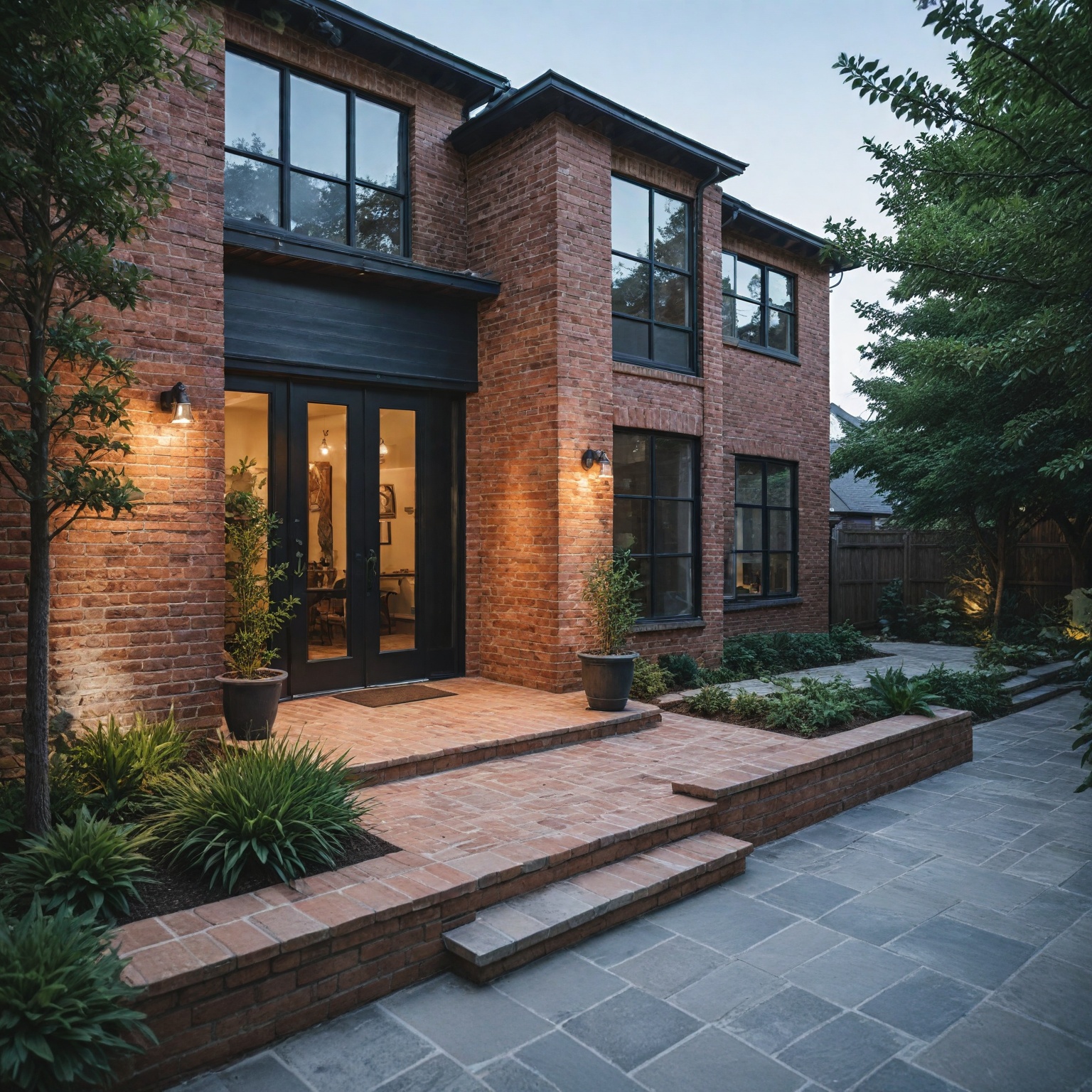
One daring approach to modern brick homes is the use of a predominantly black color palette, which is uncommon but striking when paired with large windows. This creates a bold and dramatic visual impact that refreshes the traditional brick exterior. Additionally, blending materials such as wood paneling or metal siding with brick provides a compelling contrast that juxtaposes old and new, making the home stand out as a trendsetter within the neighborhood. Zinc cladding is another modern façade material gaining popularity due to its evolving patina and durability, which can complement brickwork and add a sophisticated metallic element to the exterior.
Exterior Renovations and Architectural Enhancements
Upgrading the exterior of a brick house can involve simple yet effective changes such as replacing the front door with a contemporary design to set a welcoming and modern tone. Adding features like an arched portico, pergola-topped porch, or brick-paved walkways can enrich the architectural interest and improve curb appeal. Roof modifications, such as swapping traditional hip roofs for flat or pitched alternatives, dramatically alter the house’s silhouette to a more modern profile. Enhancements to fascia, gutters, garage doors, and lighting fixtures can further complement the brickwork without requiring repainting, providing a fresh appearance while preserving the original masonry.
Interior Remodeling and Space Optimization
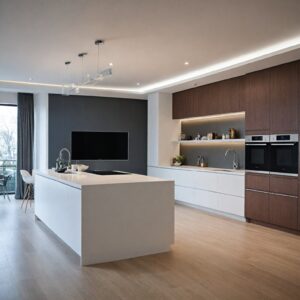
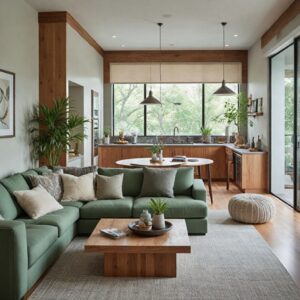
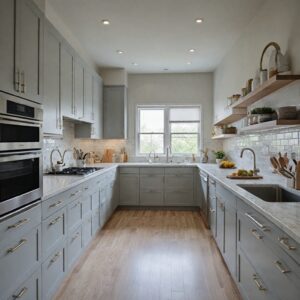
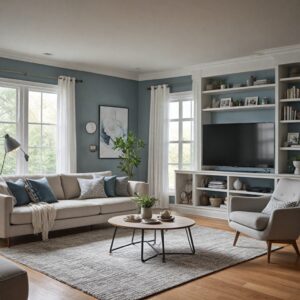
Modernizing the interior of a brick home often involves opening floor plans and embracing minimalist décor to enhance the living experience within the traditional brick shell. For smaller homes, creative renovations such as replacing closed cabinets with open shelving or using strategically placed mirrors can maximize space and light, making rooms appear larger and more inviting. Increasing natural light is especially important in older brick homes with small or poorly placed windows, as brighter interiors significantly enhance livability and market appeal.
Sustainable Building Techniques and Materials
Incorporating sustainable construction methods into brick home renovations is gaining importance. Techniques like timber framing, enhanced with engineered wood products, provide structurally sound and visually pleasing elements while reducing the building’s carbon footprint due to wood’s renewable nature. Modern insulation systems such as insulated concrete forms (ICF) improve energy efficiency and contribute to greener living. These eco-friendly practices not only align with contemporary environmental concerns but also ensure that upgraded brick homes are future-proofed for energy conservation.
Aesthetic and Color Considerations
Choosing the right brick colors and complementary materials is essential to achieving a modern yet timeless look. While red brick remains iconic, naturally occurring colors such as buff, yellow, brown, or gray can be selected to harmonize with regional styles or personal taste. Classic combinations like red brick with sandstone evoke elegance, whereas pairing black brick with light stone offers a sleek, contemporary edge. Rendering, bagging, or painting bricks can dramatically alter the home’s appearance, allowing owners to move away from dated looks and achieve a cohesive modern aesthetic that suits their lifestyle.
By integrating these innovative ideas—ranging from bold material choices and architectural enhancements to sustainable building techniques and thoughtful color palettes—brick homeowners can create modernized, visually appealing homes that honor tradition while embracing the future.
Common Phases of Modern Brick House Renovation
Renovating a brick house to achieve a modern aesthetic typically involves several key phases that transform both the structure and its visual appeal. One of the initial steps often includes surface treatments such as rendering, bagging, or painting the brickwork. These techniques can dramatically alter the look of a traditional brick home, allowing older styles—like the typical 1950s cream brick facade—to recede into the background and make way for a contemporary appearance.
Following surface treatment, homeowners frequently focus on enhancing or upgrading architectural features that complement the brickwork. This phase may involve updating elements such as fascia, gutters, porch railings, garage and front doors, windows, and exterior lighting. These improvements not only modernize the home’s look but also add functional value without the need to alter the brick directly. For example, applying a German smear, a mortar wash technique similar to whitewashing, can introduce an old-world character while masking imperfections, adding subtle texture and depth to the brick façade.
In addition to these aesthetic updates, some renovations include integrating minor design details that accentuate the brick exterior. Incorporating accents like mid-century modern-style house numbers or other small architectural touches can enhance the overall curb appeal and tie the old and new elements together cohesively.
Finally, for projects involving deeper structural or energy efficiency upgrades, such as those in recently built massive brick houses, technical feasibility and financial considerations become paramount. While energy performance improvements are desirable, extensive renovations can be costly and challenging due to the permanent nature of brick construction, requiring careful planning to balance architectural integrity and budget constraints.
Materials Recommended for Exterior Upgrades
When upgrading the exterior of a brick home, selecting appropriate materials is essential to enhance both aesthetics and functionality while preserving the original charm. Several innovative and traditional materials offer effective solutions for modernizing brick exteriors.
Zinc cladding is increasingly popular among architects and developers due to its appealing aesthetic qualities and durability. Initially presenting a shiny, metallic silver surface, zinc naturally weathers over time to develop muted grey, blue, and brown tones, adding character to a building’s façade. Alternatively, pre-patinated zinc products, such as VMZinc, allow homeowners to bypass the natural weathering process and achieve a consistent finish immediately. Zinc is highly suitable for both refurbishments and new builds, especially when combined with modern rainscreen cladding systems that improve performance and visual appeal.
Complementing brick with other natural materials, such as bluestone, creates a seamless and elegant exterior design. The cool tones shared by whitewashed brick and bluestone walls result in a fresh yet classic appearance, where the textured bluestone adds depth while the light brick imparts an airy feel.
For those seeking to retain or enhance traditional brick aesthetics without painting, upgrades to fascia, gutters, porch railings, garage and front doors, windows, and lighting can transform a home’s exterior effectively. These enhancements can emphasize modern updates and complement the original brickwork, often without the need for extensive repainting or reconstruction.
Additionally, insulation upgrades can play a vital role in exterior renovations, especially for heritage homes that often lack adequate thermal protection. Blowing insulation into the cavity of wood frame walls is a practical method that preserves both interior and exterior finishes while significantly improving energy efficiency.
Incorporating brick mosaics or accents in strategic locations, such as alcoves or fireplace surrounds, can add visual interest and highlight architectural features. Such creative uses of brick maintain the material’s natural warmth and character while introducing focal points that modernize the home’s look.
Challenges in Integrating Modern Materials with Brickwork
Integrating modern materials with traditional brickwork presents several challenges that designers and builders must carefully navigate. One significant issue arises from the physical and environmental interactions between brick and newer materials. For instance, research highlights that reinforced materials used to strengthen brick and stone elements can enhance compressive and tensile strength, as well as dynamic modulus. However, these reinforcements may not effectively improve moisture resistance at critical junctions such as wall ends and connection points with other structural components, indicating the need for additional measures to protect against moisture penetration.
Moisture management is a particular concern when combining brick with materials like paint or cladding. Because bricks are porous and absorb ground moisture, applying paint in high-humidity environments can trap moisture within the brick, potentially leading to deterioration. Instead, alternative surface treatments such as whitewashing—which dilutes paint with water—are recommended to alleviate the aesthetic issues of dark brickwork without compromising breathability. Additionally, when integrating metal cladding materials such as zinc, designers must consider the weathering process. Zinc cladding begins with a shiny metallic finish but naturally develops muted grey, blue, and brown patinas over time, which can affect the overall appearance of the brick façade unless pre-patinated products are specified.
Aesthetic integration also poses challenges. While brick and stone combinations can create exceptional designs if properly executed, the pairing requires thoughtful balancing of color, texture, and style to avoid visual conflict. Moreover, modern upgrades often aim to soften the sometimes harsh or boxy appearance of older brick homes, but the choice of materials and finishes must respect the original craftsmanship and structural integrity of the brickwork. Minor repairs, such as filling chips or cracks with concrete caulking, can help maintain the brick’s condition before more extensive modifications are undertaken.
Cost and sustainability considerations further complicate material choices. For example, elZinc roofing and cladding offers a bronze tone that complements brick hues, along with durability, corrosion resistance, and recyclability, making it an attractive yet cost-effective solution for modernizing brick buildings. However, ensuring that such materials align with the project’s budget, environmental goals, and architectural intent requires careful planning and collaboration among designers, contractors, and suppliers.
Architectural Features to Blend Modern and Traditional Styles
Blending modern architectural elements with traditional brick homes offers a unique opportunity to honor the timeless appeal of brick while introducing contemporary design innovations. One effective approach is incorporating bold yet harmonious materials that complement the natural brick tones. For instance, combining traditional red bricks with modern materials such as metal, glass, or wood can create a rich and inviting exterior palette that balances heritage with modernity.
Modern brick houses often emphasize minimalist designs characterized by clean lines, geometric shapes, and a seamless indoor-outdoor connection. Architects use these elements to update the look of traditional brick homes without compromising their original charm. Examples include adding sleek zinc cladding or rain screen systems alongside brickwork, which unify the composition and add depth to the façade.
Updating the front entrance can serve as a subtle yet impactful way to modernize a traditional brick home. Contemporary front doors made from bold materials and featuring minimalist designs set the tone for the entire house and create an inviting entry point. This strategy respects the traditional brickwork while enhancing curb appeal and introducing a fresh aesthetic.
In terms of structure, modern extensions or side additions can provide functional space while maintaining stylistic harmony. These additions often follow the home’s architectural language but incorporate modern materials and finishes, thereby bridging old and new seamlessly.
Additionally, technological advancements in brick manufacturing have resulted in denser, stronger bricks that offer improved durability and environmental resistance. These innovations allow architects to use brick in more versatile ways, merging traditional aesthetics with modern construction techniques to create buildings that stand the test of time both visually and structurally.
Innovative Design Interventions Without Compromising Character
Modernising a brick home while preserving its inherent character can be achieved through thoughtful design interventions that enhance aesthetics and functionality without the need for extensive alterations like rendering. One effective approach involves selective cladding techniques, such as boxing out and cladding around features like garage doors. This method adds a contemporary touch and visual interest while retaining the original brickwork, providing a balance between modernity and tradition.
Another strategy focuses on upgrading complementary exterior elements to refresh the home’s overall appearance. Enhancements to fascia, gutters, porch railings, garage and front doors, windows, and lighting can significantly transform the façade without painting or covering the brick. These improvements emphasize modern design sensibilities while allowing the brick’s timeless appeal to remain a focal point. Such interventions often require professional assistance but can yield substantial aesthetic benefits that respect the building’s original style.
Beyond purely visual updates, integrating energy-efficient upgrades tailored for heritage or older brick homes supports sustainability without compromising character. Upgrading domestic heating and hot water systems to energy-efficient models and improving insulation—such as cavity wall insulation using non-invasive methods—can enhance thermal performance while maintaining interior and exterior finishes intact. Draftproofing also effectively reduces energy loss, all contributing to a more comfortable and eco-friendly home.
These innovative design interventions showcase how brick homes can embrace modernity through subtle yet impactful modifications that honour the material’s enduring qualities. Brick remains a versatile and celebrated architectural element, capable of being reinterpreted with fresh, creative applications that respect its historic and aesthetic significance.
Interior Modernization Strategies
Modernizing the interior of a brick house involves creating open, airy spaces that enhance both functionality and aesthetics while respecting the home’s traditional character. One common approach is adopting open floor plans, which remove unnecessary walls to encourage fluid movement and better natural light distribution. This design shift fosters a more social and flexible living environment suited to contemporary lifestyles.
Minimalist decor is another key strategy in interior modernization. Emphasizing clean lines, simple forms, and a restrained color palette helps to balance the textured and often rustic nature of brick walls. This approach allows the brick to serve as a distinctive backdrop without overwhelming the space, supporting a harmonious blend of old and new design elements.
Incorporating smart home features further elevates the living experience by adding convenience, efficiency, and modern technology integration. Automated lighting, climate control, and security systems can be seamlessly integrated into the interior design, enhancing comfort while maintaining the aesthetic integrity of the traditional brick structure.
Innovative Brickwork Techniques and Patterns
Brick, an ancient building material dating back to approximately 7,000 BC, continues to inspire contemporary architects and designers with its versatility and enduring aesthetic appeal. Modern advancements in fabrication processes have enabled the development of innovative brick-building techniques that blend traditional craftsmanship with cutting-edge design. These innovations allow architects to honor vernacular styles while embracing new forms and textures, transforming brick into a dynamic component of modern architecture.
One notable example is the use of unconventional construction methods such as creating spiral shell structures using red bricks, demonstrating both the material’s structural potential and artistic flexibility. Additionally, contemporary architects are experimenting with varied textures and finishes—wire-cut bricks with their rough, uniform surfaces contrast with the smoother, more irregular historic box-formed bricks, providing distinct aesthetic options and helping to identify original versus modern brickwork.
Among popular decorative techniques is the “German smear,” a mortar wash method that softens the harshness of exposed brick by applying a light, bright layer of mortar over the surface while leaving portions of the brick visible. This treatment adds an old-world character to brick façades, disguising
Structural Challenges in Innovative Brickwork Upgrades
Innovative approaches to brickwork in modern upgrades often encounter several structural challenges inherent to the material and its traditional construction methods. One primary issue is the time-consuming nature of brick installation. Compared to other building materials, laying brick requires significantly more labor and precision, leading to higher labor costs and extended project timelines. This complexity is further compounded by the weight and rigidity of brick structures, which can make repairs and modifications more difficult and costly once the building is constructed.
Another notable challenge involves the variability in brick dimensions and textures, particularly when working with historic or reclaimed bricks. Historically, bricks were box-formed, resulting in smoother but inconsistent shapes, whereas modern bricks are typically wire-cut, providing a rougher yet more uniform texture. This discrepancy complicates the integration of new brickwork with existing structures, especially when aiming to preserve the architectural integrity of older buildings. Color matching between mortar and bricks also poses a difficulty, particularly for repointing projects, as vintage bricks often have hard-to-match hues, which can affect the visual cohesion of renovations.
Environmental considerations also impact the use of brick in innovative upgrades. The firing process necessary for producing bricks traditionally relies on fossil fuels, contributing to the material’s carbon footprint and raising sustainability concerns. However, contemporary design practices are increasingly focusing on integrating traditional brick materials with modern engineering solutions to enhance energy efficiency and meet current sustainability standards. Projects like the Canvas House exemplify this by combining vernacular brick materials with advanced fabrication techniques to create visually striking and environmentally conscious buildings.
Despite these challenges, advancements in sophisticated fabrication and modern methods of construction (MMC) are driving innovation in brick architecture, enabling builders to work smarter, faster, and more sustainably. Addressing structural complexities while leveraging the unique aesthetic and durable qualities of brick continues to inspire architects and renovators to push the boundaries of what brick can achieve in modern upgrades.
Modern Materials and Technologies Enhancing Durability
Advancements in materials and construction technologies have significantly improved the durability and performance of brick houses, allowing homeowners to modernize while preserving structural integrity. Studies show that certain reinforcing materials can effectively enhance compressive strength, tensile strength, and the relative dynamic modulus of brick and stone structures. These materials also demonstrate good compatibility and maintain durability even in environments with higher salinity and humidity, making them ideal for long-term reinforcement.
One notable example is the use of specialized zinc products like elZinc Rainbow Brown, which offers a warm, bronze-colored tone that complements traditional brick hues while providing a highly durable protective coating against corrosion. This zinc material is not only aesthetically appealing but also cost-effective, sustainable, and fully recyclable, making it a smart choice for modern upgrades in roofing and cladding applications. The integration of such materials is often facilitated through collaborative design and construction management approaches, ensuring both visual harmony and functional longevity.
Technological innovations in brick manufacturing have also contributed to stronger and more environmentally resistant bricks. Modern manufacturing processes yield denser and tougher bricks that better withstand environmental damage, significantly extending the lifespan of brickwork. Additionally, combining traditional brick with new design elements, such as strategic cladding and window placement, results in structures that are both robust and visually contemporary, supporting sustainability goals and energy efficiency.
Furthermore, retrofit measures such as using concrete caulking to repair minor brick damage can delay more extensive renovations while maintaining the building’s appearance and durability. Such simple repairs, combined with power washing and attentive maintenance, help preserve brickwork and avoid costly overhauls in the short term. Upgrading insulation and heating systems in brick homes further enhances energy efficiency without compromising the building’s heritage elements, contributing to overall durability and comfort.
The content is provided by Blake Sterling, Home Upgrade News