
Summary
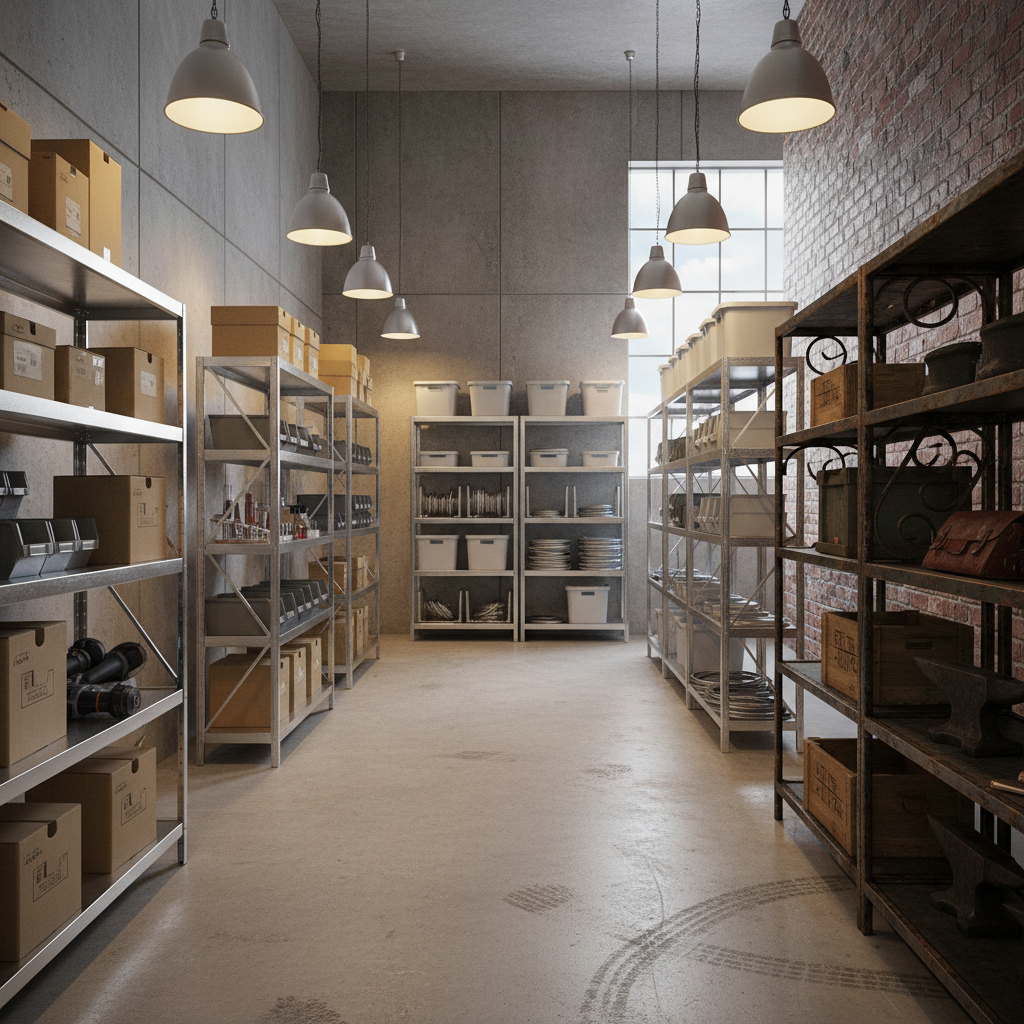
Metal storage shelves are widely used organizational solutions designed to provide durable, versatile, and space-efficient storage for garages, homes, workshops, and industrial environments. Constructed from various metals such as steel, stainless steel, aluminum, and wrought iron, these shelving units are valued for their strength, longevity, and resistance to corrosion, making them suitable for supporting a broad range of items—from light household goods to heavy equipment. Their adaptability in size, weight capacity, and design features allows users to optimize vertical and horizontal space while maintaining easy access and organization.
The choice of metal and finish plays a crucial role in shelf performance, with steel offering affordability and heavy load support, stainless steel providing superior corrosion resistance, aluminum prized for its light weight and recyclability, and wrought iron combining durability with aesthetic appeal. Metal shelves are available in multiple configurations, including freestanding, wall-mounted, wire shelving, and industrial-grade units, each catering to different storage needs and spatial constraints. Features such as adjustable shelving heights, boltless assembly, and modular designs enhance usability and ease of installation for a variety of users.
Despite their advantages, metal storage shelves present challenges related to material sourcing, manufacturing efficiency, assembly complexity, and ensuring safety under heavy loads. Innovations in bolt-free designs and corrosion-resistant materials have addressed many of these issues, but consumers must still carefully consider factors like weight capacity, shelf dimensions, and environmental conditions to avoid structural failures and premature wear. Proper maintenance, regular inspection, and adherence to manufacturer guidelines are essential for maximizing shelf longevity and safety.
Notable brands such as Rev-A-Shelf®, Seville Classics, and REIBII exemplify the diversity and quality available in the metal shelving market, offering products that range from heavy-duty industrial units to stylish, multifunctional home storage solutions. With growing interest in customized and efficient storage systems, metal storage shelves continue to evolve as key components in organizing residential and commercial spaces effectively.
Common Metals Used in Storage Shelves
Metal storage shelves are typically constructed from a variety of metals, each offering distinct advantages in terms of strength, durability, corrosion resistance, and aesthetic appeal. The most common metals used include steel, stainless steel, aluminum, and wrought iron.
Steel
Steel is the most widely used metal for storage shelving due to its impressive strength, rigidity, and affordability. It is an alloy primarily composed of iron and carbon, with variations such as stainless steel including additional elements like chromium to enhance certain properties. Steel shelves can support very heavy loads, making them ideal for environments such as warehouses, garages, and retail spaces where durability is paramount. The superior tensile and compressive strength of steel ensures that shelving units maintain structural integrity under heavy weights. Additionally, steel shelves may be finished with protective coatings, such as powder coating or black finishes, to resist rust and surface damage, increasing their lifespan and ease of maintenance.
Stainless Steel
Stainless steel is a variation of steel that includes a minimum of 10.5% chromium, which forms a protective oxide layer on the surface to prevent corrosion. Other alloying elements like nickel, manganese, and molybdenum may also be added to improve corrosion resistance further. Stainless steel shelving is highly resistant to rust and chemical exposure, making it a suitable choice for environments with high humidity or where cleanliness is critical. Although the mechanical strength differences between stainless steel and regular steel can be minimal depending on composition, stainless steel excels in longevity and resistance to environmental damage.
Aluminum
Aluminum is prized for its excellent strength-to-weight ratio, corrosion resistance, and recyclability, making it an eco-friendly choice for storage shelves. While aluminum generally has lower tensile strength and rigidity compared to steel, certain aluminum alloys—such as the 6082 Al–Mg–Si–Mn alloy—offer sufficient strength, weldability, and resistance to wear and corrosion for structural shelving applications. Aluminum shelves are especially advantageous in situations where weight is a concern or where exposure to moisture and corrosive elements is expected, such as in coastal environments or humid garages.
Wrought Iron
Wrought iron combines considerable strength with decorative appeal, making it a popular choice for shelving that also serves an aesthetic purpose. While not as commonly used as steel or aluminum for heavy-duty storage, wrought iron offers durability and a classic look that suits residential and ornamental settings. Its resistance to rust and corrosion is generally good but may require protective coatings depending on the environment.
Types of Metal Storage Shelves
Metal storage shelves come in various types designed to meet diverse storage needs in garages, homes, and industrial settings. Their adaptability makes them ideal for holding heavy or oddly sized items as well as lighter goods, offering durable and space-efficient solutions for organization.
Wire Shelving
Wire shelving is another popular metal shelving type, appreciated for its durability, ventilation, and visibility. The open design allows users to quickly identify stored items, facilitating easier access and maintenance. Wire shelves can support heavier items and help reduce dust accumulation due to better air circulation. Some wire shelving units are also designed with wheels for mobility, enhancing their convenience for day-to-day garage storage needs. Additionally, wire shelving can be configured in unique shapes, such as L-shaped units, to maximize corner space effectively.
Freestanding Shelves
Freestanding metal shelves are among the most popular options due to their versatility and ease of placement. These units often feature adjustable shelves that can be repositioned in small increments, such as the WorkPro five-tier metal shelving unit, which uses a hardware-free design with tabs fitting into adjustable holes. Freestanding shelves are typically constructed from steel and can support substantial weight, making them suitable for garages, basements, or workshops. They can vary in size, with common dimensions including widths of 35 to 77 inches and heights up to 72 inches.
Wall-Mounted Shelves
Wall-mounted metal shelves offer a space-saving solution by utilizing vertical wall space, thus freeing up floor area. These shelves are commonly made from steel or aluminum and are designed to hold heavy loads securely. They are especially useful in smaller garages or workshops where floor space is limited. Wall-mounted options come in a variety of sizes and capacities and can be customized to fit the specific needs of the user, making them ideal for organized storage without cluttering the floor.
Industrial Steel Shelving
Industrial steel shelving is engineered for environments that demand heavy-duty storage combined with modular accessories like dividers, drawers, and lockable panels. These systems offer superior adaptability, allowing for easy reconfiguration to accommodate changing storage requirements or workflow processes. Commonly used in warehouses and distribution centers, industrial steel shelving is ideal for high material handling demands and provides robust, long-lasting storage solutions.
Specialty Shelving
In addition to the main types, there are specialized metal shelving units that incorporate features such as pegboards, workbenches, tool trolleys, and stainless steel components for specific applications. These options cater to users seeking multifunctional storage solutions that integrate tools and workspace alongside traditional shelving.
Design Features for Maximizing Space and Ease of Use
Metal storage shelves are designed with various features that enhance both space utilization and user convenience. One key aspect is the inclusion of adjustable shelves, allowing users to customize spacing to fit items of varying sizes and heights. This flexibility makes it easy to store everything from small tools to large containers efficiently, optimizing vertical space and reducing clutter.
Another important design feature is the ability to split shelving units into multiple sections. Certain models can be divided into two separate units, offering greater adaptability in arranging storage solutions within different areas of a garage or home. This modular approach supports evolving storage needs and improves overall organization.
The construction of these shelves typically emphasizes durability and strength, using heavy-duty materials such as steel, metal alloys, or engineered wood with metal supports. Many units boast high load capacities—some capable of supporting up to 2000 pounds—making them ideal for storing heavy tools, equipment, or bulk items without compromising stability or safety.
Ease of assembly is another critical design consideration. Many metal shelving systems employ bolt-free, slotted designs that allow for tool-free or minimal-tool installation, significantly reducing setup time and effort. This user-friendly assembly process encourages quick organization and immediate usability.
Space maximization also comes from a variety of configurations and styles, including corner shelves and multi-tiered units. Compact corner shelving units, for example, make efficient use of narrow or awkward spaces, providing ample storage in small rooms or tight garage corners without encroaching on walkways.
Wire shelving is a popular design choice for its open structure, which promotes ventilation, visibility, and low maintenance. Wire shelves prevent moisture buildup and dust accumulation, making them well-suited for environments like garages, pantries, and laundry rooms where air circulation is important. Their sturdy, rust-resistant materials also contribute to long-lasting performance.
Finally, freestanding metal shelves are often recommended to maximize load support while minimizing strain on walls. These shelves support their own weight from the ground up, reducing the risk of collapse and allowing for safe storage of heavier items. Proper planning of shelf placement, taking garage dimensions into account, ensures ample walking space and prevents overcrowding.
Together, these design features create versatile, durable, and easy-to-use metal shelving systems that help users maximize storage capacity while maintaining an organized, accessible environment.
Weight Capacities and Size Ranges
Metal storage shelves offer a wide range of weight capacities and size options to accommodate various storage needs, from light household items to heavy industrial equipment. Understanding these factors is essential for selecting the right shelving unit for your garage or home.
Industrial steel shelving, often known as clip shelving or metal shelving, is engineered to support heavy loads, with some units capable of holding up to 2000 pounds per shelf. These shelves typically feature boltless assembly and adjustable heights, allowing for customization to fit different items while maintaining high load capacity. Freestanding metal shelving units, which support themselves from the ground, generally provide the maximum weight support because they reduce strain on walls and brackets.
The weight capacity of wall-mounted metal shelves depends heavily on the size and type of brackets used, the shelf dimensions, and the quality of wall anchoring. For example, a 4-foot-long metal shelf mounted on brackets can hold up to 400 pounds, making it suitable for shoes, sports gear, or other moderate loads. However, it is crucial to consult the manufacturer’s guidelines for exact weight limits to ensure safety.
Size ranges for metal shelving units vary significantly based on the intended application. Shelves can be customized in length, width, and height to maximize storage space and accessibility. Some garage shelves feature the ability to split into two separate units with fully adjustable shelf heights, offering flexibility to fit items of varying sizes. When planning the size and placement of shelving, knowing your garage dimensions is important to avoid overcrowding and ensure proper walkways.
Materials and Finishes for Durability and Corrosion Resistance
When selecting metal storage shelves for garage or home use, the choice of materials and finishes plays a crucial role in ensuring durability and resistance to corrosion. Common metals used in shelving include stainless steel, aluminum, wrought iron, chrome wire, epoxy-coated wire, and copper, each offering distinct benefits depending on the environment and aesthetic preferences.
Stainless Steel
Stainless steel is highly regarded for its superior corrosion resistance, which primarily results from the presence of chromium in its composition. The more chromium added, the more stable the oxide layer that forms on the steel’s surface becomes, enhancing protection against corrosion. Additional elements such as nickel, manganese, and molybdenum can further improve this resistance. However, while stainless steel is highly resistant, it is not completely immune to corrosion, especially in aggressive chemical environments that can disrupt its protective oxide layer. Maintaining a clean surface free of deposits is key to maximizing corrosion resistance.
Aluminum
Aluminum surfaces naturally form a thin oxide layer when exposed to air, which acts as a protective barrier against further corrosion. In humid environments, water vapor adsorbs onto this oxide layer, creating a nanoscopic film. This film can influence corrosion processes by providing a medium for metal ions to move and potentially form corrosion pits, though the nanoscale thickness often results in unusual corrosion behavior. Aluminum’s corrosion resistance makes it an excellent choice for humid areas where moisture exposure is common.
Wrought Iron and Other Metals
Wrought iron offers decorative appeal but typically requires protective coatings to prevent rust. Epoxy-coated wire and chrome wire shelving provide additional corrosion protection by shielding the underlying metal. Copper, while less common for shelving, also provides natural corrosion resistance and a distinctive aesthetic.
Finishes and Coatings
Durable finishes such as powder coating add a protective layer that enhances shelf longevity by resisting wear and environmental damage. Powder-coated metal shelves are often equipped with adjustable leveling feet for stability and anti-tip hardware for safety, making them suitable for various environments including kitchens, garages, basements, and offices.
Choosing the right combination of metal type and finish depends on the specific storage environment and desired durability. Stainless steel and aluminum are particularly suitable for humid or corrosive conditions, while wrought iron and coated wire options offer both style and functional protection. Regular maintenance and inspection are advised to ensure continued stability and to prevent corrosion-related damage over time.
Cost Factors Influencing Price
The price of metal storage shelves for garages and homes is influenced by several key factors that vary depending on the specific requirements and conditions of the installation. One of the primary considerations is the size of the installation, which includes length, width, and height. Larger shelving systems naturally incur higher costs due to the increased material and labor needed for construction and assembly. Additionally, the configuration and layout of the shelves play a significant role, as specialized or custom designs often require more complex manufacturing processes and higher expenses.
Another important factor is the materials and finishes used in the shelving units. Standard steel shelves are generally more affordable, whereas options featuring heavy-duty reinforcements, specialty coatings, or custom finishes tend to increase the overall price. For example, wrought iron shelves combine strength with decorative appeal but usually come at a premium due to their craftsmanship and aesthetic qualities. Aluminum shelves are also notable for being eco-friendly due to their recyclability, which can influence choice and cost considerations.
Storage features incorporated into the shelving units, such as locking mechanisms, RFID tracking, fireproofing, and ventilation systems, can add to the price depending on their complexity and necessity for the user’s specific storage needs. Furthermore, the load capacity of the shelves is a critical factor; heavy-duty shelving capable of supporting weights up to 2000 lbs or more typically demands sturdier materials and engineering, which affects pricing.
The location of the installation can also influence cost, as geographic factors affect labor rates and shipping expenses. If multiple users will be moving mobile shelving systems frequently, increased safety features might be required, further impacting the price. Finally, considerations related to the available floor space, including the placement of doors and walkways, determine the shelving configuration and aisle widths, indirectly influencing overall costs due to the need for efficient use of space and accessibility.
Warranty Terms and Consumer Value
Rev-A-Shelf® provides a limited warranty on its products, which includes implied warranties such as merchantability or fitness for a particular purpose, limited in duration to the length of the warranty itself. However, some states do not permit limitations on how long these implied warranties last, so this limitation may not apply universally. The warranty is only valid for products purchased directly from Rev-A-Shelf® or authorized sellers, as the company cannot guarantee the quality of items sold by unauthorized parties unless otherwise prohibited by law.
The warranty excludes coverage for defects arising from normal wear and tear, misuse, negligence, alterations, or external causes. These external causes include acts of nature, physical damage, exposure to hazardous chemicals or reactive cleaning agents, environmental conditions, vandalism, fire, power issues such as surges or failures, and
Reputable Brands and Their Distinguishing Features
When selecting metal storage shelves for your garage or home, considering reputable brands can ensure quality, durability, and customer satisfaction. Among the top brands available, Rev-A-Shelf®, Seville Classics, and REIBII stand out due to their distinctive features and strong market presence.
Rev-A-Shelf® is known for its commitment to product quality and customer assurance. The company offers a limited warranty that covers defects in material and workmanship for a specified period from the date of original purchase, applicable only to products bought from Rev-A-Shelf® or authorized sellers. Their product lines include a variety of branded options such as Rev-A-Shelf®, Omega National Products®, and Tresco Lighting®, ensuring a range of specialized shelving and storage solutions.
Seville Classics is highly rated among customers, especially on platforms like Lowe’s, where their 4-tier heavy-duty black metal utility shelving unit is noted for its robustness and utility (dimensions: 60-in W x 24-in D x 76-in H). Seville Classics offers a wide selection of freestanding shelving units in various colors and materials—including metal, wood, and wire—that cater to diverse organizational needs in homes, offices, or businesses.
REIBII specializes in industrial-grade storage shelving units with exceptional load capacities and adjustable configurations. Their heavy-duty shelving can support weights up to 8,500 pounds and is designed for environments such as warehouses, garages, and laboratories. The REIBII 4-shelf industrial shelving unit (77.2″W x 24″D x 72″H) exemplifies their focus on durability and functionality. Additionally, they offer mid-sized units with reinforced supports capable of bearing up to 3,000 pounds, combining stability with versatile shelf adjustability.
Organizing Strategies for Metal Storage Shelves
Effective organization is key to maximizing the utility and safety of metal storage shelves in garages and homes. One of the primary strategies involves decluttering and sorting items before placing them on shelves. Grouping similar items together not only reduces congestion but also facilitates easier access when needed. Assigning specific zones for different categories of items ensures a more systematic arrangement and helps maintain order over time.
Adjustable metal shelving units offer flexibility to accommodate items of varying sizes and weights. By customizing shelf heights and configurations, users can optimize space usage while ensuring heavier or bulkier items are stored securely. This adaptability is especially valuable in garages where storage needs frequently change, allowing for efficient use of vertical and horizontal space.
Another practical approach is to leverage wall-mounted metal shelves to free up valuable floor space. This method is particularly beneficial in smaller garages or workshops, where maximizing every inch of available space is critical. Wall-mounted units provide sturdy storage without encroaching on floor area, contributing to a cleaner and more organized environment.
Regular inspection and maintenance of shelving units are essential to prevent instability or collapse. Users should routinely check for any defects or signs of wear and reorganize shelves as necessary to maintain safety and functionality. This is especially important for heavy-duty or industrial-style metal shelves that bear significant loads.
By combining these organizing strategies—decluttering, sorting, adjustable configurations, efficient space use, and regular maintenance—metal storage shelves can transform cluttered garages and homes into well-ordered and accessible storage spaces.
Common Challenges and Solutions
Manufacturing and selecting metal storage shelves for garages and homes involve several challenges that impact efficiency, durability, and user experience. One primary difficulty in production is optimizing processes to reduce cycle times while maintaining precision and quality. Traditional manufacturing methods relying heavily on standalone CNC machines often struggle to achieve these goals, making automation a key solution to enhance efficiency and minimize waste. Additionally, sourcing premium raw materials is complicated by fluctuating steel prices, varying quality standards, and disruptions in global supply chains, all of which affect the consistency and reliability of the finished product.
From a consumer perspective, assembly and adaptability pose common challenges. Many traditional shelving units require tools and hardware, which can complicate setup and deter users who are not experienced with DIY projects. To address this, innovative boltless designs with tool-free assembly have become popular, allowing for quick, hassle-free installation and reducing setup time significantly. These shelves often feature adjustable heights and configurations to accommodate diverse storage needs, enhancing versatility in different environments such as homes, workshops, and offices.
Load capacity and safety are also critical considerations, especially for heavy-duty applications. High load capacities—up to 2000 lbs per shelf—combined with safety features and the ability to split into multiple units provide practical solutions for users needing robust and flexible storage systems. Materials selection further addresses durability and environmental challenges; for instance, stainless steel and aluminum are preferred for their corrosion resistance, making them ideal for humid or outdoor environments, while weathering steel offers minimal maintenance and aesthetic appeal without requiring paint.
Finally, the size and design of storage installations directly influence cost and functionality. Larger shelving units increase the overall price, so professional measurement and planning are recommended to optimize space and budget. Integrating storage solutions not only organizes belongings efficiently but can also free up valuable floor space for other uses, such as parking a vehicle, thus maximizing the utility of garage and home areas. Together, these solutions address common challenges, making metal storage shelves practical, durable, and user-friendly options for various storage needs.
Installation and Maintenance
Metal storage shelves are favored for their ease of installation and low maintenance requirements, making them an ideal choice for garages and home storage solutions. Many metal shelves come equipped with pre-drilled holes and include the necessary hardware, allowing for straightforward assembly with minimal tools required. This user-friendly design enables even those with limited DIY experience to set up effective storage systems quickly.
Additionally, metal shelving systems often offer adjustable configurations, enabling users to customize shelf spacing and arrangement according to their specific storage needs. This flexibility is particularly useful when organizing a variety of items of different sizes, helping to optimize available space efficiently.
Maintenance of metal shelves is typically hassle-free due to the durable materials used in their construction. Steel shelves are usually coated with protective finishes such as powder coating or black paint, which resist rust, corrosion, and general wear and tear. These coatings also make the shelves easy to clean, as the nonporous surface does not absorb chemicals or stains, even if spills occur. Periodic cleaning and inspection can ensure the longevity of the shelving unit and maintain its appearance and functionality over time.
For specific product warranties, companies like Rev-A-Shelf® offer limited coverage against defects in material and workmanship, with replacement parts furnished under certain conditions. However, warranty claims generally require the presence of production code stickers or stamps on returned products, emphasizing the importance of keeping original product markings intact.
Safety Considerations
When selecting and using metal storage shelves for garages or homes, safety is a critical factor to ensure both the protection of stored items and the well-being of users. Industrial-grade metal shelving, especially those constructed from stainless steel or featuring powder-coated finishes, offer enhanced resistance to chemical corrosion and comply with strict safety regulations, making them suitable for environments where hazardous materials are stored.
Load capacity is one of the most important considerations in shelf safety. It refers to the maximum weight a shelf can support, and choosing a shelf with an adequate load rating is essential to prevent structural failure. Users often underestimate the cumulative weight placed on shelves, which can lead to collapses, especially when items are stored haphazardly without regard for weight distribution. Designing shelves to be volume-limited rather than simply size-limited can mitigate this risk by discouraging overloading beyond intended capacities.
Regular inspections and maintenance are necessary to identify potential weak points or damage that could compromise shelf integrity. This includes checking bolts, connections, and the overall condition of the shelving unit to ensure it remains safe for use. Easy access for inspection and upkeep is therefore a desirable feature in shelving design. Additionally, the use of weathering steel can reduce maintenance needs because of its corrosion resistance, eliminating the need for painting and allowing for long-term durability with minimal intervention.
It is also important to note that warranties on shelving products typically exclude damage resulting from misuse, environmental exposure, improper installation, or the use of harsh chemicals for cleaning. Therefore, adhering to recommended usage guidelines and proper handling is vital for both safety and product longevity.
Finally, metal shelves often offer features such as adjustable shelves and easy assembly to accommodate a variety of storage needs while maintaining structural stability. Selecting sturdy materials and designs that support frequent use and substantial weight enhances safety and functionality in both home and industrial settings.
Frequently Asked Questions
Why is there a growing interest in custom storage solutions?
The contemporary furniture industry has seen a significant increase in demand for custom storage solutions as more people seek to optimize their living and working spaces. This trend has sparked a surge in discussions and innovations around storage options designed to fit specific needs and environments.
What are some common issues with traditional garage storage racks?
Traditional metal and wood garage storage racks that sit directly on the floor often create dark, closed-in spaces underneath. These areas can become breeding grounds for insects and other pests, which many homeowners find unpleasant and difficult to manage.
How can metal storage shelves help prevent pest problems in the garage?
Metal storage shelves that are designed to elevate storage off the floor help reduce dark, confined spaces where insects thrive. By improving airflow and visibility underneath, these shelves can minimize the presence of unwanted pests and make cleaning easier.
Are metal storage shelves suitable for both garage and home use?
Yes, metal storage shelves are versatile and durable, making them ideal for organizing items in both garage and home settings. Their robust construction supports heavy loads, and they can be customized or adjusted to fit various spaces and storage needs.
The content is provided by Avery Redwood, Home Upgrade News