Summary
**Unlock the Power of Small Spaces: Designers’ Top Tricks Revealed** is a comprehensive guide to the principles, strategies, and innovations involved in maximizing functionality and aesthetic appeal within limited living or working environments. As urbanization and housing trends increasingly favor compact living, small space design has become a critical area within interior architecture, blending creativity with practicality to enhance quality of life in constrained areas. This topic is notable for its historical evolution—from ancient architectural innovations to modern multifunctional furniture and spatial planning techniques—that continues to influence contemporary design solutions.
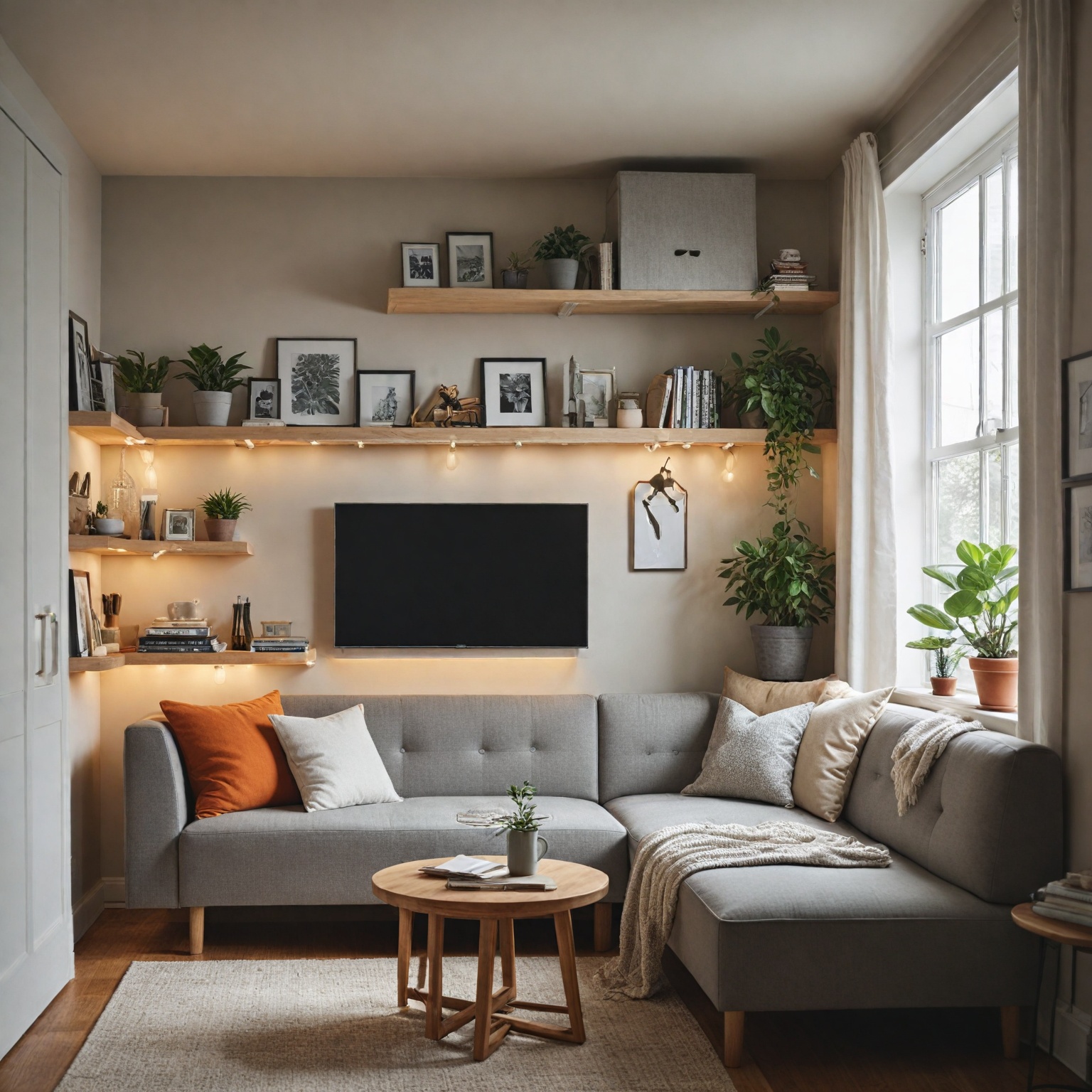
The guide explores key principles such as multifunctional furniture, vertical space optimization, lighting enhancement, and thoughtful color schemes, which collectively contribute to making small spaces feel more open, organized, and comfortable. It highlights how designers employ these techniques alongside efficient storage solutions and spatial zoning to create flexible, visually appealing interiors that accommodate diverse lifestyles without sacrificing style or utility.
Prominent design strategies include the use of foldable or convertible furnishings, wall-mounted fixtures, and layered lighting schemes that maximize natural light and spatial perception. The article also addresses common challenges in small space design—such as limited storage, lighting constraints, and the risk of overcrowding—and presents innovative approaches to overcome these obstacles through careful planning and modern materials.
This topic’s significance is underscored by notable case studies and real-world applications, illustrating how thoughtful design transforms compact environments into efficient, livable spaces. While celebrated for its ingenuity, small space design also raises debates regarding the balance between minimalism and comfort, and the social implications of increasingly smaller urban dwellings. Overall, **Unlock the Power of Small Spaces** serves as a vital resource for designers, homeowners, and urban planners seeking to unlock the potential of limited interiors through informed, creative design practices.
Historical Evolution of Small Space Design
The historical evolution of small space design is deeply rooted in the broader development of interior architecture, where functionality and aesthetics have long been balanced to optimize limited environments. Ancient civilizations such as those of Egypt, Greece, and Rome made significant contributions by integrating structural innovations and decorative motifs that enhanced both utility and visual appeal. The Egyptians’ use of arches allowed for large, open interiors imbued with a sense of grandeur, while their color schemes and elaborate decorative elements drew heavily on religious and mythological symbolism. Similarly, the Greeks and Romans emphasized geometric shapes and intricate mosaics to create balanced and functional spaces.
During the Middle Ages, particularly in the 12th century, the Gothic style further shaped interior design by focusing on lighting and verticality, with features such as colorful stained glass windows and high vaulted ceilings. These design elements enhanced spatial perception, an important consideration for smaller or confined areas, making interiors feel more expansive despite physical constraints.
The advent of the Industrial Revolution brought radical changes to space design, especially with the introduction of steel frame construction and elevators, which facilitated the creation of skyscrapers and large commercial buildings. This period saw the emergence of office design as a distinct discipline, characterized by open-plan workstations and mixed-use spaces that optimized limited floor areas for multiple functions. Frank Lloyd Wright’s 1939 design of the Johnson Wax company’s open-plan office exemplified this shift towards spacious yet efficient interiors, influencing how small and large spaces alike could be organized.
In the 20th century, movements such as the Bauhaus emphasized the integration of art and technology, promoting simple, streamlined furniture and interiors that maximized functionality without sacrificing aesthetic appeal. The use of new materials like steel, glass, and concrete supported minimalist design principles that remain influential in small space solutions today.
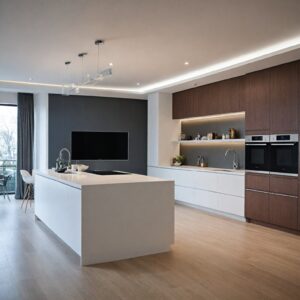
More recently, the challenge of designing for small spaces has been met with innovative strategies that embrace open floor plans, multifunctional furniture, and minimalist decor. Industrial lofts and micro-apartments capitalize on high ceilings and transformable furnishings to make the most of vertical and horizontal space. These modern approaches prioritize natural light, decluttering, and flexibility, all aimed at creating livable and visually pleasing environments within tight spatial constraints.
Throughout history, the evolution of small space design has been guided by a continuous dialogue between form and function, drawing from past innovations and adapting to contemporary needs and technologies. This legacy informs today’s designers as they unlock the potential of compact living spaces with creativity and practicality.
Key Principles of Small Space Design
Designing small spaces requires a thoughtful approach that balances functionality, aesthetics, and personal needs to create an environment that feels both spacious and comfortable. Central to this process is the strategic use of multi-functional furniture, clever storage solutions, and design techniques that enhance the perception of space.
One foundational principle is maximizing the utility of each furniture piece by assigning it multiple functions. For example, sofas that convert into beds, ottomans or coffee tables with built-in storage, and foldable or nesting tables help preserve valuable floor space while maintaining versatility in usage. This approach allows small spaces to accommodate various activities without overcrowding the area.
In addition to furniture selection, effective space planning incorporates design principles such as harmony, emphasis, rhythm, balance, and scale. These principles ensure that the interior is not only functional but also visually pleasing and cohesive. Small spaces often evoke feelings of security and intimacy, and careful planning can enhance these qualities while avoiding the sense of confinement.
Vertical space is another critical asset in small space design. Utilizing tall shelving units, wall-mounted cabinets, and other vertical storage solutions helps keep belongings organized and accessible without sacrificing floor area. Incorporating vertical lines in décor elements like wallpaper or curtains also draws the eye upward, creating the illusion of higher ceilings and a more expansive room.
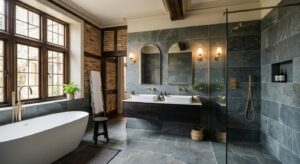
Lighting plays a vital role in shaping the ambiance and perceived size of a small space. Natural light should be maximized through the use of skylights or clear shower curtains in bathrooms, while layered artificial lighting can create a warm and inviting glow when natural light is insufficient. Strategic placement of large mirrors opposite windows can amplify natural light, reflecting it throughout the room to enhance brightness and depth.
Color schemes and optical illusions further influence the perception of space. Light, tranquil colors tend to make rooms feel larger and more open, while darker, dramatic shades can create a sense of vastness by obscuring boundaries. Employing mirrors and thoughtful design tricks shifts the focus to perception, enabling small rooms to feel more expansive than their actual dimensions.
Ultimately, the key to successful small space design lies in embracing functionality without sacrificing style. By combining multi-purpose furniture, smart storage, vertical design strategies, optimal lighting, and clever use of color and mirrors, small homes can be transformed into inviting and highly efficient living environments that cater to individual lifestyles and preferences.
Designers’ Top Tricks and Innovative Strategies
Designers employ a variety of innovative strategies to maximize small spaces, blending functionality with aesthetic appeal to create environments that feel open, organized, and inviting. One of the primary approaches involves the use of multifunctional furniture. Pieces such as foldable tables, nesting coffee tables, sofas with built-in storage compartments, Murphy beds, and storage ottomans reduce clutter and preserve valuable floor space while maintaining versatility and style.
Lighting also plays a crucial role in enhancing small spaces. Designers emphasize the importance of natural light by using skylights and clear shower curtains in bathrooms to open up the space. When natural light is insufficient, a carefully planned combination of different light fixtures can create a warm, cozy glow that expands the sense of volume. Strategic placement of large mirrors opposite windows further amplifies this effect by reflecting light and adding depth, making rooms appear larger and brighter.
Efficient storage solutions are integral to small space design, enabling every inch to be utilized without sacrificing accessibility or organization. Wall-mounted toilets and “floating” vanities or beds help maintain open floor areas, contributing to a less cluttered, more streamlined environment. These approaches prioritize maintaining clean circulation patterns and carefully planned traffic flows within the space.
Finally, thoughtful space planning that adheres to the principles of design—harmony, emphasis, rhythm, balance, and scale—ensures that small interiors are both functional and visually pleasing. Designers consider zoning, dimensions, orientation, and user needs, including special accommodations for elderly or disabled individuals, to optimize the usability and emotional comfort of the space.
Collectively, these tricks and strategies demonstrate how creativity and careful planning can unlock the full potential of small spaces, transforming them into efficient, elegant, and comfortable living areas.
Case Studies and Notable Examples
One of the most prominent examples of transformative retail design is The Dubai Mall, considered one of the world’s largest and most successful shopping centers. This project exemplifies the importance of understanding visitor movement and spatial experience in retail environments. As the angle of the sun changes throughout the day, different areas within the mall are illuminated, creating dynamic light patterns that enhance the ambiance and user experience. Such design considerations have contributed to activating spaces beyond traditional business hours, fostering urban congregation points and revitalizing city life. Similarly, Singapore’s Orchard Road shopping district has seen significant transformation through projects like the revitalisation of Paragon and Mandarin Gallery, where innovative retail design has reshaped both the shopping landscape and the broader urban experience.
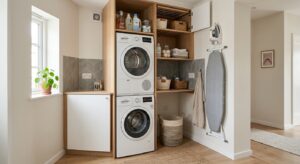
In the realm of small space living, practical and creative solutions have been extensively explored to maximize comfort and style despite limited square footage. For example, the use of multi-functional furniture—such as pull-out dining areas and loft beds with integrated storage and workspaces—has proven highly effective in studio apartments and tiny homes. These designs allow small living spaces to be adapted flexibly to meet varying needs without compromising on usability or aesthetics. Additionally, open floor plans and the creation of multiple distinct nooks within a single room can help delineate functional zones such as dining, laundry, or home offices, thereby making small spaces feel more spacious and organized.
A notable architectural example of efficient small space design is a west London house featuring a compact utility room clad in tongue-and-groove panelling, equipped with a traditional Sheila Maid clothes dryer raised and lowered by a jute rope. This setup demonstrates how thoughtful integration of traditional elements can address spatial constraints effectively while maintaining charm and practicality. These case studies collectively reveal that smart, adaptable design strategies can unlock the potential of small spaces, making them both livable and visually appealing.
Common Design Challenges in Small Spaces
Designing small spaces presents unique challenges that require a careful balance between functionality and aesthetics. One of the primary difficulties is maximizing limited square footage without making the area feel cluttered or cramped. Selecting appropriately sized furniture is crucial; oversized pieces can quickly overwhelm a small room, whereas multi-functional and space-saving furniture like foldable tables, Murphy beds, and storage ottomans can enhance versatility while reducing clutter.
Another significant challenge is optimizing storage. Small spaces often lack adequate storage, making it essential to implement organizational systems that maximize every inch. Strategies such as built-in casework with concealed doors, floor-to-ceiling shelving, and the use of bins and baskets can help keep the space tidy and visually open. Additionally, seasonal items should be stored offsite or in less frequently used areas to free up valuable closet space.
Lighting and color choices also pose common obstacles in small space design. Poor lighting can make a room feel even smaller and less inviting, so incorporating ample natural light alongside well-planned artificial lighting schemes is vital. Using light color palettes and strategically placed mirrors can create an illusion of spaciousness and add a welcoming atmosphere to confined rooms.
Finally, maintaining harmony in design while addressing these practical concerns is often a complex task. Designers must consider principles such as balance, rhythm, and scale to ensure the small space is both functional and aesthetically pleasing, allowing it to feel comfortable and intimate rather than restricted or chaotic. Addressing these challenges thoughtfully can transform a small space into a cozy and beautiful environment that reflects the occupant’s personality and lifestyle needs.
Strategies to Overcome Design Challenges
Designing small spaces requires innovative approaches to maximize functionality while maintaining aesthetic appeal. One effective strategy is the use of multifunctional furniture, which combines versatility with style. Examples include Murphy beds, nesting tables, storage ottomans, and transforming tables that help reduce clutter and make the most of limited space. Such pieces not only optimize available floor area but also support sustainable living by encouraging mindful space usage and reducing environmental impact.
Vertical design elements are another key technique. Incorporating vertical lines, tall shelving, or wall-mounted storage draws the eye upward, creating an illusion of greater height and expansiveness in rooms with low ceilings or limited floor space. This approach adds visual interest, elongates perception of the space, and contributes to an open, airy atmosphere that enhances comfort and welcome.
Efficient space planning is essential, involving considerations like function zoning, circulation patterns, and storage solutions. Designers often prioritize keeping floor space open by selecting wall-mounted fixtures such as toilets or “floating” vanities and incorporating suspended furniture like elevator beds to free up ground-level area. Open floor plans, particularly in loft-style apartments with high ceilings, can be leveraged by using transformable furniture to capitalize on overhead space effectively.
Lighting plays a vital role in overcoming small space challenges. Adequate natural or artificial light creates a more spacious and inviting environment. When natural light is limited, a combination of lighting fixtures can produce a cozy glow, while design choices such as clear shower curtains or skylights help open up confined areas like bathrooms.
Finally, thoughtful selection of color palettes and furniture that aligns with both the occupant’s style and spatial constraints ensures that every design decision enhances the overall feel and usability of the space. These strategies collectively help transform small interiors into comfortable, functional, and stylish living environments.
Tools, Resources, and Further Reading
Unlock the Power of Small Spaces provides a comprehensive collection of tools and resources to aid both professionals and enthusiasts in maximizing the potential of compact living areas. The platform features detailed case studies showcasing successful retail and residential projects worldwide, illustrating practical applications of small space design principles.
Users can access a variety of planning ideas, material guides, and product specifications, including 3D models and pricing tools, which support informed decision-making during the design process. Additionally, there is an extensive fabric database and information on sustainability practices, enabling designers to incorporate eco-friendly and stylish elements effectively.
For those seeking inspiration or expert advice, the resources also include insights from experienced designers and writers who have covered a wide spectrum of interior design topics—from celebrity homes to appliance reviews—offering a broad perspective on creating functional and aesthetically pleasing small spaces.
The content is provided by Avery Redwood, Home Upgrade News