Summary
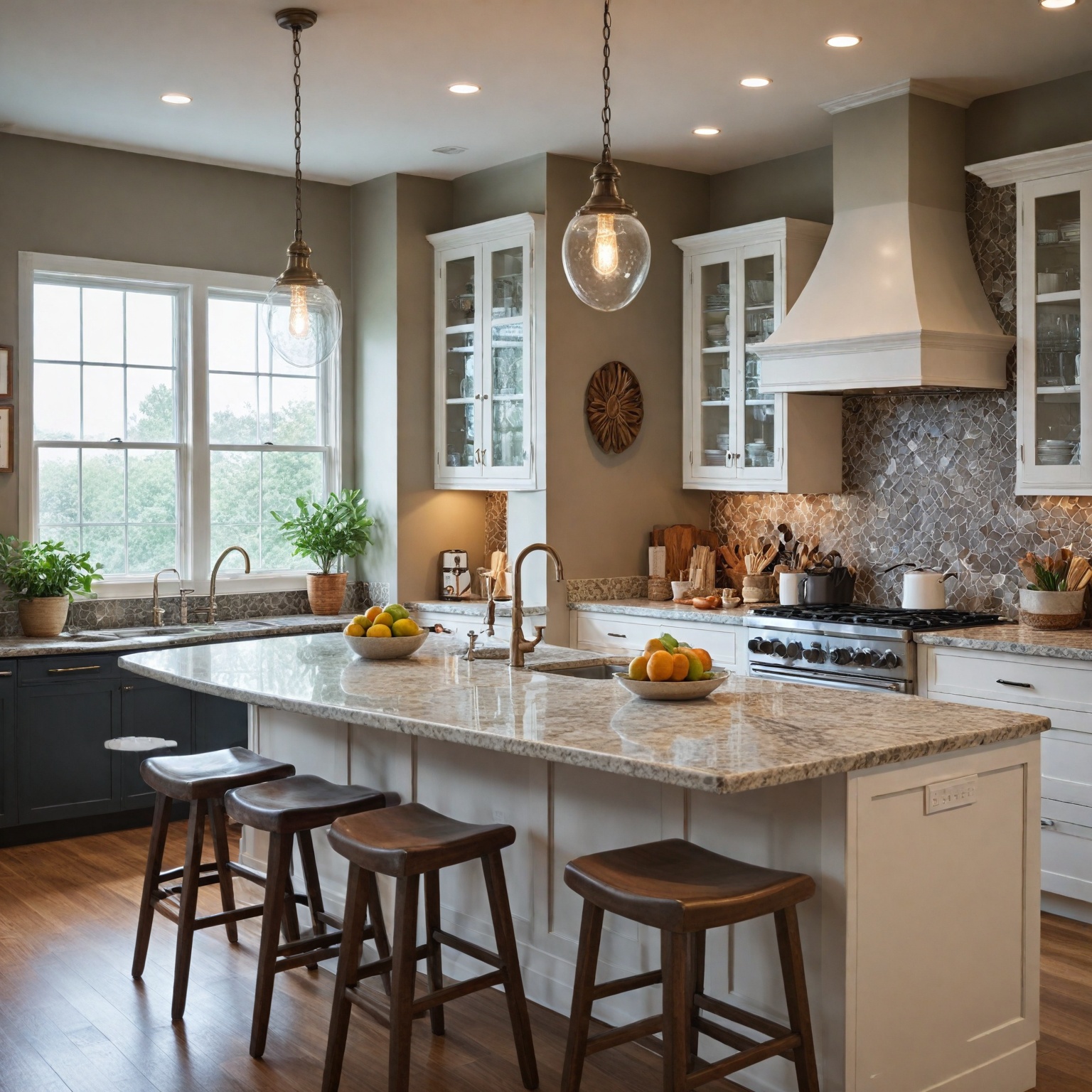
**Discover How We Turned Our Cozy Kitchen into a Stylish Living Space** explores the transformation of a traditionally utilitarian kitchen into a multifunctional, inviting area that blends cooking, socializing, and living. Reflecting broader trends in modern home design, the project emphasizes the kitchen’s evolution from a hidden workspace to a central hub for family interaction and lifestyle expression. By thoughtfully integrating architectural elements, design principles, and practical solutions, the renovation showcases how kitchens can become personalized, stylish living spaces that support diverse daily activities.
The renovation involved careful planning and coordination of various design elements, including cabinetry, countertops, backsplashes, and lighting, to create visual harmony and functionality. Structural modifications, such as addressing load-bearing walls and low ceilings, were undertaken with professional consultation to ensure safety and compliance with building codes. Innovative storage solutions and ambient lighting further enhanced both practicality and atmosphere, making the space welcoming for cooking and social gatherings alike.
This project notably balances aesthetic appeal with everyday usability by employing consistent materials—such as veined marble slabs across multiple surfaces—and incorporating bold accents, warm textures, and living elements like plants to soften hard finishes. The open-concept layout and seamless integration with adjacent living areas reflect contemporary design priorities that favor multifunctional, flexible spaces over compartmentalized rooms.
While the renovation was largely praised for its cohesive design and functional improvements, challenges such as low ceiling heights and the complexity of structural alterations required expert guidance and careful decision-making. This underscores the importance of selecting qualified professionals and thoroughly planning renovations that alter a home’s core structure. Ultimately, the transformation exemplifies a successful blending of style, comfort, and practicality in kitchen design, serving as an inspirational model for similar home projects.
Background
The kitchen has evolved significantly from being a hidden, purely functional space to becoming a central hub for gathering, socializing, and creating memories within the home. Modern kitchen design emphasizes not only utility but also atmosphere, incorporating elements such as layout, ease of movement, spacing, lighting, and color schemes to enhance both functionality and aesthetic appeal. This shift has transformed kitchens into architectural havens where creativity and lifestyle intersect, allowing homeowners to craft spaces that are unique and personalized.
In planning a kitchen renovation, various design elements—cabinets, appliances, backsplashes, countertops, flooring, and decorative pieces—must be thoughtfully coordinated. Each element possesses distinct colors, textures, and forms, and design principles guide their harmonious integration to achieve a unified whole. For example, cabinetry can be designed to create visual frames, using vibrant paint colors like Portola Paints’s Shasta Daisy to add character and warmth, even if such choices initially challenge traditional expectations.
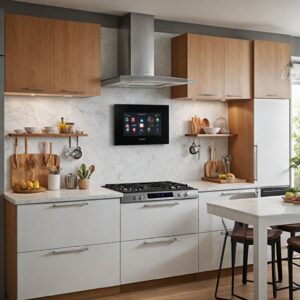
Lighting also plays a crucial role in kitchen design, both for practical and aesthetic purposes. Backlit backsplashes serve to illuminate meal preparation areas while highlighting intricate tile patterns or natural stone finishes. Incorporating color-changing LEDs can further enhance the ambiance, providing bright, energizing light during the day and a warm, cozy glow for evening gatherings. Designers may also emphasize architectural features such as centrally placed hood fans over islands, layering materials and warm color palettes to create visual interest and balance within the space.
Together, these design principles and thoughtful details can transform kitchens from mere cooking areas into stylish living spaces that reflect the homeowner’s personality and support everyday life.
Planning and Design
Planning and designing a kitchen requires the careful integration of various elements such as cabinets, appliances, backsplashes, countertops, flooring, and decorative pieces, each contributing unique colors, textures, and forms to the overall space. Successful kitchen design goes beyond simply selecting individual components; it involves applying core design principles—including balance, harmony, emphasis, proportion, and rhythm—to create a functional and aesthetically pleasing environment that suits your lifestyle.
Before beginning any remodeling or building project, it is essential to make key decisions upfront, including budgeting for seemingly minor details like cabinet knobs or drawer dividers, which can accumulate significant costs. Cohesion with the overall home design should be maintained through thoughtful selection of colors and materials, while also considering practical aspects such as local permit requirements and the potential benefits of eco-friendly materials and energy-efficient appliances.
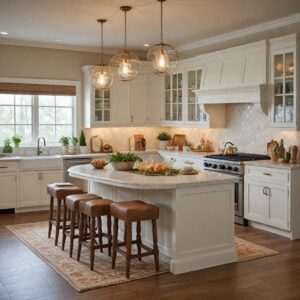
Modern kitchen planning recognizes that traditional design frameworks, such as the work triangle, may not fully accommodate contemporary family needs. Instead, focal points—such as striking stovetops, backsplashes, kitchen islands, or bold pieces of art—serve to anchor the room’s design, offering visual interest and preventing the space from feeling chaotic or dull. Soft textures and textiles, like cushions, rugs, or upholstered stools, are vital to soften the predominantly hard surfaces found in kitchens, thereby enhancing warmth and creating an inviting atmosphere. Additionally, incorporating living elements such as plants can instill a sense of soul and coziness in the space, making the kitchen feel truly lived-in and welcoming.
Professional design approaches, such as Drury Design’s Client Focused Design™ method, exemplify how integrating design recommendations, material selections, and construction management can streamline the remodeling process to produce cohesive and personalized kitchen spaces. Whether inspired by midcentury styles or contemporary trends, drawing from diverse design eras can also add unique character and inspiration to your kitchen planning.
Structural Modifications
When undertaking a kitchen remodel that involves altering walls, understanding the role of load-bearing walls is crucial. Load-bearing walls support the weight of the house, distributing loads from the roof and upper floors, whereas non-load-bearing walls serve only to divide spaces and do not carry structural loads. Removing or modifying a load-bearing wall requires careful planning to establish an alternate load path that redistributes weight to other supporting elements such as beams, columns, or new load-bearing walls.
Before beginning demolition, it is essential to determine whether a wall is load-bearing. This often involves consulting structural engineers and reviewing building codes, as many cities require engineer-stamped documents or permits to proceed with such modifications. For non-load-bearing walls, a stamped letter from a structural engineer is typically sufficient to satisfy local permit requirements.
If removal of a load-bearing wall is planned, temporary support structures must be installed on both sides of the wall to evenly distribute the load during construction. The replacement beam must be carefully sized, considering factors such as deflection, shear, and live versus dead loads. Span tables and wood beam calculators are helpful tools, but engaging a structural engineer or contractor is highly recommended due to the complexity involved.
In some scenarios, floor joists rest directly on the load-bearing wall being removed, which can complicate the process. The new beam may need to be lower than the existing ceiling height to accommodate the structural elements above. Additionally, retrofitting techniques like steel bracing or carbon fiber reinforcement might be necessary to strengthen the new structural supports.
Low ceilings pose another challenge, sometimes requiring excavation or additional structural modifications to meet code and maintain adequate headroom. Overall, comprehensive structural evaluation and adherence to local building codes are fundamental to ensuring a safe and successful kitchen renovation.
Renovation Process
The renovation process began with a clear focus on creating a cohesive and inviting kitchen space that would function both as a cooking area and a social hub. One of the key strategies was to select a single focal point for the design, such as a bold backsplash or a sizable range hood, and then complement it with simpler, more understated details elsewhere in the kitchen to avoid overwhelming the space. This approach ensured the kitchen remained visually balanced and welcoming.
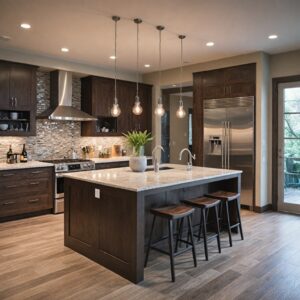
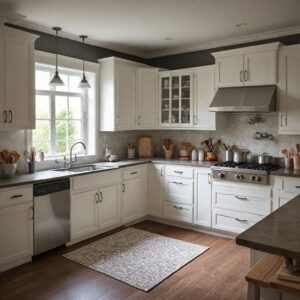
Material consistency played an important role, with veined marble slabs used uniformly for the backsplash, countertops, and even the sink, lending the space an elegant and seamless appearance. Cabinets were designed with a frame-like appearance and painted in a cheerful tone, creating a lively yet sophisticated atmosphere that contributed to the kitchen’s cozy ambiance.
Maximizing functionality was also a priority. Innovative storage solutions, such as large lower-level drawers for plates and hidden coffee bars behind doors, were incorporated to increase accessibility and maintain a clutter-free environment. Pull-out features behind cabinetry doors helped keep items hidden yet easily reachable, optimizing every inch of the kitchen.
Structural considerations were carefully addressed before making any major changes. Professional consultation with a structural engineer was sought to ensure that no load-bearing walls were removed improperly, safeguarding the home’s stability. Additionally, challenges like low ceiling heights were managed through appropriate modifications to meet building codes.
The layout was thoughtfully planned to accommodate both culinary tasks and social activities. Seating areas and cozy nooks were integrated to encourage family interaction and relaxation, making the kitchen a multifunctional living space rather than just a food preparation zone. To enhance comfort and warmth, ambient lighting options such as low-level pendants and table lamps were introduced, creating a cozy glow that invites evening gatherings.
Challenges Encountered and Solutions Implemented
One of the primary challenges faced during the transformation of our cozy kitchen into a stylish living space was dealing with low ceilings. To meet building code requirements, excavation or structural modifications were necessary, which added complexity to the renovation process. Addressing this issue early helped avoid potential compliance problems and ensured safety standards were upheld.
Another significant challenge involved adapting the kitchen to accommodate its evolving role in daily life. The kitchen table had become a central hub for various interactions beyond food preparation, reflecting a broader trend of homes serving multiple functions, especially highlighted during the pandemic. This required thoughtful design solutions to create a multifunctional space that could support diverse activities without compromising style or comfort.
Finally, selecting the right renovator proved critical to the project’s success. Given the scope of work, particularly involving structural changes, careful research was essential to find a kitchen remodeler with the appropriate expertise. Not every professional specializes in such extensive modifications, so choosing the right team ensured that the renovation goals were met efficiently and effectively.
Final Outcome
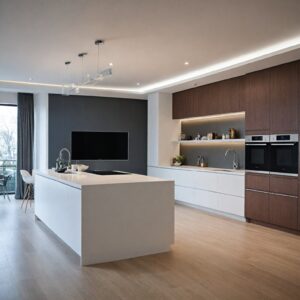
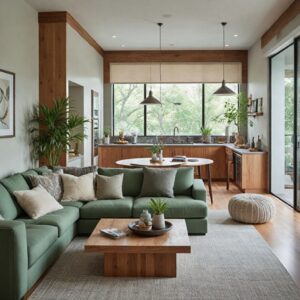
The transformation of the kitchen into a stylish living space reflects a modern approach to home design where kitchens are no longer isolated areas but integral parts of the overall living environment. By using the same flooring as the surrounding living areas, a unified and cohesive look was achieved, effectively blending the kitchen with the rest of the home. This open-concept design not only enhances the flow between spaces but also encourages multifunctional use of the living area, allowing for work, play, and socializing without the confines of separate rooms.
The final design embraces creativity and personality, moving beyond mere functionality to create an architectural haven where lifestyle and style intersect. Bold colors, unique cabinetry profiles, and jewelry-like hardware add distinct character and charm to the space, making it both practical and visually appealing. The result is a cozy yet stylish kitchen-living area that maintains subtle elegance and timelessness by blending contemporary design elements with traditional and industrial influences. This thoughtful integration ensures the space remains inviting and versatile, perfectly suited to the demands of modern living.
Reception and Feedback
The transformation of the kitchen into a multifunctional and stylish living space has garnered positive attention for its successful blend of practicality and aesthetic appeal. Experts emphasize that designing a kitchen that feels both inviting and efficient relies on fundamental principles such as balance, harmony, emphasis, proportion, and rhythm, which were thoughtfully applied in this project. Understanding how the kitchen would be used was a key factor in achieving a design that transcends the traditional purpose of cooking, creating a space that fosters interaction, comfort, and versatility.
Feedback from design professionals highlights the importance of creating a warm ambience while maintaining the kitchen’s role as a dedicated area for cooking, eating, and spending quality time together. The integration of features such as large work surfaces, comfortable seating, and multifunctional elements like kitchen islands and banquette seating has been particularly well received, reflecting current trends toward flexible kitchen-family room concepts that accommodate various activities and lifestyles.
Moreover, practical considerations were applauded, especially in addressing challenges posed by limited space. Solutions such as using pass-throughs between the kitchen and dining areas were recognized for maximizing functionality without sacrificing square footage. The project also exemplifies a seamless design process that combines material selection and construction management, echoing client-focused approaches advocated by experienced designers in the field.
Tips and Recommendations for Similar Renovations
When undertaking a kitchen renovation, it is essential to plan carefully and select materials that contribute to a cohesive and stylish design. One effective approach is to use the same material across multiple elements in the kitchen, such as countertops, backsplashes, and even sinks, to create an elegant and unified look. For example, incorporating veined marble slabs throughout these surfaces can add both luxury and visual continuity to the space.
Before purchasing materials or fixtures, it is advisable to consult with a handyman or professional to ensure compatibility and quality. Upgrading features and fixtures during the renovation offers an opportunity to enhance the kitchen’s functionality and aesthetics. There are numerous special options available that can transform a simple kitchen remodel into a luxurious living space, providing endless possibilities to tailor the renovation to your personal style and needs.
Gallery
The gallery showcases a collection of designer spaces filled with abundant inspiration, highlighting the transformative power of thoughtful design. It reflects how ceiling design, historically regarded as the crowning glory of interior spaces—from the starry depictions of ancient Egyptians and divine murals of the Greeks to the intricate storytelling of Renaissance frescos—continues to evolve and influence modern aesthetics. The images also demonstrate the seamless integration of design recommendations, materials selection, and construction management that define Drury Design’s Client Focused Design™ approach, emphasizing both functionality and style in kitchen, bath, and home remodeling projects.
The content is provided by Blake Sterling, Home Upgrade News