Summary
**Enhance Your Living with David Webster: Embark on Your Smart Home Journey with Automation** presents a comprehensive overview of integrating high-quality custom home building with advanced smart home automation technologies. Centered around David Webster Construction, a Traverse City-based company renowned for luxury homes featuring expert wood craftsmanship and personalized design, the topic highlights how bespoke architectural excellence combines with cutting-edge automation to elevate modern living environments. The expertise of David Webster, PE, SE, in structural engineering further underscores the technical foundation behind these custom smart homes.
The article explores the role of smart wiring and structured cabling as essential infrastructure enabling seamless integration of multiple home systems—such as climate control, lighting, security, and entertainment—into a unified, easily managed network. Smart home automation enhances convenience, security, energy efficiency, and entertainment by allowing homeowners to control devices through centralized hubs or mobile applications, employing standardized communication protocols like Zigbee, Z-Wave, and the emerging Matter standard to ensure interoperability among diverse products. Additionally, the incorporation of artificial intelligence elevates smart home capabilities by enabling personalized routines, energy optimization, and health monitoring.
Highlighting both the practical benefits and potential challenges, the topic addresses considerations including device compatibility, cost, privacy, and maintaining the balance between sophisticated technology and high-quality craftsmanship. Industry trends focus on AI integration and evolving standards that promise more adaptive, secure, and user-friendly smart home environments. The article also discusses the process of custom smart home implementation—from design consultation and equipment selection to professional installation and user training—emphasizing the importance of collaboration to realize each homeowner’s vision.
While smart home automation offers transformative advantages, such as improved home security and energy savings, it also raises concerns related to data privacy and system complexity. The article therefore provides a balanced perspective on how homeowners and professionals can navigate these issues to create smart living spaces that are not only technologically advanced but also comfortable, secure, and aligned with personal lifestyles.
Background
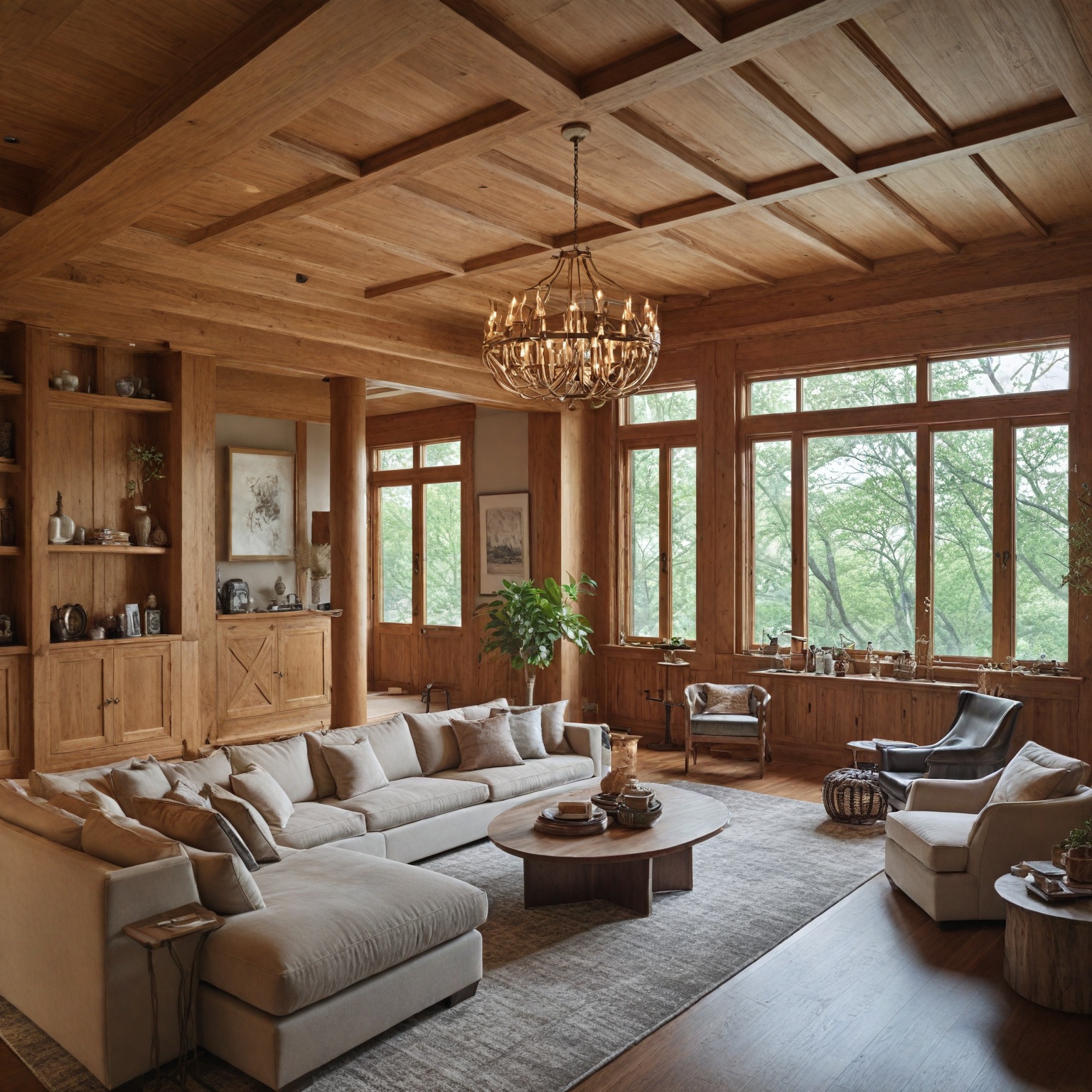
David Webster is a name associated with both exceptional craftsmanship in custom home building and expertise in structural engineering. David Webster Construction, based in Traverse City, specializes in creating luxury homes that emphasize unparalleled attention to detail and a deep reverence for wood craftsmanship. Their work is characterized by a personal connection to each project and a commitment to realizing homeowners’ original visions with the highest quality and artistry. Additionally, David Webster, PE, SE, is a Senior Structural Engineer with extensive experience in structural and forensic engineering across the United States, the United Kingdom, New Zealand, and Australia.
In the realm of smart home technology, the integration of automation systems has become a significant trend, aimed at enhancing the convenience, security, and efficiency of residential environments. Smart wiring—structured cabling systems installed in homes—allows seamless integration of telecommunications, multimedia, security, and automation devices. This infrastructure enables homeowners to control multiple systems such as televisions, sound systems, security alarms, and more from centralized hubs or mobile devices, making smart homes more efficient and future-proof.
Home automation systems often include smart thermostats, lighting controls, and voice-activated speakers that collectively enhance everyday living. The effectiveness of these systems relies heavily on standardized communication protocols such as Zigbee, Z-Wave, and the emerging Matter standard. These protocols serve as a common language, ensuring interoperability among devices from different manufacturers, which is essential for building a cohesive and scalable smart home ecosystem.
Together, the craftsmanship of builders like David Webster Construction and the advanced integration of smart home technologies offer homeowners the opportunity to elevate their living spaces through personalized design and cutting-edge automation solutions.
Custom Smart Home Solutions
Creating a personalized smart home begins with understanding the unique needs and desires of each homeowner. Custom smart home solutions integrate a variety of technologies—such as smart thermostats, lighting controls, security systems, and audiovisual equipment—to deliver seamless automation tailored to individual lifestyles. Professionals like David Webster and his team focus on collaborating closely with clients to select the appropriate devices, design comprehensive systems, and manage installation, calibration, and testing to ensure optimal performance and user satisfaction.
Smart wiring plays a critical role in these custom solutions by providing a structured cabling infrastructure that supports current and future technologies, enabling homeowners to control multiple systems through a single networked interface. This future-proof approach not only enhances the functionality of the home but also adds long-term value by accommodating evolving innovations without the need for frequent upgrades.
Advanced AI applications further elevate custom smart home experiences by enabling energy management, security monitoring, personalized automation routines, and health-focused features. Companies like Lennar and Delos exemplify this trend by incorporating AI-driven thermostats, leak detection, and health and energy management systems that adapt to the homeowner’s daily habits. These innovations ensure that each smart home solution is both highly functional and deeply personalized.
Ultimately, custom smart home solutions are designed to extend the homeowner’s vision by emphasizing high-quality craftsmanship, meticulous attention to detail, and seamless integration of technology that enhances comfort, convenience, and efficiency throughout the living space.
Features of Smart Home Automation Systems
Smart home automation systems integrate various home devices and appliances into a unified network controlled through a centralized hub or mobile device, enhancing convenience, security, and energy efficiency. These systems can range from simple setups—such as smart thermostats, light switches, and voice-activated speakers—to comprehensive solutions that seamlessly connect multiple devices for a holistic smart home experience.
Climate and Environmental Controls
One of the key features of smart home automation is intelligent climate control. These systems allow individualized temperature settings for each room, maintaining optimal comfort while reducing energy consumption. Sensors monitor heating, cooling, humidity, and even carbon monoxide levels to ensure a safe and comfortable environment throughout the home. Advanced thermostats like the Ecobee Smart Thermostat Premium use remote sensors to maintain consistent temperatures and learn family routines to adjust settings automatically, improving both comfort and energy efficiency.
Lighting and Ambiance Management
Smart lighting control systems provide customizable lighting moods for different occasions such as dining, entertaining, or relaxing. Users can control lights wirelessly or through centralized systems, including automated schedules or simple “all off” commands at bedtime. Outdoor lighting can also be automated to enhance security and create ambiance, turning on at dusk or with a single button press. These intelligent lighting setups not only enhance lifestyle convenience but contribute to energy savings by optimizing usage.
Security and Surveillance
Enhanced security is a prominent benefit of smart home automation. Systems include remote monitoring capabilities, allowing homeowners to receive alerts for unusual activities, check live video feeds, and control alarms and locks from anywhere via smartphones. Protocols like Z-Wave and Zigbee enable secure, low-power communication between security devices, leveraging mesh networks for reliable coverage throughout the home. Partnerships with professional monitoring services further improve home safety, offering police, medical, and fire alarm monitoring as part of comprehensive packages.
Device Integration and Communication Protocols
A fundamental aspect of smart home systems is interoperability. Devices from different manufacturers communicate through standardized protocols such as Zigbee, Z-Wave, and emerging standards like Matter. These protocols act as common languages that ensure diverse devices work together harmoniously within the smart home ecosystem, simplifying setup and enhancing system reliability. Central hubs or apps mediate device interaction, enabling users to control lighting, climate, security, and entertainment devices through unified interfaces.
Advanced Features and Convenience
Some smart homes include premium amenities such as smart toilets with hands-free operation, UV self-cleaning, heated seats, and automatic deodorizing functions. Integration extends to home entertainment systems, where professionals can assist with selecting and installing audio-visual equipment, calibrating sound and picture quality for optimal experiences. Artificial intelligence also plays a growing role, managing renewable energy sources like solar panels to maximize efficiency and reduce waste while learning household routines to anticipate needs automatically.
Benefits of Smart Home Automation
Smart home automation offers a range of advantages that enhance convenience, security, energy efficiency, and overall quality of life. One of the primary benefits is the ability to control various home appliances and systems from a centralized hub or mobile device, providing seamless management of lighting, thermostats, locks, and security systems. This centralized control simplifies daily routines and allows homeowners to customize their environment effortlessly.
Enhanced security is another significant advantage. Automated systems enable remote monitoring of the home and provide instant notifications for unusual activities, such as someone arriving at the front door or children returning from school. Video surveillance options allow homeowners to keep an eye on pets or monitor their property from anywhere, improving peace of mind. Moreover, many security packages include police, medical, and fire alarm monitoring services, ensuring comprehensive protection.
Energy savings are also a major benefit of smart home automation. Smart thermostats and lighting systems optimize energy use by adapting to household patterns, such as adjusting temperatures automatically when family members wake up or leave the house. This intelligent energy management not only reduces utility bills but also supports renewable energy integration, for example, by maximizing the efficiency of solar panels through AI-driven monitoring and adjustments.
Additionally, smart home automation can increase the value of a property. Smart wiring and integrated systems improve home functionality and appeal to modern buyers, making homes more attractive in the real estate market. The ability to automate outdoor living spaces further extends these benefits by enhancing entertainment options and creating inviting environments that can be controlled with ease.
Implementation Process
Once you accept the proposal, the project manager will take over to ensure the implementation process runs smoothly from start to finish. The process begins by working closely with you to select the appropriate equipment such as speakers, TVs or projectors, receivers, and other components tailored to your specific needs.
After finalizing the equipment, the company will handle the entire installation process, ensuring all devices are set up correctly and integrated seamlessly. This includes calibration and testing to optimize sound and picture quality for the best possible home theater experience.
Upon completion of the installation, the team will provide a demonstration to show you how to use and enjoy your new system effectively. This hands-on guidance helps homeowners become comfortable with their smart home technology, maximizing the benefits automation brings to daily living.
By entrusting professionals in Webster, you can avoid the hassle of complex setup and gain a high-quality, reliable home theater and automation system that adds value and convenience to your home.
Applications and Use Cases
Smart home automation offers a wide range of applications that enhance convenience, security, and entertainment within residential environments. One primary use case involves the integration of smart electrical systems through structured cabling, allowing homeowners to control multiple devices such as televisions, sound systems, computers, phones, and security systems from a single interface. This centralized control can be accessed via mobile devices or dedicated home automation systems, enabling users to easily manage lighting, temperature, and appliances throughout the home.
Home theaters and audiovisual setups represent another significant application area. Professional services provide design, installation, and calibration of home theater systems, incorporating advanced speakers, TVs, projectors, and receivers to create immersive entertainment experiences. These systems are often integrated with home automation platforms to streamline control and optimize sound and picture quality.
Outdoor living spaces have increasingly become extensions of the smart home environment, equipped with weather-resistant technology solutions that include music, video, and intelligent lighting control. These enhancements create versatile entertaining areas or tranquil personal retreats, all managed seamlessly through automated systems.
Smart shading and lighting solutions further contribute to home automation’s versatility. Motorized shades integrated with automation systems allow users to control individual shades, entire rooms, or the whole house using smartphones, keypads, or voice commands, providing both convenience and energy efficiency.
Challenges and Considerations
When embarking on a smart home journey, several challenges and considerations must be addressed to ensure a seamless and effective automation experience. One of the primary challenges is achieving interoperability among devices from different manufacturers. Without a common set of protocols and standards, integrating diverse devices into a cohesive system becomes difficult. Understanding and implementing these standards are crucial for a harmonious smart home environment where all devices can communicate and work together efficiently.
Cost is another significant consideration. While some smart home systems, such as Ring’s latest security kit, offer affordability and extensive value, other platforms may incur additional expenses for advanced features like feed customization and retargeting. Homeowners need to carefully evaluate their budget in relation to the functionalities they desire.
Privacy and security also pose important challenges. Smart homes often collect and transmit sensitive data, necessitating reliable protection mechanisms to safeguard homeowners and their property. Partnering with reputable companies that offer robust security solutions, such as Allied Home Security’s collaboration with Brinks Home™, can provide peace of mind by combining extensive industry experience with comprehensive monitoring services.
Furthermore, homeowners must consider the level of customization and ease of use. Some platforms provide intuitive interfaces suitable for onsite or in-app control, enhancing user experience and control over the smart home ecosystem. However, balancing complexity with user-friendliness is essential to avoid overwhelming users.
Lastly, ensuring that the finished smart home aligns with the homeowner’s original vision while maintaining high standards of craftsmanship and attention to detail is vital. This integration of technology should complement, rather than compromise, the quality and artistry of the living space.
Industry Trends and Future Directions
The smart home industry is rapidly evolving, driven by advances in technology that are transforming how homeowners interact with and control their living environments. A key trend is the integration of artificial intelligence (AI) to enhance energy management, security, personalized automation, and health monitoring. Companies such as Lennar are incorporating AI into smart thermostats and leak detection systems, while others like Delos focus on health and energy management solutions. These AI applications enable smart homes to learn user habits, optimize energy consumption, adjust lighting based on natural daylight, and provide enhanced security through AI-driven facial recognition.
In addition to AI, the development of standardized communication protocols plays a crucial role in shaping the future of home automation. Industry alliances like Zigbee and Z-Wave, alongside the introduction of the Matter standard by the Connectivity Standards Alliance (CSA), aim to create interoperable, secure, and user-friendly smart home ecosystems. These standards are intended to simplify device integration and improve overall user experience by enabling seamless communication between different smart home products and platforms.
The trajectory of smart homes points toward increasingly adaptive living spaces that not only automate routine tasks but also integrate with broader city infrastructure systems. This future vision includes homes that proactively respond to daily routines, enhance residents’ health and well-being, and contribute to sustainable energy use. As these technologies mature, homeowners will benefit from more intuitive, efficient, and personalized smart home environments that elevate comfort and security.
The content is provided by Sierra Knightley, Home Upgrade News