Summary
Essential Elements to Transform Your Kitchen: What You Need to Know Before Renovating is a comprehensive guide that outlines the critical factors homeowners should consider before undertaking a kitchen renovation. Kitchen remodeling is a significant home improvement project known for its potential to enhance both functionality and aesthetic appeal, but it requires careful planning to avoid common pitfalls, budget overruns, and design mistakes. This article synthesizes expert advice on planning, design principles, essential components, and practical steps to create a successful kitchen transformation.
The guide emphasizes the importance of thorough initial planning, including assessing current kitchen functionality, defining renovation goals, and establishing a realistic budget that accounts for unexpected costs. It highlights key design considerations such as optimizing the kitchen work triangle, selecting effective layouts, cabinetry, and lighting to balance efficiency and style. Essential elements like storage solutions, appliance placement, and layered lighting are identified as foundational to a kitchen that supports cooking, cleaning, and socializing with ease and comfort.
Hiring qualified professionals for specialized tasks, understanding permit requirements, and navigating the demolition and construction phases are addressed as crucial for ensuring safety, compliance, and smooth project execution. The article also explores sustainability and energy efficiency trends, offering guidance on integrating eco-friendly appliances and financing options such as the Energy Efficient Mortgage Program to support these upgrades.
Finally, the article discusses common renovation challenges—such as poor planning and material selection—and provides strategies to avoid costly errors while emphasizing the value of post-renovation maintenance to preserve the kitchen’s long-term functionality and appearance. By combining practical advice with current trends, this resource serves as an essential primer for homeowners aiming to create a durable, stylish, and efficient kitchen space.
Planning Your Kitchen Renovation
Proper planning is a fundamental step in ensuring a successful kitchen renovation. It begins with a thorough assessment of your current kitchen to identify its strengths and weaknesses, helping you to determine what changes are most necessary and desirable. Defining clear goals is essential; make a prioritized list of the updates you want to achieve, whether that involves changing the layout, adding extra space, or upgrading specific features such as cabinetry or appliances.
Creating a realistic budget is equally important. Kitchen remodel costs vary widely depending on the scope of the project, the materials selected, and the inclusion of features like new appliances. On average, a kitchen remodel can range from $14,600 for small-scale renovations to upwards of $41,485 for larger projects, with mid-range remodels typically falling between $28,000 and $80,000. It is vital to balance your spending by avoiding overspending on high-end finishes at the expense of quality in critical areas like cabinetry and appliances. Detailed budgeting helps prevent unexpected cost overruns and keeps the project manageable.
During the planning phase, consider the long-term functionality and efficiency of the appliances and materials you select, ensuring compatibility and durability that will meet your future needs. Anticipate disruptions to daily life caused by remodeling by setting up a temporary kitchen space with essentials, and prepare meals in advance to minimize inconvenience.
Additionally, exploring financing options can facilitate your renovation plans. Before deciding on a loan or credit method, obtain a firm cost estimate and understand your overall budget. Various financing choices exist, such as personal loans, home equity financing, or government-backed programs like the Energy Efficient Mortgage Program, each with different terms and implications for your finances. It is advisable to weigh these options carefully to avoid unnecessary debt and ensure that your financing aligns with your budget and long-term financial goals.
By methodically planning your kitchen renovation with clear objectives, realistic budgeting, practical preparations, and informed financing decisions, you can mitigate stress, avoid costly mistakes, and achieve a functional and aesthetically pleasing kitchen transformation.
Design Considerations
When planning a kitchen renovation, thoughtful design considerations are essential to ensure both functionality and aesthetic appeal. A fundamental principle is the kitchen work triangle, which optimizes the workflow between the stove, sink, and refrigerator. For comfort and safety, the sum of the three sides of this triangle should not exceed 26 feet, with each leg measuring between 4 and 9 feet. In kitchens where multiple people cook simultaneously, it is advisable to create separate triangles for each cook, ensuring they do not cross paths or major traffic walkways.
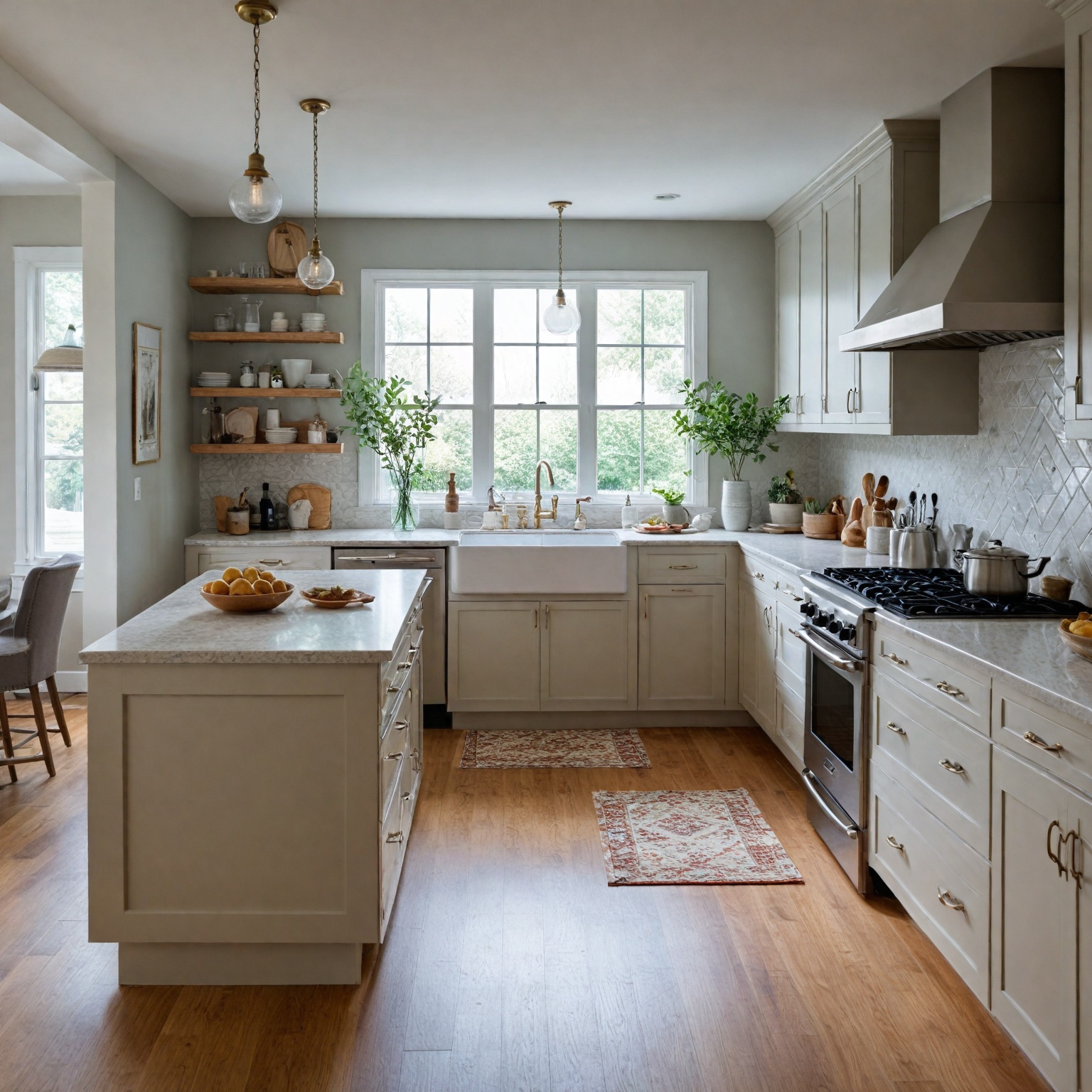
Layout choices significantly impact kitchen efficiency. Popular configurations include galley kitchens—ideal for smaller spaces with two parallel countertops separated by a walkway—and peninsula kitchens, which transform an L-shaped layout into a horseshoe or G-shaped design by connecting an island to the main counters. These layouts help maximize space and clearance, especially where a true island may not fit. Meanwhile, one-wall kitchens, although less efficient for larger spaces, can work well if appliances are grouped thoughtfully around the key work areas.
Landing areas around the sink should be considered carefully for practical use; ideally, there should be at least 24 inches on one side and 18 inches on the other to accommodate prep and cleanup tasks. Additionally, high-traffic zones such as the stove, refrigerator, dining area, and sink should be placed in practical, easily accessible locations to facilitate smooth movement and reduce congestion during meal preparation.
Cabinetry and color schemes play a vital role in setting the kitchen’s tone. Medium wood tones remain popular for a natural, relaxed atmosphere, while 2024 trends highlight the use of pastel hues and classic yellows to create welcoming, happy environments. Gold accents and complementary hardware can subtly introduce these colors without overwhelming the space. Using darker tones like navy or black can evoke a moody yet inviting ambiance when balanced with natural light and lighter elements such as glass doors or butcher-block countertops.
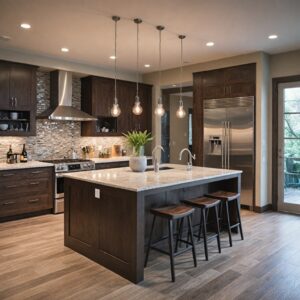
Lighting design is another critical element, combining both function and personality. Layered lighting enhances the kitchen’s visual appeal and sophistication. Accent lighting above islands, peninsulas, sinks, and dining areas not only improves task performance but also contributes to the space’s ambiance. In 2025, playful, whimsical fixtures—ranging from abstract chandeliers to animated lamps—are trending, allowing homeowners to express individuality while maintaining classic shapes like conical or round forms for timelessness.
Finally, managing the renovation process itself influences cost and outcome. Acting as your own general contractor by coordinating subcontractors can reduce expenses, but outsourcing management often leads to higher markups, particularly in high-cost-of-living areas. Regardless of approach, having a clear design plan is crucial to communicate effectively with contractors and achieve the envisioned kitchen.
Essential Elements
A successful kitchen renovation hinges on several essential elements that combine functionality, aesthetics, and efficiency. At the heart of any kitchen design is the “Work Triangle,” which connects the sink, refrigerator, and stove. Ensuring an unobstructed flow within this triangle is critical for maximizing kitchen efficiency and usability. For example, relocating the refrigerator to a more convenient spot and placing an overhead microwave above the stove can centralize cooking appliances, streamlining meal preparation. Additionally, using white appliances can visually expand smaller kitchens, brightening the space and making it more inviting for cooking and socializing.
Storage plays a pivotal role in kitchen design and should never be underestimated. It is important to consider the type, quantity, and style of cabinetry and pantries during a remodel, as these elements primarily determine the kitchen’s aesthetic and practicality. Incorporating large and versatile drawers, as well as floating or built-in shelving, adds both functionality and visual appeal. Experts suggest including specialized storage solutions such as pull-out spice racks near the range and under-counter storage in kitchen islands to accommodate the often-overlooked storage needs for smaller items and appliances.
Cabinetry remains a central focus in kitchen renovations, with traditional designs such as islands featuring two drawers beneath the countertop and a large shelf at the base continuing to be popular. Contemporary trends also emphasize the impact of cabinet colors and finishes, with timeless palettes including navy tiled flooring paired with painted islands providing a fresh contrast to darker upper cabinets. More adventurous choices like bright red or turquoise cabinets can introduce vibrant energy when balanced with neutral countertops and backsplashes.
Selecting the right appliances tailored to a family’s lifestyle is another fundamental aspect of kitchen transformation. Appliances are typically standardized in size, but their placement and integration can significantly influence kitchen flow. Modern kitchens often feature appliances ingeniously integrated into cabinetry or islands for a seamless look. Hidden microwaves, either behind cabinet doors or within drawers, save valuable counter space and contribute to a clutter-free environment. Beyond the essentials like refrigerators and ovens, specialized appliances such as immersion blenders and coffee makers can enhance culinary creativity and daily convenience.
Lighting design also plays a crucial role in both the functionality and ambiance of the kitchen. A well-layered lighting scheme combines ambient, task, and accent lighting to create a balanced environment. Ambient lighting, often provided by chandeliers, pendant lights, recessed lighting, or flush mounts, ensures general illumination without harsh shadows. Task lighting is focused on specific work areas like countertops and islands to aid in food preparation, while accent lighting adds visual interest and highlights design features. The incorporation of dimmers allows for adjustable lighting levels, balancing mood and practicality. Recent trends show a playful approach to kitchen lighting, with fixtures featuring organic shapes, unexpected materials, and whimsical designs that reflect personal style.
Together, these essential elements—work triangle optimization, thoughtful storage solutions, carefully selected cabinetry and appliances, and layered lighting—form the foundation of a kitchen renovation that is both functional and aesthetically pleasing, ultimately creating a space where cooking, cleaning, and socializing become enjoyable activities.
Hiring Professionals
When undertaking a kitchen renovation, hiring the right professionals is crucial to ensure the project runs smoothly and meets your expectations. Even seemingly minor remodeling tasks, such as strengthening joists to support heavier appliances or built-ins like a kitchen island, often require specialized framing work. While experienced DIYers may be able to handle framing themselves by following detailed building plans, subsequent phases—such as plumbing, electrical wiring, and HVAC duct installation—typically require licensed professionals to perform the mechanical rough-in work safely and up to code.
Selecting a contractor to manage your kitchen remodel can influence both the quality and cost of the project. If you have the time and expertise to act as your own general contractor, coordinating subcontractors and scheduling tasks, you may reduce overall expenses. Conversely, outsourcing project management to a general contractor usually adds a markup, particularly in high-cost-of-living (HCOL) areas where labor and material costs are elevated. Labor costs vary based on the scope of work, with larger or more complex renovations requiring more time and specialized skills, thus increasing expenses.
In addition to contractors and trade professionals, engaging a specialized housecleaner familiar with construction-related debris can be invaluable for post-renovation cleanup, especially if you are managing the project yourself. This ensures your newly remodeled kitchen is ready for use without the added stress of cleaning up construction dust and debris.
Avoiding common renovation mistakes often involves consulting with multiple experts, such as architects, designers, and flooring professionals, to ensure each aspect of your kitchen remodel is thoughtfully planned and executed. Their expertise can help you avoid pitfalls and achieve a more functional and aesthetically pleasing result.
Permits and Regulations
When planning a kitchen renovation, obtaining the necessary permits is a critical step that ensures the safety, legality, and long-term value of your home. Although the permit process may seem time-consuming and costly, skipping it can lead to significant fines, stop-work orders, and complications when selling your house in the future.
Key permits typically required for kitchen remodels include plumbing, electrical, and structural permits. Plumbing permits are necessary if you plan to relocate sinks or install new plumbing fixtures, such as adding an island with its own sink. Electrical permits are required when rewiring the kitchen to accommodate new appliances, lighting, or other electrical work. Structural permits must be obtained if you intend to add or remove walls, as these are integral to your home’s stability. It is crucial not to remove any load-bearing walls without proper approval, as this can compromise the safety of your entire home.
Contractors generally insist on having the proper permits in place before starting work, as their reputation depends on adhering to local regulations. Additionally, inspections at various stages of the project—such as rough and final inspections—are necessary to verify that the work complies with safety codes. These inspections can add to the overall cost of the renovation but are essential for ensuring that the remodel is done correctly.
Ultimately, while some minor kitchen updates may not require permits, it is best to consult your local building department to determine what is necessary for your specific project. Taking the time to secure permits upfront can save you from potential legal issues, financial penalties, and safety hazards down the line.
Sustainability and Energy Efficiency
Incorporating sustainability and energy efficiency into a kitchen renovation not only reduces environmental impact but also helps lower utility bills over time. One effective way to finance such improvements is through programs like the Energy Efficient Mortgage Program, which supports homeowners in funding renovations that enhance a home’s energy performance. This program, alongside Federal Housing Administration initiatives, can provide financial assistance, especially for projects exceeding $7,500 that are secured by a deed of trust or mortgage.
Looking ahead to 2025, kitchen lighting trends are increasingly focused on combining style with functionality while embracing sustainable practices. Innovative lighting designs utilize natural materials, aligning with the broader emphasis on eco-friendly elements in kitchen renovations. Choosing lighting fixtures that serve as both practical and aesthetic features can elevate the space’s ambiance while supporting environmental priorities.
Beyond lighting, selecting energy-efficient appliances is crucial. Not only do these appliances contribute to sustainability goals, but they also enhance the kitchen’s overall functionality and aesthetic appeal. Specialized appliances, such as dedicated drink chillers, are designed to maintain optimal conditions for beverages like wine and soda, thereby preserving quality while minimizing energy consumption.
By prioritizing sustainability and energy efficiency in a kitchen remodel, homeowners can create a space that is both environmentally responsible and enjoyable to use.
Demolition Phase
Before beginning the demolition phase of a kitchen renovation, thorough preparation is crucial to ensure an organized and safe process. Proper planning minimizes mess, reduces hazards, and helps keep the project on schedule. Essential safety gear includes heavy-duty gloves, safety goggles, a dust mask or respirator, and knee pads. Additionally, having the right tools on hand makes the job significantly easier.
A major safety consideration during demolition is the presence of utilities such as electrical wiring, plumbing, and gas lines. It is vital to take proper precautions before starting any teardown to avoid accidents. For homes built before the 1980s, there may be additional hazards such as asbestos, mold, or lead paint. Professional services should be hired to test for and safely remove asbestos, while mold issues require consultation with a specialist. When dealing with lead paint, lead-safe practices such as wet sanding and using HEPA-filter vacuums are recommended to maintain safety.
Demolition can be approached as a DIY project or by hiring a professional. A DIY kitchen demolition typically takes one to three days depending on experience and project size, and with proper planning, tools, and safety precautions, most homeowners can complete it themselves. Hiring a contractor, however, often incurs a cost ranging between $1,000 and $3,000, influenced by the size and complexity of the job.
After demolition, proper cleanup is essential. This includes sweeping and vacuuming with a shop vac to remove dust and debris, ventilating the space by opening windows and using fans, and disposing of debris responsibly, preferably by recycling materials when possible.
It is also important to consider permits before demolition, as some structural changes, particularly those involving load-bearing walls or utility alterations, require official approval to ensure safety. Failure to obtain necessary permits can result in fines and complications when
Construction Phase
The construction phase of a kitchen remodel typically begins after the design and planning stages have been completed and all necessary permits have been obtained. One of the initial steps involves framing work, which may include strengthening joists to support heavier appliances or built-in features like kitchen islands. This framing can often be undertaken by experienced DIYers following detailed building plans, but subsequent phases generally require licensed professionals to handle the mechanical rough-in tasks such as plumbing, electrical wiring, and HVAC ductwork installation.
If a general contractor is managing the project, they usually coordinate obtaining permits and oversee subcontractors, which can streamline the process. However, homeowners who choose to act as their own general contractor must liaise directly with local permitting agencies and manage the subcontractors themselves, potentially reducing costs but increasing their responsibility. It is important to prepare for the disruption caused by construction, including planning for alternative meal arrangements since the kitchen will be out of operation during much of the remodel.
Demolition is often the first hands-on step of construction, especially in full remodels where layouts are being changed, such as converting a U-shaped kitchen to an L-shaped one. Proper preparation before demolition is crucial to ensure safety and efficiency. Essential safety gear includes heavy-duty gloves, safety goggles, dust masks or respirators, and knee pads. Having the correct tools and a clear plan can help minimize mess and hazards, keeping the project on schedule. A dumpster, often around 20 yards, is typically recommended to handle debris removal during demolition and construction phases.
Throughout the construction process, careful management of scope and budget is vital. Scope creep and budget overruns are common issues that can lead to frustration for both homeowners and contractors and may compromise the overall quality of the remodel. To mitigate these risks, it is important to establish a clear project scope and budget at the outset and work with a remodeling team that emphasizes thorough planning and design before beginning construction.
Another key factor affecting the construction timeline is the timely ordering and delivery of materials. Sourcing items from trusted vendors with reliable customer service can prevent delays caused by waiting for key parts or replacements, which could otherwise derail the construction schedule.
Finally, once the mechanical rough-in and structural work are complete, the construction phase concludes with cleaning the renovated space. While contractors often provide specialized cleaning services, homeowners managing their own remodels may consider hiring professional cleaners to ensure the kitchen is ready for use and enjoyment.
Common Challenges and How to Avoid Them
Kitchen renovations often present a variety of challenges that can complicate the process and increase costs if not properly managed. While each remodel is unique, there are several common obstacles that homeowners frequently encounter. Being aware of these issues ahead of time can save both time and money during your project.
One of the most significant mistakes homeowners make is failing to plan thoroughly before beginning the renovation. Proper planning includes setting a realistic budget, understanding the layout requirements, and anticipating potential problems. According to Michael Menn, an architect and home remodeler, inadequate planning is the leading cause of costly errors in kitchen renovations.
Budgeting is another critical challenge. Renovations often cost more than simply replacing cabinets and appliances within an existing layout. It is recommended to allocate an additional 10-20% of your total budget to cover unexpected expenses that arise during the project. Detailed budgeting with realistic expectations about what you can afford will help you avoid overspending on high-end finishes at the expense of essential components like cabinetry or appliances.
Material selection, particularly for flooring, is a common source of problems. Many homeowners either overlook the importance of durable flooring or opt for the cheapest materials without considering quality. Consulting professionals during the design phase can help you make informed decisions that balance cost, durability, and aesthetics, ultimately preventing costly mistakes.
Other pitfalls include choosing trendy but impractical features that waste space or money. It is important to differentiate between functional necessities and design elements that might seem appealing but do not enhance the kitchen’s usability or value. Seeking expert advice can ensure your renovation solutions are both practical and visually attractive, improving your quality of life and the overall culture of your home.
Maintenance and Upkeep Post-Renovation
Maintaining a renovated kitchen involves thoughtful design choices that simplify cleaning and upkeep while preserving the new look and functionality. Incorporating features such as cabinets and appliances with push-to-open technology, floor-to-ceiling cabinetry, and ample pantry space helps reduce clutter and create a minimalist layout that is easier to maintain. Utilizing materials like easy-to-clean quartz countertops and grout-free floors further cuts down on chores and helps keep the kitchen looking pristine over time.
Durability is another key consideration in post-renovation maintenance. Prioritizing stone countertops, cabinets with smart storage solutions, and robust flooring ensures that these elements withstand daily wear and tear, thus extending the longevity of the renovation investment. Including islands not only adds value but can also contribute to better organization and workflow, making routine maintenance more manageable.
Lighting fixtures also play a role in upkeep. Modern kitchens often use a combination of ambient, task, and accent lighting to create a comfortable and functional environment. Choosing fixtures that are easy to clean and maintain, such as ceiling flush mounts or semi-flush lights, can minimize the effort required to keep lighting elements in good condition. Moreover, playful yet practical lighting designs are emerging, combining personality with functionality to enhance the kitchen experience without adding complexity to upkeep.
The content is provided by Sierra Knightley, Home Upgrade News