Summary
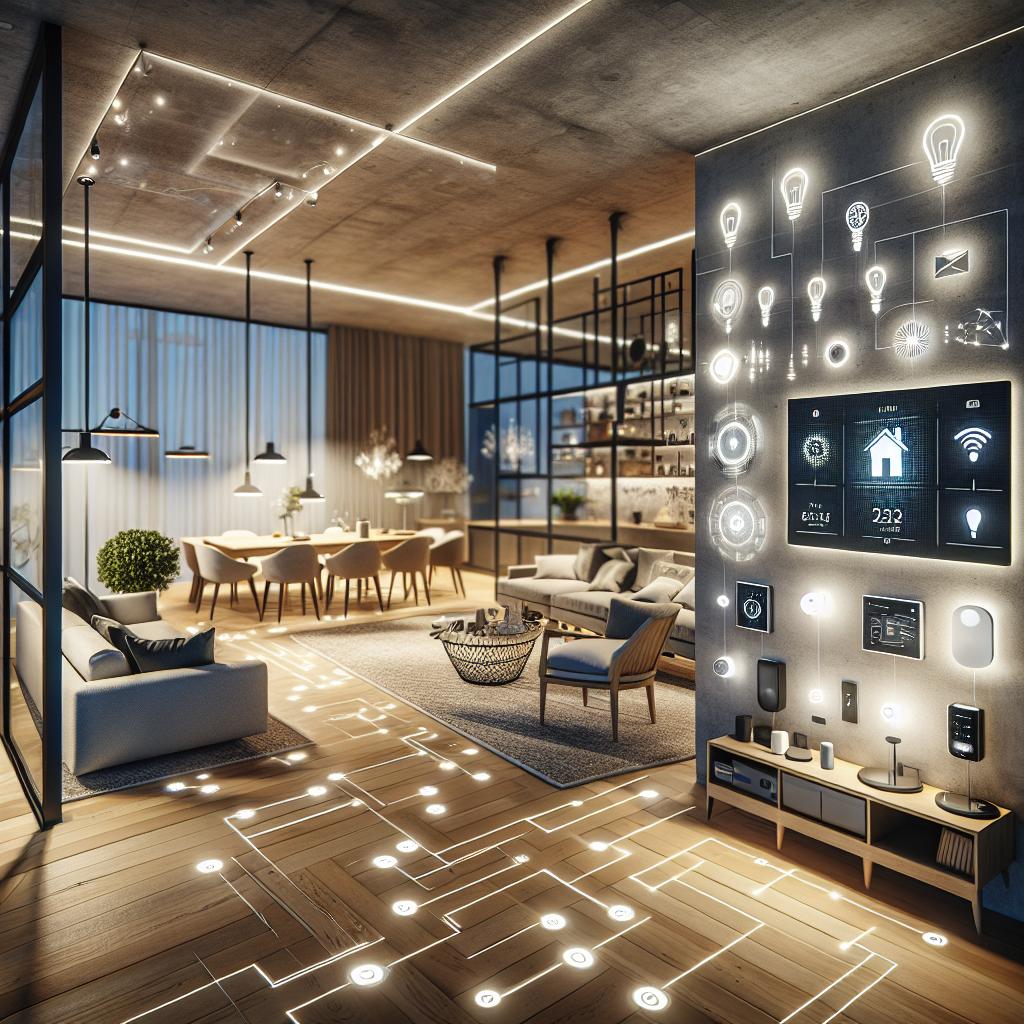
Intelligent lighting systems are advanced illumination solutions that incorporate automated controls, sensors, and network connectivity to create dynamic, adaptive lighting environments beyond traditional fixed lighting. By integrating technologies such as addressable LED controllers, motion and daylight sensors, and Internet of Things (IoT) frameworks, these systems enable energy-efficient, customizable, and remotely managed lighting tailored to residential, commercial, and industrial applications. The evolution of intelligent lighting reflects significant advancements in LED technology and smart home automation, positioning it as a core component of modern smart buildings.
These systems offer numerous benefits, including enhanced energy savings through occupancy detection and daylight harvesting, improved occupant comfort via personalized lighting scenarios, and increased security through real-time monitoring and integration with broader automation platforms. Popular implementations include smart bulbs and light strips controlled via wireless protocols like ZigBee, Bluetooth Low Energy, and emerging standards such as Matter, facilitating seamless interoperability within connected ecosystems. Additionally, intelligent lighting contributes to sustainability goals by reducing electricity consumption and associated carbon emissions.
Despite these advantages, intelligent lighting faces challenges related to cybersecurity and privacy risks, as networked lighting devices can serve as entry points for cyberattacks or unauthorized surveillance if not properly secured. Vulnerabilities in communication protocols and outdated firmware have prompted calls for stronger encryption, regular updates, and comprehensive security measures to safeguard users and infrastructure. Moreover, adoption barriers persist in residential markets due to complexity, cost, and awareness, though ongoing innovations aim to simplify installation and enhance usability.
Looking forward, the future of intelligent lighting is shaped by the integration of artificial intelligence, advanced analytics, and enhanced sensor technologies to create highly responsive and efficient lighting solutions. Efforts to improve interoperability through open protocols and increased cybersecurity will be critical as these systems become more pervasive. Together, these trends underscore intelligent lighting’s growing role in transforming how environments are illuminated, managed, and experienced.
Overview of Intelligent Lighting Systems
Intelligent lighting systems refer to lighting solutions that possess automated or mechanical capabilities beyond traditional, stationary illumination. These systems integrate advanced controls, sensors, and network connectivity to provide dynamic and adaptive lighting environments. Unlike conventional lighting, where the fixture itself is passive, the “intelligence” primarily resides in the human designers, programmers, or operators who configure and manage the lighting effects and responses.
Modern intelligent lighting incorporates various sensors capable of detecting movement, daylight, temperature, and location, either built into the fixtures or mounted externally. This sensory input, combined with low voltage control systems, allows for enhanced flexibility, adaptability, and functionality, including the ability to identify and track assets or individuals in real or near-real time. Such systems leverage addressable LED controllers and programmable interfaces to serve diverse markets and applications.
The evolution of intelligent lighting is closely tied to advancements in LED technology and the integration of Internet of Things (IoT) frameworks. LEDs provide energy-efficient and high-quality illumination, while IoT connectivity enables seamless communication among devices, facilitating automation, energy optimization, and remote monitoring. The synergy of LEDs with intelligent controls further amplifies energy savings by employing advanced occupancy and motion sensors.
Furthermore, intelligent lighting systems contribute to creating smart environments where lighting interacts with other automated building services, such as HVAC controls, to improve occupant comfort and reduce operational costs. These integrated systems utilize wireless sensor networks and centralized data servers to provide a cohesive and responsive user experience. As such, intelligent lighting is a critical component of modern smart homes and commercial buildings, driving a paradigm shift toward automated, efficient, and user-centric illumination solutions.
Types of Intelligent Lighting Systems
Intelligent lighting systems encompass a variety of technologies designed to provide automated or enhanced control over conventional lighting. These systems typically integrate LED lights with sensors, controllers, and wireless communication to create dynamic and interactive lighting environments.
One common type is addressable LED controllers, which allow precise management of individual LED units for diverse applications across residential, commercial, and entertainment markets. These controllers enable complex lighting effects and personalization through programming and networked control.
Smart bulbs, lamps, and light strips represent another widely adopted category. These devices often connect via wireless protocols and can be controlled remotely through smartphones or tablets. Features such as scheduling, dimming, and color changing are standard, enabling users to tailor their lighting to different needs and moods. Additionally, smart outdoor lighting often integrates motion detection and security system synchronization to enhance home safety.
Communication protocols play a critical role in intelligent lighting systems. Common standards include DMX, DALI, KNX, CAN, ACN, BACnet, and ZigBee, which provide robust, secure, and scalable frameworks for lighting control networks. These protocols facilitate interoperability between devices and support features such as daylight harvesting and energy optimization, contributing to cost savings and environmental benefits.
Security is an increasingly important consideration as intelligent lighting systems become more connected. Research has identified vulnerabilities in popular smart lighting products, emphasizing the need for secure design and communication practices. Advanced solutions now incorporate cybersecurity measures that allow facility managers to monitor and address potential threats before they lead to data breaches or system compromise.
Components of Intelligent Lighting Systems
Intelligent lighting systems consist of a combination of hardware and software components that work together to provide automated, efficient, and customizable illumination. The hardware typically includes LED drivers, ballasts, sensors, switches, dimmers, relay units, and gateways, which collectively enable the control and modulation of light output in response to various inputs and conditions. Mounting hardware such as wall brackets or light poles is also integral, ensuring that luminaires are positioned at optimal heights and locations.
Sensors play a crucial role in enhancing system intelligence. Passive Infrared (PIR) sensors, for example, detect motion and occupancy, allowing lights to turn on or off automatically as people enter or leave a space. This functionality supports energy conservation and convenience by implementing a “people to light up, people go light out” approach. Additionally, advanced systems incorporate motion sensors and daylight harvesting technologies that adjust lighting based on ambient light levels, further improving energy efficiency and user comfort.
The software aspect includes local, web-based, and cloud-based platforms that enable configuration, control, and monitoring of the lighting system. These platforms often provide professional services for installation and maintenance, along with user-friendly interfaces for scheduling, remote control, and automation. Remote control modules extend system management beyond physical boundaries, allowing users to adjust lighting via mobile phones, computers, or networked information feedback systems from virtually anywhere.
Communication protocols form the backbone of device interoperability within intelligent lighting systems. Common standards include DMX, DALI, KNX, CAN, ACN, BACnet, and ZigBee, each offering different network architectures and communication methods suited to various applications. ZigBee, operating on the IEEE 802.15.4 standard at 2.4 GHz, supports mesh networking that enhances reliability and coverage. Bluetooth and Bluetooth Low Energy (BLE) protocols are popular for their low power consumption and direct device-to-device communication, often used in battery-powered smart home devices such as sensors and smart bulbs. Other protocols like Z-Wave and Thread provide secure, low-power wireless communication with mesh networking capabilities, contributing to the system’s robustness and scalability.
In many modern intelligent lighting setups, wireless dimmers, switches, and keypads facilitate flexible control without the need for extensive wiring, making them ideal for new builds and remodeling projects. Integration with home automation ecosystems through protocols like Matter ensures seamless communication between devices from different manufacturers, further enhancing system flexibility and user experience.
Together, these components form an interconnected ecosystem that transforms traditional lighting into a dynamic, responsive, and energy-efficient system tailored to the needs of modern living.
Software Platforms and Control Systems
Intelligent lighting systems are increasingly integrated with advanced software platforms and control systems that enable seamless management, personalization, and automation of home lighting. These platforms provide users with intuitive interfaces and robust networking capabilities, allowing control over multiple rooms and integration with other home automation devices.
One prominent example is Control4, which offers a multi-room audio and home theater controller combined with smart lighting control. Control4 systems are designed and installed by certified professionals to ensure a reliable network and personalized experiences tailored to individual user preferences. Continuous software updates enhance functionality and support a broad range of devices, including remote controls and mobile applications.
The integration of artificial intelligence (AI) and machine learning further enhances control systems by learning individual user preferences from historical data. These systems can adjust ambient conditions automatically to optimize both comfort and energy efficiency. Sensors throughout the home collect large amounts of data, which AI models analyze to personalize lighting behavior, such as adjusting light levels and colors according to user habits.
Communication protocols play a critical role in software platforms for intelligent lighting control. Popular wireless protocols include Bluetooth and Bluetooth Low Energy (BLE), Z-Wave, Zigbee, and Thread, each with distinct features affecting power consumption, range, security, and compatibility. Bluetooth and BLE are favored for low-energy, short-range communication in battery-powered devices like smart locks, sensors, and light bulbs. Z-Wave remains dominant in residential lighting controls, offering robust security through AES-128 encryption, two-way authentication, and over-the-air updates. Zigbee, while widely used, may require additional routers or repeaters to cover larger homes due to its limited range and relies on AES-128 encryption for secure communication. Thread, operating over IPv6 and employing a mesh network topology, is gaining traction for smart lighting, thermostats, and sensors.
Modern intelligent lighting control systems also support remote monitoring and management by building managers or homeowners, often through Internet of Things (IoT) integration. This connectivity enables optimization of energy consumption and enhancement of occupant comfort and productivity, representing a significant advancement in building automation and smart home technologies.
Benefits of Intelligent Lighting Systems
Intelligent lighting systems offer numerous advantages that extend beyond traditional illumination. One of their primary benefits is enhanced energy efficiency. By utilizing advanced technologies such as LEDs combined with intelligent control mechanisms—including motion and occupancy sensors—these systems significantly reduce energy consumption compared to conventional lighting solutions. This optimization not only lowers electricity bills but also contributes to global efforts in reducing carbon dioxide emissions and mitigating environmental impact.
Another key advantage is the increased convenience and customization available to users. Intelligent lighting enables seamless control through multiple interfaces such as touchscreens, remote controls, and voice commands via popular digital assistants, allowing homeowners to easily adjust lighting ambiance, colors, and intensity to suit their preferences or activities. This flexibility enhances the overall living experience by providing tailored environments and mood settings with minimal effort.
In addition, intelligent lighting systems improve security and safety. By integrating with building automation and IoT platforms, they can track and identify the location of assets or persons in real or near-real time, supporting surveillance and emergency responses. Such systems also automate lighting schedules and adapt to occupancy patterns, deterring intruders and improving occupant safety through reliable illumination.
Furthermore, these systems provide future scalability and adaptability due to their low-voltage control architecture, which allows easy integration of additional functionalities and devices as needs evolve. This makes intelligent lighting a sustainable long-term investment for both residential and commercial applications.
While intelligent lighting brings many benefits, users should be aware of potential privacy and security concerns. Proper configuration of security settings, regular firmware updates, and disabling unnecessary features are essential practices to mitigate risks related to data privacy breaches and cybersecurity vulnerabilities. When managed correctly, intelligent lighting solutions can enhance operational efficiency, comfort, and safety without compromising security.
Installation and Integration
Ease of use has always been a defining characteristic of well-designed intelligent lighting control systems, benefiting both installers and homeowners alike. Modern systems provide greater flexibility and functionality, allowing for seamless integration into diverse environments such as residential homes, offices, and outdoor spaces. This adaptability simplifies installation and enhances the overall user experience.
The integration process typically involves automated detection and addressing of lighting devices on the network, such as ballast units, which helps streamline setup and reduce software overhead. For example, protocols exist that enable automatic identification and assignment of addresses to devices, enabling efficient management even with limited hardware resources like inexpensive microcontrollers. This approach minimizes complexity and lowers the cost of installation.
Smart lighting systems often incorporate wireless communication protocols, such as Zigbee, which supports secure data transfer through AES-128 encryption. However, Zigbee’s limited range can present challenges in large homes or spaces with physical barriers, sometimes requiring additional routers or repeaters to maintain reliable coverage, which can increase both cost and complexity. Proper planning of network layout is therefore essential during installation to ensure optimal performance.
Integration of intelligent lighting within broader home automation platforms offers enhanced convenience and energy efficiency. These systems can automate tasks such as adjusting light levels, colors, and environmental controls based on user preferences and behaviors, leveraging AI models and sensor data to optimize comfort and security. The fusion of these technologies transforms lighting from a mere utility into an essential component of modern smart homes.
Furthermore, some advanced home automation solutions incorporate multi-room audio and entertainment control alongside lighting, creating cohesive environments tailored to homeowner needs. Installation in such setups requires careful coordination to ensure interoperability between various devices and control interfaces, enhancing the overall aesthetic and functional experience.
Automation Technologies in Lighting
Intelligent lighting systems leverage a variety of automation technologies designed to enhance convenience, energy efficiency, and customization within residential environments. These technologies enable users to control and schedule lighting fixtures and appliances remotely via smartphones or tablets, as seen in product lines such as Decora switches, dimmers, and sensors. By integrating smart lighting into home automation setups, homeowners gain not only improved ambiance but also heightened security and operational efficiency.
Recent advancements in the lighting controls industry include the incorporation of analytics and artificial intelligence (AI) technologies. These tools optimize lighting performance by adapting to occupant behavior, reducing energy consumption, and providing actionable insights. Retrofitting existing lighting systems with these smart controls is becoming increasingly simple and cost-effective, making the technology accessible to a broader audience.
Automation methods commonly employed in intelligent lighting encompass motion sensors, daylight harvesting, and time-based controls. Motion sensors trigger lights based on presence, enhancing security and convenience, especially in outdoor settings where smart lights can integrate with security systems. Daylight harvesting systems adjust artificial lighting levels according to natural light availability, maximizing energy savings. Time control automates the switching of lights based on pre-set schedules with precision down to the second, allowing individualized timetables for different fixtures.
Moreover, LED technology plays a pivotal role in intelligent lighting due to its adaptability across multiple environments, including indoor, outdoor, automotive, and even medical applications. LEDs can be personalized and integrated with sensors, controllers, and wireless networks to form interactive and smart lighting solutions. Communication protocols such as DMX, DALI, KNX, BACnet, and ZigBee facilitate the interoperability and management of these lighting systems within broader home automation frameworks.
Together, these automation technologies represent a significant evolution in lighting, transforming illumination from a mere utility into an intelligent system that responds dynamically to the needs and lifestyles of modern homeowners.
Leading Brands and Market Influences
The smart lighting market is shaped by a diverse group of key players who employ a variety of strategies such as product launches, developments, partnerships, acquisitions, expansions, and collaborations to strengthen their market presence and increase their share. Prominent companies in this space include Signify Holding (Netherlands), Legrand (France), Acuity Brands, Inc. (US), Panasonic Holdings Corporation (Japan), ams-OSRAM AG (Austria), LEDVANCE GmbH (Germany), Wipro Lighting (India), and Zumtobel Group (Austria).
Among these, companies like Signify Holding and Acuity Brands stand out due to their strong brand reputations and customer-centric approaches. Their leadership is further bolstered by favorable government regulations that support the adoption of connected and smart lighting solutions. Additionally, these companies maintain solid footholds in key regional markets such as the United States and Mexico, enhancing their competitive advantage.
The continuous advancement of technology and the evolution of intelligent lighting controls demand that market players remain adaptable and innovative to succeed. Those companies that can effectively integrate control systems, design innovations, and whole-house automation are
Privacy, Security, and Risks
Smart lighting systems offer significant convenience and energy efficiency benefits, but they also introduce notable privacy and security concerns that users must be aware of. One major risk involves unauthorized access to smart lights, which can lead to invasive surveillance or the exploitation of personal information. To mitigate these risks, it is essential for smart lighting systems to incorporate robust privacy measures and strong encryption protocols to protect user data and preserve individual privacy within smart home environments.
Cybersecurity vulnerabilities are another critical challenge associated with smart lighting. Because smart lights are connected to home or building networks, they can serve as entry points for cyberattacks, potentially allowing hackers to gain unauthorized control, access sensitive data, or deploy malware. Common vulnerabilities stem from weak encryption, outdated firmware, or unsecured Wi-Fi connections. Regular software updates and the implementation of stringent security protocols are therefore vital to maintaining the integrity and security of smart lighting systems.
In commercial settings, embedding strong security features into lighting controls and network systems is increasingly important as more devices connect to building networks. Network isolation strategies are particularly critical, as they prevent vulnerabilities in operational technology (OT) networks—such as those controlling lighting systems—from compromising information technology (IT) networks. This separation helps protect the broader network infrastructure and enables quicker, more secure installation of wireless lighting systems compared to traditional wired solutions.
Users should remain vigilant and proactive in safeguarding their smart devices. Specific threats include the exploitation of protocol vulnerabilities, such as the CVE-2020-6007 flaw in the ZigBee communication protocol, which can allow attackers to remotely install malicious firmware on smart bulbs and propagate malware to other IoT devices. Attackers can manipulate smart lights to perform disruptive or even harmful actions, including erratic switching, overloading power systems, or flashing lights rapidly enough to trigger seizures in photosensitive individuals. To reduce these risks, users are advised to regularly update device firmware and applications, employ secure network practices, and stay informed about emerging threats.
Challenges and Limitations
Intelligent lighting systems, while offering numerous benefits in terms of automation and energy efficiency, face several challenges and limitations that affect their widespread adoption and effective implementation.
One significant concern is related to security vulnerabilities. As intelligent lighting increasingly integrates with smart home and commercial building ecosystems, the complexity of data flow and device interconnectivity rises, thereby expanding potential exposure to cyber threats. There have been documented cases where hackers gained access to corporate networks through compromised smart devices, often due to inadequate security measures in lighting systems. Users are advised to treat smart lighting components as computers by keeping software updated, understanding the patching process, and actively managing device security settings to mitigate risks.
In industrial environments, while proper lighting is critical for safety and productivity, challenges arise from the risk of excessive illumination, which can lead to energy waste and increased operational costs. Intelligent lighting control systems can address these issues by optimizing illumination levels, yet improper implementation may still result in inefficiencies. Moreover, the majority of current research and applications focus on office, residential, and outdoor lighting, with industrial-specific scenarios—such as those involving production or logistics facilities—being less explored.
Another limitation is user awareness and adoption rates, particularly in residential settings. Although connected lighting systems offer extended capabilities and lifestyle benefits, only a small fraction of residential lighting is currently part of user-controlled smart systems. The adoption is expected to increase as consumers become more familiar with these technologies and as simplicity in user interfaces improves. However, managing the balance between convenience and security remains a persistent challenge.
Future Trends and Innovations
The future of intelligent lighting systems is poised for significant advancements driven by the integration of emerging technologies and evolving user needs. One of the key trends is the continued development of smart LED systems combined with the Internet of Things (IoT), enabling highly functional and energy-efficient lighting solutions for residential, commercial, and public spaces through automation and optimization. These advancements aim to enhance lighting quality while reducing energy consumption, marking a shift toward more sustainable and intelligent illumination.
Artificial intelligence (AI) and advanced analytics are becoming integral to modern lighting controls. The incorporation of AI technologies allows for the optimization of lighting systems by adapting to occupant behavior, environmental conditions, and energy usage patterns. This not only improves efficiency but also provides valuable insights that can inform further innovations. Additionally, retrofitting intelligent lighting solutions has become increasingly accessible and cost-effective, facilitating widespread adoption across existing infrastructures.
Interoperability and seamless integration with other smart home devices are central to future developments. The adoption of open-source protocols like Matter enhances compatibility across various wireless communication standards such as Thread, Wi-Fi, and Ethernet. This ensures that lighting systems can effortlessly communicate with thermostats, security systems, and entertainment devices, creating a cohesive smart home ecosystem. Such integration not only offers convenience and customization but also contributes to comprehensive home automation experiences.
Moreover, intelligent lighting systems are expected to incorporate sophisticated sensors capable of detecting movement, daylight, temperature, and location. These sensors, often combined with low-voltage control mechanisms, enable adaptive lighting that responds dynamically to environmental and occupancy changes. The fusion of these technologies supports a broad range of applications, from office environments and smart homes to outdoor and industrial settings.
Security considerations are also gaining prominence as intelligent lighting becomes more connected. Research into vulnerabilities and information leakage highlights the need for robust cybersecurity measures to protect smart lighting ecosystems from potential threats. Addressing these concerns will be crucial to maintaining user trust and ensuring safe operation.
The content is provided by Sierra Knightley, Home Upgrade News