Summary
**Boost Your Property’s Value with These Simple DIY Enhancements** is a comprehensive guide aimed at homeowners seeking to increase their property’s market value through cost-effective, do-it-yourself home improvements. The article highlights how strategic, low-budget projects—such as painting, power washing, and minor cosmetic upgrades—can significantly enhance curb appeal and interior appeal, thereby maximizing return on investment (ROI) without incurring large expenses or debt. These DIY enhancements are especially relevant in competitive real estate markets, where first impressions and functional upgrades play a crucial role in attracting buyers and achieving higher sale prices.
The guide covers a broad spectrum of home improvement categories, including interior and exterior renovations, energy efficiency upgrades, and safety improvements. It emphasizes projects with high ROI potential, such as refinishing wood floors, updating kitchen cabinets with paint, and replacing garage doors, which often recover a substantial portion or even exceed the initial investment costs. Moreover, the article discusses the importance of planning, recommending homeowners use design tools and seek professional advice when necessary to avoid costly mistakes and ensure renovations align with buyer preferences and local market trends.
Safety and regulatory compliance are underscored as critical considerations for successful DIY projects. The article details key building codes and electrical standards, particularly in Australian and regional contexts, that homeowners must follow to maintain legal and structural integrity. It also addresses the challenges posed by permits, zoning laws, and specialized requirements for renovations like bathroom remodels and outdoor constructions, highlighting that adherence to these regulations protects investment value and prevents legal complications.
While DIY enhancements can substantially boost property value, the article cautions against highly personalized or poorly executed projects that may deter buyers and reduce market appeal. Instead, it advocates for neutral, broadly appealing improvements that enhance both aesthetics and functionality. By combining smart project selection, careful planning, and adherence to safety standards, homeowners can effectively increase their property’s desirability and financial worth while enjoying the satisfaction and cost savings of hands-on renovation.
Importance of Increasing Property Value
Increasing the value of a property is crucial for homeowners who plan to sell their homes, as it allows them to secure a higher sale price and maximize their return on investment. Even simple do-it-yourself improvements such as painting, re-grouting tiles, and power washing the exterior can significantly enhance a home’s appeal without requiring a large financial outlay or incurring debt. These cost-effective upgrades not only improve the visual appeal but also demonstrate to potential buyers that the property has been well maintained.
An attractive and well-kept entrance plays a particularly important role in boosting property value. A standout entryway creates a strong first impression, making the entire home more appealing to prospective buyers, which can translate into a higher market value. Given that real estate values have generally performed well in recent years, making such enhancements can be a strategic way to increase equity and leverage favorable market conditions.
Overview of DIY Enhancements
Low-cost, high-value DIY home improvement projects are an effective way to boost the appeal and value of a property. Common tasks such as painting, updating fixtures, and deep-cleaning the exterior can significantly enhance curb appeal, which is crucial when selling a home. These relatively small updates not only make a home more attractive but can also modestly increase its market value.
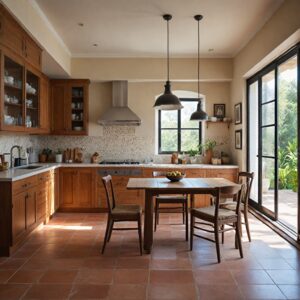
Among the most impactful DIY projects are interior paint jobs and cosmetic updates, particularly in the kitchen. For example, painting kitchen cabinets can be a cost-effective upgrade, typically requiring only $50 to $100 per gallon of paint plus personal labor. Such an improvement can potentially raise a home’s sale price by thousands of dollars, offering a high return on investment. Similarly, targeted upgrades in bathrooms and other interior spaces also contribute to overall value with minimal expense and effort.
While DIY projects offer satisfaction and savings, professional expertise can be invaluable. Real estate professionals often recommend consulting with interior designers or licensed contractors to avoid costly mistakes and ensure upgrades align with market preferences. Expert guidance helps manage expectations and can prevent budget overruns or poorly executed renovations that might detract from a home’s value.
It is important to note that not all DIY projects guarantee an increase in resale value. Highly personalized improvements tailored to an owner’s specific tastes may actually reduce a home’s appeal to potential buyers. The more customized the project is to individual preferences, the less likely it will positively influence resale value. Therefore, homeowners should focus on neutral, widely appealing enhancements that improve the property’s marketability.
Planning Your DIY Projects
Before embarking on any DIY home improvement project, it is essential to ensure that the planned changes align with the overall aesthetic of your house. Utilizing home design software can help visualize how new additions will fit with your existing décor and structure, preventing costly mistakes later on. Careful planning also involves considering the potential return on investment (ROI) of the project, especially in a competitive real estate market like that expected in 2025.
While tackling projects yourself can be rewarding and cost-effective, expert guidance from interior designers or licensed contractors is often invaluable. Professionals can identify hidden issues that may escalate expenses if overlooked and offer style consultations to keep upgrades cohesive and appealing. Their insight can save you both time and money, making the renovation process smoother.
It is also important to prioritize projects that provide significant value to your property. According to Remodeling magazine’s 2024 report, certain renovations consistently offer a strong ROI, such as updating garage doors or making outdoor improvements, which not only boost curb appeal but can also enhance your enjoyment of the home while waiting to sell. Balancing aesthetic appeal with financial sense should be at the heart of your DIY project planning.
Ultimately, successful planning combines a clear vision of design, realistic budgeting, and strategic choices about which upgrades will maximize your home’s value. Whether you opt for full DIY execution or supplement with professional advice, thorough preparation is key to making your property improvement efforts worthwhile.
Interior Enhancements
Interior enhancements play a crucial role in increasing a home’s value by improving both aesthetics and functionality. Simple updates such as painting cabinets instead of replacing them can significantly enhance the kitchen’s appearance at a fraction of the cost, making the space feel fresh and modern. Similarly, refinishing wood floors is among the highest return on investment (ROI) projects, with homeowners able to recoup approximately 147% of the renovation costs.
Lighting upgrades inside the home are often overlooked but can dramatically transform the atmosphere. Modern, well-placed fixtures not only illuminate rooms effectively but also highlight architectural features and improve the overall style. In 2025, trends emphasize unique lighting designs, warm tones, and flexible solutions adaptable to multiple room functions. Additionally, updating interior paint and performing cosmetic improvements such as re-grouting tiles can be accomplished with minimal expense and effort, yet yield substantial gains in home value.
Bathroom remodels also tend to offer a high ROI by attracting potential buyers willing to pay a premium for updated, functional spaces. However, it is essential to comply with local regulations such as the Building Code of Australia, which mandates specific waterproofing and ventilation standards during renovations to ensure durability and safety. While high-end or overly personalized renovations may deter future buyers and reduce property value, balanced and tasteful updates can make a property more appealing without alienating prospective purchasers.
Ultimately, intelligent remodeling decisions that focus on enhancements with measurable value returns—such as kitchen and bathroom updates, refinished floors, fresh paint, and modern lighting—can enrich the living experience while boosting the home’s marketability. These improvements not only increase resale value but also provide immediate enjoyment to homeowners during their stay.
Exterior Enhancements
Improving your home’s exterior is one of the most effective ways to boost curb appeal, enhance security, and increase property value. Simple updates such as refreshing outside light fixtures, adding solar path lights, or switching to smart outdoor lighting can elevate both the appearance and safety of your home without requiring extensive effort or expense. Modern lighting not only illuminates but also highlights architectural features, setting a warm and inviting ambiance that appeals to buyers and homeowners alike.
A fresh coat of paint or replacing siding can dramatically transform the facade, making a strong first impression that is crucial in attracting potential buyers. While this upgrade may involve higher costs, it ranks among the best investments for ensuring your home stands out on the market. Power washing the exterior surfaces, including siding, decks, and concrete, is an inexpensive way to brighten the home’s appearance and can add thousands to its value.
Landscaping improvements, such as patching bare spots with fresh sod, trimming trees and shrubs, or installing landscape lighting, offer substantial return on investment by enhancing the overall look and feel of your yard. Low-voltage lighting systems are beginner-friendly projects that not only beautify but also increase safety by improving visibility around decks and pathways.
Additional exterior projects like building a deck or patio create inviting outdoor living spaces perfect for socializing or relaxing, thereby increasing usable square footage and home desirability. However, these improvements must comply with local building codes and regulations to ensure safety and legality. Features such as porch railings, when properly maintained or upgraded with quality materials, further improve curb appeal by complementing the home’s architectural style.
For homeowners seeking to add unique and practical value, constructing an accessory dwelling unit (ADU) can provide extra living space or rental income, making the property more appealing in competitive markets. Energy-efficient upgrades and adding functional structures like garages also contribute positively to property value by offering long-term utility savings and enhanced convenience.
Energy Efficiency Improvements
Energy efficiency is a crucial factor that significantly enhances a property’s market appeal and value. Homebuyers increasingly prioritize energy-efficient features due to their potential for reducing future utility costs and minimizing environmental impact. One of the most effective yet often overlooked renovations is upgrading insulation, which can substantially improve a home’s thermal performance and energy savings.
In addition to insulation, installing energy-efficient fixtures and appliances further contributes to a property’s desirability. These improvements may include LED lighting, energy-saving windows, and efficient heating and cooling systems. Incorporating such features not only attracts buyers but can also improve loan performance and resale value.
Another popular energy efficiency enhancement is the installation of solar panels, which, while subject to local permitting and building codes, can offer long-term savings and environmental benefits. For example, in regions like Arizona, solar panel installation requires compliance with specific regulations to ensure safety and adherence to standards.
Together, these energy efficiency improvements create a compelling selling point by reducing utility expenses and promoting sustainable living, ultimately increasing the overall value of the property.
Safety and Security Enhancements
Ensuring safety and security is a fundamental aspect of any home improvement project, especially when undertaking DIY electrical work or exterior upgrades. Adhering to established standards and regulations not only protects the inhabitants but also adds value to the property.
When performing electrical installations, it is crucial to comply with the Australian electrical standards, which are designed to uphold safety for both homeowners and electricians. These standards, developed by a dedicated committee, cover various components such as circuit breakers, wiring, and other typical electronic devices. Among these, AS/NZS 3000 (Wiring Rules) and AS/NZS 3008 are the most relevant for residential projects, dictating stringent safety regulations for wiring and electrical setup. Following these guidelines minimizes risks and ensures installations meet legal and safety requirements.
For outdoor improvements like decks or patios, local regulations—such as those in Arizona—must be followed to maintain safety and code compliance. This includes guidelines related to structural integrity and electrical safety for outdoor lighting systems. Incorporating low-voltage landscape lighting is a popular and accessible DIY option that enhances both safety and aesthetics. These systems are generally safer than standard household wiring because they operate on transformers plugged into GFCI receptacles, reducing the risk of electrical hazards while increasing nighttime visibility around the property.
Updating exterior lighting can further improve home security and curb appeal without excessive expense or complexity. Options range from installing solar path lights to upgrading to smart outdoor fixtures or simply refreshing existing ones with a new finish. Such improvements add charm and functionality, contributing to an enhanced sense of safety.
Lastly, investing in durable and secure entryways significantly boosts a home’s security and value. Replacing an outdated garage door, for instance, can yield a return on investment exceeding 100%, while installing a modern steel front door with glass panels not only improves first impressions but also offers substantial security benefits. Although front door replacements can be costly, typically ranging from $2,000 to $3,000 or more depending on installation choices, the long-term payoff in safety and property value is considerable.
Cost-Effective DIY Projects with High ROI
Homeowners looking to increase their property’s value without significant expense or professional help can focus on several cost-effective DIY projects that yield high returns on investment (ROI). Among these, bathroom renovations stand out, offering approximately a 73% ROI, making them one of the most valuable areas to upgrade. Similarly, refinishing wood floors can recoup up to 147% of the costs, making it the renovation project with the highest potential ROI.
Painting is another highly effective and affordable DIY enhancement. Refreshing kitchen cabinets with a new coat of paint, which typically costs between $50 and $100 per gallon, can substantially improve the overall appeal and sale price of a home. Likewise, applying a fresh layer of paint to the exterior or power washing surfaces such as aluminum, wood, or vinyl siding, decks, and concrete sidewalks can dramatically boost curb appeal. Power washing alone may increase a home’s value by as much as $15,000.
Other valuable projects include installing manufactured stone veneer, which adds a modern look at a reasonable price whether done independently or hired out. Small kitchen updates, like cabinet refacing or installing new doors, drawers, and hardware, can also enhance the kitchen’s visual appeal without the expense of complete replacement. For exterior improvements, replacing an outdated garage door offers a 102% ROI, while installing a new steel front door with glass can yield a 100% ROI, despite the higher upfront cost of $2,000 to $3,000 or more.
Even simple maintenance tasks like cleaning kitchen appliances—running a hot water cycle with white vinegar in dishwashers and wiping down seals—can contribute to a fresher, more appealing home environment. Overall, these small-scale, manageable projects not only improve a home’s aesthetics but also provide meaningful financial returns, making them ideal choices for budget-conscious homeowners aiming to boost their property’s market value.
Regional and Climate Considerations for DIY Enhancements
When undertaking DIY home improvement projects, it is essential to consider regional and climate-specific factors to maximize both the value and longevity of your enhancements. Different climates and local regulations can significantly influence the types of materials used, design choices, and compliance requirements.
In regions like Arizona, for example, energy efficiency standards play a crucial role in DIY renovations. Homeowners must ensure their projects comply with state regulations aimed at reducing energy consumption and utility costs. This includes selecting appropriate insulation, windows, and lighting that align with Arizona’s specific energy codes. Additionally, properties located within historic districts are subject to stringent rules to preserve the area’s architectural character, which can impact the scope and methods of permitted renovations.
Climate considerations also affect the choice of outdoor enhancements. In warmer climates, low-voltage landscape lighting is not only an aesthetic upgrade but also enhances safety by improving visibility around decks and pathways during the night. Such systems are relatively simple to install for beginners and are safer than standard household wiring because they operate through a transformer connected to a GFCI outlet. This makes them a practical option for DIYers looking to boost curb appeal while accommodating regional climate conditions.
Key Safety and Building Standards
When undertaking DIY home improvement projects, it is essential to comply with relevant safety and building standards to ensure the work is safe, legal, and adds value to the property. In Australia, these standards are particularly stringent and cover various aspects of construction, electrical work, and plumbing.
Electrical Standards
Electrical installations must adhere to the AS/NZS electrical standards, which are developed by committees focused on electronic safety. Key standards include AS/NZS 3000 (Wiring Rules) and AS/NZS 3008,
Impact of DIY Enhancements on Property Value
Do-it-yourself (DIY) home improvement projects can significantly impact a property’s value, especially when focused on low-cost, high-return enhancements. Simple tasks such as painting, re-grouting tile, and power washing the exterior of a home require minimal investment but can substantially boost curb appeal and modestly increase the home’s market value. These projects leverage sweat equity and a hands-on attitude to enhance a property’s attractiveness to potential buyers without incurring large expenses.
While DIY projects offer affordability and satisfaction, the involvement of real estate professionals or contractors can help optimize value gains by identifying potential issues and ensuring quality workmanship. Expert guidance, whether from interior designers or licensed contractors, often results in smoother project execution and a better return on investment (ROI).
Data from the 2023 Cost vs. Value report highlights that certain home improvements retain more value than others, emphasizing the importance of selecting projects wisely to maximize resale potential. For example, exterior renovations tend to yield higher cost recovery rates, making them particularly beneficial when preparing a property for sale. Moreover, home appraisals consider renovations when estimating value, which can translate into increased equity and improved financing options such as home equity loans or lines of credit.
It is important to understand that ROI in home improvement is not the same as financial investment ROI. The return is often reflected as an increase in a home’s market value rather than direct profit. For instance, spending $20,000 on new windows may increase the home’s value by approximately $13,766, which means the property’s price potential rises but does not double the initial cost. Consulting with a local real estate agent before undertaking renovations can provide crucial insights into buyer preferences and market trends, ensuring that chosen improvements align with what adds the most value in a specific area.
Tips for Successful DIY Projects
When embarking on DIY home improvement projects to boost your property’s value, it is essential to ensure that any changes align with the overall aesthetic of your house. Utilizing home design software can assist in visualizing how new additions will integrate with your existing style, helping avoid costly mistakes.
Starting with small, low-cost projects such as painting, updating fixtures, or deep-cleaning the exterior can significantly enhance curb appeal and increase your home’s market competitiveness. For instance, repainting kitchen cabinets is an affordable upgrade—costing roughly $50 to $100 per gallon plus labor—that can yield a substantial return by making the kitchen more appealing to buyers.
Some projects, like installing a manufactured stone veneer, offer a modern look without breaking the bank and remain popular for their value and aesthetic benefits whether undertaken as DIY or by professionals. However, regardless of the project, it’s critical to understand which renovations provide a high return on investment (ROI). Resources such as Remodeling Magazine’s annual reports can guide homeowners in selecting upgrades that recoup the greatest percentage of costs at resale.
Consulting experts can also improve your project’s success. Engaging with interior designers or licensed contractors—even if only for consultation—can help identify potential issues before they escalate, saving time and money in the long run. Additionally, your real estate agent’s advice can be invaluable when preparing your home for sale, offering tailored guidance based on local market trends and buyer preferences.
Ultimately, smart remodeling decisions focus on making genuine, measurable improvements that enhance your home’s value without overspending. Whether you choose to DIY or hire professionals, prioritizing projects with proven impact and seeking expert input will maximize your investment’s effectiveness.
Potential Challenges and How to Overcome Them
When undertaking DIY enhancements to boost your property’s value, homeowners may face several challenges, particularly regarding regulations, safety, and making cost-effective decisions. Understanding these potential obstacles and how to address them can ensure a successful renovation process.
One of the primary challenges involves navigating building permits and local regulations. Permit requirements vary by state, but in most cases, at least one permit is necessary when performing renovations. To avoid legal issues and ensure compliance, homeowners should check local regulations before beginning any work. Experts recommend erring on the side of caution by applying for the appropriate permits and waiting for approval prior to engaging tradesmen or commencing construction. For example, in Arizona, specific guidelines and safety standards must be met when building backyard decks or patios to comply with local building codes.
Safety regulations, especially for electrical work, pose another significant challenge. Whether undertaking a minor electrical project or major rewiring, adherence to established safety standards is crucial to prevent hazards. In Australia, for instance, the AS/NZS 3000 (Wiring Rules) and AS/NZS 3008 standards govern the safe installation of wiring and electrical equipment, providing essential guidelines for both homeowners and electricians. Following such standards helps maintain safety and avoid costly mistakes.
Another common challenge is identifying which remodeling projects offer the best return on investment (ROI). Making intelligent remodeling decisions is key; homeowners should prioritize improvements that add genuine, measurable value to their property rather than investing indiscriminately. Adding functionality—such as enhancing backyard usability for entertaining, play, or exercise—can significantly boost home value while improving day-to-day living. Additionally, understanding the average cost recovery for various home improvements can guide investment choices effectively.
By proactively addressing regulatory requirements, adhering to safety standards, and focusing on high-ROI projects, homeowners can overcome common challenges and maximize the benefits of their DIY enhancements. This approach not only improves marketability but also enriches the overall living experience, making the investment worthwhile in the long term.
The content is provided by Avery Redwood, Home Upgrade News