
Summary
Unlock Your Space: The Definitive Guide to Powerful Heavy-Duty Storage Solutions provides a comprehensive overview of industrial-grade storage systems designed to maximize space utilization, improve operational efficiency, and ensure safety in environments handling large, heavy, or bulky items. Heavy-duty storage solutions encompass a variety of robust shelving and racking options—such as heavy-duty and multi-tier racking, mobile shelving systems, and modular storage units—primarily constructed from durable materials like steel to withstand substantial loads and demanding workplace conditions.
These storage systems are integral to sectors including warehousing, manufacturing, logistics, and retail, enabling businesses to optimize vertical space, streamline inventory management, and enhance worker safety through ergonomic design principles. Innovations in modularity, material technology, and automation have further expanded the capabilities of heavy-duty storage, offering scalable, customizable solutions that adapt to evolving operational needs and support the rising demands of e-commerce and urbanized industrial environments.
Safety and regulatory compliance are critical considerations in the deployment of heavy-duty storage systems. Proper structural design, adherence to load capacity standards, and clear labeling ensure the stability and longevity of storage installations while minimizing risks to personnel and stored goods. Despite these advances, challenges persist, including the need for ergonomic workplace design, flexible storage adaptability, and comprehensive security measures to protect valuable inventory.
This guide also highlights prominent industry brands and products, cost considerations, and best practices for installation and maintenance, providing a well-rounded resource for organizations seeking to unlock their spatial potential through powerful, efficient, and safe heavy-duty storage solutions.
Overview of Heavy-Duty Storage Solutions
Heavy-duty storage solutions are essential for businesses that handle large, bulky, or heavy items, offering efficient ways to maximize space and improve operational workflows. These systems are designed to provide robust, durable, and safe storage options in industrial, manufacturing, and warehouse settings.
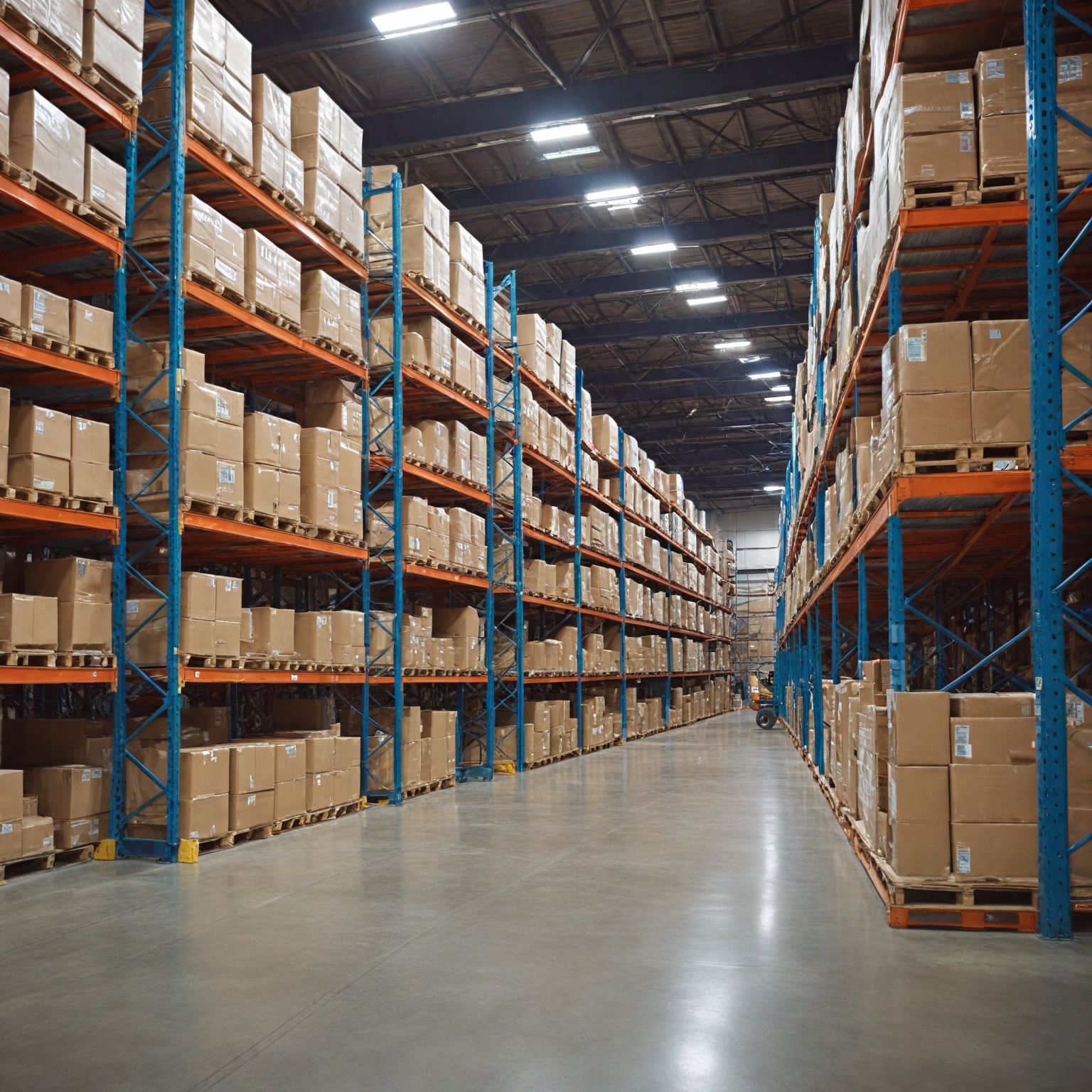
One of the most popular heavy-duty storage methods is heavy-duty racking, which utilizes vertical space to free up valuable floor area by stacking items on multiple levels. This approach is highly beneficial for facilities aiming to enhance storage capacity without the need for physical expansion, as it optimizes all available vertical space and supports the use of forklifts for efficient picking and storing operations. Multi-tier racking, also known as mezzanine racking, further increases storage density by creating several floors of racks integrated with mechanical or manual loading systems, thereby improving picking efficiency and workflow.
Material handling equipment, including forklifts, pallet jacks, and conveyor systems, often complements heavy-duty storage by facilitating the safe movement and control of materials. Ergonomic design features in these tools are crucial to reduce the risk of musculoskeletal disorders among workers handling heavy or awkward loads. Additionally, specialized systems like pallet positioners and pallet flow solutions help streamline loading, unloading, and retrieval processes, enhancing both safety and productivity.
Heavy-duty storage structures are commonly constructed from high-strength materials such as steel, chosen for its excellent strength-to-weight ratio and durability under heavy loads. The structural design—including the arrangement of columns, beams, and shelves—is critical to evenly distribute weight and ensure system stability. Industrial metal shelving, typically made from steel, is another key solution, valued for its resilience and ability to withstand wear and tear in demanding environments.
Beyond static shelving and racking, mobile racking systems offer dynamic storage options by mounting shelves or racks on carriages that move along rails. This technology eliminates fixed aisles, increases storage density, and makes inventory more accessible, especially in space-constrained facilities. Other configurations, such as cages, wire partitions, and lockers—often made from expanded metal or stainless steel—address specific needs for security, sanitation, or corrosion resistance in various industrial contexts.
Materials and Construction
Heavy-duty storage solutions rely heavily on the selection of appropriate materials and thoughtful construction design to ensure durability, safety, and efficiency. One of the most critical considerations is the material used for structural components. Steel is commonly chosen for its high strength, durability, and excellent strength-to-weight ratio, making it ideal for heavy-duty applications that require robust load-bearing capacity. Timber, on the other hand, may be utilized for lighter loads but is generally less favored in industrial settings due to its lower strength and susceptibility to wear.
The design and configuration of storage structures also play a vital role in their performance. Efficient load distribution is achieved through optimized arrangements of load-bearing elements such as columns, beams, and walls. Techniques like truss systems, arches, and reinforced concrete frames help to transfer and distribute weight evenly across the structure, minimizing stress concentrations and enhancing stability. Additionally, the integration of steel parts to join double-sided racks can improve cross-aisle stability, ensuring the storage system remains secure under heavy loads.
Industrial metal shelving exemplifies these principles by providing sturdy and durable storage solutions that can withstand significant weight and resist wear and tear in demanding warehouse and factory environments. Safety considerations, such as adhering to maximum safe load limits for materials stored on floors and shelves, are paramount to prevent structural failure and accidents.
Beyond materials and design, modularity and versatility are also key attributes in construction. Modular dividers, cabinets, shelves, bins, drawers, and perforated panels offer flexible and systematic organization tailored to various industrial workspaces. Such modular systems not only optimize space utilization but can also incorporate ergonomic considerations to reduce the risk of musculoskeletal disorders among workers handling heavy or awkward materials.
Structural Design Principles
Structural design is a critical factor in the development of heavy-duty storage solutions, as it directly influences the load-bearing capacity, stability, and safety of the system. The design process involves careful consideration of the materials used, the arrangement of structural elements, and load distribution techniques to ensure the integrity and longevity of the storage system.
A key aspect of structural design is selecting appropriate materials based on their strength and durability. For example, steel is often favored for heavy-duty structures due to its high strength-to-weight ratio and robustness, making it suitable for supporting substantial loads. In contrast, timber may be selected for lighter applications where heavy load capacity is not as critical. Additionally, metal pallets are recognized for their excellent strength and stability, especially in harsh environments requiring long-lasting performance.
The configuration and shape of the structural components play an essential role in load distribution. Techniques such as truss systems, arches, and reinforced concrete frames help transfer and evenly distribute loads throughout the structure, preventing overloading of individual members. Within storage racks, uprights and beams are commonly constructed from structural or roll-formed steel to provide the necessary durability and load capacity. The use of tubular profiles with specially shaped ends, for instance, enhances down-aisle stability in rack systems, contributing to overall safety.
Load distribution must also be managed carefully to maintain stability and prevent localized stress points. Pallets and rack systems should be designed to distribute weight evenly, avoiding overloading specific areas which could compromise the structure. This includes specifying average and maximum load capacities for racks and ensuring these limits are adhered to rigorously by warehouse personnel.
Beyond the static design elements, effective structural design integrates safety features to prevent accidents and structural failures. These include clearly displayed load capacity labels, maintaining up-to-date rack configuration drawings, and incorporating braces or supports to enhance stability under load conditions. By prioritizing these principles, storage solutions can achieve optimal performance, safety, and compliance with industry standards.
Load Capacity Standards and Determination
Heavy-duty storage solutions, such as the M7 heavy duty racks, are designed to support significant weights, with load capacities varying based on their specific configuration including beam and shelf types. These racks can support loads exceeding 1,000 kg per level and are available in various sizes to accommodate diverse storage needs, ranging from heights of 1,000 to 3,000 mm, lengths from 1,000 to 2,700 mm, and depths between 400 and 1,200 mm, extendable through additional supports or double frames. Similarly, other storage systems like Spacesaver’s Powered High-Density Mobile Storage can handle load capacities between 3,000 and 30,000 pounds per carriage, making them suitable for storing large or heavy items efficiently without requiring facility expansion.
Determining and maintaining load capacities involves careful structural design and material selection. Steel is commonly used for heavy-duty racks due to its high strength-to-weight ratio, ensuring robust and durable support structures. The arrangement of load-bearing elements such as columns, beams, and walls must be strategically planned to evenly distribute loads and ensure safety and longevity of the storage system. Structural engineers also consider various types of loads, including dead loads (the weight of the structure and permanent fixtures) and live loads, to properly size and design the components and supporting systems.
Compliance with safety standards is critical when establishing load capacity limits for heavy-duty storage systems. Maintaining accurate and up-to-date Load Application and Rack Configuration (LARC) drawings is essential for documenting rack configurations and verifying adherence to Occupational Safety and Health Administration (OSHA) regulations. These records enable ongoing evaluation of storage systems to prevent structural failures and promote workplace safety. OSHA mandates that load capacity labels be prominently displayed on storage racks, reinforcing the importance of clear communication of weight limits to all operators.
By integrating robust design principles, material strength, precise documentation, and adherence to regulatory standards, heavy-duty storage solutions can reliably support substantial loads while ensuring the safety of both stored goods and personnel.
Benefits of Heavy-Duty Storage Solutions
Heavy-duty storage solutions offer numerous advantages for facilities handling bulky and heavy items, making them essential for optimizing space and improving operational efficiency. One of the primary benefits is better space utilization. By employing heavy-duty racking and vertical storage systems, warehouses can free up valuable floor space and take advantage of the full height of their facilities, allowing for increased storage capacity without expanding the footprint of the building. Multi-tier storage systems further enhance this by creating multiple floors of racks, enabling more efficient use of vertical space and improving picking operations through integrated mechanical devices and manual-loading aisles.
In addition to maximizing space, these storage solutions improve accessibility and workflow efficiency. Well-organized layouts facilitate faster picking and replenishment processes, reducing the time workers spend searching for items and thus enhancing productivity. Incorporating ergonomic principles into storage design also contributes to worker safety and comfort. By positioning heavy or large items within the “golden zone”—the area between waist and shoulder height—facilities can minimize the risk of injury and optimize material handling.
Heavy-duty storage systems also offer improved safety features. For example, some racks include built-in stability enhancements and other safety mechanisms that protect both operators and stored goods from accidents. Automated storage solutions further contribute to safety by reducing the need for physical handling of heavy items, thereby lowering the incidence of workplace injuries related to lifting or working in confined spaces.
Moreover, modular and functional storage solutions designed for industrial and healthcare environments provide additional benefits such as ease of sanitation and adaptability. These features are particularly valuable for settings like research laboratories and hospitals, where cleanliness and flexibility are critical. Specialized storage options, such as secure lockers, protect valuable equipment and materials, adding an extra layer of security.
Applications and Use Cases
Heavy-duty storage solutions play a critical role across various industries, particularly in warehousing, manufacturing, retail, and logistics. These systems are designed to maximize space utilization, improve inventory accessibility, and enhance operational efficiency.
In large warehouses and industrial settings, pallet racking systems are often the centerpiece of storage operations, supporting the storage of goods on pallets made of wood, metal, or plastic. Key considerations for pallet racking include ease of access, load capacity, stability, and space optimization. Mobile shelving systems mounted on carriage and rail mechanisms eliminate fixed aisles, enabling high-density storage and improving productivity even in space-constrained environments. These can be manual or mechanized and often include locking systems to secure inventory.
Retail and e-commerce businesses benefit significantly from high-density mobile shelving solutions, which enable faster order fulfillment and better inventory management. These systems help meet increasing customer demands and optimize space within fulfillment centers. Manufacturing and industrial warehouses, which store raw materials, components, and finished goods, require robust and durable shelving systems capable of handling heavy loads and diverse materials.
Beyond industrial use, storage solutions also extend to specialized applications such as vehicle storage, including recreational vehicles (RVs), classic cars, and everyday automobiles, where protection from the elements and security are paramount. Modular and smart tool storage systems, often integrated with IoT-enabled security features, are increasingly popular for their flexibility and technological advantages.
Efficient storage solutions contribute to reducing labor costs, which can represent 60-80% of warehousing expenses. Implementing dynamic storage options such as carton flow and pallet flow systems helps manage labor more effectively and streamline warehouse operations. Additionally, optimized warehouse layouts that integrate heavy-duty storage systems support faster shipping, better space utilization, and safer working conditions by reducing bottlenecks and improving navigation.
With urbanization and the growth of e-commerce, there is a rising demand for space-efficient and scalable storage solutions in congested metropolitan areas and fulfillment centers. These market dynamics drive investment in modular, high-density, and technologically advanced storage products to meet evolving operational requirements.
Customization and Ergonomic Design
Customization plays a crucial role in creating effective heavy-duty storage solutions tailored to specific operational needs. Modular storage systems, composed of various components such as racks, bins, cabinets, and drawers, enable businesses to assemble and reconfigure storage layouts as required, providing flexibility and scalability. This adaptability is particularly valuable in dynamic environments like e-commerce warehouses, where inventory demands frequently change. Custom shelving can also be designed to accommodate different load capacities and environmental conditions, such as rust-resistant finishes for food storage or robust steel for heavy items, ensuring durability and longevity.
Ergonomic design principles significantly enhance worker safety, comfort, and productivity within storage environments. Incorporating adjustable features—such as motorized material handling equipment and adjustable-height storage units—allows users of varying statures and abilities, including those using wheelchairs, to access materials safely and efficiently. For example, scissor lift tables elevate heavy pallets to convenient heights, minimizing strain by eliminating the need for repeated manual lifting and reducing physical exertion during material handling. Additionally, positioning heavy or frequently used items within the “golden zone”—between waist and shoulder height—helps prevent awkward bending, reaching, or lifting motions that could lead to injury.
Designing storage with ergonomics in mind also involves optimizing warehouse layouts to enhance movement and retrieval of goods while prioritizing worker safety. This includes careful consideration of shelving types, aisle spacing, and the integration of automated systems to streamline operations. Ergonomic storage solutions often incorporate anti-fatigue flooring and intuitive user interfaces to reduce worker fatigue and improve ease of use. By combining customization with ergonomic design, facilities can maintain efficient workflows that adapt to evolving operational needs without compromising the health and well-being of their workforce.
Innovations and Trends
The heavy-duty storage solutions market is undergoing significant transformation driven by technological advancements and evolving operational needs. One of the most notable innovations is the rise of modular storage systems, which provide highly customizable, scalable, and reconfigurable options. These systems consist of components such as racks, bins, cabinets, and drawers that can be assembled or modified according to specific requirements, offering enhanced flexibility and ease of installation. This adaptability allows businesses to quickly respond to changing inventory demands and optimize warehouse space efficiently, making modular solutions especially attractive in the expanding e-commerce and retail sectors.
Advancements in materials have also contributed to the evolution of heavy-duty storage. The introduction of lightweight yet durable metals and eco-friendly
Installation and Maintenance
Effective installation and maintenance are critical components of any heavy-duty storage solution, ensuring both safety and longevity of the system. It is often recommended to engage professional companies that can manage the entire process—from designing and installing bespoke mezzanine systems to advising on how best to utilize additional space and integrating necessary features such as suspended ceilings, integrated lighting, lift systems, and fire safety appliances. Such expert involvement guarantees that the unique requirements of the stored materials, including their weight and fragility, are carefully considered to optimize functionality and safety.
Maintenance plays a vital role in preserving the stability and performance of storage equipment. For example, heavy-duty racks like the M7 series incorporate numerous safety features designed to prevent accidents affecting operators and stored goods. Regular preventive maintenance, training, and software consulting services can further enhance operational efficiency and reduce downtime. Additionally, companies with extensive experience in warehouse planning, fit-outs, and expansions can assist with flooring installations, racking repurposing, and ongoing support to adapt to evolving storage needs.
The integration of ergonomic and adjustable equipment during installation also contributes to worker safety and efficiency. Prioritizing features such as adjustable controls, anti-fatigue flooring, and intuitive user interfaces can minimize physical exertion and improve overall well-being in commercial and industrial environments. Moreover, local teams of storage experts, designers, and installers with decades of experience provide personalized assistance to help customers make the most of their space and ensure proper system upkeep.
To protect valuable equipment and stored items, specialized solutions like VUE™ Locker storage are available, providing enhanced security alongside optimized space utilization. Ultimately, professional installation combined with ongoing maintenance and tailored configurations supports safe, efficient, and adaptable storage environments.
Popular Brands and Products
Several leading brands dominate the heavy-duty storage solutions market, each offering innovative and specialized products tailored to various industrial and commercial needs. Stanley Black & Decker is well-known for its DEWALT ToughSystem and TSTAK modular storage lines, which are designed for durability and versatility in demanding environments. Similarly, Snap-on Incorporated provides premium-quality tool chests aimed at automotive and industrial applications, emphasizing robust construction and secure organization. Milwaukee Tool contributes with its Packout storage solutions, featuring heavy-duty organizers that focus on modularity and ease of transport.
Another notable manufacturer, Modula, offers products made in the USA and distributed through a network of dealers across North America. Their solutions prioritize innovation and are tailored to meet specific customer requirements, enhancing efficiency in storage management. In addition, Treston provides storage systems widely used in research laboratories, medical device manufacturing, and hospitals. Their shelves and cabinets are designed for ease of sanitization, which has become particularly important during the COVID-19 pandemic, alongside their focus on ergonomics and adaptability for industrial environments.
These brands collectively address the increasing demand for space-efficient, durable, and customizable storage options driven by factors such as urbanization, the rise of e-commerce, and the need for smart warehouse layouts.
Cost and Budget Considerations
Investing in heavy-duty storage solutions may initially appear costly; however, these expenses are often quickly offset by significant gains in workplace efficiency and productivity. Effective storage systems maximise space utilization, reduce labor costs, and shorten turnaround times and order fulfillment rates, all of which contribute to increased profitability and enhanced customer satisfaction. Labor expenses represent a substantial portion of warehousing costs, typically accounting for 60-80%. Therefore, implementing dynamic storage solutions such as carton flow, dynamic industrial shelving, and pallet flow systems plays a critical role in managing and lowering these labor-related expenditures.
Furthermore, strategic warehouse design and layout enhancements, including the integration of lifts to minimize manual handling, have proven to improve operational efficiency substantially. These improvements help companies achieve long-term cost savings while transforming supply chain and distribution networks. Additionally, modular storage systems are gaining traction due to growing urbanization and the rise of e-commerce, both of which increase demand for space-efficient and scalable storage options. Government investments in infrastructure projects further stimulate the adoption of flexible storage solutions, underscoring their importance in contemporary industrial environments.
For storage operators aiming to optimise occupancy and budget performance, adopting cost-efficient strategies such as referral programs and building strong local brand recognition can also be highly effective in competing with larger brands. Overall, a well-planned investment in heavy-duty storage infrastructure is not only financially viable but also essential for maintaining competitiveness and operational excellence in modern warehousing contexts.
Challenges and Limitations
Heavy-duty storage solutions face several common challenges that can impact efficiency, safety, and adaptability. One major issue is poor workstation design, which often forces workers into excessive bending and lifting, leading to awkward and repetitive movements that can increase the risk of injury. Similarly, unoptimized shelving or racking frequently requires reaching into deep storage areas, making picking operations inefficient and unsafe. Additionally, long travel paths within facilities cause workers to waste valuable time walking between scattered inventory locations. These challenges are often exacerbated by rigid storage systems that cannot easily adapt to changes in SKU variety, new product introductions, or fluctuating demand, resulting in operational inefficiencies.
Another critical limitation concerns safety and load management. All materials stored in tiers must be secured through stacking, racking, blocking, or interlocking to prevent sliding, falling, or collapse. Exceeding the maximum safe load limits on floors within buildings can lead to structural failures, and therefore, employers are required to clearly post these load limits in storage areas to maintain safety compliance.
While modular and reconfigurable equipment can mitigate some of these challenges by allowing quick adaptation of pick faces, storage zones, and workstations, not all systems offer this flexibility. For instance, some heavy-duty racks do provide adjustability in shelf height and scalability via additional modules, but integrating such systems can require significant planning and investment.
Finally, security remains a concern, particularly in facilities storing valuable goods. Although many storage properties employ perimeter fencing and advanced monitoring systems to discourage theft and unauthorized access, ensuring comprehensive security often requires additional measures, which can add to operational costs and complexity.
The content is provided by Avery Redwood, Home Upgrade News