Summary
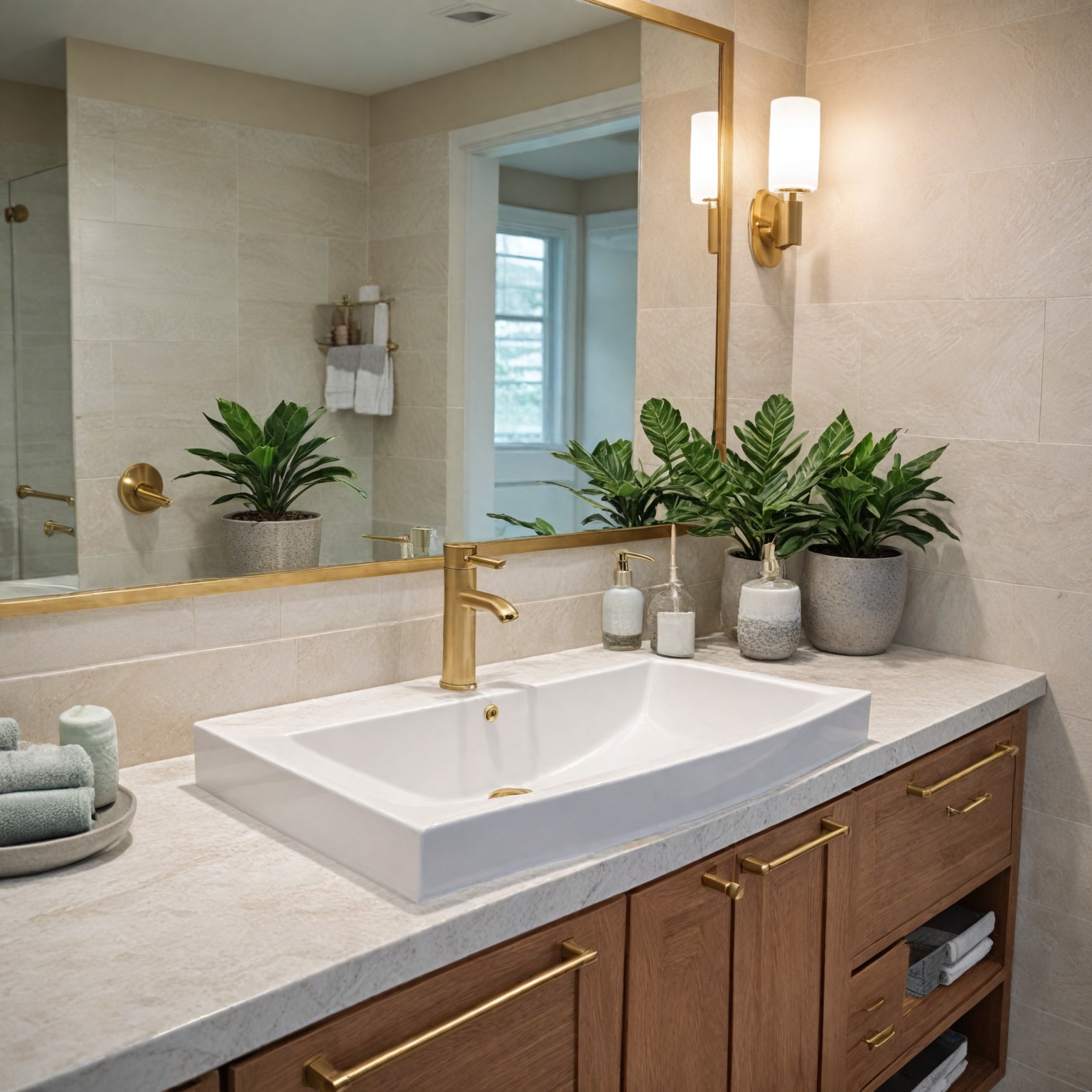
Bathroom countertops significantly affect a remodel’s aesthetics, durability, and functionality. Homeowners face a range of material options, including natural stones like quartz, granite, and marble, as well as engineered surfaces such as porcelain and solid surface composites. Each material presents unique benefits and limitations, impacting maintenance, cost, and longevity, making informed selection crucial to achieving design goals.
Choosing Your Bathroom Countertop Material
Selecting the right countertop material requires careful consideration of durability, maintenance, cost, and design preferences. For busy bathrooms, durable materials like quartz, granite, and porcelain stand out for their resilience and minimal upkeep. Alternatives such as laminate and cultured marble offer cost-effective options but may have shorter lifespans and require more care. Understanding how each option aligns with daily habits and maintenance routines is vital in making a confident decision.
Quartz Countertops
Quartz countertops are known for their striking appearance and exceptional durability. Being non-porous, they resist staining and do not require sealing, which simplifies maintenance. Their wide variety of colors and patterns allows for customization, making quartz a practical and stylish choice, although it tends to be on the higher end of the price spectrum. This material’s combination of hygiene, ease of care, and aesthetic flexibility makes it a strong contender for many remodels.
Granite Countertops
Granite is celebrated for its natural beauty and superb durability, making it a favored option for various bathroom styles. Proper sealing is necessary to maintain its stain resistance, and homeowners should consider its weight during installation. Granite offers a unique aesthetic because of its natural variations, enhancing the visual appeal of the bathroom. While it requires some maintenance, its longevity and timeless charm often justify the investment.
Marble Countertops
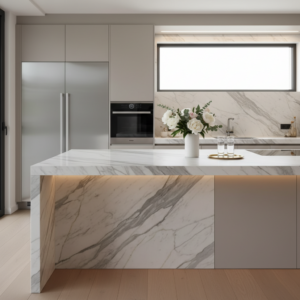
Marble is synonymous with luxury in bathroom design, offering a sophisticated look due to its unique veining and polished surface. However, its porous nature requires diligent care to prevent staining, especially from common household items. Regular sealing is essential to maintain its beauty and performance in humid environments. While marble posits certain challenges, it remains a classic choice for those desiring elegance in their space.
Solid Surface Countertops
Solid surface materials, including cultured marble, present a seamless and low-maintenance option ideal for bathrooms. These surfaces are non-porous and do not require sealing, making them resistant to staining and easy to clean. Homeowners will find a variety of colors and textures available, allowing for a tailored fit to existing design themes. Their practicality, combined with aesthetic versatility, makes them appealing for many remodelers.
Porcelain Countertops
Porcelain countertops are appreciated for their durability and aesthetic variety, expanding design possibilities. Typically available in tiles or slabs, they resist moisture, heat, and stains, making them suitable for bathrooms. Options that incorporate recycled materials enhance their eco-friendliness and appeal to sustainability-conscious consumers. Their low maintenance and resilience make porcelain a practical option for busy bathrooms.
Concrete Countertops
Concrete countertops offer a customizable aesthetic that can be tailored to suit personal style. They provide durability and can incorporate various decorative elements for unique bathroom designs. While on the higher end of the pricing spectrum, their lifespan and modern look often make them a worthwhile investment for homeowners looking for an impactful statement in their remodel. Innovations in sustainable concrete production are also worth considering for environmentally mindful consumers.
Additional Innovative Materials
Emerging materials like Durat and Silestone highlight the trend towards sustainability in countertop selection. Durat features recycled components and customizable options, while Silestone integrates eco-friendly practices into its manufacturing process. These materials not only present aesthetic options but also address environmental concerns, appealing to homeowners who prioritize sustainable choices. Opting for such innovative surfaces reflects a commitment to both style and ecological responsibility in bathroom remodels.
Considering Sustainability
Sustainability should inform your countertop choices, with many manufacturers focusing on eco-friendly materials and processes. Options like Durat and Silestone incorporate recycled components and renewable energy, reducing their environmental impact. By selecting materials with favorable ecological profiles, homeowners can create beautiful spaces while aligning their designs with broader environmental values.
Making Your Final Decision
When selecting a countertop, consider factors like aesthetics, longevity, maintenance, and cost to find the best fit for your bathroom remodel. Professional consultations can provide insight into material options that suit your specific needs and style preferences. The final choice should harmonize beauty and functionality while reflecting your personal values, including sustainability and practicality.
Installation and Care Considerations
Installation should be conducted by professionals to ensure proper handling, especially with heavier materials like granite. Maintenance varies by material; for example, quartz requires minimal upkeep, while natural stones demand regular sealing to retain their integrity. Engaging with industry professionals can help navigate these choices while ensuring the selected materials meet both aesthetic goals and practical needs. Understanding proper care will prolong the life and beauty of your countertops, contributing to a successful remodel.
The content is provided by Blake Sterling, Home Upgrade News