Summary
Master Winter Renovations: 7 Essential Tips for a Cozy Home is a comprehensive guide aimed at helping homeowners optimize their renovation projects during the winter season to enhance indoor comfort, energy efficiency, and safety. Winter is often an overlooked period for home improvements, yet it offers unique advantages such as faster drying times for interior painting and reduced contractor demand, which can lead to cost savings and timely project completion. By focusing on key areas like insulation upgrades, heating system maintenance, draft sealing, and smart ventilation, homeowners can transform their living spaces into warm, inviting environments even during the coldest months.
The guide emphasizes the importance of proper insulation using materials such as fiberglass, cellulose, and foam to minimize heat loss and reduce energy costs, contributing to both financial savings and environmental sustainability. Alongside insulation, maintaining heating systems through regular professional inspections helps prevent hazards like carbon monoxide poisoning and ensures efficient operation throughout winter. Sealing drafts around windows and doors and utilizing window treatments or films further improve thermal comfort by reducing cold air infiltration. The integration of renewable energy technologies such as solar panels and wind turbines during winter renovations is also highlighted as a strategic measure to lower greenhouse gas emissions and enhance energy independence.
Indoor air quality and ventilation receive particular attention due to winter-specific challenges, including condensation and increased indoor pollutants from reduced airflow. The guide advises on managing humidity levels with humidifiers and ensuring proper roof and attic ventilation to prevent mold growth and structural damage. Safety considerations are paramount, with recommendations for maintaining smoke and carbon monoxide detectors, inspecting electric heaters, and performing timely HVAC maintenance to mitigate fire risks and maintain healthy indoor environments.
Budgeting and environmental sustainability are integral components of successful winter renovations. Prioritizing interior and energy efficiency projects allows homeowners to manage costs effectively while increasing home value. Sustainable building materials and energy-saving measures not only improve indoor comfort but also reduce the ecological footprint of renovations, aligning with growing demands for environmentally responsible construction practices. Overall, this guide serves as an essential resource for homeowners seeking to maximize the benefits of winter renovations while addressing common challenges and safety concerns.
Preparing for Winter Renovations
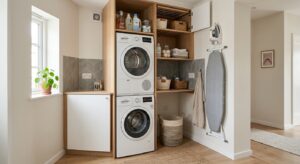
Winter presents a unique opportunity for homeowners to undertake renovation projects that enhance comfort and energy efficiency while taking advantage of the season’s slower contractor demand. Interior painting is a particularly popular winter project because the cold, dry air helps paint dry faster, reducing overall completion time. Homeowners can also focus on replacing old carpets or renovating spaces like basements and laundry rooms, which can be done without exposing the home to harsh outdoor elements.
A key step in preparing for winter renovations is ensuring proper insulation. The primary purpose of insulation is to reduce heat loss during the cold months and minimize heat gain in the summer, thereby improving energy efficiency and lowering heating and cooling costs. Common insulation materials include fiberglass, cellulose, foam, and reflective insulation, which are typically installed in walls, floors, ceilings, and attics. Upgrading or adding insulation in attics or crawl spaces during winter is highly recommended, as it helps maintain a consistent and cozy indoor environment throughout the season.
Alongside insulation, maintaining and preparing heating systems is crucial before winter fully sets in. Annual professional inspections and cleanings of furnaces or boilers are advised to prevent fire hazards often caused by human error or improper placement of flammable materials near heating equipment. Regular HVAC maintenance, including furnace servicing in the fall, helps ensure the system runs efficiently and reduces the risk of breakdowns during the coldest months. Prioritizing HVAC functionality also adds value to the home and is a critical consideration for potential buyers.
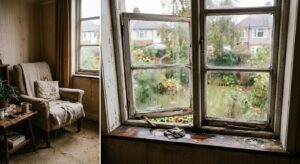
Sealing drafts around windows and doors is another important preparation to minimize heat loss. Weatherstripping options such as compression strips made of rubber or vinyl, metal or vinyl strips for larger gaps, and foam tape for smaller openings can significantly reduce cold air infiltration. For older windows, temporary plastic seals during winter and planned reglazing in spring can help maintain thermal comfort. Additionally, window films with low-emissivity (low-e) coatings provide another layer of protection by reducing heat loss and blocking infrared radiation, and can be applied professionally or as a DIY project.
By carefully preparing insulation, heating systems, and sealing drafts, homeowners can maximize the efficiency and comfort of their winter renovations while saving money on energy costs and contractor fees. These measures collectively contribute to a warmer, safer, and more energy-efficient home during the cold season.
Seven Essential Tips for Winter Renovations
Winter presents a unique opportunity to focus on home renovation projects that enhance comfort and energy efficiency while making the indoor environment more inviting. Here are seven essential tips to guide successful winter renovations.
1. Prioritize Interior Painting Projects
Interior painting is among the most popular winter home renovations because the cold, dry air helps paint dry faster, speeding up the completion time of each coat. Unlike exterior work, interior painting can be comfortably tackled during winter without concern for weather-related delays.
2. Upgrade Insulation for Energy Efficiency
Improving insulation is critical during winter to reduce heat loss and maintain a cozy indoor temperature. Materials such as fiberglass, cellulose, foam, and reflective insulation can be installed in walls, floors, ceilings, and attics to enhance thermal resistance. Effective insulation not only lowers heating costs but also contributes to environmental sustainability by reducing carbon emissions.
3. Replace or Upgrade Windows
Old single-pane windows can significantly increase heat loss during cold months. Upgrading to energy-efficient double-pane or triple-pane windows provides better insulation and helps maintain consistent indoor temperatures. Additional measures include sealing drafts with weather-stripping foam, caulking gaps around trim, and using plastic window seals as temporary fixes until permanent repairs are possible.
4. Use Window Treatments and Films
Adding window treatments such as heavy fabric or velvet curtains can improve thermal insulation while adding style and warmth to living spaces. Window films with low-emissivity (low-e) coatings are another option to reduce winter heat loss and block near-infrared solar radiation, helping to enhance indoor thermal comfort.
5. Maintain and Adjust Heating Systems
Proper maintenance of heating appliances is essential during winter to ensure safety and efficiency. Heating systems can be sources of indoor pollution if not well-maintained, so regular adjustments and checks can prevent dangerous emissions and improve performance.
6. Optimize Ventilation and Humidity
Cold winter air is naturally dry, which can lower indoor humidity and cause discomfort. Using exhaust or supply ventilation systems with cold air can exacerbate dryness. Homeowners should monitor humidity levels and consider humidifiers to maintain comfortable moisture levels indoors while ensuring proper ventilation for air quality.
7. Use Ceiling Fans to Circulate Warm Air
Ceiling fans can help distribute warm air more effectively in winter by reversing their rotation to clockwise. This creates an upward airflow that pushes warm air trapped near the ceiling down into the living space, enhancing overall heating efficiency and comfort.
By focusing on these key areas during winter renovations, homeowners can create a more energy-efficient, comfortable, and welcoming home environment despite the cold season.
Ventilation and Indoor Air Quality During Winter
During the winter months, homeowners often face challenges related to ventilation that can significantly impact indoor air quality. One common issue is condensation on windows, which occurs when warm indoor air comes into contact with cold surfaces. This moisture buildup can lead to problems such as mold growth and damage to window frames if not properly addressed.
Indoor air pollution tends to worsen in winter, as people spend more time indoors with less fresh air circulation. This can cause a buildup of chemicals, bacteria, mold, and mildew particles, which degrade air quality and pose health risks. Poor indoor air has been linked to exacerbations of respiratory conditions such as asthma and allergies, as well as more serious health problems including heart disease and stroke.
Proper roof ventilation plays a crucial role in maintaining a healthy indoor environment during winter. Heated air naturally rises to the attic, and if the space is not adequately ventilated, the warm air can meet cold surfaces and condense. This condensation can cause damage to the roof structure and lead to leaks that homeowners may mistakenly attribute to roof failure when, in fact, the issue is moisture-related.
In addition to ventilation, insulation is essential to prevent heat loss and reduce condensation risks. Insulating attic floors or roof rafters helps seal the home from external cold air. However, the choice of roofing materials can also influence indoor conditions. For example, cool roofs with light-colored materials reflect sunlight and reduce cooling costs in summer but may increase heating needs in winter. Therefore, selecting appropriate insulation and roofing materials based on the local climate is vital to optimizing energy efficiency and indoor air quality.
Natural ventilation systems offer an energy-efficient alternative to mechanical air-conditioning by utilizing passive airflow to maintain indoor air quality. While natural ventilation is suitable for residential buildings and renovations, commercial spaces often require artificial ventilation due to higher occupancy levels and ventilation demands. Nonetheless, some architects prioritize sustainability by integrating natural ventilation even in large or commercial buildings.
Renewable Energy Technologies for Winter Renovations
Incorporating renewable energy technologies during winter renovations can significantly improve a home’s energy efficiency, reduce greenhouse gas emissions, and enhance indoor comfort. Homeowners have various options to supply some or all of their electricity needs through small renewable electric systems such as solar photovoltaic panels and wind turbines, which harness natural, sustainable energy sources. Understanding how each technology works is essential when selecting the appropriate system for a specific home and climate.
Solar energy systems are particularly popular for residential use, and many states support homeowners by offering net metering policies. Net metering allows homeowners to sell excess electricity generated by their solar or wind systems back to utility providers, potentially offsetting the initial investment cost more rapidly. This system uses a bi-directional meter to track both electricity consumed from the grid and surplus energy supplied back, encouraging the adoption of renewable technologies.
Wind energy, a clean and renewable resource that produces no harmful emissions, is another viable option. Regions like Michigan rank highly for wind energy generation, making it a practical choice for residential green energy systems in suitable areas. Combining renewable energy technologies with energy efficiency improvements, such as installing energy-efficient equipment and utilizing low embodied energy building materials, further maximizes operational energy conservation during renovations.
Moreover, integrating renewable systems into building retrofits — including solar photovoltaic electrification and solar water heating — can optimize energy performance while maintaining indoor thermal comfort, especially important in areas characterized by hot summers and cold winters. By thoughtfully implementing renewable energy solutions during winter renovations, homeowners can achieve a more sustainable, cozy, and cost-effective living environment.
Safety Considerations During Winter Renovations
Winter renovations require heightened attention to safety due to the increased risks posed by cold weather and indoor heating systems. One major concern during this season is the potential for carbon monoxide (CO) poisoning, as neglected furnaces are common culprits. Regular furnace tune-ups are essential; technicians check for gas leaks and assess CO levels to ensure indoor air quality remains safe throughout the winter months. It is also crucial to maintain all combustion-based heating appliances properly to prevent dangerous pollution levels inside the home.
Smoke alarms and carbon monoxide detectors play a vital role in winter home safety. Homeowners should test these devices monthly, as power outages caused by winter storms may affect smoke alarms that depend on electrical service. Installing smoke detectors on every level of the home, including the basement and outside sleeping areas, is strongly recommended to provide comprehensive protection.
Electric heaters, often used as supplemental heat sources in winter, must be inspected carefully. Cords should be examined for cracks or damage, and any frayed or faulty cords must be replaced by a qualified electrician. Overheating cords or units should prompt immediate servicing to prevent fire hazards.
Lastly, it is important to ensure your HVAC system receives professional maintenance annually. Although fall is the ideal time for furnace inspections, winter checks are still valuable to prevent costly repairs and ensure reliable operation during peak heating demand. By following these safety measures, homeowners can reduce risks and enjoy a cozy, hazard-free renovation experience during the colder months.
Budgeting and Cost Management for Winter Renovations
When planning winter renovations, effective budgeting and cost management are crucial to ensure that the investment adds tangible value to the property, especially if the intention is to sell in the near future. Winter projects often focus on interior upgrades and energy efficiency improvements, which can provide both immediate comfort and long-term savings. Prioritizing these types of renovations helps avoid unnecessary expenses on exterior work that might be hindered by weather conditions or require costly corrections.
Energy efficiency measures such as insulation upgrades are key components of winter renovation budgets. High-quality insulation reduces heat loss during cold months and lowers heating costs, which contributes to overall savings on utility bills. It is important to factor in the type of insulation material, its R-value, and installation costs—some materials may require professional installation, increasing upfront expenses but ensuring maximum performance and durability.
Additionally, combining insulation with HVAC improvements, ventilation upgrades, and smart energy-saving technologies can enhance the effectiveness of the renovation, potentially reducing energy consumption and greenhouse gas emissions. While these integrated approaches may increase initial costs, the long-term benefits in reduced energy bills and improved property value often justify the investment.
Homeowners should carefully evaluate renovation options, balancing immediate expenditures with the anticipated increase in home comfort and market value. A well-planned budget that focuses on energy-saving and interior projects can make winter renovations both financially manageable and worthwhile.
Environmental Impact and Sustainability
The construction industry has traditionally depended on materials and practices that are not always environmentally friendly. However, increasing awareness of environmental issues has driven demand for sustainable building materials, which are produced using methods designed to reduce waste, conserve natural resources, and lower carbon emissions. These materials contribute to the creation of buildings that are energy efficient, durable, and healthier for both occupants and the environment, contrasting with conventional materials that often rely on non-renewable resources.
Sustainable materials commonly used in construction include reclaimed or recycled wood, which not only offers an aesthetically pleasing, natural indoor feel but also has a significantly lower environmental impact compared to newly harvested timber. When new wood is required, it is essential to source it from sustainably managed forests to ensure responsible resource use. Other eco-friendly materials gaining popularity are cob, recycled steel, sheep’s wool, cork, straw bales, bamboo, recycled plastic, AshCrete, Ferrock, hempcrete, and plant-based polyurethane rigid foam, all of which help reduce the environmental footprint of building projects.
Insulation plays a crucial role in enhancing a home’s energy efficiency by reducing heat loss in winter and heat gain in summer, thus lowering heating and cooling costs while contributing to environmental sustainability through decreased carbon emissions. Materials such as fiberglass, cellulose, foam, and reflective insulation are typically installed in areas prone to air leakage, including wall cavities and attics, to slow and minimize heat transfer. Selecting appropriate insulation tailored to a home’s construction further optimizes energy conservation efforts.
Moreover, effective renovation measures that combine insulation improvements with upgrades to building envelopes, HVAC systems, ventilation, lighting, sun shading, and the use of renewable energy can significantly reduce overall energy consumption. These multifaceted approaches help achieve energy-saving and emission-reduction goals essential for sustainable living.
The content is provided by Sierra Knightley, Home Upgrade News