
Summary
Indulge in the Perfected Lobster Bisque Recipe Enhanced with a Touch of Saffron at My Kitchen presents a refined approach to crafting lobster bisque, a classic French seafood soup renowned for its creamy texture and rich, luxurious flavor. Rooted in coastal culinary traditions, lobster bisque has evolved from a humble sustenance dish into a sophisticated delicacy favored in fine dining and home kitchens alike. This recipe distinguishes itself by incorporating saffron, a prized spice known for its aromatic complexity and vivid color, which elevates the bisque’s sensory profile while complementing the natural sweetness of lobster.
The preparation centers on building a deep, flavorful lobster stock from lobster shells and aromatic vegetables, followed by blending and enriching the broth with heavy cream, garlic butter, and a subtle infusion of saffron. The recipe balances traditional techniques with accessible steps, ensuring a silky, velvety bisque that highlights the tender lobster meat and nuanced saffron flavor without overpowering the seafood essence. This combination not only enhances taste but also adds nutritional benefits through saffron’s antioxidant compounds and omega-3 rich lobster meat.
Regional variations of lobster bisque reflect diverse culinary influences, ranging from the hearty, herb-infused versions of New England to the spicy Creole adaptations of Louisiana. The inclusion of saffron in this perfected recipe introduces a subtle bitterness and floral aroma that requires careful handling to avoid overwhelming the dish, illustrating an ongoing dialogue between tradition and innovation in bisque preparation. Vegan and alternative seafood-based bisques also exist, broadening the dish’s accessibility while maintaining its signature richness.
Celebrated for its cultural significance and legacy, lobster bisque remains a symbol of culinary indulgence and hospitality. This recipe’s enhancement with saffron exemplifies how classic dishes continue to evolve, marrying historical roots with modern tastes to captivate both casual cooks and gourmet enthusiasts. Whether served as an elegant dinner centerpiece or a comforting meal, this perfected lobster bisque invites indulgence in a timeless gastronomic experience.
History and Origin
Lobster bisque has a rich and intricate history, emerging from a blend of culinary innovation and cultural exchange. Its origins trace back to coastal communities where lobster served as an essential source of sustenance. The Bretons, renowned for their maritime heritage, are believed to have created the earliest versions of lobster bisque, using local ingredients such as fresh lobster, milk, and herbs to craft a hearty and flavorful soup that helped them endure harsh winters.
As French cuisine evolved, lobster bisque gained prominence, becoming a sophisticated dish favored by the aristocracy for its luxurious flavor and elegant presentation. The traditional bisque centered on lobster, with various adaptations incorporating regional ingredients and techniques. In the Northeastern United States, where lobster is abundant, American chefs embraced the dish and introduced local elements like corn and tomatoes, resulting in distinctive regional flavors.
Over time, lobster bisque has seen numerous variations, ranging from spicier, aromatic versions enhanced with cognac to plant-based adaptations using coconut cream and mushrooms. Despite its indulgent nature, lobster bisque is also noted for its nutritional benefits, including a richness in antioxidants, omega-3 fatty acids, phosphorus, and calcium. The complex history of lobster bisque reflects a tapestry of geographical influences and evolving tastes, solidifying its status as an enduring culinary classic.
Ingredients
The primary ingredient for a perfected lobster bisque is fresh or frozen lobster tails, which provide the rich, tender meat essential to the dish. The lobster shells are equally important, as they are used to create a rich, flavorful lobster stock that forms the backbone of the bisque. Aromatic vegetables such as onions, celery, and carrots are included to add depth to the broth, along with herbs like thyme and parsley.
A distinctive element in this recipe is the addition of saffron, a highly valued spice known for its unique aroma and subtle flavor. Saffron strands, typically about three per serving or just over half a teaspoon, are soaked for at least 30 minutes to release their flavor compounds fully. The spice contributes not only to the bisque’s aroma but also adds a delicate color and subtle complexity, enhanced further by the presence of volatile compounds like safranal and picrocrocin.
To enrich the bisque’s creamy texture and flavor, heavy cream is used, ensuring a luscious mouthfeel that lighter dairy or non-dairy substitutes cannot replicate. Cream sherry adds a complementary sweetness that balances the natural brininess of the lobster, though variations with dry white wines like Chardonnay or even red wines can be used for unique flavor profiles.
Additional seasoning includes salt and pepper to taste, while some recipes incorporate a small splash of vinegar at the end to brighten the flavors. Garlic butter made from fresh garlic and unsalted butter is often prepared separately and added to infuse the lobster meat with rich aroma and creaminess. Finally, tomato paste is included to deepen the bisque’s color and umami, enhancing the overall taste.
Preparation
The preparation of lobster bisque traditionally begins with making a rich lobster stock, which is fundamental to the dish’s depth of flavor. This stock is often made by using cooked lobster shells, which are either from whole lobsters prepared at home or from frozen lobster tails or pre-cooked meat, with the shells carefully cut into smaller pieces for better extraction. The shells are sautéed in a generous amount of butter and oil to extract both water-soluble and fat-soluble flavor compounds, a method that simplifies the traditional process of creating lobster-infused butter separately. Additionally, the steaming water from partially cooked lobster claws and tails can be added to enhance the stock’s richness.
Once the shells are sautéed, 4 to 5 cups of water are added, and the mixture is brought to a boil before being simmered on medium-low heat for at least 20 to 25 minutes, or longer if time allows. After simmering, the shells are strained out, and approximately 2 to 2½ cups of the resulting stock are reserved for the bisque, with the remainder saved for other uses. This stock forms the base of the bisque, which is then combined with cooked vegetables and aromatics. The vegetables, such as onions and carrots, are cooked with a bay leaf until soft, then blended to create a smooth, creamy texture.
To enhance the bisque’s characteristic richness, ingredients such as tomato paste and clam juice may be added during cooking, followed by the reserved lobster juice to intensify the seafood flavor. The mixture is simmered carefully to avoid boiling, which can cause curdling, and the lobster meat is added towards the end to preserve its texture and flavor.
A distinctive touch to this lobster bisque recipe is the inclusion of saffron strands, which are sprinkled over the finished dish. Saffron contributes not only its vivid color but also a subtle, aromatic flavor that complements the seafood base. The spice is typically used sparingly, as excessive amounts can impart bitterness, with the recommended quantity being about three strands per person or slightly more than half a teaspoon. Saffron’s quality and sensory properties, such as color and aroma, are influenced by its chemical components like crocin, picrocrocin, and safranal, which also affect the overall taste and appreciation of the dish.
The bisque can be prepared ahead of time, with the exception of adding the lobster meat and cream, which should be done just before serving to maintain freshness and texture. Finally, the mixture is brought back to a gentle heat, the lobster meat placed in the center, and saffron strands sprinkled on top before serving hot. This preparation balances traditional techniques with simplified steps to deliver a luxurious and flavorful lobster bisque enhanced with a delicate touch of saffron.
Cooking Process
The cooking process for the perfected lobster bisque begins with creating a rich lobster stock, which serves as the backbone of the dish. Using cooked lobster shells, including claws and tails, enhances the depth of flavor, as these parts release both water- and fat-soluble molecules essential for a full-bodied broth. To maximize this flavor extraction, a larger-than-normal amount of butter and oil is added to the stockpot during the shell-sautéing step, circumventing the more labor-intensive traditional method of separately infusing lobster butter.
Vegetables such as shallots, carrots, mushrooms, and celery are sautéed until the shallots are translucent, providing a fragrant base. The addition of vegetable puree and aromatics is cooked briefly before the mixture is strained into a deep pan to ensure a smooth bisque texture. The broth is then brought back to a boil and simmered with a pinch of saffron strands, which impart not only a distinctive golden hue but also a subtle, complex aroma derived from carotenoid oxidation products like safranal.
The bisque is pureed, preferably with an immersion blender to achieve a silky, velvety consistency without excessive cleanup. The lobster meat—typically succulent lobster tails—is gently heated in garlic butter, an infusion that lends an extra layer of richness and indulgence to the dish. This garlic butter is made fresh using high-quality unsalted butter and fresh garlic, contributing both aroma and creaminess.
Following pureeing, heavy cream is incorporated to enhance the bisque’s luscious texture; substitutes with lower fat content are discouraged to maintain the soup’s characteristic richness. A splash of vinegar is sometimes added at the end of cooking to brighten the flavors and provide balance without overwhelming the delicate lobster taste.
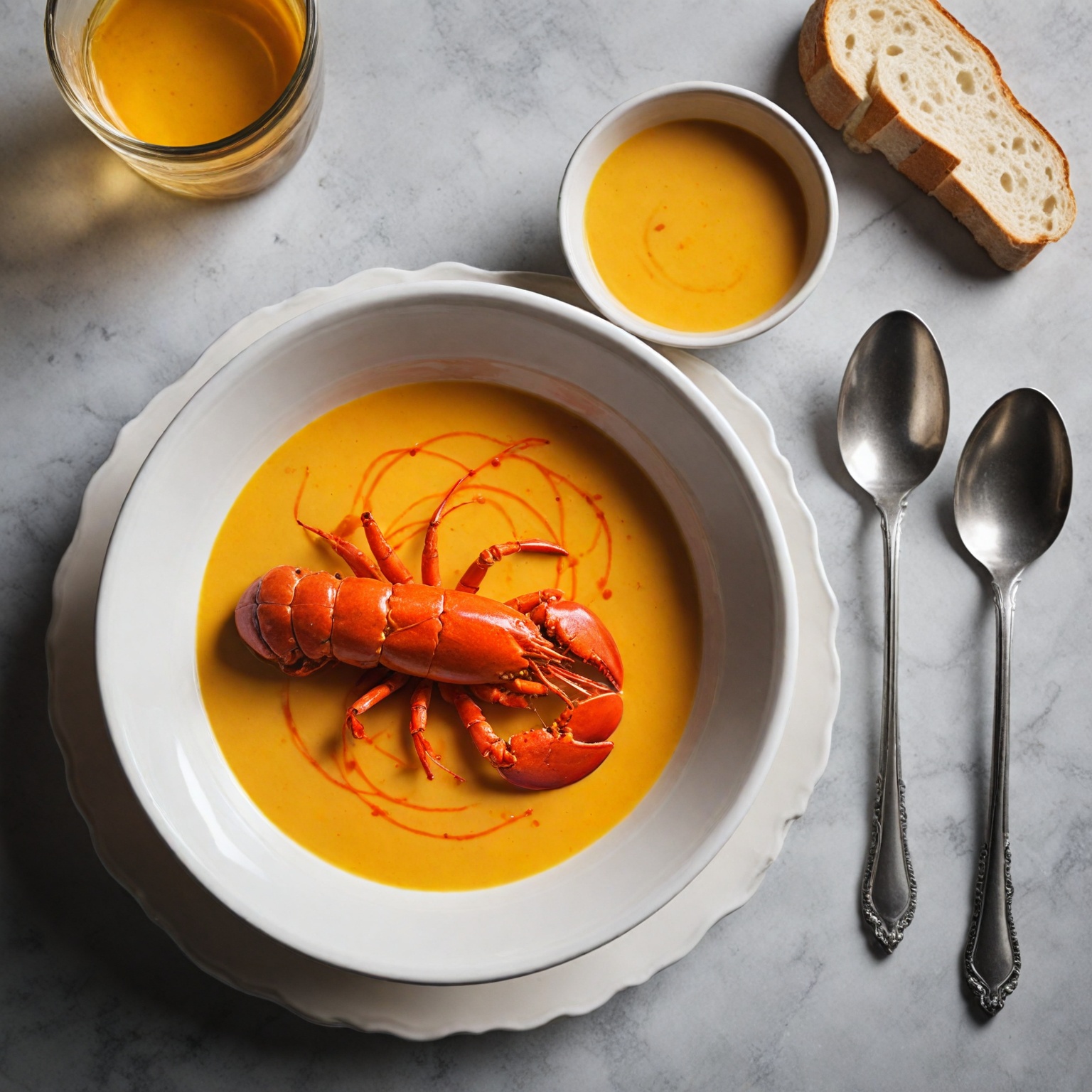
To serve, the lobster chunks are placed centrally in the serving dish, and the bisque is ladled around them. A final sprinkle of saffron strands adds both visual appeal and a fragrant finishing touch. This bisque can be enjoyed as an elegant dinner party centerpiece or a refined light lunch, often paired with baguette slices and a chilled glass of dry white wine such as Chardonnay to complement its depth and subtle fruitiness.
Optional spices like smoked paprika or Old Bay seasoning may be incorporated for additional depth without compromising the bisque’s creamy texture. For those seeking plant-based alternatives, vegan renditions use ingredients like heart of palm or king oyster mushrooms to mimic lobster’s texture while retaining rich flavor profiles. Overall, this cooking process balances bold, intense flavors with refined techniques to produce a bisque that is both sophisticated and accessible to home cooks.
Variations and Regional Differences
Lobster bisque, while universally cherished for its creamy texture and rich seafood flavor, exhibits notable variations influenced by regional ingredients and culinary traditions. In the Northeastern United States, particularly in New England, the abundance of fresh lobster and the historical influence of French cuisine have shaped the bisque into a hearty dish often enhanced with local produce such as corn and tomatoes. This regional adaptation results in a bisque that is both robust and flavorful, frequently incorporating aromatic herbs like tarragon or dill to complement the lobster’s sweetness.
In contrast, the Creole cuisine of Louisiana introduces a distinctive spicy twist to lobster bisque, reflecting the region’s preference for bold and piquant flavors. This variation highlights the adaptability of lobster bisque, showcasing how local culinary customs can impart unique characteristics while maintaining the dish’s fundamental richness.
Substitutions are also common, especially when fresh lobster is not readily available. Ingredients such as clams or shrimp serve as excellent alternatives, preserving the luxurious seafood essence of the bisque while providing different flavor profiles. Although these substitutes may lack the depth of taste found in lobster-based bisques, they offer flexibility for home cooks and chefs alike to create a satisfying seafood bisque using accessible ingredients.
In addition to regional ingredient variations, the incorporation of saffron into lobster bisque adds an aromatic complexity and subtle bitterness that enhances the overall sensory experience. However, saffron must be used judiciously, as its potent flavor can easily overpower the delicate seafood notes if not carefully balanced. The bitter and astringent qualities of saffron, primarily derived from compounds such as safranal and crocins, contribute to its distinctive aroma and taste, enriching the bisque’s flavor profile when employed with precision.
Thus, lobster bisque demonstrates both a deep connection to its cultural roots and a remarkable versatility, allowing it to be tailored to diverse palates and ingredient availabilities across different regions.
Serving Suggestions
When serving the perfected lobster bisque enhanced with saffron, it is important to consider the delicate balance of flavors. Since saffron has hydrophobic components, soaking the strands in a bit of alcohol such as wine for about 30 minutes helps to release its full aroma and flavor. The general guideline is to use approximately three saffron strands per person, which amounts to slightly more than half a teaspoon. However, caution is advised, as excessive saffron can introduce a bitter taste, though some dishes like saffron risotto can accommodate larger quantities.
The timing of adding and straining the saffron infusion is crucial to prevent it from overpowering other subtle flavors in the bisque, particularly seafood notes. It should be treated like any other cooking element, with careful attention to its progression to ensure a harmonious blend.
To present the bisque, ladle it into warm bowls and consider garnishing with a swirl of cream or a drizzle of sherry to complement the saffron’s floral nuances. Pairing the bisque with crusty bread or a light salad can further enhance the dining experience, allowing the rich, creamy texture and aromatic saffron to shine as the centerpiece of the meal.
Nutritional Information
Saffron, a key ingredient in this lobster bisque recipe, is widely recognized not only for its unique flavor and aroma but also for its valuable nutritional and pharmacological properties. It contains several bioactive compounds such as crocins, which contribute to its intense color, picrocrocin, responsible for its characteristic bitterness, and safranal, which provides its distinctive aroma. These compounds have been studied for their potential health benefits, including antioxidant and therapeutic effects on various pathologies.
The flavor and color molecules in saffron are both water-soluble and fat-soluble, which suggests that incorporating it into both aqueous and fatty components of the bisque can maximize flavor extraction. This is often achieved by infusing saffron into butter or other fats before blending it into the broth, enhancing both nutritional and sensory qualities of the dish.
In the preparation process, adding water to the vegetables and cooking until soft allows for the release of nutrients and flavors into the base, contributing further to the overall nutritional profile of the bisque. Combining these elements results in a rich, flavorful soup that leverages the unique properties of saffron alongside traditional lobster bisque ingredients.
Cultural Significance and Legacy
Lobster bisque holds a distinguished place in culinary traditions, particularly in French cuisine where its origins can be traced back to the early 17th century. Over the centuries, it has evolved from a simple coastal sustenance into a refined dish celebrated for its rich flavor and luxurious texture. The cultural significance of lobster bisque extends beyond its role as a mere food item; it embodies the fusion of culinary innovation and regional heritage, reflecting the intimate relationship between coastal communities and the sea.
This bisque is not only a staple in fine dining but also a symbol of indulgence and hospitality, often served during special occasions and festive gatherings to impress guests with its exquisite taste. The enduring appeal of lobster bisque has inspired countless variations, such as lobster bisque ravioli and lobster bisque panna cotta, demonstrating its versatility and creative potential in contemporary cuisine. Its legacy is thus marked by both tradition and adaptation, maintaining its status as a beloved dish that continues to captivate palates around the world.
The content is provided by Jordan Fields, Home Upgrade News