Summary
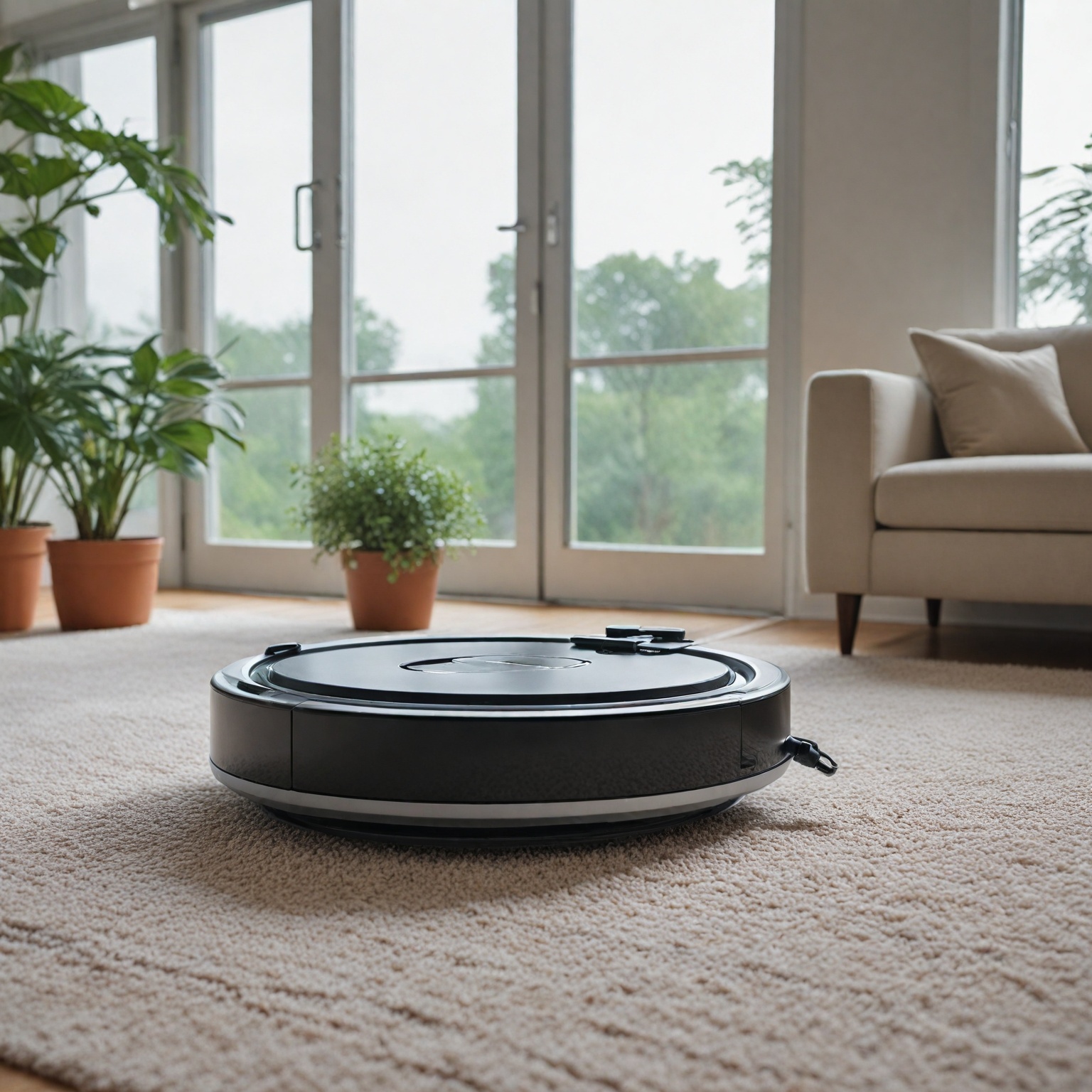
The Clean Essential Robovac is a robotic vacuum cleaner designed to deliver efficient, automated floor cleaning through a combination of advanced navigation technologies and user-friendly maintenance features. Equipped with rotating brushes, a multi-stage filtration system, and smart sensors—including LiDAR, cameras, and infrared detectors—the Robovac systematically maps and navigates home environments to ensure comprehensive cleaning coverage without missing spots. Its app-enabled interface allows users to customize cleaning zones, set no-go areas, and adjust suction power according to floor type, enhancing both precision and convenience.
A key aspect of the Clean Essential Robovac’s performance is regular maintenance, particularly the cleaning and replacement of brushes, filters, and dustbins to prevent common issues such as clogs and reduced suction power. Clogging from hair, dust, and moisture buildup can impair the vacuum’s efficiency and cause missed cleaning spots, making upkeep essential for sustained operation. The vacuum’s design facilitates easy disassembly and part replacement, minimizing downtime and user effort.
Integration with popular home automation platforms and voice assistants further extends the Robovac’s functionality, allowing seamless control through Amazon Alexa, Google Assistant, and advanced setups like Home Assistant or Apple HomeKit workarounds. Scheduled cleaning and real-time alerts enhance usability, while ongoing software updates and troubleshooting support address potential glitches without data loss.
Despite its sophisticated features, the Clean Essential Robovac requires a well-maintained environment and routine care to avoid operational issues such as missed spots or sensor malfunctions. User feedback underscores the importance of proper upkeep and environmental preparation to maximize cleaning performance and extend device lifespan. Overall, the Clean Essential Robovac represents a balanced solution for automated home cleaning, combining smart technology with practical maintenance to deliver reliable, spot-free results.
Features of Clean Essential Robovac
The Clean Essential Robovac is designed to provide efficient and thorough cleaning with features that enhance its performance and ease of maintenance. Central to its operation are the brush assembly and filter system, which require regular care to maintain optimal suction and cleaning efficiency. The brush assembly includes rotating brushes that can accumulate hair and debris, which should be cleaned frequently to prevent clogs and maintain smooth operation. The filter, located inside the dustbin, traps fine dust and particles; it is recommended to remove and replace or wash the filter regularly to avoid blockages that can reduce suction power.
In addition to its mechanical components, the Robovac incorporates advanced sensor technology for effective navigation and obstacle avoidance. It uses a combination of LiDAR, cameras, and infrared sensors to map the environment and detect obstacles such as furniture or small objects, enabling it to clean systematically without missing spots or getting stuck. This mapping capability is powered by SLAM (Simultaneous Localization and Mapping) technology, allowing the vacuum to understand its real-time position and plan the most efficient cleaning routes. Users can customize cleaning zones and set no-go areas via an intuitive app interface, which also adjusts suction and cleaning intensity based on floor type, optimizing performance in multi-level or complex layouts.
To ensure consistent performance, the Robovac features an easy-to-empty dustbin and removable filters, making maintenance straightforward. Cleaning the charging contacts on both the vacuum and dock with a dry cloth is advised to maintain proper charging functionality. In case of persistent issues such as reduced suction or incomplete cleaning, troubleshooting steps include checking for clogged filters, tangled brushes, or sensor dirt, and replacing worn components as needed. Regular upkeep helps prevent buildup of dust and moisture that can impair the vacuum’s operation.
Furthermore, the design of the Clean Essential Robovac emphasizes a balance between usability and practicality. Components are designed for simple assembly and disassembly, facilitating quick cleaning and part replacement without requiring complex tools. This approach reduces downtime and production costs while enhancing user convenience. Overall, the Clean Essential Robovac integrates smart navigation, customizable cleaning modes, and easy maintenance features to deliver reliable, spot-free cleaning for automated home care.
Common Issues: Clogs and Missed Spots
One of the most frequent problems encountered with robotic vacuum cleaners is clogging, which can significantly impair cleaning efficiency. Clogs often occur when dust, hair, or debris accumulates in brushes, filters, or dustbins, leading to reduced suction power and missed dirt. For instance, a full dustbin leaves no space for additional debris, causing the vacuum to leave dirt behind. Similarly, tangled or obstructed brushes can prevent proper rotation, reducing the vacuum’s ability to pick up dirt effectively.
Filters, especially HEPA and primary filters, are critical for maintaining suction and air quality. When these filters become clogged with dust or moisture, airflow is restricted, causing the vacuum motor to work harder, which may result in overheating and potential damage. Moisture can be particularly damaging, as it traps dust and debris, leading to sticky buildups that clog filters and hoses, as well as creating unpleasant odors and bacterial growth inside the vacuum.
Missed spots commonly happen around obstacles where the robot’s cleaning path is less effective. Adjusting the cleaning route or increasing cleaning frequency in problem areas can help reduce blind spots. Additionally, dust and debris accumulation on navigation sensors—such as infrared, ultrasonic, or laser sensors—can impair obstacle detection and path planning, resulting in missed areas.
Proper and regular maintenance is essential to prevent these issues. Cleaning brushes weekly to remove hair and debris, washing or replacing filters regularly, and emptying the dustbin frequently help ensure optimal performance and extend the vacuum’s lifespan. Inspecting the brush motor for debris and replacing damaged brushes are also recommended to avoid mechanical malfunctions. Overall, diligent upkeep combined with strategic cleaning adjustments can minimize clogs and missed spots, enabling a thorough and efficient automated cleaning experience.
Settings and Practices to Prevent Clogs
Proper maintenance and optimized settings are essential to prevent clogs in robotic vacuum cleaners and ensure efficient cleaning performance. Regularly cleaning key components such as brushes, filters, and sensors helps maintain suction power and avoid blockages caused by accumulated dust, hair, and debris.
To prevent clogs, it is important to remove debris from brushes to allow them to rotate freely. Damaged brushes should be replaced promptly with compatible parts to maintain optimal function. Side brushes should be cleaned weekly to prevent tangling, and HEPA and primary filters require regular washing or replacement to sustain air quality and suction efficiency. Additionally, emptying the dustbin frequently avoids overfilling, which can impede suction and contribute to clogging.
Environmental factors can also impact clog occurrence. Adjusting obstacle sensitivity settings, such as enabling “Pet mode” or increasing sensor caution, helps the vacuum navigate scattered objects and avoid problematic areas that may cause frequent stops or clogs. Sensors like LiDAR, infrared, and cameras assist in obstacle avoidance, and keeping these sensors clean with a soft, dry microfiber cloth ensures their accuracy and effectiveness.
Routine maintenance intervals typically include deep cleaning brushes and sensors every 1–2 months and replacing worn parts such as filters and brushes every 3–6 months. Docking station components, including water tanks and dustbins, should also be emptied and wiped regularly to maintain system cleanliness. Following the official user manual for maintenance procedures and consulting customer support or warranty services when necessary can prevent further complications.
In some cases, software issues may affect vacuum operation, so checking for app updates and performing soft resets can help resolve glitches without erasing device data. Combining proper physical upkeep with optimized software settings ensures the robot vacuum functions smoothly, preventing clogs and missed spots during cleaning cycles.
Ensuring No Spot Is Missed During Cleaning
To achieve a thorough and efficient cleaning with a robot vacuum, several strategies and settings can be employed to ensure no spot is overlooked. One of the fundamental methods is utilizing the app to set virtual boundaries, such as no-go zones, which prevent the robot from entering delicate or cluttered areas like spaces with cables or small furniture. By drawing these zones on the map, users can tailor the cleaning area to avoid obstacles and protect fragile items.
Advanced robot vacuums are equipped with dirt sensors that detect particularly dirty spots, prompting the device to increase suction power or alter its cleaning path to focus on those areas for a more intensive clean. Additionally, real-time environmental feedback allows the robot to optimize its path dynamically, avoiding redundant cleaning of the same spots and maximizing coverage efficiency. Once a cleaning cycle is completed or the battery runs low, the robot will automatically return to its charging dock and can resume cleaning exactly where it left off after recharging, ensuring complete area coverage.
Customizable cleaning zones and modes play a critical role in eliminating missed spots. Users can select specific rooms for targeted cleaning or manually draw zones on the map to focus on high-traffic or problem areas. Edge Cleaning Mode, designed to address corners and wall edges often neglected by standard patterns, uses specialized brushes to sweep debris from these hard-to-reach places effectively. Adjusting cleaning frequency and paths in areas prone to blind spots further reduces the chance of missed dirt.
Maintaining the vacuum itself also ensures consistent performance. Regular inspection and cleaning of wheels and brushes prevent clogs and mechanical issues that can impair the vacuum’s movement and suction. Promptly replacing damaged brushes maintains optimal edge and corner cleaning capabilities. Furthermore, leveraging scheduling features in the vacuum’s app allows users to automate cleaning sessions, fitting them seamlessly into daily routines and reducing the risk of neglected areas.
Automated Home Integration
Home automation platforms such as Home Assistant provide extensive capabilities for integrating and controlling robotic vacuum cleaners within a smart home ecosystem. Home Assistant is an open-source home automation platform that prioritizes local control and user privacy, enabling users to run it on devices like a Raspberry Pi or local servers without reliance on cloud services. Through this platform, users can manage smart home devices, including robot vacuums, with enhanced security features such as alerts for unusual obstacles or potential intruders detected by the vacuum.
Voice assistant compatibility plays a significant role in robotic vacuum automation. Amazon Alexa users can enable skills like “eufy Clean” or “eufy Clean – RoboVac” via the Alexa app, linking their eufy accounts to control the devices through voice commands. Similarly, Google Assistant integration allows users to initiate cleaning tasks by saying commands such as “OK Google, talk to RoboVac,” after authorizing the RoboVac account within the Google Home app. For households with multiple vacuums, renaming devices in the eufy Clean app ensures accurate voice command recognition by the assistants.
In more advanced setups, users have developed creative solutions to bridge device compatibility gaps. For example, integrating Eufy Robovacs with Apple HomeKit can be achieved using Homebridge with dummy switches and Alexa routines, enabling control via Siri without requiring dedicated hardware or official plugins. This workaround allows users to activate cleaning by toggling virtual switches that trigger Alexa routines, though some limitations exist, such as the vacuum’s inability to automatically return to the dock on “power off” commands.
Scheduling and automation are key features that enhance convenience. Apps often provide scheduling tools to preset cleaning sessions, allowing vacuums to operate according to users’ routines without manual intervention. Moreover, integration with smart home voice assistants and automation platforms enables voice-activated commands, enhancing accessibility for seniors and individuals with disabilities through assistants like YIKO Voice Assistant.
Future advancements in voice recognition technology promise even more intuitive interaction. Current challenges include motor and brush noise interfering with voice commands, but improvements in microphone sensitivity and noise-filtering algorithms are expected to enable vacuums to respond selectively to users’ voices without intermediary devices.
Maintenance Tips for Prolonged Performance
Maintaining your robot vacuum regularly is essential to ensure optimal performance and extend its lifespan, which can exceed 8 to 10 years with proper care. Consistent upkeep helps prevent common issues such as reduced suction power, clogged brushes, and malfunctioning sensors, ultimately enhancing the cleaning efficiency of your device.
Regular Cleaning of Brushes, Filters, and Sensors
The brushes and filters are critical components affecting a robot vacuum’s efficiency. Dust, hair, and debris accumulate over time, diminishing suction and cleaning effectiveness. It is recommended to remove and clean side brushes weekly to avoid tangling. Additionally, washing or replacing HEPA and primary filters regularly maintains air quality and prevents blockages. The dustbin should be emptied frequently—ideally once a week—to prevent clogging and maintain suction power.
Sensors and wheels also require periodic cleaning to avoid clogs that can interfere with navigation and movement. Using a dry microfiber cloth or a soft brush to clean charging contacts on both the vacuum and the dock is advised to ensure proper charging functionality. Care should be taken to avoid harsh materials that may damage delicate components.
Troubleshooting and Addressing Common Issues
Despite regular maintenance, issues may still arise. Common problems include obstructed sensors, full dustbins, dirty or damaged brushes, and charging difficulties. Removing debris and tangles from brushes ensures they rotate freely and reduces the risk of strange noises or halted operation. Inspecting the brush motor during a cleaning session can help identify mechanical issues.
If charging problems persist, cleaning the charging contacts and verifying that the dock is securely plugged in are important first steps. Performing a reset, as instructed in the user manual, may resolve software glitches. When these measures fail, replacing the battery or updating the robot vacuum’s software and app can help fix persistent issues and improve overall performance.
Importance of Reference Diagrams and Replacement Parts
Having a detailed diagram of your robot vacuum’s components aids in quick identification of parts needing attention, such as clogged filters or malfunctioning wheels. This enables more efficient maintenance, timely replacement of damaged parts, and reduces downtime. Understanding the device’s layout also helps in ordering exact replacement components, ensuring the vacuum continues operating effectively and prolonging its lifespan.
General Recommendations
For the best results, inspect and maintain your robot vacuum once every 2 to 4 weeks, balancing thorough care with practical scheduling. Following the official user manual’s guidelines for maintenance and usage is crucial. In cases of unresolved problems, consulting customer support and utilizing warranty services can prevent further damage and avoid risks associated with third-party repairs. Creating a safe environment free of hazards such as liquids and tight spaces also supports the longevity of your device.
User Reviews and Feedback
User feedback highlights the importance of regular maintenance and proper usage to ensure optimal performance of robotic vacuums. Many users emphasize cleaning brushes, filters, sensors, and wheels frequently to prevent clogs and maintain suction power. Some reviewers note that simple tools, such as a broom handle, can be effective for gently dislodging minor blockages, while routine wiping of the vacuum’s exterior helps prevent dust accumulation on the device itself.
Several users have reported that despite the advanced navigation and obstacle avoidance capabilities of modern robot vacuums, the machines require a well-prepared environment to function effectively. Removing hazards like liquids and tight spaces is frequently recommended to avoid malfunctions or damage. When issues arise, consulting the user manual or customer support is commonly advised, and many stress the importance of using warranty services rather than third-party repairs to ensure product longevity and performance.
Feedback from online communities also indicates that robotic vacuums with features such as AI-powered home mapping and self-emptying bins are appreciated for their convenience, though users recognize that real-world performance may vary depending on environmental conditions and usage patterns. Overall, user experiences suggest that with regular care—such as weekly cleaning of side brushes, periodic filter replacement, and dustbin emptying—robot vacuums can maintain high efficiency and potentially extend their lifespan beyond 8 to 10 years.
Comparison with Other Robovac Models
When comparing RoboVac models to other robotic vacuum cleaners, several key differences and advancements emerge. Traditional RoboVac units often follow a random cleaning path
The content is provided by Blake Sterling, Home Upgrade News