Summary
Unraveling the Mystery Cracks in Billionaires’ Row Tower: Who’s Responsible
432 Park Avenue, a supertall luxury residential skyscraper located on Manhattan’s Billionaires’ Row, has become the center of intense scrutiny and controversy due to widespread structural defects manifesting as cracks, spalling, and deterioration of its distinctive all-white concrete façade. Completed in 2015 and standing nearly 1,400 feet tall, the tower was initially celebrated as a symbol of architectural innovation and ultraluxury living. However, the rapid appearance of extensive façade damage has raised significant safety concerns, led to water infiltration and corrosion of reinforcement steel, and sparked ongoing legal battles involving residents, developers, architects, and contractors.
The cracking issues have been attributed to a combination of factors including design challenges related to the building’s slender form, the unique demands of producing and maintaining a pure white concrete exterior, environmental stresses such as wind and moisture exposure, and possible construction defects. Independent investigations revealed thousands of defects across multiple floors, some deemed hazardous, prompting lawsuits alleging deliberate concealment of problems and defective workmanship by developers CIM Group and Macklowe Properties, as well as other parties. Developers have denied these allegations, asserting that the building was constructed to code and that such issues are typical for new high-rise projects.
The dispute over 432 Park Avenue reflects broader challenges faced by Billionaires’ Row, an area known for its supertall luxury towers that have transformed the New York City skyline but also highlighted tensions around urban inequality, market saturation, and the limits of current skyscraper technologies. The legal and structural controversies have impacted resident satisfaction, property values, and market confidence, while prompting calls for more rigorous building standards and oversight in ultraluxury developments.
Media coverage and public reaction have been mixed, with some residents committed to maintaining the building despite its flaws, while others express frustration and concern about safety and transparency. The ongoing investigations, litigation, and repair efforts continue to unfold, making 432 Park Avenue a high-profile case study in the risks and responsibilities inherent in constructing and maintaining some of the world’s tallest residential buildings.
Background
Billionaires’ Row is a collection of ultra-luxury residential skyscrapers located near the southern edge of Central Park in Midtown Manhattan, New York City. Many of these buildings are classified as supertall, exceeding 1,000 feet (300 meters) in height, and as of 2024, the cluster includes the world’s three tallest residential buildings. The term “Billionaires’ Row” originally referred to a stretch along 57th Street, where several of these slender towers—often called pencil towers—are situated, but it has since been extended to encompass other supertall luxury buildings bordering southern Central Park.
These developments have significantly reshaped the New York skyline, with towers such as Central Park Tower, One57, Steinway Tower, and 220 Central Park South redefining the city’s architectural profile. Designed by renowned architects and developed by high-profile firms, these buildings were conceived as symbols of wealth and exclusivity, often featuring innovative design elements and premium materials.
However, Billionaires’ Row has also become a focal point for debates about urban inequality and the city’s changing socio-economic landscape. Many New Yorkers perceive these towers as emblematic of growing alienation from the working and middle classes. While the area has achieved record-breaking sales and affirmed Manhattan’s status as a global hub for wealth, the market for ultra-luxury apartments has not been without challenges. Numerous units have remained unsold for extended periods, revealing an overestimation of demand and a misreading of the preferences of multimillion-dollar buyers.
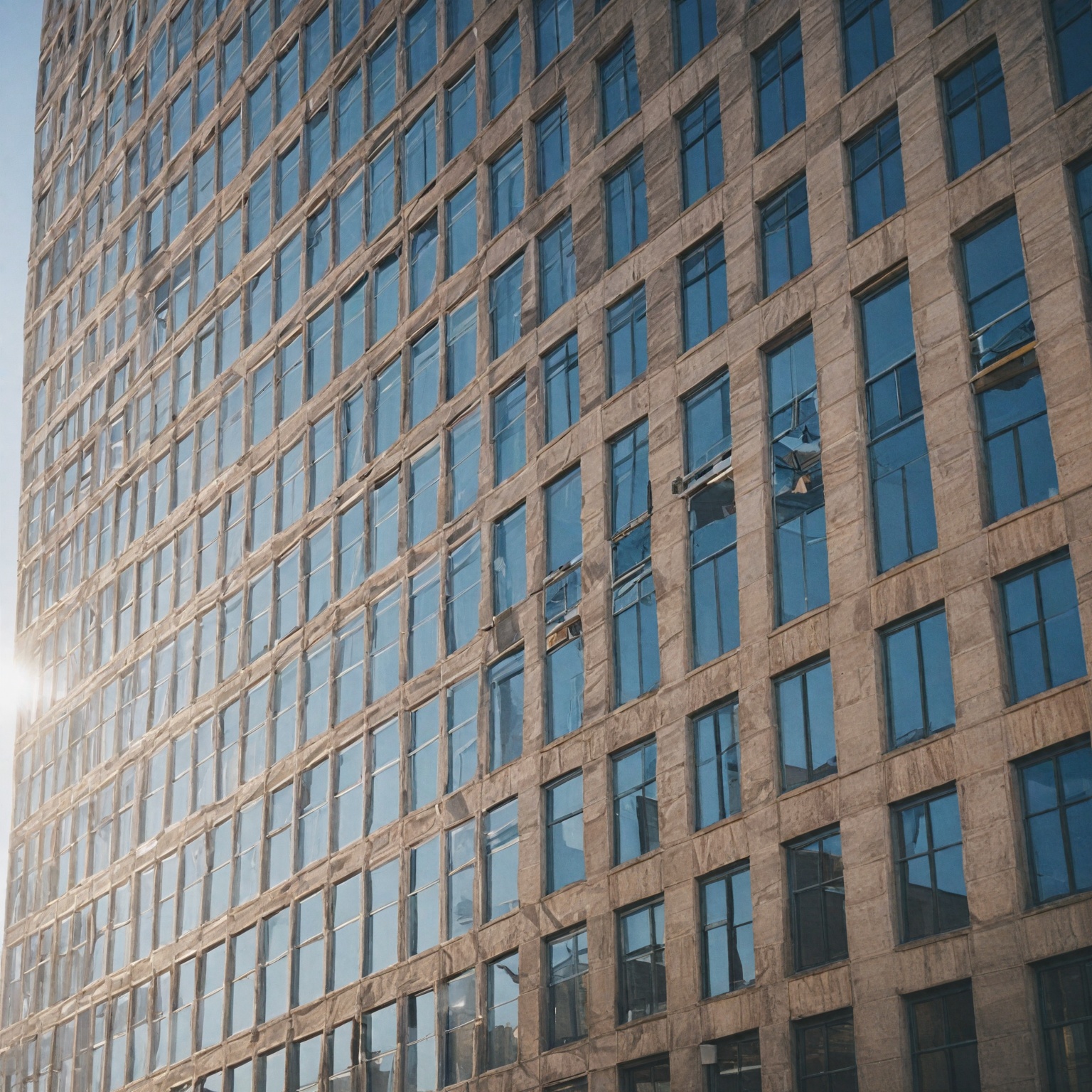
Within this context, issues have emerged concerning the structural integrity and aesthetic quality of some of these buildings. In particular, recent reports have highlighted problems with the all-white concrete facade of 432 Park Avenue, one of the most prominent towers in Billionaires’ Row. The facade has exhibited cracks, honeycomb patterns, small holes, and missing chunks of concrete, raising concerns about moisture infiltration and potential long-term deterioration. These issues have triggered extensive litigation involving developers, engineers, residents, and contractors, and suggest that the pursuit of architectural innovation and luxury may have pushed the limits of current skyscraper technology.
Discovery of Cracks
Cracks in the Billionaires Row tower were first noticed as a result of defects in the building fabric, changes in ground conditions, foundation movement, and tree root growth, among other factors that can cause structural stress and separation within the building components. These cracks varied in severity, ranging from minor aesthetic issues to concerns about structural instability.
The rapid appearance of new cracks and the emergence of failing repairs raised alarms about the building facing unexpected stresses, particularly from wind forces. Forensic engineer Scott Chen noted that these cracks compromised the building’s façade by allowing water infiltration, which accelerated deterioration through rusting and expansion of the steel reinforcement bars, further exacerbating cracking and reducing the building’s stiffness and ability to respond to environmental loads.
Evidence of cracking and concrete damage was found notably on the exterior of the sixth, 49th, and 54th floors, including “missing chunks” of concrete and failing patch jobs. These defects became a central issue in disputes involving the condo board and the developers. The condo board alleged that the extent and seriousness of the façade defects had been concealed from buyers and city inspectors, leading to legal action against CIM Group and other parties responsible for the building’s design and construction.
The building, completed in 2015 and located on Manhattan’s Billionaires Row near Central Park, had previously been subject to complaints about various defects, including noise from trash chutes, malfunctioning elevators, and swaying due to its slender design. However, the discovery of substantial cracking and façade deterioration marked a critical point in escalating conflicts between residents and developers.
Experts have highlighted that such cracking issues are becoming more prevalent with the rise of high-rise construction, particularly when newer architectural trends outpace existing building codes and regulations. In the case of this tower, exposure to weather on multiple faces of concrete balconies contributed to spalling, cracking, and reinforcement corrosion, further accelerating the degradation process.
Given the severity and complexity of the defects discovered, the importance of consulting professional structural engineers was underscored to properly assess and address the ongoing deterioration in the building’s structural elements.
Construction and Design
432 Park Avenue, a prominent supertall residential skyscraper on Manhattan’s Billionaires’ Row, features a distinctive all-white concrete facade that was a signature element insisted upon by its architects and developers. Achieving this aesthetic presented significant challenges for the construction team, as concrete normally acquires its gray tint from iron oxides in cement, and altering the mixture to achieve a pure white finish had implications on the material’s strength and durability. The team responsible for the concrete mix described the project as one of the most difficult concrete endeavors ever executed, needing to balance the building’s considerable height of nearly 1,400 feet with the stringent aesthetic requirements.
The exterior design employed load-bearing concrete walls and columns that support the slender tower. Structural engineers involved recognized the importance of combining stiff concrete cores with lighter, longer-spanning steel trusses to provide both stability and flexibility to the building’s framework. Admixtures were used to improve concrete flow and curing, while anti-corrosion additives were incorporated to prolong the lifespan of reinforcement materials.
Despite these measures, the building’s facade has developed hundreds of cracks and areas of missing concrete, particularly on higher floors. Experts suggest that these issues may stem from the stresses placed on the slender structure by wind and rain, which appear to be exceeding the design’s intended tolerances. Independent structural engineers have noted that the building is being taxed beyond what was originally planned, raising concerns about potential dangers to pedestrians below should the facade deteriorate further.
Disputes over the construction specifications arose during the building process. Internal disagreements emerged within the project team, with architects expressing concerns over changes to concrete specifications mandated by developers and contractors months before completion. The developers and construction companies have maintained that 432 Park Avenue was built to code and that the reported issues are not unusual compared to other large-scale projects, though plaintiffs in ongoing litigation have alleged otherwise, claiming a wide range of construction and design defects including life safety concerns.
Causes of Structural Issues
Structural issues in buildings, including the appearance of cracks, can result from a combination of natural phenomena, design flaws, construction defects, and external stresses. One primary cause is ground movement due to alternating periods of rain and drought, which lead to soil shrinkage and expansion beneath the building. Vegetation near structures exacerbates this effect, as plants absorb water during dry spells, increasing soil shrinkage and causing differential settlement that manifests as cracks. Human activities such as mining, foundation digging, or drilling can similarly alter soil conditions, triggering subsidence and resulting in structural damage.
Defective foundations stemming from inadequate design, poor-quality materials, or improper construction methods are another critical factor. Such foundation problems can induce subsidence, uneven settlement, or deformation, generating stress within the building’s structure and causing cracks in walls, floors, and foundations. Settlement cracking specifically arises when parts of a building shift unevenly due to soil movement, which is often influenced by moisture fluctuations or unstable ground conditions.
External loads also play a significant role. Buildings are subject to various forces, including dead loads, live loads, wind, seismic activity, and foundation settlement, all of which can induce stresses exceeding the strength of structural components and cause cracking. In particular, wind loads have been implicated in unexpected stress leading to façade cracking, which not only compromises aesthetics but also allows water infiltration. This water ingress accelerates corrosion of steel reinforcement bars (rebar), promoting further cracking and deterioration, and ultimately weakening the building’s stiffness and ability to resist wind forces.
Balconies and weather-exposed concrete elements are especially vulnerable to deterioration. Corrosion of embedded steel outriggers in balconies has led to cracking and even partial collapses, as seen in past incidents. The exposure of concrete on multiple faces to weather conditions promotes spalling, rusting of reinforcement, and crack propagation. Such deterioration frequently results in water accumulation and stagnation, worsening the damage compared to vertical façade surfaces.
In high-rise residential towers, like those in Billionaires Row, numerous severe cracks, spalling, and other defects have caused major water infiltrations and flooding. These conditions have led to widespread corrosion of steel reinforcement within concrete columns and other significant structural damages. Residents have reported visible cracks not only on exterior surfaces but also within drywall on interior walls and ceilings. Despite warnings from engineers and architects about these defects, some developers allegedly ignored or concealed the issues to avoid project delays and financial losses.
Investigations and Assessments
In 2022, an extensive inspection of the facade of 432 Park Avenue was conducted by a firm hired by the condominium owners. This inspection revealed numerous unsafe conditions, including defects spanning as high as the 85th floor, some of which were deemed “immediately hazardous”. Despite these findings, the New York City Department of Buildings does not directly perform such inspections; instead, it mandates that third-party contractors, hired by building owners, carry out the work. The city also does not routinely verify whether necessary repairs are completed on time.
The condo board has been particularly vocal about the extensive problems identified in the building’s exterior, which is characterized by its all-white concrete facade. Owners have reported thousands of severe cracks, spalling, and other forms of deterioration that have resulted in significant water infiltration and flooding. These issues have caused corrosion of the steel rebar reinforcing the concrete columns, contributing to considerable structural damage. According to the condo board’s engineering consultant, over 1,500 construction and design defects have been identified, many of which are described as life safety concerns.
The building’s developers, including CIM Group and Macklowe Properties, have disputed the severity of the issues. They maintain that the tower was designed and built by world-class professionals and was considered safe by inspectors. The developers have described the building as “Manhattan’s premier residence” that has “performed remarkably well,” acknowledging that virtually all new construction experiences maintenance and close-out items during initial occupancy. Nonetheless, the condo board filed a lawsuit in New York Supreme Court seeking $250 million in damages, asserting that the developers and associated companies are responsible for the myriad defects and safety concerns.
Experts and observers have pointed to the tower’s distinctive white concrete facade, which was insisted upon by the architects and developers, as a likely root cause of many of the issues. This design choice has been scrutinized as a possible factor contributing to the building’s widespread cracking and deterioration. The ongoing litigation and inspections reflect a complex entanglement of responsibilities among developers, engineers, contractors, and residents as they seek to resolve these critical safety and structural challenges.
Legal Actions and Allegations
Owners and the condo board of 432 Park Avenue have initiated multiple legal actions alleging severe structural defects and deliberate fraud related to the building’s façade. The complaints assert that the building’s exterior is plagued with thousands of cracks, spalling, and other forms of deterioration, with a 2016 concrete consultant’s report identifying nearly 1,900 defects in the façade. These defects have been characterized as not only extensive but also encompassing significant life safety issues.
The ongoing litigation began with a 2021 lawsuit filed by the condo board against the developers, CIM Group and Macklowe Properties, seeking $160 million in damages. This case remains pending in state court. In a subsequent and more expansive legal filing, condo owners escalated their claims, seeking over $165 million in damages, with some reports indicating demands as high as $250 million plus punitive damages. The allegations contend that the developers and associated contractors deliberately concealed the extent of the façade’s defects, engaging in a “calculated scheme” driven by greed that eroded the trust of residents.
Key parties named in the lawsuits include SLCE Architects, McGraw Hudson Construction Corp, and engineering firm WSP. The condo board accuses SLCE Architects of misleading potential buyers through “materially false” claims in the building’s offering plan, notably altering language from stating the concrete “will” prevent water penetration to it being only “designed to” do so. Furthermore, McGraw Hudson and WSP are alleged to have misrepresented the severity and nature of the façade’s cracking in communications with the New York City Department of Buildings, omitting full disclosure of the nearly 1,900 defects uncovered in their surveys.
The litigation also highlights broader concerns related to the building’s design and maintenance. The condo board argues that the developers failed to adequately consider the building’s extraordinary height, resulting in structural elements responsible for flooding, noise, and vibration issues. Meanwhile, the building’s sponsor has defended the structure, describing it as “Manhattan’s premier residence” and asserting that it has performed “remarkably well” despite acknowledging the presence of maintenance and close-out issues typical of new constructions. The sponsor also claimed that repair efforts have been delayed by obstruction from condo owners, complicating resolution efforts.
Developers and architects have vehemently denied the allegations, filing motions to dismiss the complaints and stating that the reported issues are not unusual compared to other high-rise buildings, and that plaintiffs have exaggerated the scope of necessary repairs. Meanwhile, engineering firm WSP declined to comment on the allegations, and McGraw Hudson Construction Corp did not respond to media inquiries.
Underlying much of the dispute is the building’s distinctive all-white concrete façade, a signature element insisted upon by its architects and developers, which is believed to contribute to the complex structural challenges faced by 432 Park Avenue. The multifaceted legal battle reflects ongoing tensions among developers, engineers, contractors, and residents over accountability and the future of the tower’s structural integrity.
Developer and Stakeholder Responses
The developers and associated stakeholders of 432 Park Avenue have responded to the multiple allegations and lawsuits regarding the building’s structural defects with a mixture of denial and commitments to remediation. The building’s sponsor, formed by CIM Group and Macklowe Properties, defended the tower as “Manhattan’s premier residence” and stated that it has “performed remarkably well.” They acknowledged that “virtually all new construction has maintenance and close-out items during the building’s initial period of occupancy” and expressed a
Impact on Residents and Property Market
The presence of structural defects and ongoing legal challenges in 432 Park Avenue have had significant repercussions on both residents and the broader property market. Despite the issues, some owners remain committed to residing in the building, valuing it as a “world-class residential property” and expressing a desire to continue living there. However, widespread complaints from residents highlight ongoing problems, including creaking, banging, clicking noises, elevator malfunctions, flooding, and severe deterioration of the white concrete façade, which has caused water infiltration and corrosion of reinforcing steel.
These persistent defects have contributed to a marked decline in sales activity and a drop in property prices for units within the building. Real estate professionals have noted a noticeable cooling in the ultraluxury market, exacerbated by the stigma associated with the building’s flaws, which threatens the resale potential of affected units. The challenges facing 432 Park Avenue reflect a broader trend in Billionaires’ Row, where several supertall residential skyscrapers have experienced slow sales and lingering vacancies. As of August 2021, approximately 44% of units across seven major buildings in the area remained unsold, signaling a saturation of the ultraluxury apartment market.
Developers have been forced to reconsider marketing strategies, with plans for new high-end projects on nearby 57th Street postponed amid the cooled demand at the top end of the market. Nonetheless, demand for more moderately priced apartments below $3 million remains competitive, highlighting a bifurcated real estate market. The experience of 432 Park Avenue and other Billionaires’ Row towers has raised concerns about the long-term viability and desirability of such ultraluxury developments, given their structural issues, high maintenance costs, and alienation from the broader New York community.
Media Coverage and Public Reaction
The controversy surrounding the structural defects of the Billionaires’ Row tower has attracted significant media attention, highlighting the growing concerns among residents, real estate professionals, and the general public. Various news outlets have detailed the allegations of extensive concrete cracking, corrosion, and flooding within the building, framing the issue as emblematic of broader challenges faced by supertall residential skyscrapers in New York City.
Media reports have underscored the severity of the residents’ complaints, which include poorly functioning elevators, noisy garbage chutes, and mechanical problems that have reportedly persisted since the building’s early days. The widespread coverage has amplified the narrative of a high-profile real estate failure, contrasting the tower’s initial image as a symbol of ultraluxury living on Billionaires’ Row with the harsh reality of ongoing legal disputes and construction flaws.
Public reaction has been mixed. Some residents remain committed to maintaining the building as a “world-class residential property,” expressing their desire to resolve the issues and continue living there despite the setbacks. However, the stigma of structural defects and the associated lawsuits have negatively affected resale values and dampened sales activity, signaling a significant impact on the tower’s real estate market reputation.
Developers and associated firms have responded defensively to the media scrutiny, vehemently denying the allegations of shoddy construction and attempting to dismiss the lawsuits as exaggerated. Statements from developer representatives have characterized the appearance of concrete cracks as expected for the materials used and the building’s scale, downplaying concerns about the building’s safety and integrity.
The content is provided by Jordan Fields, Home Upgrade News