Summary
The Ultimate Kitchen Renovation Guide: Uncover Tips, Cost Insights, Storage Solutions, and Design Inspirations is a comprehensive resource designed to assist homeowners, designers, and contractors in planning and executing successful kitchen remodels. It covers every crucial aspect of kitchen renovation, from initial budgeting and design considerations to the renovation process, cost management, and sustainable practices. Given the kitchen’s central role in home life and its impact on property value, this guide aims to provide practical advice and expert insights to help achieve both functional and aesthetic goals.
This guide emphasizes the importance of careful planning, including assessing existing structural, electrical, and plumbing systems, finalizing design layouts, and creating realistic budgets with contingency funds to avoid overruns. It explores current design trends such as efficient layouts based on the “work triangle,” modern minimalist cabinetry, and the integration of indoor and outdoor spaces. Additionally, it addresses emerging style preferences for 2024 and 2025, including the use of sustainable materials and eclectic color palettes that balance innovation with timeless appeal.
A significant portion of the guide is dedicated to detailed cost breakdowns, highlighting key expenses like cabinetry, countertops, appliances, demolition, and permits, while offering strategies to manage budgets and mitigate common renovation challenges such as delays and unexpected structural issues. It also presents innovative storage solutions tailored for maximizing space efficiency in various kitchen sizes, incorporating elements like hanging rails, pullout shelves, and hidden compartments to enhance both utility and style.
The guide also addresses controversies and challenges homeowners may face, such as balancing design ambitions with budget constraints, navigating complex permitting and structural requirements, and integrating new technologies and sustainable materials without escalating costs. Through case studies and maintenance advice, it underscores the value of thoughtful design, quality craftsmanship, and ongoing upkeep in ensuring that a kitchen renovation delivers lasting satisfaction and increased home value.
Planning a Kitchen Renovation
Planning a kitchen renovation involves careful preparation, budgeting, and decision-making to ensure a successful outcome. The process typically begins by finalizing the kitchen cabinet design, timeline, plans, and contracts, alongside creating a detailed scope of work that clearly outlines responsibilities and sets a completion date. Establishing a realistic budget is crucial, as it influences choices of materials and finishes, with options ranging from low-end vinyl or laminate flooring to high-end marble or hardwood surfaces.
A comprehensive assessment of the existing kitchen’s structural, electrical, plumbing, and mechanical systems is essential before construction starts. This evaluation helps identify common problem areas such as old wiring, plumbing leaks, or structural weaknesses, which can impact the renovation scope and timeline. Allocating a contingency fund to address unforeseen issues is recommended to avoid budget overruns. Homeowners are advised to adhere strictly to the initial design plan to prevent disruptions and additional expenses.
Defining renovation goals based on the current kitchen’s strengths and weaknesses is another important step. Considerations such as traffic flow, appliance placement, storage needs, and whether entertaining is a priority help shape a functional and efficient design. Engaging a qualified kitchen designer or contractor during this phase can provide valuable insights and help avoid costly mistakes. Maintaining clear communication, setting expectations upfront, and regularly monitoring progress are key practices to keep the project on track and handle changes or unexpected challenges effectively.
Lastly, planning the renovation budget includes exploring financing options such as home equity loans, Home Equity Lines of Credit (HELOC), FHA 203(k) loans, personal loans, or credit cards, each with its own advantages depending on the project size and homeowner’s financial situation. Prioritizing renovation elements and resisting the urge to add costly extras help ensure that essential upgrades are completed within budget. This strategic planning phase lays the foundation for a smooth kitchen remodel and a satisfying end result.
Design Considerations
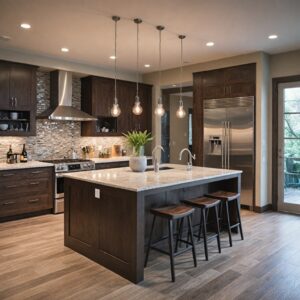
When planning a kitchen renovation, thoughtful design considerations are essential to create a functional, aesthetically pleasing, and efficient space. The layout is often regarded as the most critical component of a kitchen remodel, as it directly impacts workflow and usability. Common configurations include U-shape, L-shape, galley, and island layouts, each catering to different space requirements and lifestyle needs. A fundamental principle in kitchen design is the “work triangle,” which connects the refrigerator, sink, and stove to promote unobstructed and efficient movement during cooking tasks.
Efficiency and flow are paramount, especially in kitchens that serve multiple purposes or have high traffic. Designers emphasize the importance of arranging appliances and work areas to avoid bottlenecks, particularly when entertaining or accommodating multiple users. Some modern solutions even incorporate two kitchen islands to optimize flow, although opinions on this approach vary among professionals. Selecting a qualified contractor and maintaining clear communication throughout the renovation process help ensure the design vision is realized without unnecessary delays or misunderstandings.
Style choices in kitchen design continue to evolve, blending practicality with visual appeal. Modern kitchens often feature clean lines, sleek surfaces, and uncluttered layouts that invite usability while maintaining warmth through natural materials like wood or subtle metallic finishes. For example, slab-front cabinetry is gaining popularity over traditional shaker styles, supporting the trend toward minimalist, “less is more” aesthetics. Open shelving provides both creative expression and additional storage, striking a balance between style and function.
Color trends in 2024 reflect a move away from all-white kitchens toward richer, more personalized palettes. Blues remain a staple, but green hues—evoking nature and tranquility—are emerging as favorites. Eclectic styles that blend various textures and cultural influences, including Asian-inspired designs for their calming effect, are also gaining traction. Darker, moodier palettes aligned with Western Gothic styles offer a dramatic alternative for those seeking a bold statement.
Integration of indoor and outdoor spaces is another significant trend, as homeowners seek to foster social engagement and a connection with nature. Advances in durable, attractive materials make outdoor kitchens a feasible and desirable extension of the home’s culinary area. Additionally, lighting plays a critical role in both functionality and ambiance. Layered lighting schemes combine task lighting with warm, cozy fixtures to create inviting environments suited for both cooking and entertaining.
Cost Insights
Kitchen renovation costs vary widely depending on the scope of the project, materials chosen, location, and labor expenses. According to Remodeling’s 2024 Cost vs. Value Report, a minor mid-range kitchen remodel averages around $27,492 nationally, but this typically excludes major changes such as relocating plumbing fixtures or altering the room layout. More extensive mid-range renovations can cost about $79,982, while upscale remodels may reach an average of $158,530.
One of the primary factors influencing cost is the kitchen’s footprint—expanding the space or reorienting the layout significantly increases expenses. Labor and material availability also vary by region, impacting overall pricing. To control costs, experts recommend investing in durable, high-quality appliances, which tend to reduce future repair costs and improve longevity.
Breakdown of Key Costs
- Cabinet Hardware and Countertops: Cabinet hardware prices range from under $100 to over $10,000 depending on the style and material, with ornate handles costing up to $500 each, while simpler options can be as low as $1–$2 apiece. Countertop installation averages between $1,800 and $4,400 but can exceed $10,000 for premium materials like quartz or stainless steel.
- Backsplash Installation: Installing a backsplash typically costs between $500 and $1,500, or $15 to $40 per square foot, including materials and labor. Homeowners who are skilled DIYers can reduce costs substantially by handling the backsplash installation themselves, since labor can account for roughly 40% of the expense.
- Appliance Packages: A standard appliance package ranges from $10,000 to $35,000 depending on brand, quality, and size. More affordable packages, including a fridge, microwave, oven-stove range, and dishwasher, often cost between $2,100 and $5,400 with discounts available at large retailers.
- Plumbing and Electrical Work: Plumbing costs vary widely based on the services required, permits, and materials, typically ranging from $2,300 to $5,750 for permits alone, with additional materials and fixture costs around $4,025. Electrical supplies for an average kitchen renovation can add approximately $520.
- Demolition Costs: Kitchen demolition generally costs about $800 on average but can range from $230 to $3,800 depending on the complexity of the job, including removal of heavy materials or load-bearing walls and whether parts are salvaged or recycled. Obtaining necessary permits and accounting for trash removal are important considerations that may increase the cost.
Managing Budget and Avoiding Overruns
Project delays and cost overruns are common challenges in kitchen remodels. Delays often result from poor planning, material shortages, or unforeseen structural issues. To mitigate these risks, it is crucial to conduct a thorough assessment of existing electrical, plumbing, and structural systems before beginning construction. Setting aside a contingency fund for unexpected problems and adhering strictly to the original design plan can help avoid additional expenses.
Additional Considerations
Selecting cabinetry style has a significant impact on the budget. While fully custom cabinetry is the most expensive option, semi-custom or stock cabinets offer more affordable alternatives without compromising style and function. Moreover, layout planning is essential to ensure an efficient workflow, often guided by the “work triangle” concept involving the refrigerator, sink, and stove. Effective use of space and thoughtful appliance placement can improve functionality without excessive cost increases.
By understanding these key cost drivers and planning carefully, homeowners can better navigate their kitchen renovation budgets and achieve a balance between quality, functionality, and style.
Storage Solutions
Effective storage solutions are essential to maximizing kitchen space, especially in smaller or more compact areas. A variety of innovative and practical ideas can help optimize storage while enhancing the kitchen’s overall aesthetic.
One popular option is the use of hanging rails, which not only provide additional storage for pots, pans, and utensils but also add a rustic, farmhouse charm to the kitchen. Hanging bars with simple S-hooks can give a kitchen an industrial edge and are particularly useful when shelf or drawer space is limited. Similarly, hanging pots and pans, especially in front of a window, can create a striking focal point that combines function and style.
Pantry cupboards remain a dream for many, offering ample food storage without overwhelming the kitchen design. Modern pantries can be seamlessly integrated as cabinets with minimalist facades, maintaining a clean and uncluttered look that fits minimalist aesthetics. For kitchens lacking pantry space, freestanding shelves or tall bookcases provide alternative storage solutions that utilize vertical space efficiently without consuming too much floor area.
Corner cabinets often pose challenges but can be greatly enhanced through solutions such as lazy Susans and blind corner cabinets. These rotating and pullout shelving systems improve accessibility to items stored in the back of deep or awkward corners, reducing wasted space. Pullout shelves are another highly rated innovation, allowing easy access to pots, pans, and other kitchenware, especially in deeper cabinets where reaching the back is difficult.
Floating shelves crafted from natural materials like solid wood or mango wood blend rustic charm with modern minimalism, offering both storage and display opportunities without occupying floor space. These shelves can be arranged individually or in groups for an elegant, visually interesting presentation of kitchen essentials and decorative accessories.
Clever hidden storage ideas also contribute to maximizing space. Shallow cabinets repurposed as hidden message stations or charging drawers provide multi-functionality while remaining discreet. Slim cabinets designed specifically for brooms, vacuum cleaners, and cleaning supplies can be incorporated into tight spaces, sometimes featuring concealed doors or pass-throughs to adjoining rooms for added convenience.
Additionally, kitchen designs that integrate outdoor elements or blend indoor and outdoor spaces reflect current trends aimed at fostering social engagement and a connection to nature, sometimes influencing storage considerations and materials used. Choosing furniture and fixtures, such as pedestal-style stools, that contrast with hard lines and add organic elements can complement these designs while preserving functionality.
Renovation Process
A successful kitchen renovation follows a series of well-planned phases that help manage expectations, control costs, and reduce stress throughout the project. Typically, the renovation process begins with finalizing the kitchen cabinet design, timeline, detailed plans, and contracts. It is essential to create a clear scope of work outlining responsibilities and setting a completion date to keep the project on track.
The kitchen remodel generally proceeds through several key stages. First, demolition involves removing old fixtures, cabinetry, countertops, and flooring. Depending on whether parts are salvaged for reuse or recycling, demolition can vary in complexity and cost, typically ranging from $230 to $3,800. Permits may be required for demolition, and removing heavy or structural elements may add to expenses. Following demolition, structural work, electrical and plumbing rough-ins are completed, ensuring that any necessary upgrades or repairs to outdated systems are addressed before moving forward.
Next, the installation phase begins with hanging, taping, and finishing drywall, including any additional sections like countertop bars. Cabinets and countertops are then installed, which can vary widely in price depending on materials and customization levels. Hardware costs range from under $100 to over $10,000, while countertop installation can cost between $1,800 and $10,000 or more for premium materials such as quartz or stainless steel.
Final touches include appliance installation, finish work such as painting and hardware fitting, and thorough cleanup. This phase ensures that all elements function properly and that the kitchen is ready for use. Proper preparation throughout the renovation process helps mitigate the disruption to daily routines and keeps the project within budget and timeline.
Throughout the renovation, challenges such as unexpected structural damage, outdated plumbing, or electrical issues may arise, causing delays and additional costs. Homeowners often face difficulties integrating new ventilation ducts with existing floor joists, requiring expert input from structural engineers and HVAC technicians to maintain safety and efficiency. Expanding kitchen size or changing layouts can further complicate the project but often adds significant value to the home.
With careful planning, understanding of typical phases, and readiness for potential setbacks, homeowners can navigate the renovation process successfully, ending with a beautifully remodeled kitchen and valuable new experiences.
Environmental and Sustainability Considerations
In recent years, kitchen renovation trends have increasingly emphasized reducing the carbon footprint without compromising style. This movement towards eco-friendly choices reflects a broader commitment to environmental responsibility while introducing unique textures and color palettes that revitalize kitchen spaces. Designers are prioritizing the use of natural and recycled materials that not only offer enduring qualities but also support wellness throughout the home. For example, kitchens featuring generous applications of natural surfaces, such as those designed with sustainably sourced wood or recycled stone, are becoming prominent in 2025 design trends.
Blending indoor and outdoor environments has also gained popularity as a means to foster social engagement and enhance connection to nature. According to the American Society of Interior Designers (ASID) 2025 Trends Outlook report, spaces that straddle the line between inside and out create inviting, multifunctional areas. The use of advanced, durable materials allows for elevated outdoor kitchen designs that merge beauty with longevity, expanding design possibilities beyond traditional interiors.
Sustainable materials like solid mango wood offer a blend of functionality and modern style, providing durable storage solutions that are crafted to last. These materials often come with unique grain patterns, adding a natural aesthetic that complements environmentally conscious kitchen designs. Integrating such elements ensures that kitchens are not only stylish and practical but also aligned with principles of sustainability and responsible sourcing.
Design Inspirations and Trends
Kitchen design continues to evolve by blending style and practicality, creating spaces that are both functional and visually appealing. The latest trends for 2024 highlight an exciting fusion of innovative materials, smart technology, and
Case Studies and Examples
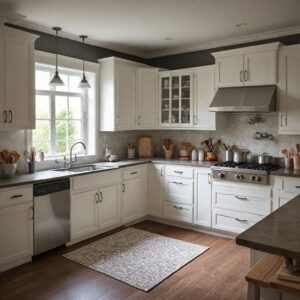
One notable example of kitchen design that appeals to homeowners valuing intricate craftsmanship is the Old World kitchen style. This design features detailed moldings, hand-carved elements, dark wood flooring, and a rustic charm that balances elegance with a diverse mix of design influences characteristic of European aesthetics. Such kitchens exemplify how blending tradition with sophisticated details can create a timeless and inviting space.
In contrast, minimalist and modern kitchen designs have gained popularity, particularly in urban areas like Los Angeles. The Modern Farmhouse style by Jamie Bush & Co. showcases a streamlined, simple aesthetic that prioritizes functionality and clean lines while maintaining warmth and character. This approach highlights the evolving tastes of homeowners seeking both style and practicality.
Budget considerations heavily influence material choices in kitchen renovations. For instance, low-end remodels might incorporate vinyl, linoleum, laminate, or concrete flooring, while mid-range projects often use porcelain, ceramic tile, or cork. High-end renovations typically feature luxury materials such as marble, slate, hardwood, or engineered wood, each contributing uniquely to the kitchen’s overall look and feel. These examples demonstrate how budget tiers affect design decisions and material selection.
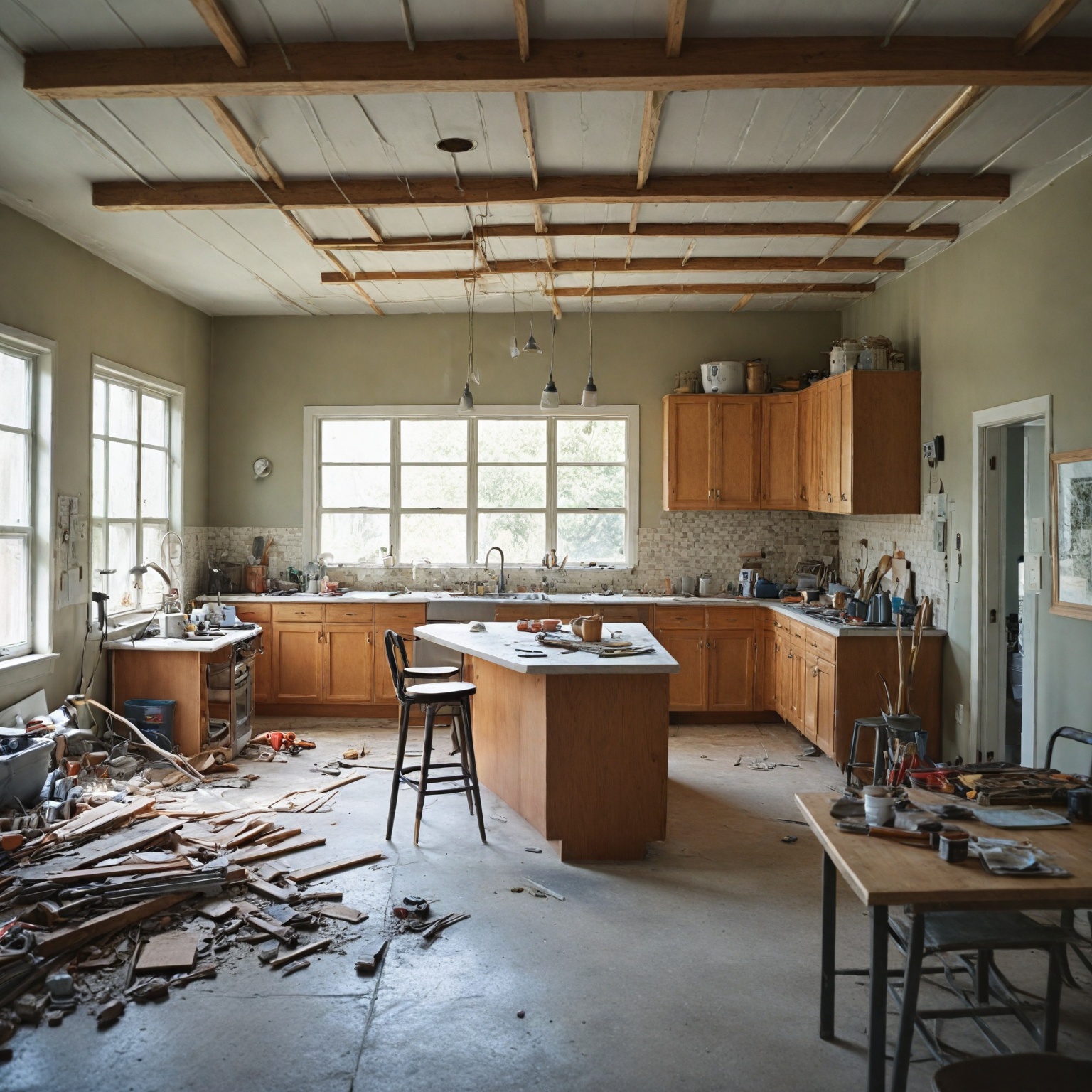
A transformation illustrating the impact of thoughtful planning is seen in a kitchen remodel focused on consistency and unity. Initially marked by an unorganized layout and lack of planning, the renovated kitchen became a stunning space that significantly enhanced the home’s appeal through deliberate design choices and cohesive styling.
Together, these case studies underscore the importance of balancing aesthetic preferences, budget constraints, and functional needs to achieve a successful kitchen renovation tailored to individual tastes and requirements.
Maintenance and Upkeep
Proper maintenance and upkeep are essential to preserving the functionality and appearance of your newly renovated kitchen. Regular cleaning and organization help maintain a tidy and efficient workspace, which is crucial for both cooking and overall kitchen hygiene. Keeping items sanitized and readily accessible supports a smooth workflow and reduces the buildup of dirt and grime on surfaces and appliances.
To extend the longevity of your kitchen fixtures and systems, it is important to routinely inspect and care for key components such as plumbing, electrical wiring, and mechanical systems. Early detection of potential issues, like leaks or faulty wiring, can prevent costly repairs and disruptions later on. Additionally, adopting creative storage solutions can alleviate clutter, optimize space utilization, and simplify maintenance tasks by making everything easier to find and put away.
Maintaining open communication with any contractors or service providers involved in your kitchen remodel can also aid in addressing post-renovation problems promptly. Being prepared for unexpected setbacks and having contingency plans ensures that maintenance remains manageable without unnecessary stress. Overall, a consistent upkeep routine combined with strategic organization safeguards the investment you have made in your kitchen renovation.
The content is provided by Sierra Knightley, Home Upgrade News