Summary
Regular maintenance of kitchen and bathroom plumbing is crucial to prevent common issues such as blockages, leaks, and corrosion that can lead to costly repairs and significant property damage. These high-traffic areas are especially vulnerable to water-related problems due to frequent use and exposure to moisture, making timely upkeep essential for preserving their functionality and comfort. Recognizing early warning signs like slow drains, low water pressure, unusual noises, and foul odors can help homeowners address problems before they escalate.
Neglecting urgent maintenance needs in kitchens and bathrooms not only disrupts daily activities but also poses risks including water damage, mold growth, and compromised indoor air quality. Issues such as corroded pipes, leaking fixtures, and clogged drains often stem from factors like improper materials, inadequate care, and natural wear, highlighting the importance of routine inspections and repairs. Advances in design and technology have introduced new maintenance considerations, such as smart appliances and integrated sensors, which require specialized knowledge to ensure optimal performance and safety.
Effective upkeep involves both routine tasks—such as cleaning exhaust fans, inspecting pipes, and monitoring drainage—and knowing when to seek professional assistance for more complex problems. Timely intervention can extend the lifespan of plumbing systems, reduce the likelihood of emergency repairs, and maintain the health and safety of the home environment. This article explores the telltale signs indicating urgent maintenance needs in kitchens and bathrooms, common underlying causes, risks of neglect, routine care strategies, and the evolving role of design and technology in maintenance practices.
Importance of Regular Kitchen and Bathroom Maintenance
Regular maintenance of kitchen and bathroom plumbing is essential to prevent common issues such as blockages and leaks, which can lead to costly repairs if neglected. Routine inspections help identify minor problems early on, ensuring they do not escalate into major complications that disrupt daily activities or damage property. Maintaining plumbing systems is particularly important due to their frequent use and the potential for water damage. Consistent upkeep not only helps avoid hefty repair costs but also preserves the functionality and comfort of these spaces.
Common Signs Indicating Urgent Maintenance Needs
Homeowners should be vigilant in recognizing early warning signs that their kitchen and bathroom plumbing systems require urgent maintenance to avoid costly repairs and damage. Several common indicators point to underlying issues that need prompt attention.
One of the most frequent problems is slow or clogged drains. Slow drainage can result from localized clogs caused by hair, food scraps, grease, or toothpaste buildup. While some clogs near the drain may be simple DIY fixes, slow drains throughout the home could indicate more serious issues such as tree root intrusion or major blockages in the sewer line. Unpleasant odors emanating from drains often signal blocked air vents, stagnant water in overflow drains, or a dry P-trap, all of which require timely intervention to prevent further plumbing complications.
Low water pressure is another clear sign of plumbing trouble. When a single faucet has weak flow, the problem may be as simple as a clogged aerator; however, if low pressure occurs at multiple fixtures, it could point to defects in the water main, water heater, or leaks in supply lines. Additionally, hearing water flowing in pipes when no faucets are in use often suggests hidden leaks or defects, warranting a professional inspection.
Leaks are a serious concern in kitchen and bathroom plumbing. Drain leaks frequently happen at slip joints or connections beneath sinks and toilets. These leaks can cause water to seep into flooring, leading to rot, subfloor damage, and even ceiling stains in rooms below. Signs of toilet leaks include water around the base, loose toilet movement, and ceiling stains beneath bathroom walls. Supply line leaks under sinks often go unnoticed but can cause extensive damage to cabinetry and flooring over time.
Noise issues such as humming or vibrating pipes typically indicate excessive water pressure, causing pipe vibrations that may worsen if unaddressed. Persistent or loud noises coming through walls may require professional help to prevent pipe damage.
Corrosion is a critical issue affecting metal pipes, especially galvanized steel and cast iron. Rust spots, pitted pipe surfaces, and brownish water coming from faucets indicate internal corrosion that can lead to pipe weakening, cracking, and leaks. Corrosion may also manifest as water-stained or warped floors, damaged baseboards, and flaking or discolored pipes. Early detection and professional pipe inspections are essential to prevent severe structural damage.
Other warning signs include foul odors resembling rotten eggs, which often indicate ruptured sewer pipes or malfunctioning evacuation vents and require immediate plumbing service. Cloudy or discolored water can signal the presence of air in pipes or rust contamination, and these water quality changes should not be ignored.
Routine cleaning and maintenance, such as vacuuming exhaust fan grills and checking for signs of mold caused by leaks, also contribute to early identification of problems and overall home upkeep.
By recognizing these telltale signs—slow drains, low water pressure, leaks, unusual noises, corrosion, foul odors, and water discoloration—homeowners can address kitchen and bathroom plumbing issues promptly before they escalate into more serious and costly repairs.
Common Causes and Underlying Issues
Kitchen and bathroom plumbing problems often stem from a variety of common causes that, if left unaddressed, can escalate into significant damage and costly repairs. One of the primary contributors is pipe corrosion, which affects many homes due to the widespread use of metal pipes such as cast iron, galvanized steel, and copper. Corrosion occurs when hydrogen sulfide gas from sewage oxidizes inside pipes, producing sulfuric acid that gradually eats away at the pipe walls, leading to cracks and leaks. Signs of corrosion may include rust formations on pipes, wet or damaged baseboards, warped floors, and loose tiles, often indicating that internal pipe damage is present even if leaks are not immediately visible.
Another frequent cause of plumbing issues is improper maintenance and the accumulation of debris in the drain lines. For example, pouring grease down kitchen drains can clog pipes and foster corrosion, exacerbating blockages and water flow problems. Additionally, the choice of pipe material plays a crucial role in the durability of plumbing systems. While traditional materials like cast iron and galvanized steel are prone to rust and deterioration over time, modern alternatives such as polyvinyl chloride (PVC) and chlorinated polyvinyl chloride (CPVC) offer greater resistance to corrosion and ease of installation. However, some plastics like CPVC are sensitive to UV exposure and may become brittle, limiting their outdoor application.
Leaky faucets, clogged drains, and faulty water heaters are among the common symptoms indicating underlying plumbing problems that can disrupt daily household activities. Ignoring even small leaks can result in water damage to walls, floors, and paintwork, as well as mold growth, emphasizing the importance of prompt repair and maintenance. Moreover, the use of cheaper or incompatible materials, or improper installation practices—such as mixing copper and iron pipes without suitable fittings—can accelerate corrosion and pipe failure. Regular inspections and timely replacement of worn or corroded components can prevent these issues from escalating, ultimately safeguarding the functionality and longevity of kitchen and bathroom plumbing systems.
Risks of Ignoring Urgent Maintenance Signs
Neglecting urgent maintenance signs in the kitchen and bathroom can lead to significant problems that disrupt daily life and result in costly repairs. Plumbing issues such as leaky faucets, clogged drains, and faulty water heaters are common and can quickly escalate if left unaddressed. Because much of a home’s pipework is hidden, leaks often go unnoticed, allowing wastewater to accumulate and foster the growth of mold and unpleasant odors, which can compromise indoor air quality and health.
Water damage is a major risk associated with ignoring maintenance needs. Floors in moisture-prone areas like bathrooms and kitchens are particularly vulnerable; even minor damage such as eroded grout or caulk can allow water to seep beneath tiles or linoleum, causing the flooring to shift, bubble, or become uneven. Over time, this can lead to structural deterioration and the need for expensive repairs or replacements. The financial impact can be substantial, with average water-related repairs costing between $350 and $1,200, and severe damage such as burst pipes or collapsing fixtures causing even higher expenses.
Furthermore, widespread issues like a weak water stream throughout the home may indicate more serious problems with the water main, water heater, or supply lines, potentially affecting the entire plumbing system’s integrity. Discolored water, often a sign of bathroom plumbing failure, signals contamination or sediment buildup that can affect health and appliance function if ignored.
Effective Routine Maintenance Tasks
Regular maintenance of kitchen and bathroom areas is essential to prevent costly repairs and ensure a healthy living environment. Key tasks include cleaning and inspecting exhaust fans, checking plumbing, and monitoring drainage systems.
One of the most important routine tasks is cleaning and testing bathroom and kitchen exhaust fans. These fans help remove moisture and odors, reducing the risk of mold growth. Experts recommend removing and cleaning these fans at least once a year to maintain their efficiency. Vacuuming the exhaust fan grill more frequently can also help keep air flowing properly. Additionally, it is advisable to inspect pipes under kitchen and bathroom cabinets every few months for signs of corrosion or rust, which could indicate potential leaks or damage.
Drainage lines require regular inspection as well. If unpleasant odors emanate from sinks, toilets, or shower drains, it may signal blockages or buildup that need addressing early to avoid extensive damage. Removing sink stoppers to check for obstructions with a flashlight or using a manual plumber snake can clear common clogs. However, persistent problems should prompt consultation with professional plumbers.
Listening for unusual sounds, such as water flowing through pipes when no fixtures are in use, can indicate leaks or defects in the plumbing system. If the water meter continues to run under these conditions, it is advisable to contact a specialist promptly to prevent further damage.
Electrical safety checks are also important, especially near water sources like kitchens and bathrooms. Testing Ground Fault Circuit Interrupter (GFCI) outlets regularly ensures that they are functioning correctly to prevent electrical hazards.
For tiled bathroom surfaces, routine inspection of grout lines is crucial. Grout erosion can allow water to seep behind tiles, leading to structural damage. Applying sealers after installation creates a moisture barrier that helps protect these porous surfaces.
Incorporating these routine maintenance tasks into a regular schedule can keep kitchen and bathroom systems in prime working condition and extend their lifespan, saving homeowners time and expense in the long term.
When to Seek Professional Inspection and Repair
Determining when to call a professional for kitchen and bathroom maintenance can be challenging for homeowners. While many routine tasks and minor repairs can be managed independently, the decision often depends on an individual’s age, ability, knowledge, and comfort level with the work involved. Basic maintenance can prevent small issues from escalating, but some problems require expert intervention to avoid costly damage or safety hazards.
Home inspectors emphasize not only identifying what needs to be done but also explaining how urgently repairs should be addressed and the best approach to take. Before embarking on any seasonal maintenance or repair projects, it is advisable to thoroughly examine both the interior and exterior of the home to assess the extent of issues. Although many tasks can be safely completed by homeowners, recognizing when a project exceeds personal capability is crucial to prevent further damage.
Certain warning signs suggest that plumbing or fixture issues have become serious enough to warrant professional inspection. These include unexpected increases in water bills, persistent odors, or visible leaks that may be hidden behind walls or beneath floors. Such elusive problems often go unnoticed until they cause significant damage, making early expert diagnosis vital.
Furthermore, some repairs—especially those involving kitchen and bathroom plumbing—require specialized tools and knowledge that professionals possess, ensuring the job is done correctly and safely. While many homeowners renovate kitchens only every few decades, regular preventative maintenance and timely replacement of worn components can extend the lifespan of fixtures and appliances, reducing the likelihood of emergency repairs.
Influence of Design and Technological Advances on Maintenance
The evolution of kitchen and bathroom design has had a significant impact on maintenance requirements, driven largely by innovations in both aesthetics and technology. Modern designs emphasize not only style but also functionality, which can influence how maintenance is approached and managed.
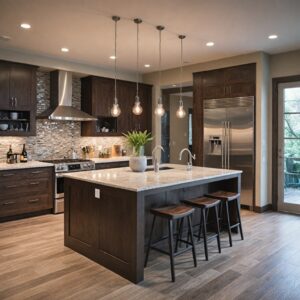
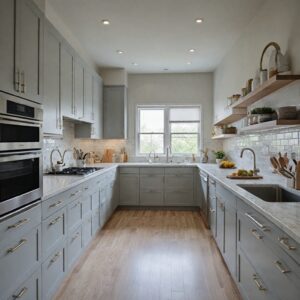
In kitchens, open-concept layouts continue to gain popularity, promoting seamless transitions between cooking, dining, and living areas. This design trend encourages the use of unified color schemes, layered textures, and mixed furniture styles to create cohesive, inviting spaces. Additionally, innovations such as under-cabinet lighting and pendant lights over islands serve dual purposes: enhancing the luxury feel while providing practical illumination, which can reduce wear caused by poor lighting conditions during use.
Technological advancements have introduced smart features into kitchen and bathroom environments, further shaping maintenance considerations. For instance, appliance sensors can monitor activities like opening the refrigerator or cooking, and can even alert remote caregivers about potential health concerns if irregular usage patterns are detected. Such connected systems require not only initial installation but ongoing software updates and occasional hardware maintenance, adding a new dimension to traditional upkeep routines.
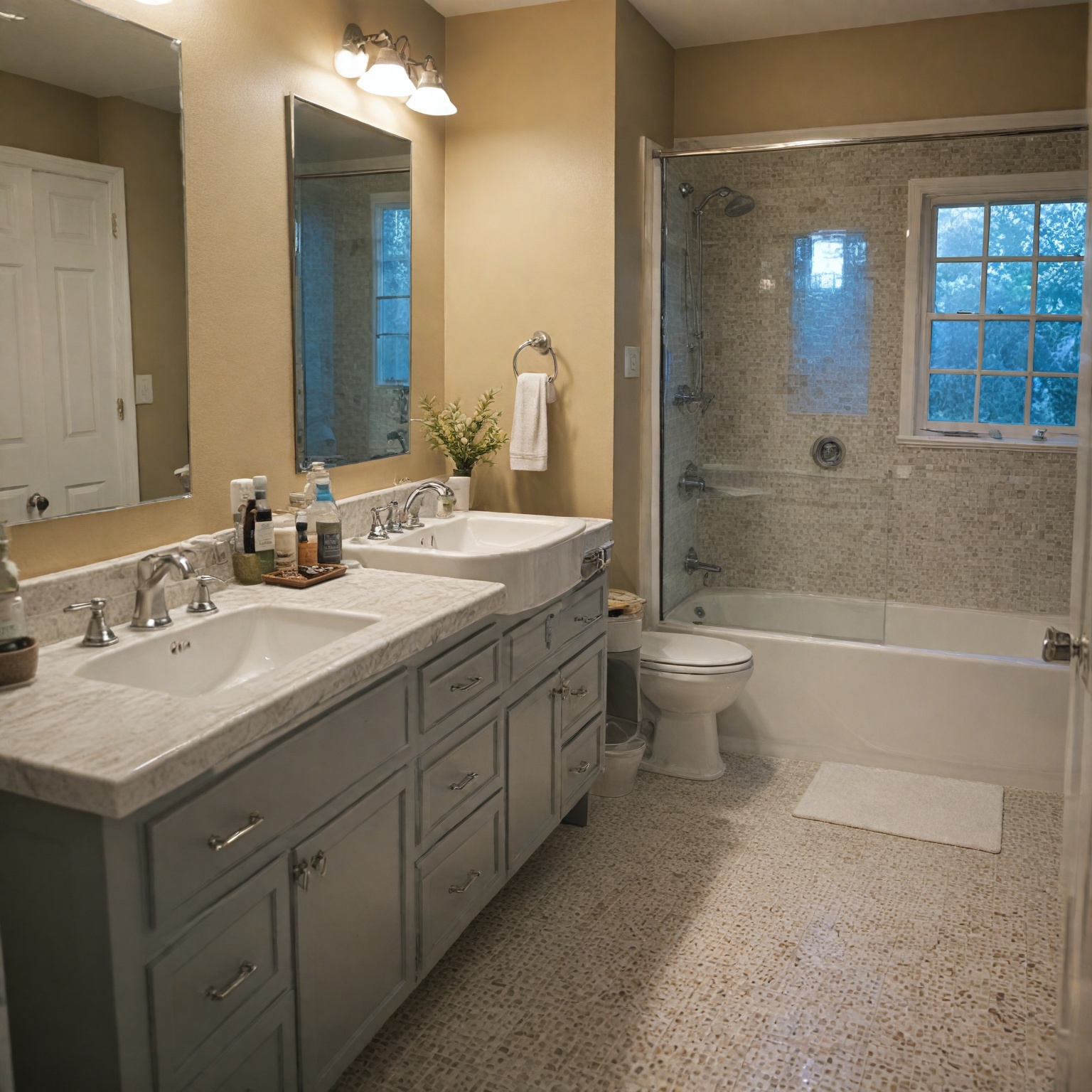
Similarly, bathroom remodels now often include upscale fixtures and easy-care materials designed to reduce the frequency and complexity of maintenance tasks. However, as technology integrates more deeply—such as sensors monitoring bathroom visits to detect health issues—maintenance may require specialized knowledge to service these advanced systems.
Moreover, kitchens increasingly rely on electrical devices, which elevate the importance of electrical safety and maintenance to prevent hazards. The strategic use of walls for storage optimizes space but also demands careful attention to organization and cleaning to maintain both function and aesthetics.
The content is provided by Blake Sterling, Home Upgrade News