Summary
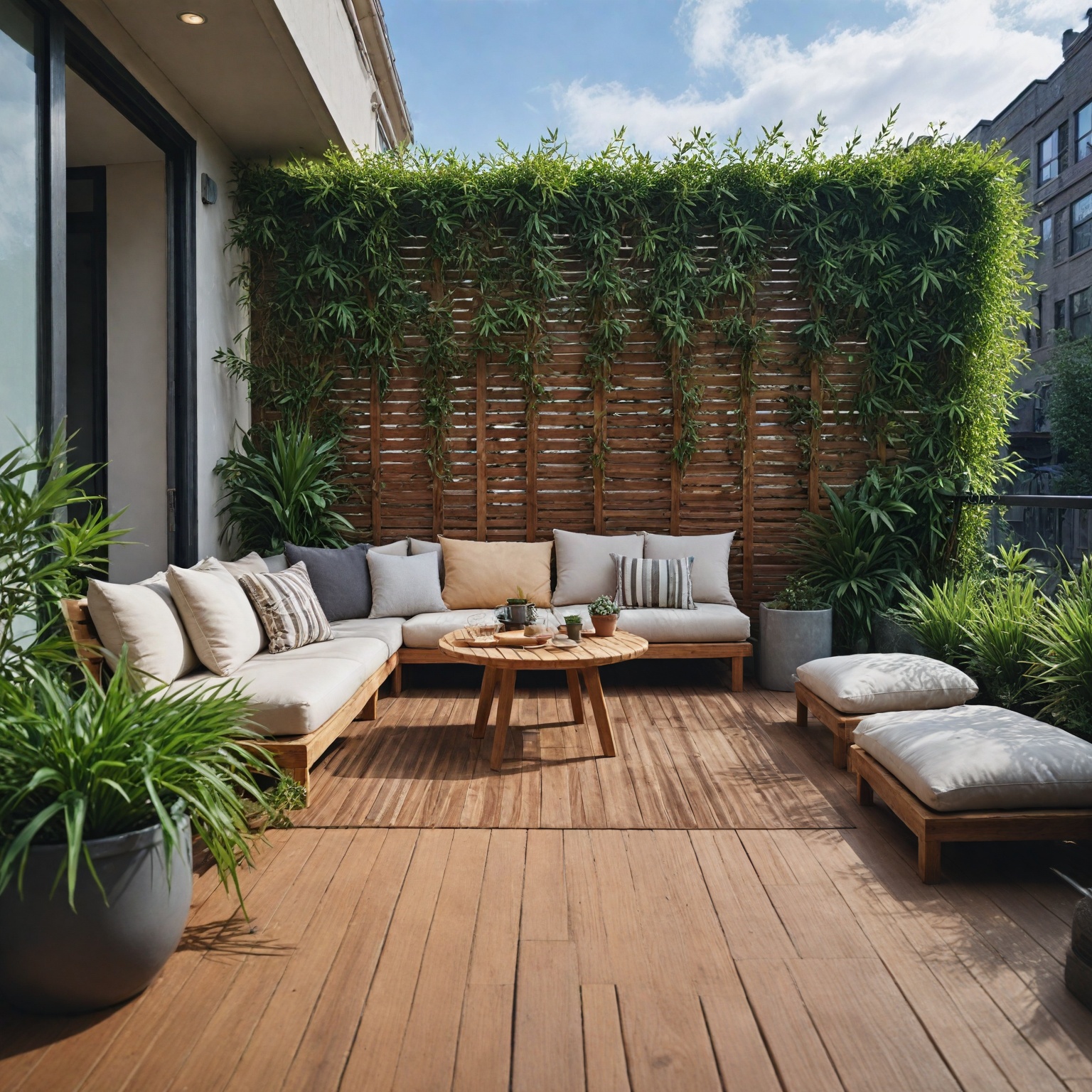
Sustainable balcony decking refers to eco-friendly materials and design practices used to create durable, attractive outdoor flooring for balconies and terraces while minimizing environmental impact. As awareness of climate change and resource conservation grows, sustainable decking has become a notable choice among homeowners, architects, and builders aiming to combine aesthetics, functionality, and environmental responsibility in outdoor spaces. The adoption of such materials contributes to carbon sequestration, reduces landfill waste, and supports circular economy principles, making it an important aspect of green building and sustainable architecture.
Common sustainable decking materials include bamboo, FSC® certified woods like Accoya, composite decking made from recycled wood fibers and plastics, and to a lesser extent, PVC decking. Each material offers distinct advantages and trade-offs regarding durability, maintenance, environmental footprint, and cost. Bamboo and responsibly sourced wood store significant carbon and biodegrade naturally, while composite decking repurposes post-consumer waste to reduce virgin resource consumption but faces challenges in recyclability. Accoya wood stands out for its exceptional durability and stability, offering a long lifespan with reduced maintenance needs.
Despite their benefits, sustainable decking materials also involve controversies and challenges. For instance, composite decking’s energy-intensive manufacturing and limited end-of-life recyclability temper some sustainability claims, while tropical hardwoods like Ipe raise ecological concerns due to deforestation and transportation emissions. PVC decking, although durable and low-maintenance, generally scores poorly on environmental metrics because of its fossil fuel origins and disposal issues. Furthermore, balancing upfront costs, maintenance demands, safety regulations (such as fire resistance), and site-specific conditions complicate material selection decisions.
Looking forward, innovations in sustainable decking focus on improving recyclability, incorporating rapidly renewable resources, and enhancing durability to extend product life and reduce environmental impact. Certification programs such as FSC® and Cradle to Cradle® Gold play a key role in assuring material sustainability and safety standards. As consumer demand for greener outdoor living spaces grows, sustainable balcony decking continues to evolve as a practical, stylish, and environmentally conscious solution for transforming outdoor environments.
Benefits of Sustainable Balcony Decking
Sustainable balcony decking offers a range of advantages that make it an increasingly popular choice among homeowners, architects, and builders aiming to create environmentally responsible outdoor spaces. One of the primary benefits is its positive environmental impact. Materials such as bamboo and FSC® certified wood like Accoya store significant amounts of carbon during their growth, contributing to carbon sequestration and helping to mitigate climate change. Additionally, these materials often have longer lifespans and are recyclable or biodegradable at the end of their use, reducing landfill waste and promoting a circular economy.
Beyond environmental considerations, sustainable decking materials provide aesthetic appeal and durability. For example, Accoya decking combines lasting performance with a beautiful natural look, allowing users to maintain their outdoor oasis without compromising style or longevity. Choosing sustainable options often aligns well with a property’s overall design theme, such as using composite materials for rustic aesthetics, ensuring harmony between functionality and appearance.
Cost-effectiveness is another significant benefit when evaluating sustainable decking options. While initial material costs can vary, these choices often reduce long-term expenses related to maintenance. Traditional wood decks may require annual resealing costing several hundred dollars, whereas sustainable materials tend to need less upkeep, resulting in overall savings. Moreover, the ease of installation and lower maintenance demands make sustainable decking a practical and attractive solution for many projects.
Finally, embracing sustainable balcony decking supports broader trends in green building and responsible construction. As sustainability becomes a decisive factor for consumers and professionals alike, selecting eco-friendly materials for balconies and terraces reflects a commitment to future-proofing architectural projects and fostering a healthier environment.
Common Sustainable Balcony Decking Materials
Choosing sustainable balcony decking materials involves balancing environmental impact, durability, aesthetics, and budget considerations. Several options stand out for their eco-friendliness and performance, including composite decking, bamboo decking, and sustainably sourced wood products.
Composite Decking
Composite decking is a popular sustainable choice made from a blend of recycled wood fibers, plastic polymers, and binding agents, often incorporating up to 100% recycled content such as post-consumer plastic bags, bottles, and reclaimed wood. The manufacturing process typically involves extrusion or compression molding to produce durable, wood-like planks that resist splitting, staining, scratching, mold, and mildew.
One of composite decking’s key advantages is its environmental benefit compared to fully synthetic alternatives. By reusing waste materials, composite decking reduces the demand for virgin resources and diverts plastics and wood from landfills. Additionally, composite decking requires significantly less maintenance than traditional wood, eliminating the need for harmful sealants or chemical treatments that can damage ecosystems. Composite boards generally last around 25 years and maintain their aesthetic appeal without the staining or warping associated with natural wood.
However, it is worth noting that composite decking production consumes considerable energy and may emit greenhouse gases, which tempers some sustainability claims. Despite this, composite remains a strong candidate for eco-conscious consumers seeking durable, low-maintenance decking with a natural look.
Bamboo Decking
Bamboo decking represents another sustainable decking material, valued for its rapid renewability and high carbon sequestration during growth. Bamboo boards offer an eco-friendly alternative that stores significant carbon, has a long lifespan when properly maintained, and can be recycled or disposed of with minimal environmental impact at the end of its life.
Bamboo requires relatively low maintenance, typically limited to cleaning and annual oiling to preserve its surface and appearance. Without maintenance, bamboo naturally ages to a rougher texture, which some users find appealing for its authentic, natural material feel. As a fast-growing, renewable resource, bamboo decking supports greener architectural projects aiming to minimize environmental footprints.
Sustainably Sourced Wood
Natural wood decking remains a preferred option for many due to its authentic aesthetics and tactile qualities. Sustainably sourced hardwoods, such as FSC® certified Accoya wood, offer long-lasting performance with an emphasis on sustainability through responsible forestry practices. Accoya wood, for example, is highly durable, stable, and suitable for barefoot-friendly surfaces, with resistance to distortion even in harsh climates.
Wood decks generally require more maintenance than composite or PVC alternatives, including regular cleaning, sealing, and oiling to prevent rot, mold, and warping. However, when properly maintained, premium hardwood decking can last several decades—often outliving composite options—and eventually biodegrades at the end of its lifecycle, minimizing landfill impact.
PVC Decking
While not a natural material, PVC decking is noted for its durability, ultra-lightweight nature, and ease of installation, making it attractive to DIY enthusiasts. It typically offers superior UV, rot, mold, and splinter resistance compared to wood, with warranties up to 20 years. PVC decking also requires minimal maintenance without the need for staining or sealing. However, PVC’s environmental credentials are less favorable due to its synthetic origin and potential issues with end-of-life disposal.
Alternative Sustainable Materials
When considering sustainable options for balcony decking, several materials stand out due to their environmental benefits, durability, and aesthetic appeal.
Bamboo Decking
Bamboo decking has emerged as a highly sustainable alternative, especially when compared to tropical hardwoods and composite materials. Bamboo grows rapidly and sequesters significant amounts of carbon during its growth cycle, which contributes to its carbon-neutral footprint over its lifespan. Additionally, bamboo decking products often meet rigorous fire safety standards, such as California’s Wildland-Urban Interface requirements, ensuring both environmental and safety credentials. Its durability, non-slip surface, and aesthetic appeal make it ideal for creating tranquil outdoor spaces. However, not all bamboo products are equally sustainable, so certifications and sourcing should be verified.
Natural Wood
Natural wood remains a popular choice for eco-conscious decking, especially when sourced responsibly. Wood certified by the Forest Stewardship Council (FSC) guarantees that it comes from forests managed for long-term sustainability, making it a reliable option for those aiming to reduce their environmental impact. Strong, rot-resistant species such as redwood or tropical hardwood are recommended for their longevity and performance. However, wood decking requires regular maintenance, including staining and sealing, which can involve chemicals potentially harmful to the environment if they leach into the water table.
Composite Decking
Composite decking combines recycled wood fibers and plastic polymers, often sourced from post-consumer materials like plastic bags and reclaimed wood, making it a popular eco-friendly option. These materials help conserve natural resources and promote responsible consumption. While composites tend to be more resistant to splits, stains, and mold than natural wood, their end-of-life disposal poses challenges. Due to the blend of wood and plastic, composite decking is difficult to recycle, limiting its sustainability in the long term. Moreover, the manufacturing process requires significant energy and can emit greenhouse gases, which may offset some environmental benefits. Some manufacturers mitigate this by using reclaimed materials, such as Trex, which incorporates reclaimed sawdust and various recycled plastics.
PVC and Plastic Decking
PVC decking, despite being available in multiple natural colors and providing an authentic wood look, is generally not considered environmentally friendly. It is non-recyclable and produced using fossil fuels, which contributes to higher environmental impacts. Consequently, PVC decking is often discouraged for use in sustainable balcony projects, especially where eco-conscious materials are prioritized.
Accoya Wood
Accoya is a high-performance, FSC-certified wood known for its exceptional durability and stability, offering a sustainable decking option with a lifespan of up to 60 years. Its resistance to distortion and ability to maintain an even surface make it a barefoot-friendly choice. Accoya’s environmentally responsible sourcing and long service life contribute significantly to lowering a project’s ecological footprint.
Design and Installation Considerations
Selecting the appropriate balcony decking material requires careful evaluation of several factors including aesthetic appeal, performance characteristics, cost, and ease of installation. Balancing these elements ensures the decking complements the overall design while meeting practical requirements such as durability and maintenance. It is also important to consider the expected usage; private residential balconies typically endure less foot traffic compared to commercial spaces, allowing for more flexibility in material choice.
A key design consideration involves matching the decking material with the property’s architectural style and thematic elements. For instance, composite decking materials are well-suited for rustic styles, while natural wood options like Accoya or bamboo can provide a warm, organic aesthetic. Moreover, the choice of decking should factor in the environmental conditions of the installation site, as some materials demonstrate superior resistance to weathering, moisture, and temperature fluctuations. Accoya decking, for example, stays cool under direct sunlight and requires minimal maintenance due to its natural weathering process.
From an installation standpoint, structural integrity and load-bearing capacity are critical, especially when using heavier materials such as porcelain tiles. It is essential to consult a professional structural engineer to assess whether the balcony can support the additional weight without compromising safety or durability. Similarly, materials like wood plastic composite (WPC) boards offer durability and environmental benefits without the need for regular treatments like painting or sealing, which can simplify installation and reduce long-term upkeep.
Sustainability and safety considerations are increasingly important in decking design. Using certified sustainable materials, such as FSC® certified Accoya wood or MOSO® Bamboo products, ensures responsible sourcing and compliance with environmental standards. Bamboo decking, in particular, offers rapid renewability and carbon sequestration benefits due to its fast growth and root system preservation, while meeting rigorous fire safety requirements in wildfire-prone areas.
Finally, ease of maintenance should be factored into the design process. Materials like composite and PVC decking provide longevity with minimal care, appealing to homeowners who prioritize durability and convenience. Regular cleaning routines, such as brushing Accoya decking with water, can preserve appearance and performance without extensive effort.
Maintenance Practices for Sustainable Decking
Maintenance requirements vary significantly among different sustainable decking materials, influencing both their environmental impact and longevity. Traditional wood decking, while popular, demands regular upkeep including staining, sealing, and cleaning with chemical products to prevent rot and mold. These maintenance chemicals can be harmful to the environment as they often leach into the water table, posing ecological risks.
In contrast, composite decking, made from recycled wood fibers and plastic polymers, requires substantially less maintenance. Capped composite boards, such as TimberTech Composite™, are designed to resist fading and water damage, eliminating the need for annual sealing or waterproofing treatments. This reduces labor, time, and the use of potentially harmful substances, making composite decking an eco-friendly alternative. However, despite its durability, composite decking may have a shorter lifespan compared to PVC options, and maintenance still plays a role in preventing issues like rotting of underlying wood joists.
PVC decking is highly regarded for its minimal maintenance needs. It does not require staining or sealing and is well-suited for damp environments due to its excellent moisture resistance. This lack of chemical upkeep not only simplifies care but also reduces environmental contamination, as no additional chemicals are introduced after installation. Additionally, PVC decking’s lightweight nature facilitates easier installation, especially for DIY projects.
Natural materials like bamboo decking require limited maintenance primarily involving regular cleaning and optional annual oiling to preserve appearance and texture. Over time, bamboo boards age gracefully, often becoming rougher—a characteristic many users appreciate as it enhances the natural aesthetic. Proper maintenance can extend bamboo’s lifespan, contributing to its sustainability profile by maximizing the utility of this fast-growing, carbon-absorbing resource.
Accoya wood, which is FSC® certified, combines the benefits of natural wood with improved durability and reduced maintenance compared to conventional timber. Its sustainable sourcing and enhanced performance make it an attractive option for environmentally conscious homeowners seeking lasting beauty without intensive upkeep.
Environmental Impact and Lifecycle Analysis
When selecting sustainable decking materials, understanding their environmental impact and lifecycle is crucial. Various options differ significantly in their carbon footprint, recyclability, durability, and overall sustainability.
Bamboo Decking
Bamboo decking is widely regarded as a sustainable choice, especially when compared to composite and tropical hardwood alternatives. A Lifecycle Assessment conducted by Delft University of Technology found bamboo decking to be at least carbon-neutral over its lifespan, largely due to its rapid growth and carbon sequestration abilities. Bamboo can store significant amounts of CO2, making it a material that contributes positively to reducing overall carbon emissions. Moreover, bamboo decking boards at the end of their life cycle can be repurposed or recycled, reducing landfill waste. However, not all bamboo decking products maintain the same sustainability standards, so it is important to verify sourcing and manufacturing practices.
Tropical Hardwood Decking
Exotic hardwoods such as Ipe have a notable environmental controversy surrounding their use. Their carbon footprint is high due to uncertain responsible sourcing methods, long-distance transportation, and energy-intensive assembly processes. Using reclaimed or water-reclaimed Ipe offers a more sustainable alternative by minimizing deforestation and reducing harvest energy consumption. Nonetheless, the overall sustainability of tropical hardwood decking is often questioned because every step of its lifecycle—harvesting, transportation, and installation—can negatively impact the environment.
Composite Decking
Composite decking materials, typically made from a blend of recycled wood fibers and plastic polymers, present a mixed environmental profile. These materials utilize post-consumer waste such as recycled plastic bags, bottles, and reclaimed wood, thereby promoting resource conservation and responsible consumption. Some manufacturers offer products made entirely from recycled content and control the manufacturing process to ensure product consistency and minimize waste. However, composites have limited end-of-life recyclability because the wood and plastic components are difficult to separate, often resulting in disposal challenges.
Recent innovations have led to the development of carbon-negative composite decking materials that store more CO2 than required during their production, potentially offering a groundbreaking sustainable option that complies with building codes and is competitively priced. These advancements may soon be commercially available, further enhancing composite decking’s environmental credentials.
PVC and Plastic Decking
Plastic decking typically has a higher environmental impact than recycled composites due to reliance on fossil fuels, high energy use in production, and recycling difficulties. Even when recycled, plastic decking products are generally not carbon
Certifications and Eco-labels
Sustainability, safety, and quality are critical factors in selecting balcony decking materials, and these attributes are often verified through independent certifications and eco-labels. MOSO® bamboo products, for example, have been recognized by some of the most respected ecolabels and certification programs worldwide, affirming their environmental credentials and performance standards. These certifications not only validate the sustainable sourcing and manufacturing processes but also ensure compliance with rigorous safety requirements such as California’s Wildland-Urban Interface (WUI) standards, which aim to reduce wildfire risks in vulnerable areas.
Another leading sustainable decking material, Accoya wood, carries certifications from the Forest Stewardship Council (FSC®), guaranteeing that it originates from responsibly managed forests. Accoya is noted for its exceptional durability—demonstrating a 60-year service life and significant resistance to termites—and has achieved Cradle to Cradle Certified® Gold status, highlighting its commitment to environmental responsibility and circular economy principles. FSC certification is also important for natural wood options such as redwood and tropical hardwoods, ensuring that the wood is sourced in a forest-friendly and sustainable manner.
Composite decking manufacturers often emphasize the use of recycled content as a key environmental benefit, which can reduce the ecological footprint by diverting materials from landfills. However, the production of composites can be energy-intensive and may result in greenhouse gas emissions despite the recycled inputs. In contrast, materials like bamboo and modified woods that are certified by independent ecolabels offer consumers peace of mind regarding their sustainability claims and long-term environmental impact.
Choosing decking products that meet established eco-label criteria and certifications can support sustainable forestry initiatives, promote responsible land stewardship, and contribute to the conservation of soil, air, and water quality for future generations. As sustainability becomes increasingly important to consumers, verified eco-labels and certifications provide essential guidance in selecting materials that balance durability, safety, and environmental responsibility for greener outdoor living spaces.
Case Studies and Examples
Balcony decking projects showcase a range of materials selected based on specific site conditions, design goals, and sustainability considerations. For instance, in high-rise and rooftop applications, non-combustible decking materials are often prioritized to meet fire safety regulations and structural load requirements, particularly for buildings over 11 metres in height or care facilities such as hospitals. These case studies highlight how location and use directly influence material choice, balancing safety with aesthetic and functional demands.
One example involves the use of composite decking materials that blend durability with a rustic aesthetic, making them suitable for residential balconies aiming to complement traditional architectural themes. Composite decking offers a low-maintenance option that resists weathering, ideal for private outdoor spaces while maintaining visual appeal. This approach demonstrates the importance of aligning decking materials with the property’s overall style and budget constraints.
Sustainability-focused projects often incorporate bamboo decking, such as MOSO® bamboo products, which undergo a meticulous process including thermal treatment and impregnation with adhesives to ensure durability and environmental responsibility. These decking solutions are backed by independent ecolabel certifications, confirming their eco-friendly credentials and safety. Such examples underscore the growing trend of integrating sustainable materials without compromising performance or design.
Public spaces and homes in varied climates have successfully utilized durable wood decking known for longevity and adaptability, proving that traditional materials remain relevant when carefully selected and maintained. Additionally, innovative chemical bonding agents used in some decking boards improve structural integrity and color stability, showcasing advances in material technology that enhance both durability and aesthetic options for balcony decks.
These case studies collectively illustrate the multifaceted decision-making process behind balcony decking selection, where factors like fire safety, sustainability, design harmony, and material performance converge to create tailored outdoor environments.
Challenges and Considerations
When selecting sustainable decking materials for a balcony or outdoor space, several challenges and considerations must be carefully weighed to ensure the best balance between environmental impact, durability, aesthetics, and cost.
One major factor is the trade-off between upfront cost and long-term maintenance. Homeowners often need to balance the initial investment against ongoing upkeep requirements and the desired outdoor decor style. For example, while materials like PVC decking may have a higher initial price, they require minimal maintenance such as no repainting or restaining, making them attractive for those seeking longevity and ease of care. Conversely, natural wood and composite options might be less expensive initially but demand regular maintenance to preserve their appearance and structural integrity.
Environmental impact is another critical consideration in choosing decking materials. The sustainability of a product involves examining its sourcing, manufacturing, and end-of-life disposal. Exotic hardwoods such as Ipe pose significant ecological concerns due to deforestation and long growth cycles, disrupting fragile rainforest ecosystems. Responsible alternatives include reclaimed wood sources or rapidly renewable materials like bamboo, which fits well within a circular economy model due to its fast growth and renewability. Plastic decking, particularly virgin PVC, tends to have a higher environmental footprint because of its fossil fuel dependence and challenges related to recycling, whereas recycled composite decking offers a more eco-friendly option by conserving natural resources.
Another practical challenge is the performance of decking materials under varying climate conditions. Some materials may warp or distort in extreme weather, impacting both safety and aesthetics. For instance, Accoya wood is noted for its exceptional dimensional stability and resistance to distortion even in harsh climates, allowing for tighter board spacing and a smoother, more comfortable surface for barefoot use. Heat retention is also a concern; many decking materials absorb and retain heat, becoming uncomfortably hot under direct sunlight. Accoya decks have demonstrated superior performance in this area by staying relatively cool on hot days, enhancing comfort for users.
Lastly, safety regulations and certifications must be considered, especially in fire-prone areas. Products like MOSO® bamboo decking meet stringent fire safety standards such as California’s Wildland-Urban Interface (WUI) requirements, which are designed to reduce wildfire risk and protect structures in vulnerable regions. Choosing materials compliant with such standards ensures not only sustainability but also occupant safety.
Future Trends in Sustainable Outdoor Decking
As sustainability continues to gain importance among consumers, architects, and builders, future trends in outdoor decking are increasingly focused on eco-friendly materials and practices that minimize environmental impact while maintaining durability and aesthetic appeal. One prominent direction is the development and use of decking products made from rapidly renewable resources such as bamboo, which is gaining recognition for its green credentials and certifications from leading ecolabel programs. This trend reflects a broader shift toward sourcing materials that support responsible forestry and resource management.
Composite decking, composed of recycled plastics, wood fibers, and bamboo, remains popular due to its durability, resistance to stains, scratches, mold, and mildew, and reduced reliance on dwindling lumber supplies. However, concerns about the lifecycle impact of hybrid materials—particularly those combining wood and plastic—are shaping new industry approaches. Experts caution that such hybrids, while durable, are challenging to recycle and pose a threat to the circular economy due to their complex composition and energy-intensive manufacturing processes. This insight is prompting manufacturers to innovate toward more recyclable or fully biodegradable alternatives.
Recycling initiatives are also becoming integral to sustainable decking solutions. Companies controlling their recycling streams ensure the cleanliness and quality of recycled content, contributing to significant reductions in plastic waste destined for landfills. Programs that encourage consumer participation in recycling efforts help close the loop on materials and support green building certifications, aligning with the increasing demand for sustainable building practices.
Durability remains a critical factor driving sustainable decking innovation. Products like Accoya, a wood treated to withstand termite zones and extend service life up to 60 years, combine environmental responsibility with exceptional performance, making them attractive for both residential and public spaces. These advances ensure that sustainable decking materials can meet the demands of longevity without compromising ecological values.
The content is provided by Harper Eastwood, Home Upgrade News