Summary
Revamp Your Space: 5 Essential Updates for Your Home Renovation is a comprehensive guide designed to help homeowners navigate the complexities of home renovation by focusing on five key areas: planning, essential updates, professional versus DIY approaches, maintenance, and current design trends. As home improvement projects grow in popularity, this guide addresses critical considerations that impact both the functionality and value of residential properties, making it a valuable resource for those seeking to enhance their living environments or increase resale potential.
Effective planning is emphasized as the foundation for a successful renovation, highlighting the importance of defining clear goals, budgeting realistically, and engaging professionals when necessary to ensure structural integrity and project efficiency. The guide underscores essential updates such as kitchen improvements, structural repairs, energy efficiency enhancements, and curb appeal upgrades—each offering significant returns on investment and contributing to safer, more comfortable homes.
A notable aspect of the renovation landscape explored in this guide is the ongoing balance homeowners face between hiring professionals and undertaking do-it-yourself (DIY) projects. While professional expertise remains predominant for complex renovations, the rise in DIY activities reflects growing homeowner confidence and a desire for personal involvement, albeit with recognized risks and challenges. This tension underscores the need for informed decision-making based on project scope and homeowner capabilities.
Finally, the guide addresses the importance of maintenance and aftercare to preserve renovation investments and details current trends in home aesthetics and functionality, including the integration of sustainable materials, textured surfaces, and timeless yet modern design elements. These trends reflect evolving homeowner priorities toward comfort, style, and environmental responsibility in 2024 and 2025. Overall, Revamp Your Space provides a well-rounded approach to home renovation that balances practical advice with contemporary insights, helping homeowners achieve lasting and impactful improvements.
Planning Your Renovation
Effective planning is a crucial first step in any home renovation project. Homeowners should begin by clearly defining the purpose of the renovation, whether it is to enhance their living experience or to increase the property’s resale value. Establishing these goals will help prioritize the scope of work and guide decision-making throughout the process. Creating a detailed outline of desired outcomes and obtaining multiple quotes from reputable contractors can ensure the project stays within budget and meets expectations.
Budget considerations are essential when planning your renovation. For example, a $100,000 budget may cover cosmetic updates or additions such as converting an attic into living space or adding a standard bathroom, mudroom, or sunroom. However, extensive structural changes or high-end finishes may require additional funds, especially in urban areas where labor costs tend to be higher. Selecting durable, standard materials over custom finishes can also help stretch the budget further while reducing future repair costs.
Because structural integrity is paramount, homeowners should be vigilant about identifying and addressing issues such as wall cracks, sagging floors, or leaning retaining walls. Structural repairs require professional involvement to restore stability and prevent further damage, protecting both the home’s safety and investment value. It is advisable to consult experts early to determine which projects need professional attention and which can be tackled through do-it-yourself methods.
Throughout the renovation process, maintaining consistent communication with your contractor is vital. Regular check-ins allow for timely clarifications, help manage unforeseen setbacks, and ensure the work aligns with your vision. Being actively present can contribute to completing the project on time and within budget. Additionally, homeowners are encouraged to research design tips and project priorities, such as kitchen layouts or air sealing improvements, to optimize both functionality and energy efficiency in their renovated spaces.
Essential Home Updates
When undertaking a home renovation, focusing on essential updates can significantly enhance both the functionality and value of your property. These improvements often blend practicality with aesthetic appeal, providing a more comfortable living environment while boosting your home’s market worth.
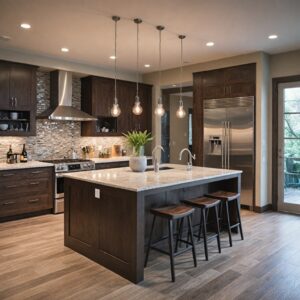
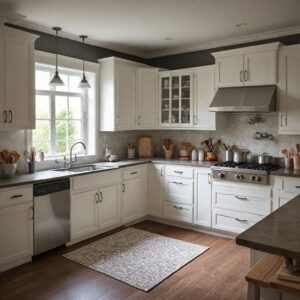
One of the most impactful areas to update is the kitchen, often regarded as the heart of the home. Adequate and smart storage solutions, such as specialty organizers, deep drawers with full-extension slides, pull-out pantries, and corner units, help maintain order and improve usability. Traditional pantries are also making a comeback, and converting underutilized spaces like corners or nearby closets can add valuable storage capacity. Incorporating durable materials like quartz countertops and including a kitchen island with a prep sink and seating not only increase functionality but also appeal to prospective buyers. Additional features like soft-close drawers and cabinets further elevate the kitchen experience. Installing skylights is another upgrade that enhances natural lighting and can increase the perceived size of the space, providing a strong return on investment (ROI) when reselling the home.
Beyond the kitchen, structural repairs and improvements are critical to maintaining the safety and longevity of any home. Addressing issues such as cracks, uneven floors, roof condensation, and failing walls promptly can prevent costly deterioration and safety hazards. Common structural repairs include managing moisture, reinforcing or replacing damaged framing, and improving ventilation and insulation to prevent future problems. Engaging a professional structural engineer early in the process is essential to accurately diagnose and specify the necessary repair work, ensuring that the repairs are done safely and effectively.
Energy efficiency and sustainability have also become key considerations in modern renovations. Innovations in building envelope materials—such as advanced insulation that is significantly more efficient than traditional options—contribute to reducing energy costs and environmental impact. Financial incentives like green mortgages can make these upgrades more accessible by offering discounted interest rates or other benefits tied to energy-efficient improvements. Incorporating these solutions not only improves comfort but also adds market appeal, particularly to buyers prioritizing sustainability.
Finally, outdoor and curb appeal improvements are crucial for making a positive first impression. Basic yard care, including lawn maintenance, weed control, and tidy landscaping with fresh mulch, can enhance the overall attractiveness of a property. Additionally, renovations such as replacing garage doors, updating siding, or adding decks often yield high ROI by improving visible exterior features that buyers notice before entering the home.
By prioritizing these essential updates—kitchen enhancements, structural repairs, energy-efficient improvements, and curb appeal—homeowners can create a more stylish, functional, and valuable living space that aligns with both their lifestyle and market trends.
Hiring Professionals vs. DIY
Homeowners face a common decision when planning renovations: whether to hire professionals or undertake a do-it-yourself (DIY) approach. Despite a slight decline from 2022, the majority of homeowners—approximately 84%—still prefer to work with professionals for their projects, underscoring the continued demand for expert assistance in home remodeling. General contractors remain the most sought-after professionals, engaged by 50% of kitchen renovators, followed by cabinetmakers whose hiring rate has steadily increased to 32% in 2023. Other specialists commonly involved include kitchen designers (22%), interior designers (15%), architects (11%), and dedicated kitchen remodelers (11%).
On the other hand, DIY projects are gaining traction, especially for smaller-scale renovations such as dining rooms and kitchen nooks. Recent data shows an increase in DIY activity to 46% in the second quarter of 2023, compared to 39% during the same period in 2022. This shift suggests a growing confidence among homeowners to personally manage certain aspects of their home updates.
Choosing between professional help and DIY often depends on the scope and complexity of the project. Professionals bring expertise in managing inspections, permits, and structural considerations, which can be critical for larger or more complex renovations. For example, engaging a structural engineer to assess and specify repair work is essential when structural defects are involved, ensuring safety and compliance. Meanwhile, homeowners opting for DIY should recognize the risks of dissatisfaction or unforeseen issues even when a project is executed meticulously.
Ultimately, the decision to hire professionals or pursue a DIY approach requires careful evaluation of the project’s demands, the homeowner’s skills, and the desired outcomes. While professional contractors can help ensure durability and quality, especially with the use of long-lasting materials, DIY efforts offer personal involvement and potential cost savings, particularly in less complex areas of the home. Balancing these factors is key to a successful renovation experience.
Maintenance and Aftercare
Proper maintenance and aftercare are essential components of any successful home renovation, ensuring the longevity and functionality of the improvements made. Using durable materials during renovation not only reduces the need for future repairs but also helps maintain the aesthetic appeal and overall value of the property. Choosing materials that are compatible with existing structures minimizes installation issues and prevents costly rework or replacements down the line.
Routine upkeep should include basic yard care such as mowing the lawn, controlling weeds, fertilizing, spreading bark mulch, and tidying landscaping elements like shrubs, walkways, and flower beds. These outdoor maintenance tasks contribute significantly to curb appeal, which can provide a strong return on investment by attracting potential buyers even before they enter the home. Projects visible from the exterior—such as replacing garage doors, updating siding, and adding decks—are often among the most valuable renovations for resale.
Structural repairs are particularly critical to address in the aftercare phase, as they directly impact the safety, comfort, and value of the home. While it may be tempting to attempt these repairs independently, improper handling of structural issues can lead to greater risks and expenses. It is advisable to seek professional assessments and interventions when dealing with significant structural problems to ensure the integrity of key building elements like roofs, foundations, floors, exterior walls, and support columns. This applies to all types of buildings, including wood-framed, steel, masonry, and concrete tilt-up constructions.
Given that a whole home renovation can be a once-in-a-lifetime experience for many homeowners, committing to thorough maintenance and aftercare is vital to protect the investment and enjoy the benefits of the renovation for years to come.
Current Trends in Home Renovation Aesthetics and Functionality
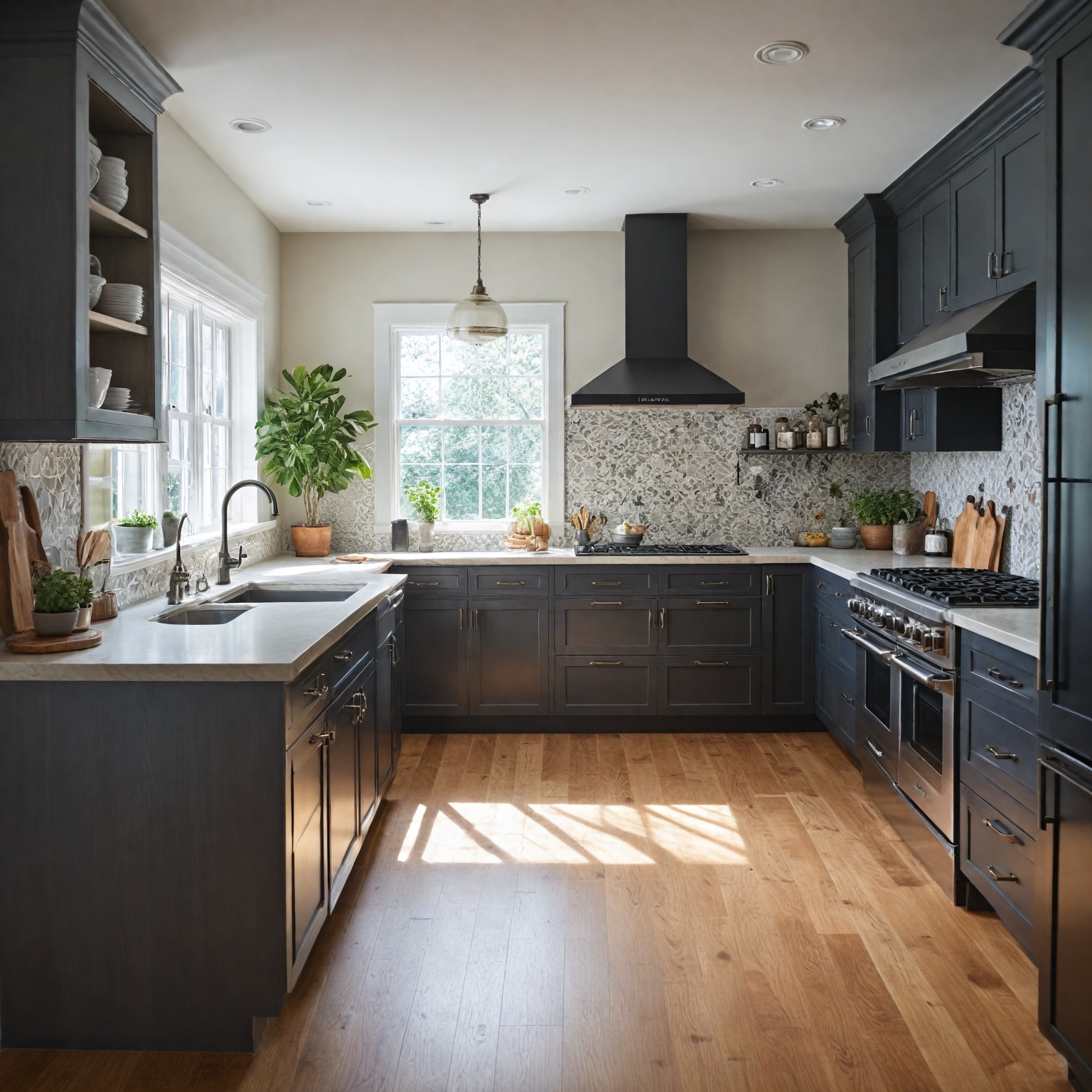
Home renovation trends in 2024 and 2025 emphasize a harmonious blend of classic charm and modern convenience, creating timeless yet contemporary living spaces. A key aesthetic movement involves incorporating traditional details with updated materials and designs, allowing homeowners to achieve both elegance and functionality without sacrificing either. For example, kitchens featuring black cabinetry paired with natural oak exemplify this marriage of classic beauty and modern sensibility.
Textured surfaces are gaining popularity, with raw metals, natural wood, and faux finishes bringing depth and tactile interest to interiors. These materials not only enhance visual appeal but also contribute to a warm and inviting atmosphere. The use of layered textures, bold colors, and intricate patterns, particularly in bedrooms, creates visually rich environments that remain balanced through the use of neutral bases as foundational design elements.
Color trends reflect a resurgence of soothing, timeless hues such as beige and ivory, reimagined with modern textures and bold accent colors to provide a fresh and contemporary look. Moreover, designers are increasingly treating ceilings as a “fifth wall,” incorporating hand-painted murals, sculptural details, and elaborate cornices to add personality and elevate room aesthetics.
Sustainability and eco-friendliness are becoming integral to renovation choices. Materials like bamboo, cork, and recycled metals offer durable, renewable, and environmentally conscious alternatives for flooring, cabinetry, and structural elements. Utilizing such materials supports energy efficiency and aligns with green building standards like LEED certifications, reflecting a growing awareness of environmental impact in home design.
In terms of furniture and spatial design, 2025 trends point toward softer, organic shapes with rounded edges and curved corners. This “slow-living” approach fosters tranquility and a peaceful ambiance within the home, supporting a more purposeful and joy-filled lifestyle. Overall, these trends highlight a move toward creating homes that are not only stylish and current but also sustainable, personalized, and deeply comforting.
The content is provided by Sierra Knightley, Home Upgrade News