Summary
Mastering home repair skills and knowing when to opt for a DIY approach or hire a professional is a crucial aspect of homeownership. This comprehensive guide discusses the complexities, potential risks, and notable points to consider when undertaking home repairs. While DIY projects can be feasible for minor repairs, a lack of expertise and improper safety measures can lead to costly mistakes, safety hazards, and even legal issues. Certain tasks, particularly those involving structural, electrical, or plumbing components, are best left to professionals. The guide also highlights the importance of sustainable practices in home repairs, emphasizing the use of eco-friendly materials and energy efficiency measures. The article outlines the various factors to consider when deciding between a DIY approach or hiring a professional, stressing the importance of safety, quality, and value. Furthermore, it provides advice on finding a reliable professional contractor, discussing important considerations like licensing, insurance, and experience, as well as red flags to watch out for.
Understanding Home Repairs
Homeowners often find themselves confronted with various repair and maintenance tasks. While it can be tempting to address these problems independently, it is critical to have a comprehensive understanding of the complexities and potential risks associated with home repairs. Many tasks require a thorough understanding of how different systems and structures in a home work together. Trying to handle these repairs without the proper expertise can lead to costly mistakes and even safety hazards.
DIY Repairs
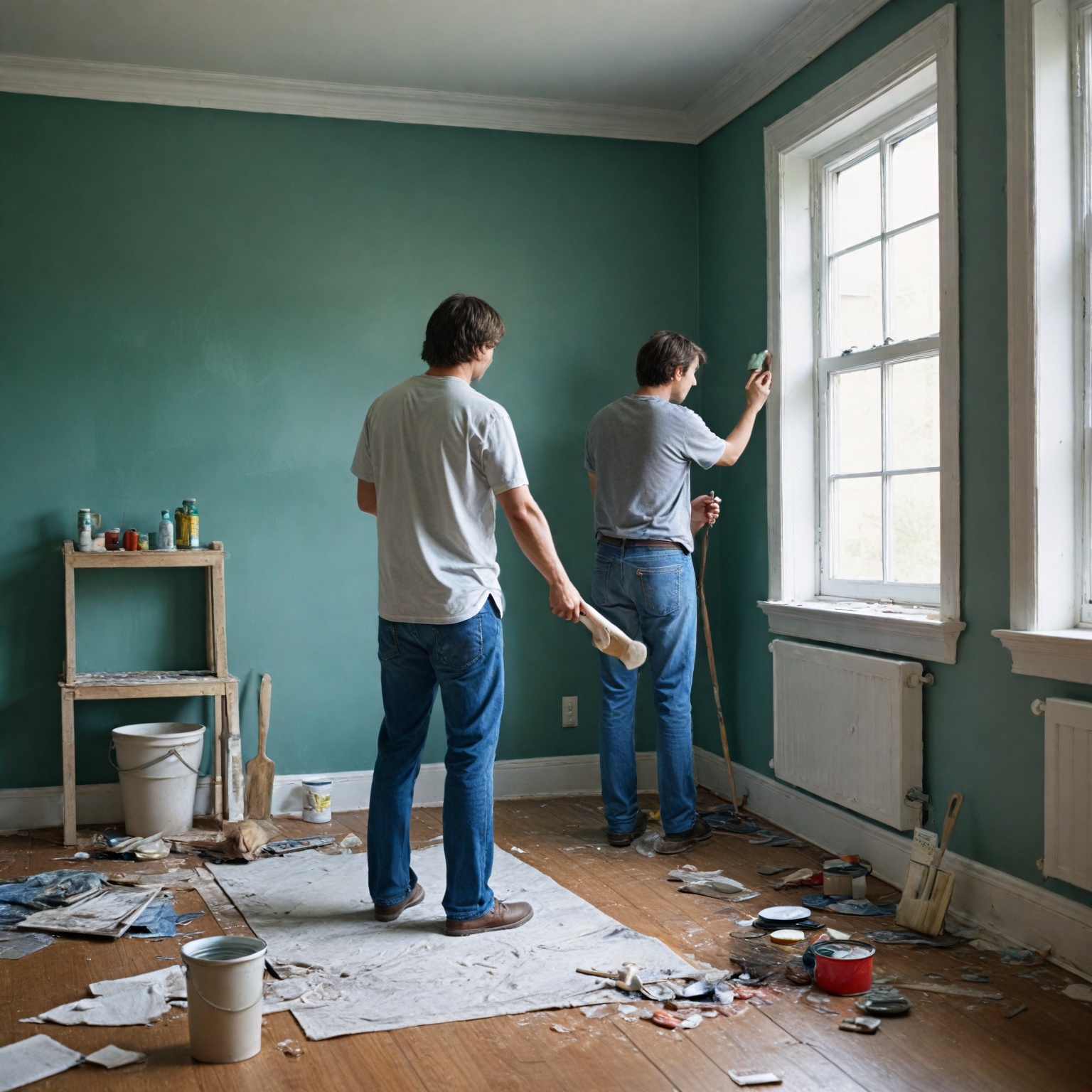
For some minor repairs or maintenance tasks, a DIY approach may be feasible. For instance, painting a room in your home can be a reasonably straightforward task that homeowners can handle themselves. However, it’s crucial to carefully prepare and have complete knowledge of the task at hand. Attempting a DIY project without careful preparation can actually result in expenses that exceed the cost of a professional contractor.
Further, safety considerations must be paramount when deciding to undertake a DIY project. Tasks such as working off a ladder or with heavy materials can pose significant risks. It’s essential to plan ahead, avoid working in extreme conditions, and minimize distractions to ensure a safe and successful project.
Professional Repairs
Certain home repairs, particularly those involving structural components, should be left to professionals. Professional repair services have a comprehensive understanding of different systems and structures in a home. They can identify potential problems and address them before they turn into major repairs.
Hiring a professional service also ensures that the repair is done safely and to code. This is especially relevant for tasks involving safety risks such as electrical or plumbing issues. Furthermore, poorly executed repairs can negatively impact insurance claims and result in an insurance company refusing to cover damage costs.
Repair or Replace
In certain instances, homeowners may face the decision to either repair or replace a damaged object. Factors such as the age and condition of the object should be considered when making this decision. In some cases, if the object is very old or worn out, replacement may be the more environmentally friendly and cost-effective option.
Case Studies of Home Repair Accidents
There are numerous cases of DIY home improvement fails which have been documented thanks to the power of the internet. Individuals behind these fails have often found themselves in dangerous and even humiliating situations. In some cases, an attempt to save money by avoiding professional help has led to disastrous results, with the potential for both physical harm and significant property damage.
One common area where DIY projects can become particularly dangerous is electrical repairs. In certain cases, even if the repair appears successful, the homeowner could be penalized for failing to follow electrical safety protocol. For instance, a DIY repair involving naked wires could result in an electrical fire, a scenario where insurance companies may refuse to cover the damages due to negligence.
Tasks Better Handled by Professionals
There are several home repair tasks that are better handled by professionals due to the complexities, risk factors, and expertise required .
Electrical Work
Electrical work is another area that demands professional attention due to safety concerns. Working with electricity requires years of training to handle safely, and failure to take the necessary precautions can result in dangerous situations, even fires. Hiring a professional electrician ensures that electrical repairs pass inspection and are compliant with safety standards, thereby avoiding possible heavy fines .
Foundation Repairs
Foundation repairs should also be entrusted to professionals due to their impact on the structural integrity of a home. DIY attempts can lead to expensive mistakes, safety hazards, legal issues, and reduced property value. On the contrary, professional repairs usually come with warranties, giving homeowners peace of mind and potentially increasing property value .
Plumbing Repairs
Plumbing repairs can often be tricky, requiring specific knowledge and experience . It’s crucial to recognize signs of plumbing problems such as persistent clogging, lawn indents, poor water pressure, and lawn moisture, and to promptly call in professionals. Attempting to handle these issues without professional help can lead to more significant damages and costly repairs .
Exterior Repairs
Exterior home repairs such as roofing and painting often require working at high elevations and the use of specialized equipment. The risks involved in such tasks make it safer to hire professionals who have the experience and correct tools for the job . Sustainability should also be considered in renovation projects, with professionals offering more sustainable options .
Communication with Contractors
Regardless of the type of repair or project, communication with professionals is crucial to ensure that everything is progressing as per schedule and to address any potential issues promptly .
Costly Mistakes and Safety Hazards of DIY Projects
Undertaking DIY projects without adequate preparation and complete understanding of the tasks involved can lead to expenses surpassing the cost of hiring a professional contractor. Even with experience and skills, the project’s time requirements, the materials, tools, and necessary permits should be considered in detail before starting any repair or maintenance work.
Safety Risks
DIY projects, especially those involving foundation repairs, can create significant safety hazards. Working with heavy materials, specialized tools, and complex techniques without proper training can be not only challenging but also dangerous. Homeowners who attempt these repairs risk injuries.
Plumbing Mistakes
Plumbing projects also come with their share of potential mishaps. Forgetting to turn off the water before starting any plumbing work can result in expensive damage if water sprays from a loosened connection or flows freely after a fixture is removed.
Environmentally-friendly Practices in Home Repairs
Environmentally-friendly or eco-friendly home repair practices are important in reducing environmental impact and improving energy efficiency. The construction and operation of buildings significantly impact the environment through energy consumption, resource use, and waste production. However, by incorporating sustainable practices such as energy efficiency upgrades, use of sustainable materials, conserving water, improving indoor air quality, reducing waste, and utilizing renewable energy sources, homeowners can create a healthier, more efficient, and valuable home.
Importance of Sustainable Practices
Eco-friendly renovations matter because they help reduce the depletion of natural resources, minimize waste, and lower greenhouse gas emissions. Moreover, eco-friendly renovations often involve upgrading to energy-efficient systems and appliances, which can lead to substantial savings on utility bills.
Use of Eco-friendly Materials
Eco-friendly building materials are instrumental in promoting sustainable construction practices. These materials do not harm the environment in their production, use or disposal, and can easily be recycled.
Challenges and Considerations
However, there are challenges and considerations to bear in mind when choosing to use eco-friendly materials for home repairs. Builders, architects, and homeowners must understand these factors to make informed decisions that align with environmental goals without compromising functionality, aesthetics, or budget.
Practical Steps for Sustainable Home Improvements
Homeowners and businesses can plan renovation projects using sustainable materials, which offer cost-saving and health benefits, as well as conserve energy and resources.
Evaluating Whether to DIY or Hire a Professional
Evaluating whether to DIY (do-it-yourself) or hire a professional for home repair and improvement tasks involves assessing several crucial factors such as skill, time, cost, safety concerns, and convenience .
Finding a Reliable Professional Contractor
Finding a reliable professional contractor is a critical step towards a successful home improvement or repair project. A professional contractor is a person or business that enters into a contract with a client to construct a part or the entirety of a repair or improvement project.
Identifying a Reliable Contractor
Identifying a reliable contractor may take some time and effort, but it’s worth the investment to ensure a successful project.
Licensing and Insurance
A contractor should possess valid licenses and insurance as per the requirements of the project.
Detailed Contract and Project Scope
A professional contractor should be willing to work with the client to create a specific and detailed contract.
Experience and Expertise
Professional contractors and home improvement companies often have staff that specialize in different areas, providing the support needed to complete the job.
Regular Inspections
Apart from project execution, a contractor should also ensure regular inspections of the project to maintain quality and prevent damage due to negligence.
Red Flags in Hiring Contractors
Hiring a contractor for a home remodeling or repair project can be an exciting prospect, but choosing the wrong contractor can turn the entire process into an ordeal.
One of the most common red flags to watch out for is a vague or poorly written contract. Another key consideration when hiring a contractor is their insurance status.
High-pressure tactics employed by contractors to make homeowners take quick decisions are a warning sign. Moreover, beware of contractors who ask for a large upfront deposit, particularly in cash, and those who quote a lower project price initially, only to significantly increase the costs later.
Lastly, a lack of professional expertise and experience is a significant red flag.
The content is provided by Avery Redwood, Home Upgrade News