Summary
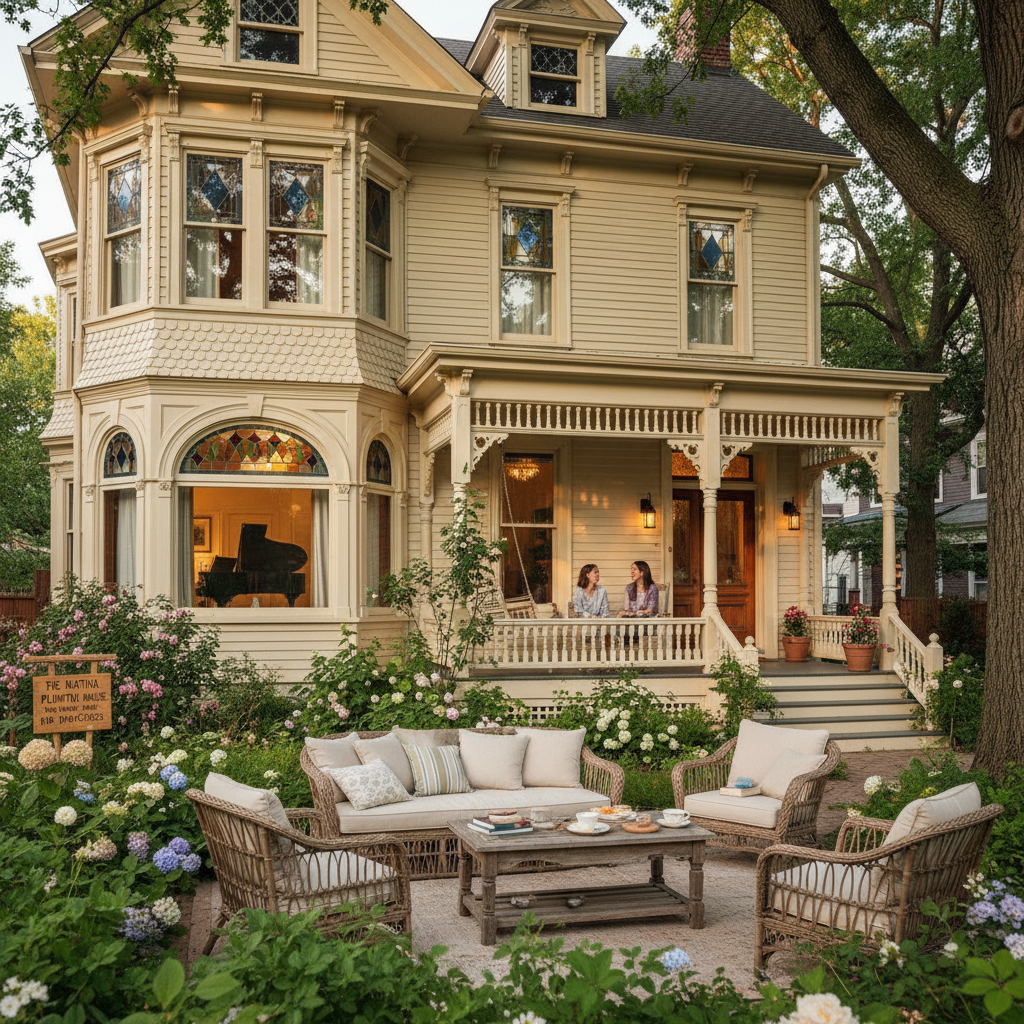
Martha Plimpton’s Victorian home in Brooklyn’s Prospect Lefferts Gardens neighborhood exemplifies the historic charm and architectural heritage of Victorian Flatbush, a collection of early twentieth-century suburban-style communities known for their grand porches, intricate woodwork, stained glass windows, and spacious freestanding homes. Purchased by Plimpton in 2013 after four decades in Manhattan, the fully detached three-story residence features classic elements such as parquet floors, bay windows, and multiple living spaces that blend historic elegance with modern updates. The house also held personal significance for Plimpton, housing family heirlooms like a restored piano from her maternal grandmother, underscoring a deep connection to both the neighborhood and her family’s past.
Plimpton’s move to Brooklyn marked a notable lifestyle change, embracing a tight-knit community atmosphere she valued more than other parts of the borough. The home’s preservation and Plimpton’s stewardship reflect broader local efforts to protect and celebrate Victorian Flatbush’s unique architectural identity amid ongoing urban development. Despite frequent work-related travels and eventual health challenges affecting her mobility, Plimpton maintained the house as her primary residence for a decade, cultivating an intimate and welcoming environment she fondly nicknamed “The Martha Plimpton House for Wayward Women and Divorcées.”
In 2023, Plimpton sold the Brooklyn Victorian as she prepared to relocate permanently to London, drawn by the city’s vibrant theatre scene and a cultural environment more appreciative of mature actresses. This transition marked the end of a significant chapter in her personal life and artistic career, with the home standing as a testament to both Brooklyn’s architectural legacy and Plimpton’s role in its ongoing preservation and cultural narrative.
Plimpton’s Brooklyn residence thus serves as more than just a private home; it symbolizes the intersection of historic preservation, personal heritage, and evolving artistic identity. Her departure brought renewed attention to Victorian Flatbush’s historic neighborhoods and highlighted the cultural importance of maintaining such architectural gems as living parts of community history.
Background
Martha Plimpton’s Brooklyn home is a quintessential example of the Victorian architecture that defines the neighborhoods of Victorian Flatbush, a historic section in the western part of Flatbush, Brooklyn. This area, developed in the early twentieth century from farmland, was inspired by suburban country aesthetics and is known for its grand porches, intricate woodwork, stained glass windows, and soaring ceilings. Victorian Flatbush comprises multiple neighborhoods, including Beverley Square East and West, Ditmas Park West, West Midwood, and South Midwood, all characterized by freestanding homes with spacious yards and tree-lined streets.
Plimpton’s home itself is a fully detached, three-story Victorian residence featuring elegant architectural details such as pocket doors, parquet wood floors, and bay windows. The house offers multiple living and entertaining spaces across its 18 rooms, including five bedrooms and several family areas, combining classic charm with modern renovations. The home reflects the enduring appeal of these early suburban developments, which were constructed following the extension of the Brooklyn Rapid Transit line to Coney Island, facilitating access and residential growth.
Significantly, the home also holds personal history for Plimpton. It houses cherished heirlooms like a restored early 1900s piano once belonging to her maternal grandmother, pianist Martha Jane Williams, symbolizing a connection between the family’s past and the residence’s historic character. Despite the home’s beauty and sentimental value, recent changes in Plimpton’s personal life, such as her grandmother’s loss of sight, have introduced new dynamics to the living space.
Martha Plimpton’s Residency
Martha Plimpton made a notable lifestyle change in 2013 when she decided to purchase her first home after living for four decades in a rent-stabilized apartment on the Upper West Side of Manhattan. At the age of 42, she acquired a charming Victorian house located in Prospect Lefferts Gardens, Brooklyn, drawn by the neighborhood’s tight-knit community and enduring character.
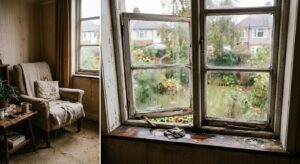
Her Brooklyn residence is a fully detached Victorian home, featuring classic architectural details such as intricate woodwork, soaring ceilings, bay windows, and gleaming hardwood floors throughout. The three-story house includes multiple living and entertaining spaces, a living room with a fireplace and built-in bookshelves, and three guest bedrooms that often hosted friends. Plimpton affectionately referred to her home as “The Martha Plimpton House for Wayward Women and Divorcées,” highlighting the welcoming and intimate atmosphere she cultivated there.
The house also boasts a front porch and a backyard, elements Plimpton cherished as part of her connection to the neighborhood’s preserved integrity over many generations. Despite her work requiring her to rent homes in Los Angeles for filming, Plimpton consistently maintained her primary residence in Brooklyn, expressing a deep appreciation for the area’s charm and community spirit.
In recent years, Plimpton’s personal circumstances evolved, including significant health challenges that affected her mobility and how she navigated her living space. This brought new dynamics to the home environment, with Plimpton adapting to the changes alongside her close circle.
The Brooklyn Neighborhood
Martha Plimpton’s Brooklyn home is situated in Victorian Flatbush, a distinctive area within the larger Flatbush neighborhood known for its rich architectural heritage and suburban country aesthetic. This part of Brooklyn, located near the border with Midwood, features an impressive collection of well-preserved Victorian-era homes, characterized by grand porches, intricate woodwork, stained glass windows, and soaring ceilings that reflect the elegance of the late 19th and early 20th centuries. The neighborhood’s layout, with its yards, freestanding houses, and planted street medians, continues to echo its original suburban inspiration.
Victorian Flatbush comprises 11 neighborhoods, including Caton Park, Beverley Square West and East, Ditmas Park West, West Midwood, and South Midwood, which together form a tapestry of historic homes and community spirit. Local residents and advocates have worked to complete the quilt of historic district designations, preserving the area’s unique character and historical significance.
Plimpton has expressed a particular affection for the community, highlighting its tight-knit nature and authentic atmosphere, which she found more appealing than other Brooklyn neighborhoods such as Cobble Hill or Park Slope, which she described as “a little too twee”. Her Victorian home, complete with a backyard and porch, embodies the enduring integrity and charm that has been maintained across generations in the neighborhood.
Sale and Farewell
In 2023, Martha Plimpton decided to sell her cherished Victorian home in Brooklyn as she prepared to relocate to London. The actress described her Brooklyn residence as a “dream come true,” highlighting its charm and the neighborhood’s enduring integrity over many generations. Her home featured classic elements such as a backyard and a porch, embodying the character of a fully detached Victorian gem situated on a tree-lined block in Bay Ridge, Brooklyn.
Plimpton’s move was influenced not only by professional opportunities but also by the cultural appreciation she found in the UK. She noted that mature actresses in Britain receive a different level of recognition and respect, citing celebrated British actresses as examples of this cultural difference. This artistic environment, coupled with her affection for London’s diversity, public transport, traditional pub culture, and vibrant theatre scene, contributed to her decision to bid farewell to her Brooklyn residence and embrace a new chapter abroad.
The sale of her Brooklyn home marked the end of an era for Plimpton, who had enjoyed the combination of historic elegance and modern convenience offered by the Victorian-style house. This property stood as a testament to Brooklyn’s rich architectural heritage, mirroring the care and passion with which Plimpton had maintained it. Her departure was thus both a personal and symbolic moment, closing a beloved chapter of her life in New York while stepping forward into new artistic and cultural experiences in London.
Cultural Impact and Legacy
Martha Plimpton’s charming Victorian home in Brooklyn is more than just a residence; it represents a tangible connection to the rich architectural and cultural history of the Flatbush neighborhood. This area, particularly Victorian Flatbush, is renowned for its grand porches, intricate woodwork, stained glass windows, and soaring ceilings, characteristics that echo the Victorian era’s architectural grandeur and reflect the transformation of the region from farmland to a residential hub in the late 19th and early 20th centuries.
The home itself, originally designed in the Colonial Revival style by architects Robert Bryson and Charles Pratt in 1905, exemplifies the blend of craftsmanship and historical significance embedded in Brooklyn’s architectural heritage. When Plimpton acquired the property, it required extensive restoration to revive its original features, which she undertook with the help of Matiz Architecture & Design, restoring the façade from asphalt siding back to historically appropriate cedar clapboard and shingles. This restoration not only preserved an important piece of local history but also contributed to the ongoing efforts by residents and advocates to protect and celebrate the architectural quilt of historic districts within Flatbush, such as Caton Park, Beverley Square, and Ditmas Park West.
Plimpton’s connection to the home and neighborhood also intersects with her broader cultural identity. Known for her acting career in both the United States and London, she has expressed a fondness for vibrant community life and cultural diversity, traits that resonate with the dynamic character of Brooklyn itself. Her stewardship of the home reinforced the significance of historic preservation as a living legacy that nurtures a community’s sense of place and continuity.
By maintaining and ultimately bidding farewell to this Victorian gem, Plimpton not only highlighted the importance of architectural preservation but also underscored how such homes serve as cultural landmarks that inspire both residents and visitors alike. Her efforts have helped to shine a spotlight on the Victorian Flatbush neighborhood’s unique history and architectural beauty, contributing to the broader narrative of Brooklyn’s evolving urban identity.
Martha Plimpton’s Move to London
In 2018, Martha Plimpton made a significant lifestyle transition by choosing to live in London during her second stint performing in the West End. This move coincided with her starring role in Lynette Linton’s production of the play Sweat and marked a shift from her longtime residence in New York City. Plimpton expressed that one motivating factor for relocating was the greater appreciation for mature actresses in the UK, where performers such as Harriet Walter, Sharon D Clarke, and Juliet Stevenson receive recognition for their talent, maturity, and life experience—qualities that American audiences and the industry have been slower to embrace.
Plimpton has described her time in London as enriching and grounding, likening her observational habits to a form of meditation or silent retreat that helped her focus and reconnect with her humanity. She also enjoys aspects of London life, including its diversity, public transport system, vibrant pub culture, Sunday roasts, and theatre scene. This relocation reflects not only a professional strategy but also a personal affinity for the city’s lifestyle and cultural offerings.
Her move to London marked a clear departure from her previous home of many years: a Victorian house in the Prospect Lefferts Gardens neighborhood of Brooklyn, which she purchased in 2013 after living in a rent-stabilized Upper West Side apartment for four decades. The charm and historical character of her Brooklyn Victorian contrasted with the bustling urban environment she embraced in London, illustrating a dynamic evolution in both her personal and professional life.
The content is provided by Avery Redwood, Home Upgrade News