
Summary
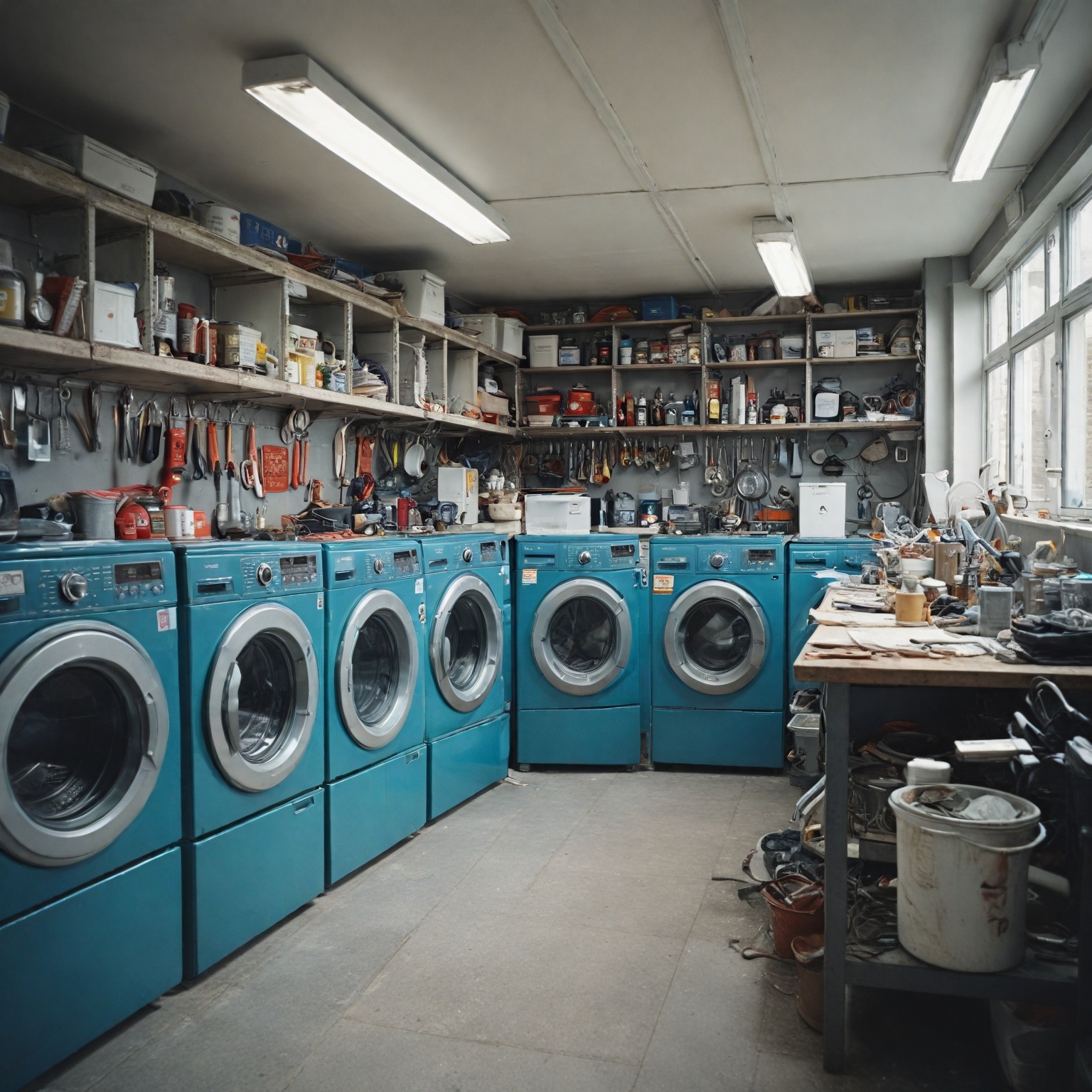
The article “Revolutionizing Appliance Repair in London: Leading the Way in Sustainable Home Maintenance” discusses the evolution of the appliance repair industry towards environmentally conscious practices, focusing on London’s pivotal role in this development. Appliance repair, by extending the lifespan of products and reducing waste, contributes significantly to sustainable consumption and the broader circular economy. However, the prevalence of the consumerist approach, marked by the continuous purchase of new gadgets and appliances, contradicts these principles. London, responding to this challenge, offers a range of reliable services for appliance repair, encouraging consumers to adopt more sustainable practices. Businesses such as Domex Ltd and Max Appliance Repair are leading this shift towards sustainability, aligning with London’s environmental goals and contributing to its economic resilience. This trend is particularly relevant in the context of the UK government’s ambitious net-zero targets and the increasing public concern for eco-friendly practices. The article also discusses the role of policy initiatives, consumer acceptance, and technological advancements in shaping this shift towards sustainable home maintenance. The piece presents Domex Ltd as a case study to illustrate the industry’s contribution to reducing waste and promoting circular economy principles.
Importance of Appliance Repair for Environmental Sustainability
In today’s environmentally conscious world, an increasing number of people are exploring ways to lessen their carbon footprint. One of these methods is by incorporating an eco-friendly approach to appliance repair. This approach promotes sustainable consumption by extending the lifespan of appliances and significantly reducing waste. A professional repairer based in Vancouver describes appliance repair as a clever and eco-friendly solution that lessens the environmental burden. Instead of discarding malfunctioning appliances and acquiring new ones, consumers can repair their old appliances. This strategy not only minimizes waste but also lessens the consumption of resources needed to manufacture new products.
Reasons for Sustainability of Appliance Repair
There are multiple reasons why professional appliance repair is more sustainable compared to purchasing new appliances. Firstly, it promotes resource efficiency and waste reduction. By encouraging responsible consumption, the circular economy benefits not just the planet but also businesses and consumers. Appliances can become significant contributors to the circular economy through conscious purchasing decisions, proper maintenance, and responsible recycling.
Secondly, many appliances contain harmful chemicals that could pose a risk to our environment if not handled appropriately, such as ozone-depleting refrigerants or lead in electronics. A dedicated appliance repair and recycling process managed by professionals helps manage these substances effectively, thus minimizing environmental harm.
Policy Initiatives and Economic Impacts
In the One World Living Action Plan, for instance, the London Borough of Hammersmith and Fulham are developing measures to increase electrical product lifespans and enhance circular behaviors like reuse and repair within the borough. This action plan, among seven London-wide local authority climate programs, is committed to meeting the climate challenge and finding practical solutions to deliver carbon reductions that also ensure the wellbeing of Londoners.
For businesses and policymakers, championing and investing in the appliance repair sector is not just beneficial for the environment but also for the economic fabric of cities like London and Brighton. The innovation and evolution within the appliance repair industry show how traditional services can be revamped for a greener tomorrow. It’s clear that adopting sustainable practices within communities can offer economic, environmental, and societal benefits.
Evolution towards Sustainable Practices
In the era of environmental consciousness, there has been a significant transformation in the way we approach daily tasks and routines within our homes. Sustainability, particularly in home design and appliance usage, is progressively becoming a key focal point. This shift has also been evident in the approach towards the materials used for sustainable design.
However, the prevalent consumerist approach of continuously purchasing new gadgets and household appliances is in stark contradiction to the principles of a circular economy, which prioritizes product longevity and waste minimization. The extraction of vast quantities of raw materials required for each new appliance contributes to environmental degradation, biodiversity loss, and increasing carbon emissions. In response to this wasteful cycle, the right to repair movement advocates for the design and creation of products that prioritize durability, reparability, and reusability.
Within this changing landscape, London has emerged as a key player in the appliance repair industry. Various reliable services for appliance repair are available across the city, providing options for consumers seeking more sustainable practices. A number of these companies, such as Max Appliance Repair, offer fast, professional repair services for a range of major appliance brands, contributing to the extension of the lifespan of these products and thus promoting more sustainable consumption.
The appliance repair sector in London is embracing eco-friendly practices that extend the life of household appliances and align with the city’s environmental and economic goals. This shift towards sustainability is especially critical in light of the UK government’s ambitious net-zero targets and an increasingly eco-conscious public. According to Ross Ganev, CEO and Co-founder of Domex Ltd, a leading appliance repair company in the capital, Londoners are rethinking how they care for their appliances.
The focus on eco-friendly appliance repair is a key step towards promoting more sustainable and conscious consumption. By choosing to repair instead of buying new appliances, individuals not only save money but also help conserve valuable natural resources and reduce waste. As such, the evolution towards more sustainable practices in the appliance repair industry marks a critical stride in leading the way in sustainable home maintenance.
The Role of Appliance Repair in Promoting a Circular Economy
Domestic small appliances can play a significant role in promoting the principles of a circular economy. One strategy to achieve this is through repair and maintenance, with consumers choosing to repair their appliances rather than replacing them when they break down. The appliance repair sector in London has increasingly embraced eco-friendly practices that not only extend the life of household appliances but also align with the city’s environmental goals and economic resilience.
However, there is an apparent contradiction with appliance manufacturers. Although the industry has made advancements in safety, energy efficiency, capacity, and performance, the average lifespan of appliances has not seen a substantial increase over the past two decades. This short lifespan of appliances contradicts the principles of a circular economy, which emphasizes product longevity and minimizing waste.
Homeowners, by understanding the factors that contribute to shorter appliance lifespans and taking proactive steps to maintain and repair their devices, can extend the lifespan of their appliances and reduce the environmental impact of frequent appliance replacements. Repair services create local added value and contribute to a circular economy.
Case Study: Domex Ltd
Domex Ltd, established in 2003, has become a significant figure in London’s evolving appliance repair industry. Embracing sustainable practices, the company extends the lifespan of household machines and contributes to the city’s environmental and economic resilience. The company’s operations also contribute to the city’s post-pandemic recovery by creating new jobs, ranging from skilled technicians to logistics specialists. The extended usage of appliances as a result of their repair services aids in reducing electronic waste, a growing concern for environmental agencies in the city.
Raw materials such as metal, plastic, and glass, crucial in appliance manufacturing, are conserved through these sustainable repair practices. As such, Domex Ltd and similar companies help optimize the use of these essential, but often non-renewable, resources.
Key Sustainable Practices in Appliance Repair
The eco-friendly approach to appliance repair is gaining prominence as a significant step towards sustainable consumption. As a part of this green strategy, appliance repair aims at reducing waste and conserving precious natural resources. Choosing to repair instead of purchasing new appliances not only saves money but also contributes positively to the environment. For instance, Repair it Reuse it, and its parent company, commits to environmental protection and waste minimization. They ensure to dispose of all electronic small appliance waste legally, as per the current UK legislation, thereby providing a seamless, eco-friendly solution to their customers.
Reducing Carbon Footprint
Appliance repair significantly reduces the burden on the environment by curbing the production of new goods and, consequently, the consumption of resources. A study by the University of Cambridge Institute for Sustainability Leadership (CISL) and the Wuppertal Institute indicates that repair of electronic products can be a critical strategy in reducing CO2 emissions. These initiatives synthesize information across various eco-friendly programs to understand the social and environmental impacts of electronic products throughout their life cycle. This holistic perspective informs policy development, environmental targets, regulation, and stakeholder behaviors, including product design, purchasing, and use.
The Two R’s: Reduce and Recycle
Companies are increasingly recognizing the importance of ‘reduce’ and ‘recycle’ strategies for sustainable appliance repair. For example, Miele, known for its durable washing machines, increases the use of recycled plastics in the production of its new appliances. The company adopts several circular product design practices, such as designing for durability and life extension, upgrading software, and using recycled materials in production. This commitment to quality and longevity has positioned Miele appliances as a symbol of high quality and durability, despite their higher cost.
Harmful Substance Management
Lastly, appliance recycling, an integral part of sustainable appliance repair, contributes significantly to the environment. Many appliances contain harmful chemicals that can damage the environment if not appropriately managed. Therefore, real people power the collection and processing stages of this eco-friendly initiative to ensure the safe handling of these substances.
Appliance Centre: Leading the Revolution in Sustainable Appliance Repair
The Appliance Centre in London is leading the way in transforming the appliance repair industry into a more sustainable and eco-friendly one. It strongly supports and embodies the ethos of ‘repair, don’t replace’. This practice significantly decreases waste and the consumption of resources needed for producing new appliances.
These London-based businesses are not merely providing a service but contributing to a larger movement towards a more sustainable, circular economy. They have embraced innovative strategies that extend the life of household appliances, thus reducing the environmental footprint. Companies like Domex Ltd are demonstrating that sustainability and economic growth can indeed coexist, proving beneficial not just for the environment but also for London’s economy.
Moreover, the Appliance Centre, along with its parent company, ensures compliance with the latest environmental regulations while repairing and recycling appliances. They ensure safe removal of harmful refrigerants from appliances, which must be handled by professionals due to environmental constraints. Also, they are conscientious about disposing electronic waste responsibly, in line with the current UK legislation.
In addition, these companies are aware of the harmful effects some components of electrical appliances can have on the environment. Hence, they avoid indiscriminate dumping of waste material or appliances in landfills without analyzing the type of waste.
The role of the Appliance Centre is increasingly significant as London is making strides to become a global leader in sustainability. Local authority climate programs, such as the One World Living Action Plan, are also recognizing the importance of increasing electrical product lifespans and promoting behaviors like reuse and repair.
The appliance repair industry’s innovation and adaptability have positioned it as a testament to how traditional services can be reimagined for a sustainable future. Their efforts, alongside local climate initiatives, are helping London, and other cities like Brighton, move closer to their environmental goals.
Impact of Appliance Repair Companies on Waste Reduction
Appliance repair companies play a significant role in reducing waste and contributing to the circular economy. They utilize various strategies, including repair and maintenance of domestic small appliances, which not only benefit customers but also aids in minimizing waste. This process eliminates the need for consumers to replace appliances, consequently reducing the production of new units and disposal of old ones.
The recycling process of electrical appliances is also a critical aspect of waste reduction. This process involves careful handling and disposal of harmful substances that could potentially impact the environment negatively. Some appliances contain hazardous chemicals, such as ozone-depleting refrigerants or lead, that require proper handling to prevent environmental damage. Therefore, repair companies adopt the best safety practices during recycling to avoid direct release of these harmful substances into the environment.
Additionally, repair companies contribute to waste reduction by extending the lifespan of appliances. By teaching people how to repair damaged appliances and electronic components, companies like Restart Community allow consumers to use their electronics and household appliances for longer. They provide free access events known as ‘Restart Party’ to encourage and empower people to increase the product lifespan and decrease the number of products in circulation.
Future of Sustainable Home Maintenance
The vibrant city of London is experiencing a quiet revolution in the field of home maintenance, with the appliance repair industry taking a significant lead. Embracing eco-friendly practices, the industry not only extends the lifespan of household appliances but also helps achieve environmental goals and strengthens economic resilience.
An important aspect of sustainable home maintenance is the use of energy-efficient appliances. These devices often feature energy-saving settings that lessen the stress on their components, thus extending their lifespan. For instance, using the eco-mode on dishwashers or washing machines can result in a reduction of energy use and can prolong the life of heating elements and motors. Moreover, when appliances become faulty, repair instead of replacement is being increasingly encouraged as a way to reduce environmental impact.
Advancements in technology are also playing a crucial role in this green initiative. AI-driven machines, for instance, can automatically adjust water levels, detergent dosage, and wash times, thereby not only enhancing the user experience but also contributing to energy efficiency and water conservation. The increasing use of smart technology, such as smart thermostats, which optimize energy usage based on individual preferences, is a testament to how technology can enhance the environmental performance of home appliances.
The concept of sustainability is also being incorporated into the design and manufacturing of appliances. The need for new proficiencies in design and engineering practices is being recognized, especially in creating electronic products with circular attributes. These include durability, repairability, remanufacturing, and recycling. Such a shift requires designers and engineers to operate on both the product and system levels. Additionally, the sustainability of raw materials, such as metal, plastic, and glass, used in appliance manufacturing is a growing concern. As a result, many companies are working towards reducing their reliance on non-renewable energy sources and optimizing their use of raw materials.
The recycling of appliances also plays a significant role in sustainable home maintenance. Real people are powering this initiative, from collection to processing, which has immense positive environmental impacts. For example, many appliances contain harmful chemicals that, if not properly handled, can damage the environment, emphasizing the importance of proper appliance recycling.
The content is provided by Jordan Fields, Home Upgrade News