
Summary
Transform Your Space: 3 Simple Yet Stunning Paint Projects for This Weekend is a practical guide aimed at homeowners and DIY enthusiasts seeking quick, impactful ways to refresh their living spaces using paint. Weekend paint projects offer accessible opportunities to transform rooms, furniture, and decor with minimal time investment, making them ideal for those looking to enhance their home’s aesthetic without professional help. By focusing on straightforward techniques and materials, this resource empowers individuals to achieve visually striking results while accommodating various skill levels.
The guide highlights three main projects: wall and ceiling painting, furniture makeovers using spray and chalk paints, and decorative painting involving patterns, stencils, and accent details. Each project is selected for its ease of execution, versatility, and ability to dramatically alter the appearance of a space or item within a short timeframe. The resource also emphasizes careful preparation, paint selection, and finishing techniques to ensure professional-quality outcomes, alongside creative tips to personalize interiors with color and texture.
Safety considerations and proper use of materials are integral parts of the guide. It underscores the importance of ventilation, protective equipment, and adherence to best practices when handling paints—particularly spray paints that may emit harmful fumes—to prevent health risks and accidents. Additionally, preparation steps such as priming and surface repair are stressed to optimize paint adhesion and durability, reducing the likelihood of costly errors or premature wear.
Overall, Transform Your Space: 3 Simple Yet Stunning Paint Projects for This Weekend serves as a comprehensive yet accessible manual for weekend warriors eager to refresh their homes. By combining practical advice, safety guidelines, and creative inspiration, it encourages safe and satisfying DIY painting projects that can significantly enhance the atmosphere and functionality of living environments.
Overview of Weekend Paint Projects
Weekend paint projects offer an excellent opportunity to refresh your living space with minimal time and effort. These DIY projects are designed to be easy and quick, making them perfect for a weekend afternoon or even a weekday evening. There is a wide variety of options available, ranging from beginner-level tasks suitable for family participation to more advanced challenges that allow for creative experimentation. When selecting a project, it’s important to consider both the type of paint and the finish. Common interior paint finishes include matte, eggshell, and satin, each suited to different surface conditions and maintenance needs. For example, choosing a paint finish that is easy to clean and resistant to dampness is recommended for high-traffic or moisture-prone areas. Additionally, spray paint is often favored for smaller home decor projects due to its convenience and the diverse effects it can create.
While painting is generally considered a low-risk activity, safety precautions should not be overlooked. Some paints contain flammable substances and can pose respiratory risks, so proper ventilation and protective equipment are essential. Furthermore, painting at heights introduces the risk of falls and injury, underscoring the importance of using appropriate ladders and safety measures. With the right preparation, weekend paint projects can be both enjoyable and safe, resulting in stunning transformations for your space.
Project 1: Room Transformation with Wall and Ceiling Paint
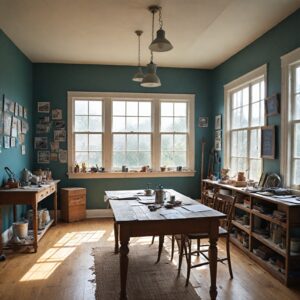
One of the easiest and most affordable ways to dramatically transform a room is by painting the walls and ceiling. A fresh coat of paint can completely refresh a space, whether you choose bold patterns, contrasting colors, or exciting textures to make a statement. By selecting the right shade, you can shift the mood of a room from bright and playful to moody and sophisticated, creating an entirely new aesthetic with minimal expense.
When undertaking this type of project, it’s important to consider paint finishes and types appropriate for your space. Common finishes such as matte, eggshell, and satin vary in durability and ease of cleaning, which should be matched to the room’s traffic and conditions. For instance, satin finishes offer a slight sheen and are often preferred for trim or areas needing frequent wiping, while matte finishes can help conceal wall imperfections. To achieve a professional-looking result, prep work is essential. Applying a primer before painting, especially when transitioning from a dark to a lighter color, helps seal the wall and prevent issues like mold. Using quality drop cloths to protect floors and furniture, and brushing up on proper painting techniques will ensure the best finish.
Top interior designers often recommend using deep, rich colors with a high sheen on living room walls to create an attention-grabbing, elegant atmosphere, though hiring a professional painter is advised for this effect. For bedrooms and dining rooms, combining a bold accent wall with more neutral tones on other walls can provide a balanced and inviting environment. Ultimately, with careful color selection and preparation, painting walls and ceilings remains one of the most impactful weekend projects to transform your space quickly and beautifully.
Project 2: Furniture Makeover Using Spray Paint and Chalk Paint
Transforming old or tired furniture with spray paint and chalk paint is an easy and effective way to refresh your space. Using the right shades can bring new life to a piece, adding an invigorating dose of color and personality to any room. Both spray paint and chalk paint offer unique benefits, making them ideal choices for DIY furniture makeovers.
Spray paint is highly versatile and available in a wide range of colors and finishes—from matte to glossy to metallic—allowing you to customize your furniture’s look to suit your style. When using spray paint indoors, it’s essential to follow safety tips, such as working in a well-ventilated area or outdoors, and protecting surfaces you don’t want painted with tape or rags. This method can give metal, wood, or even fabric furniture a fresh and modern appearance with minimal effort.
Chalk paint, on the other hand, is favored for its low or no-VOC formulation, making it safer for indoor use without worrying about strong fumes. It is fairly durable and self-levels well, minimizing brush marks and providing a smooth finish. Additionally, chalk paint can be sealed with a wax finish, which is quick to apply and offers extra protection, especially on frequently used furniture pieces. The matte or slightly satin look of chalk paint often appeals to those seeking a vintage or antique aesthetic, though some prefer semi-gloss or high gloss finishes depending on the piece and its use.
Preparation is key to a successful furniture makeover. Surfaces should be cleaned and primed to ensure an even paint application. If brush strokes are visible or the surface is uneven, sanding lightly before painting can improve the finish, though this step requires patience and care. When choosing between finishes, keep in mind that glossier paints reflect more light but can highlight imperfections, so they are best used on smooth surfaces.
By combining spray paint’s quick application and broad color options with chalk paint’s smooth, durable finish, you can create a stunning and functional furniture makeover that personalizes your home effortlessly. Whether you’re updating a child’s dresser with high gloss or adding a rustic charm with chalk paint and wax, this project can be completed over a weekend with rewarding results.
Project 3: Decorative Painting with Patterns, Stencils, and Accent Details
Decorative painting using patterns, stencils, and accent details offers a creative and affordable way to personalize your space while adding visual interest. One popular approach involves transforming plain surfaces, such as vinyl flooring, into stylish focal points through simple stenciled makeovers. For example, a southwestern-inspired motif painted in bright cerulean, aqua, and gray can dramatically elevate an otherwise ordinary kitchen rug area. The versatility of stencil designs means you can customize the look to suit any style or color scheme.
Beyond floors, specialty paint techniques can mimic luxurious finishes like mercury glass, achievable on clear glass surfaces such as picture frames with just a few basic tools and specialty spray paint. These projects are typically quick and accessible, perfect for a weekend or weekday evening endeavor, with dozens of ideas available to keep creativity flowing.
Using painter’s tape to create geometric accents or patterns on walls is another straightforward technique. Applying tape diagonally or in other shapes before painting beneath adds dimension and movement to a room, turning a bland area into an engaging feature. Accent walls painted in richer hues also serve as effective focal points, breathing new life into spaces that feel uninspired.
This type of decorative painting is not only visually appealing but practical. It can define smaller areas, making them appear more organized and spacious while requiring minimal paint quantities, which keeps costs low. Additionally, accentuating interior doors or bookshelves with bold or subtle colors respectively offers quick updates with high impact.
To ensure the best results, preparatory steps such as applying primer—especially when transitioning from dark to light colors—and choosing the appropriate paint finish for durability and ease of cleaning should be considered. Protective gear and proper ventilation are also important when using spray paints indoors to maintain safety.
Materials and Tools Required for Weekend Projects
When preparing for weekend painting projects, selecting the right materials and tools is essential to achieve the best results. Depending on the project, different types of paint and finishes are recommended. Common paint finishes for interior projects include matte, eggshell, and satin, each offering varying levels of durability and sheen. For instance, satin paint provides a luminous, semi-gloss finish that is well-suited to highlight architectural details such as millwork and trim, while matte and eggshell finishes offer a flatter appearance and may better hide surface imperfections.
In terms of paint types, acrylic and latex paints are popular choices, with considerations based on the project’s location and desired effect. Chalk paint is also favored for indoor DIY projects due to its low or no-VOC formulation, minimizing fumes and allowing safe indoor use. It self-levels well, reducing brush marks, and can be protected further with a quick-apply wax finish.
For application, a variety of tools might be necessary. Brushes and rollers are standard, but spray paint is also commonly used, especially for quicker coverage or specialty finishes. When using spray paint indoors, it is important to follow safety tips, such as wearing protective eyewear and ensuring proper ventilation. Additionally, maintaining spray equipment by unclogging nozzles rather than discarding them can save time and materials.
Lastly, personal protective equipment (PPE) should not be overlooked. Appropriate protective wear, including gloves, masks, and eye protection, is recommended to safeguard against fumes, splatters, and skin contact during painting activities. Selecting the right combination of paints, tools, and safety gear ensures a smooth, efficient, and enjoyable weekend painting experience for all skill levels.
Safety Guidelines and Protective Measures
Ensuring personal safety during any painting project is essential, whether you are a professional or a DIY enthusiast. Proper use of personal protective equipment (PPE) such as coveralls, respiratory protection, eye protection, and head coverage is critical to minimize the health risks associated with painting. Wearing a full-coverage coverall along with a spray sock or hood can protect the head and neck from overspray, while safety glasses shield the eyes from paint splatters and airborne dust.
When spray painting, respiratory protection is particularly important. Paint respirators help prevent microscopic particles, harmful vapors, and chemical fumes from entering the airways, reducing risks of respiratory problems and headaches. Spray paint fumes, if not ventilated properly, can cause irritation to the skin, nose, throat, and lungs, and prolonged exposure may lead to symptoms such as vomiting, nausea, fatigue, and headaches. Therefore, it is advisable to paint in well-ventilated areas, either outdoors when weather permits or indoors with all windows and doors open to promote cross ventilation. Fans set on low speed can assist air circulation without disturbing the paint application.
Additional safety measures include wearing shoe covers to prevent paint from settling on footwear and washing any paint off the skin immediately to avoid irritation. It is also important to read and follow all warning labels on spray paint cans carefully. Moreover, when painting at heights, precautions should be taken to prevent falls and related injuries. By adhering to these safety guidelines and employing the right protective gear, you can ensure a safe and successful painting experience.
Preparation and Planning Tips for Beginners
Proper preparation and planning are essential for a successful painting project, especially for beginners. The initial steps, though often time-consuming and less glamorous, greatly reduce mistakes and ensure a smooth finish. Start by thoroughly cleaning and priming any surfaces to achieve an even and clean base, which is crucial for paint adherence and durability. If there are imperfections such as holes or rough patches, repair them beforehand using appropriate tools like a putty knife and sander, then dust off the area to avoid debris in the paint.
When painting around outlet covers and light switch plates, it is often easier to remove them rather than taping around them, which can lead to cleaner edges and less frustration during the project. Additionally, choosing the right paint finish is important; for example, gloss finishes reflect more light and tend to highlight imperfections, so they should only be used on smooth surfaces. To ensure satisfaction with the paint sheen, consider taking home samples and applying them to test boards before committing to a large area.
Safety and environmental considerations should also be factored into your planning. Using proper protective equipment while painting is recommended to safeguard your health. When it comes to excess paint disposal, it is best to bring leftovers to a hazardous waste facility or repurpose the paint for another project. Allow painted surfaces to dry for at least a week without placing objects on them or closing drawers to avoid damage.
Finally, beginners can benefit from gathering inspiration and tips from online resources such as beginner-friendly tutorials and creative project ideas. Incorporating fun elements like using water guns filled with paint outdoors or personalizing canvases with tape and stencils can make the process enjoyable for the whole family. Setting the right mood by listening to audiobooks, podcasts, or playlists can help pass the time during the more labor-intensive prep work.
Aftercare and Maintenance of Painted Surfaces
Proper aftercare and maintenance are essential to preserve the look and durability of painted surfaces. To ensure your paint job remains fresh and vibrant, it is important to clean and maintain the surfaces regularly, especially in high-traffic or damp areas where dirt and moisture can accumulate. Choosing paint finishes such as matte, eggshell, or satin can make cleaning easier, as these finishes tend to be more resilient and easier to wipe down compared to gloss finishes.
When maintaining painted surfaces, avoid abrasive cleaning tools or harsh chemicals that could damage the paint. Instead, use gentle cleaning solutions and soft cloths to wipe down walls and furniture. Regular dusting and spot cleaning will help prevent buildup of grime and reduce the need for frequent repainting.
If imperfections like brushstrokes or blemishes become visible over time, a light sanding followed by spot touch-ups can help restore a smooth finish. It is important to remove dust thoroughly after sanding to achieve an even surface. Consistent care not only extends the life of your paint but also keeps your space looking polished and inviting.
For DIY enthusiasts, taking time during the initial preparation phase—such as priming surfaces properly and ensuring they are clean and smooth—can minimize future maintenance issues and make aftercare easier. With the right approach, your painted surfaces will maintain their stunning appearance for years to come.
The content is provided by Sierra Knightley, Home Upgrade News