Summary
**Expert Tips for a Stunning Kitchen Renovation That Will Blow Your Mind** is a comprehensive guide aimed at homeowners and renovators seeking to create beautiful, functional, and personalized kitchen spaces. Kitchen renovations are among the most impactful home improvement projects, often enhancing both daily living and property value. This article draws on industry research, expert advice, and current trends to help readers navigate the complexities of planning, design, appliance selection, and project management while addressing common challenges such as budgeting and regulatory compliance.
Central to a successful renovation is careful planning that aligns design choices with the homeowner’s lifestyle and practical needs. Key principles include optimizing kitchen layouts through concepts like the work triangle, achieving visual balance with appropriate scale and focal points, and incorporating layered lighting to enhance both function and ambiance. The guide emphasizes selecting durable, high-quality materials and smart appliances, reflecting 2025 trends toward technology integration and sustainable design.
The article also highlights the importance of compliance with building codes and safety standards, including electrical certifications and accessibility considerations, to ensure a safe, legal, and inclusive kitchen environment. Professional involvement—whether through designers, contractors, or both—is recommended to help prevent costly errors and streamline renovation workflows. Managing the renovation process effectively involves setting realistic timelines, maintaining communication among stakeholders, and preparing for unforeseen challenges.
Notable innovations covered include the blending of indoor and outdoor spaces, the rise of smart technology, and the use of advanced materials like fluted marble and laminates that combine aesthetics with practicality. By integrating these expert tips and emerging trends, homeowners can achieve stunning kitchen renovations that balance style, functionality, and value, transforming their kitchens into welcoming, efficient hubs of modern living.
Planning Your Kitchen Renovation
Careful planning is the cornerstone of a successful kitchen renovation. Before beginning any work, it is crucial to conduct thorough research and develop a detailed plan to avoid overspending and ensure all desired elements are included. According to the 2024 Houzz Renovation Trends report, staying within budget ranks among the top three challenges faced by homeowners during renovations. Taking the time to thoughtfully outline your ideal kitchen space, tailored to your unique needs and lifestyle, helps set realistic expectations and priorities.
Effective planning also involves creating a renovation timeline and coordinating with contractors and suppliers to achieve seamless project completion. Experts recommend focusing on personal considerations early in the process, as these will guide decision-making and guarantee that the kitchen not only looks beautiful but also enhances daily living in meaningful ways. For example, if cooking and entertaining are central to your lifestyle, allocating more budget toward high-quality appliances rather than custom cabinetry may provide greater satisfaction and value.
To assist homeowners in managing renovation costs, breaking down the budget into manageable steps and utilizing tools such as budgeting spreadsheets can be invaluable. Additionally, contemporary kitchen designs often blend indoor and outdoor spaces to promote social engagement and a connection with nature, made possible by advanced, durable materials that expand design possibilities.
By prioritizing detailed planning and aligning design choices with lifestyle needs, homeowners can create a stunning, functional kitchen renovation that truly meets their expectations.
Design Principles and Considerations
Creating a stunning kitchen renovation requires a careful balance of aesthetics, functionality, and thoughtful planning. Fundamental kitchen design principles serve as a guide to achieving a space that is both visually appealing and highly efficient for everyday use. Key concepts such as the kitchen work zones, the work triangle, and visual balance are crucial components of successful kitchen layouts.
Kitchen Layout and the Work Triangle
One of the most important functional design concepts is the work triangle, which connects the sink, refrigerator, and primary cooking surface. This arrangement minimizes walking distances during meal preparation, enhancing efficiency and comfort. For optimal performance, the sum of the three distances should not exceed 26 feet, with each leg measuring between 4 and 9 feet, even in smaller kitchens. Ensuring that this triangle remains unobstructed improves workflow and reduces unnecessary movement.
Scale, Proportion, and Visual Balance
Proper scale and proportion are vital to creating a harmonious kitchen. Oversized appliances can overwhelm a small kitchen, while tiny fixtures may appear out of place in a large space. Visual balance can be achieved through symmetrical, asymmetrical, or radial arrangements. Starting from a focal point—often the center of a wall or room—designers build symmetry around it using elements such as cabinetry, furniture, and décor to create a calm and harmonious environment. Contrast and repeated patterns in colors, shapes, or textures add dimension and prevent the space from feeling flat or one-dimensional.
Focal Points and Material Choices
Identifying and emphasizing a focal point enhances visual interest within the kitchen. Common focal points include stovetops, backsplashes, range hoods, kitchen islands, or a large piece of artwork. Using bold, contrasting colors around these areas draws attention and adds character. Current trends for 2025 highlight the use of curved edges on countertops, moving away from sharp lines to create a softer, more artistic feel. Fluted marble and natural materials like leather, oak, and limestone are favored for adding texture, elegance, and a tactile experience that contributes to a refined kitchen atmosphere.
Lighting and Layering
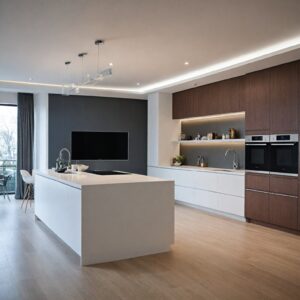
Lighting plays a critical role in kitchen design, especially when remodeling or altering the layout. A comprehensive lighting plan should include architectural recessed lighting, interior cabinet lighting, undercabinet lighting, accent lighting, and decorative fixtures to create layers of light that enhance both function and ambiance. Layered lighting supports various tasks while complementing the overall design.
Practicality and Functionality
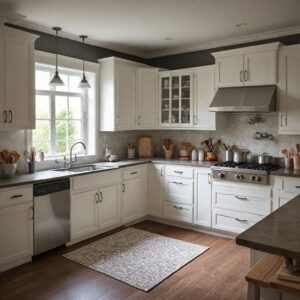
Beyond aesthetics, kitchens must be practical and functional. Designers emphasize durable, high-quality materials such as quartz or granite countertops, hardwood flooring, and robust cabinetry to withstand daily use and reduce long-term maintenance costs. Efficient storage solutions are also paramount, ensuring the kitchen remains organized and clutter-free, which contributes to a more enjoyable cooking experience.
Additional Considerations
When designing or renovating a kitchen, local building codes and safety requirements must be considered to ensure compliance and security. The use of mixed metals in hardware, fixtures, and appliances offers flexibility in achieving a cohesive yet dynamic look, with the recommendation to select one dominant metal and complement it with smaller accents. For small kitchens, strategies such as light color palettes, open shelving, and maximizing natural light through large windows or skylights help create the illusion of spaciousness.
Incorporating these design principles and considerations will result in a kitchen that not only looks stunning but also functions seamlessly for everyday life, reflecting both style and practicality.
Selecting Appliances and Fixtures
Choosing the right appliances and fixtures is a crucial step in creating a functional and aesthetically pleasing kitchen. In many upscale kitchens, a jumbo refrigerator paired with a standard bend-and-load dishwasher is common; however, for smaller urban kitchens, selecting appliances with innovative dimensions can significantly enhance flexibility and utility. This approach allows homeowners to maximize available space without sacrificing performance.
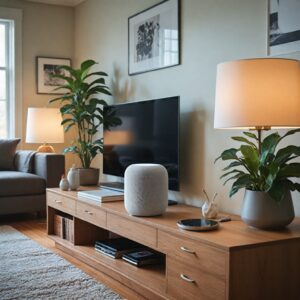
In addition to size and functionality, integrating smart technology into appliances is becoming increasingly popular. The 2025 kitchen trends emphasize the use of voice-controlled devices, smart appliances, and intuitive technology, all of which contribute to making kitchens more efficient, connected, and user-friendly. These advancements not only streamline cooking and cleaning tasks but also elevate the overall experience of the kitchen as a central living hub.
When it comes to fixtures, the transition from traditional microwave hoods to statement range hoods is notable. Modern kitchen remodels often feature range hoods designed as striking visual focal points, with options such as wooden paneling that complements cabinetry or metal finishes that add industrial flair and significant aesthetic interest. Proper ventilation through these statement hoods also enhances air quality and comfort in the kitchen.
Finally, thoughtful layout planning involving appliances and fixtures is essential. Ensuring proper spacing for walkways, electrical and plumbing access, and storage areas requires adherence to basic planning guidelines and safety considerations to create a harmonious and efficient kitchen space. Selecting items that fit the same mood and style ensures unity throughout the kitchen design, resulting in a cohesive and polished look.
Building Codes, Regulations, and Safety Standards
When undertaking a kitchen renovation, adhering to building codes, regulations, and safety standards is crucial to ensure both compliance and safety. While some requirements may vary depending on local building codes, federally subsidized housing often mandates specific standards that must be met. These regulations encompass various aspects including fire safety, accessibility, sustainability, and plumbing systems, all of which contribute to a safe and efficient kitchen environment.
In Australia and New Zealand, current standards and draft amendments provide minimum requirements that govern new construction as well as renovations in existing buildings. These standards cover fire safety protocols, accessibility features for individuals of all abilities, and environmentally sustainable practices. Compliance with such codes not only promotes environmental stewardship but also aligns with corporate social responsibility and local legislative frameworks.
Electrical safety is another critical component of kitchen renovations. Obtaining an Electrical Installation Condition Report (EICR) upon completion of electrical work is essential. This certification verifies that all electrical installations conform to current safety standards, thereby reducing the risk of hazards and facilitating the future sale of the property. Without an EICR, homeowners may encounter legal issues and safety concerns.
In addition to regulatory compliance, designing kitchens with accessibility in mind ensures that homes can be welcoming and inclusive spaces for people of all abilities. Prioritizing accessibility during a renovation can address the needs of residents and guests alike, enhancing usability and respect within the home environment.
Hiring Professionals
The decision to hire professionals is a crucial step in ensuring a successful kitchen renovation. It is important to assess whether your project requires the expertise of a professional designer, a contractor, or both. Designers contribute a creative perspective and specialize in optimizing space, while contractors focus on the technical aspects, ensuring the work is safe and compliant with building codes.
For larger kitchen makeovers, expert advice recommends engaging both designers and contractors to combine creativity with technical skill. This collaboration can help prevent common pitfalls, making the renovation process less stressful and more manageable through proper planning and communication.
Working with experienced professionals not only enhances the quality of the design but also supports a smoother renovation journey. For example, platforms like Decorilla have connected thousands of clients with professional designers who create bespoke interiors tailored to personal style and functionality, demonstrating the value of expert involvement in kitchen renovations.
Managing the Renovation Process
Successfully managing a kitchen renovation requires careful planning, clear communication, and the ability to adapt to unforeseen challenges. One of the most critical aspects is setting a realistic timeline and maintaining flexibility throughout the project. Despite thorough preparation, unexpected delays or issues may arise, so having a contingency plan in place is essential to address these problems promptly and effectively.
Budget management is another vital component. Without a detailed plan, it is easy to exceed your budget, which is a common challenge faced by homeowners during renovations. Taking the time to outline your ideal kitchen space and assess whether it fits within your financial limits helps prevent overspending and ensures you achieve the desired outcome.
Coordination among all parties involved—builders, designers, electricians, and contractors—is key to keeping the project on track. For example, obtaining an Electrical Installation Condition Report (EICR) at the conclusion of electrical work certifies that the installation is safe and compliant with current standards, thereby avoiding legal and safety issues down the line.
Structural considerations, such as dealing with floor joists when installing ventilation ducts, often require expert input from structural engineers and HVAC professionals to ensure both safety and functionality. Additionally, thoughtful layout planning that accounts for appliance placement, storage, electrical and plumbing work, and appropriate walkway widths can simplify the renovation process and lead to a more efficient kitchen design.
Ultimately, staying organized, setting clear expectations, and building a reliable support team can help reduce stress and lead to a successful kitchen renovation that meets your needs and preferences.
Tips for Maximizing Value, Functionality, and Aesthetics
Designing a stunning kitchen renovation involves a careful balance of value, functionality, and aesthetics to create a space that is both beautiful and practical. One key trend is the seamless blending of indoor and outdoor areas, which fosters social engagement and a stronger connection to nature. Utilizing advanced materials that are both durable and visually appealing expands design possibilities, as exemplified by elevated outdoor kitchens created by designers like Lindye Galloway.
Achieving visual balance in the kitchen requires thoughtful consideration of focal points, symmetry, scale, and proportion. These elements work together to ensure the kitchen is not only functional but also aesthetically pleasing, supporting a harmonious environment for cooking and entertaining. Modern kitchen designs often incorporate minimalist cabinetry, neutral color palettes, and metallic accents to produce subtle elegance. This style effectively blends contemporary influences with traditional and industrial elements, creating a timeless yet current look without feeling sterile.
Storage is a critical component of kitchen remodeling that significantly enhances functionality. Incorporating tall pantry cabinets—ideally 42 inches or higher—with pull-out shelving systems optimizes storage space. Specialized storage solutions such as spice racks, appliance garages, and corner cabinet organizers are highly recommended to maximize utility. Homeowners are often advised to carefully assess their storage needs beyond the obvious large pots and appliances, considering smaller items and everyday essentials to avoid miscalculations and ensure adequate space.
Finally, blending personal style with practical design principles allows homeowners to create kitchens that are both inspiring and efficient. Expert-approved ideas focus on maximizing storage even in compact areas and designing efficient work zones that enhance the daily cooking and entertaining experience. These approaches ensure the renovation is not only stunning but also highly functional and tailored to individual lifestyles.
Emerging Trends and Innovations in Kitchen Renovation
Kitchen renovations are increasingly embracing modern design innovations that balance comfort, beauty, functionality, and warmth, transforming the kitchen into a welcoming refuge within the home. One of the most significant emerging trends is the integration of smart technology. Voice-controlled devices, smart appliances, and intuitive tech are revolutionizing how cooking, cleaning, and home management are approached, making kitchens more efficient, connected, and user-friendly. These advancements streamline daily tasks and enhance the overall cooking experience, positioning the kitchen as a central hub of modern living.
Sustainability and the use of advanced materials are also gaining prominence. Durable and visually appealing materials expand design possibilities, allowing for seamless blends between indoor and outdoor spaces to foster social engagement and a closer connection to nature. For example, outdoor kitchens are becoming elevated and modern, reflecting these innovative materials and design philosophies.
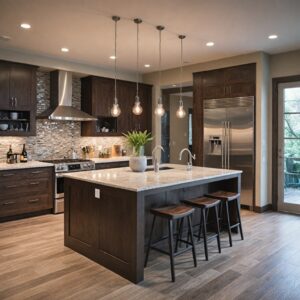
Lighting plays a crucial role in creating ambiance and warmth in kitchen spaces. Ambient lighting, achieved through ceiling lights or chandeliers especially in kitchens with eat-in nooks, provides diffused brightness that enhances the room’s welcoming atmosphere.
Material choices continue to evolve, with laminates (often referred to as Sun Mica in India) being popular for their durability and affordability. These plastic-based finishes serve as excellent substitutes for natural wood and come in a wide variety of patterns, colors, and designs, offering both practicality and aesthetic flexibility.
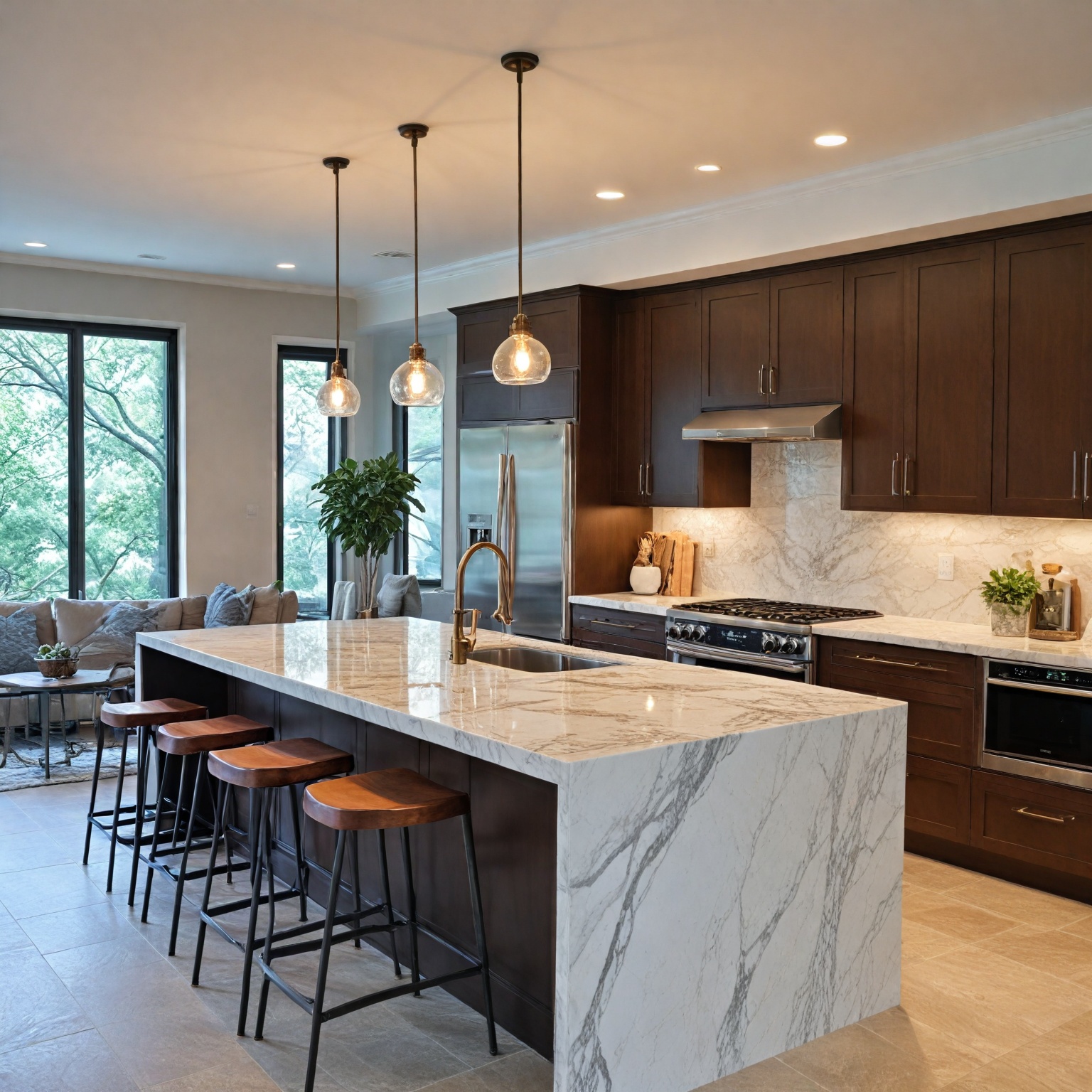
Achieving harmony and unity remains essential in kitchen design. Ensuring all elements adhere to a consistent mood and style results in a cohesive and polished look, which is a foundational principle across contemporary renovations. This cohesiveness is often enhanced by using the same material across multiple elements, such as veined marble slabs for backsplashes, countertops, and sinks, creating a seamless and elegant appearance.
Case Studies and Examples
The guidelines for effective kitchen design are informed by extensive research, including the Kitchen Storage Research Project conducted by Virginia Polytechnic Institute. This project, combined with a review of historical design trends, current industry standards, and future lifestyle projections, provides a comprehensive foundation for successful kitchen renovations.
In practice, creating visual interest and smooth transitions between rooms can be achieved by incorporating small furniture pieces such as buffet cabinets or bookshelves, as well as architectural elements like arched doors or thoughtfully placed
The content is provided by Avery Redwood, Home Upgrade News